ADHD & Hand-Eye Coordination: Unraveling the Struggle
“`html
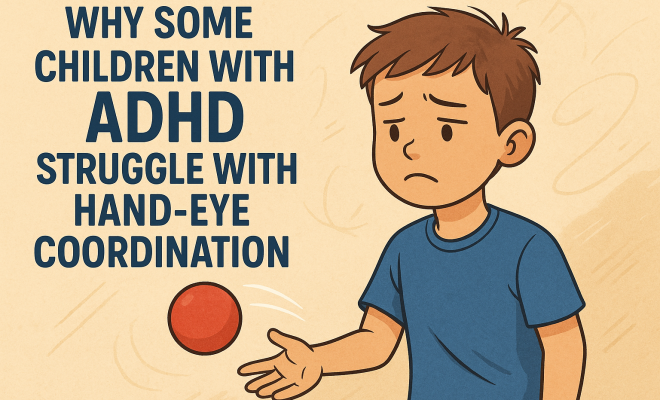
Attention Deficit Hyperactivity Disorder (ADHD) is often discussed in terms of its impact on focus, behavior, and academic performance. However, an area less frequently addressed is how ADHD can affect motor skills, particularly ADHD hand-eye coordination. Many parents and educators find themselves puzzled when children with ADHD demonstrate difficulties in activities that require precise movements, such as sports, writing, or even basic tasks like buttoning a shirt. Understanding the connection between ADHD and hand-eye coordination is crucial to support these children effectively.
Understanding ADHD: A Brief Overview
ADHD is one of the most common neurodevelopmental disorders, often diagnosed in childhood. Characterized by symptoms such as inattention, hyperactivity, and impulsivity, ADHD affects not just a child’s ability to focus but also their overall functioning. According to the Centers for Disease Control and Prevention (CDC), approximately 6.1 million children in the United States have been diagnosed with ADHD, indicating that understanding the disorder is essential for educators, parents, and healthcare professionals.
ADHD is typically categorized into three types: predominantly inattentive, predominantly hyperactive-impulsive, and combined presentation. Each type comes with its unique challenges, but one aspect that remains consistent across all types is the impact on executive functions and motor skills.
The Link Between ADHD and Motor Skills
One often overlooked fact is that ADHD doesn’t just influence attention and behavior; it can also impair motor skills. Research has shown that children with ADHD frequently experience developmental coordination disorder (DCD), which affects their ability to coordinate their movements. This can manifest in various ways, including clumsiness, difficulty with sports, and challenges in completing everyday tasks that require hand-eye coordination.
Data suggests that up to 50% of children with ADHD may also struggle with DCD, making it essential for parents and educators to recognize how these two conditions can interact. While not all children with ADHD will experience motor skill difficulties, the prevalence is high enough that it warrants attention.
Why Do Children with ADHD Struggle with Hand-Eye Coordination?
There are several reasons why children with ADHD may struggle with their hand-eye coordination. Primarily, these challenges stem from the neurological differences associated with ADHD. Brain imaging studies reveal that children with ADHD often have differences in areas of the brain responsible for motor control and coordination.
Additionally, the symptoms of ADHD—such as impulsivity and inattention—can exacerbate motor difficulties. For instance, a child who struggles to focus may not pay close attention to the details of a task that requires precise hand movements. This lack of focus can lead to errors and an increase in frustration, which in turn can discourage practice and improvement.
Neurological Factors
Research indicates that certain brain structures, specifically the cerebellum and basal ganglia, play critical roles in coordination and motor control. In children with ADHD, these structures can exhibit atypical development, leading to difficulty in executing smooth and coordinated movements. Studies, including those published in journals like Pediatrics, have shown that children with ADHD often have reduced volume in the cerebellum, impacting their fine motor skills and overall coordination.
Moreover, neurotransmitters like dopamine, which are often out of balance in children with ADHD, are essential for motor control. A deficiency in dopamine can lead to issues with motor planning and execution, which are directly related to hand-eye coordination. Understanding these neurobiological factors can help caregivers and educators to create supportive environments conducive to improvement.
Impacts on Daily Life
The challenges posed by poor hand-eye coordination can significantly impact a child’s daily life. Simple activities like writing, playing sports, or participating in arts and crafts can become sources of frustration. This can lead to a lack of confidence, social withdrawal, and even anxiety about performance in school settings.
For example, a child struggling to catch a ball may shy away from participating in team sports, missing out on the social benefits and physical activity that come with such participation. Similarly, difficulties in handwriting can lead to academic challenges, as a child may be unable to express their thoughts effectively on paper. These issues can create a vicious cycle where poor performance leads to low self-esteem, which in turn exacerbates the coordination issues.
Strategies for Improvement
Fortunately, there are various strategies that can help children with ADHD improve their hand-eye coordination. The key is to create an encouraging and understanding environment. Here are some practical approaches:
- Structured Activities: Engaging in structured physical activities such as gymnastics, martial arts, or dance can help improve coordination. These activities not only enhance motor skills but also provide children with a sense of accomplishment.
- Occupational Therapy: Working with an occupational therapist can be beneficial. These professionals can design individualized programs that focus on improving motor skills through targeted exercises and activities.
- Adaptive Tools: Using tools such as larger crayons or adaptive writing instruments can make writing easier and more manageable for children struggling with fine motor skills.
- Practice Through Play: Incorporating fun games that require hand-eye coordination, such as catch or video games that require precise movements, can be a great way to practice without the pressure of formal exercises.
The Role of Educators and Parents
Educators and parents play a vital role in helping children with ADHD improve their hand-eye coordination. Awareness is the first step. Understanding that coordination issues are a common aspect of ADHD can foster empathy and patience when a child struggles with tasks. Collaborative strategies between parents and teachers can lead to more tailored approaches that meet the child’s specific needs.
For instance, teachers can provide additional time for tasks requiring fine motor skills or offer alternative methods for completing assignments, such as oral presentations instead of written reports. Parents can reinforce these approaches at home by engaging in activities that enhance motor skills and providing positive feedback to foster confidence.
Current Research and Developments
The field of ADHD research is continually evolving, with ongoing studies investigating the intricate connections between ADHD and motor skills. New therapies and interventions are being tested to address these challenges more effectively. For example, a recent study published in the journal Neuroscience suggested that specific physical training programs can improve motor function among children with ADHD.
Additionally, technology is playing an increasing role in therapy. Interactive video games designed specifically to enhance coordination and focus are being developed as fun ways for children to practice their motor skills. These innovative approaches are promising and reflect the growing understanding of the multifaceted nature of ADHD.
The Importance of Early Intervention
Early intervention is key when addressing issues related to ADHD hand-eye coordination. Identifying these challenges early on can lead to timely support and tailored strategies, reducing the long-term impact on a child’s academic and social development. Parents should be proactive in seeking assessments if they suspect their child is struggling with coordination. This can lead to the implementation of effective interventions that can help mitigate the effects of ADHD on motor skills.
Furthermore, schools and communities can foster inclusive environments that celebrate diverse abilities. Programs that raise awareness about ADHD and its associated challenges can create a more supportive atmosphere where children feel valued and understood.
Building Awareness: The Role of Community
Building awareness about the challenges faced by children with ADHD, particularly regarding hand-eye coordination, extends beyond the classroom and home. Community involvement can play a huge role in fostering understanding and support. Local organizations can host workshops for parents and educators, focusing on the nuances of ADHD and its effects on motor skills. By providing resources and training, communities can ensure that everyone involved in a child’s life is equipped to support their unique needs.
Peer support groups can also be invaluable for parents seeking to connect with others who share similar experiences. By sharing strategies and insights, parents can feel less isolated and more empowered to advocate for their children.
Comparative Analysis of ADHD and DCD
When discussing ADHD and its impact on hand-eye coordination, it’s crucial to consider how it overlaps with developmental coordination disorder (DCD). While both conditions affect motor skills, their origin and symptoms can differ. DCD, often diagnosed independently of ADHD, is characterized primarily by the inability to perform coordinated movements, regardless of attention or impulsivity factors. Children with DCD might struggle with tasks like riding a bike or tying shoelaces, similar to those with ADHD, but the underlying causes are distinct.
Research indicates that while many children with ADHD may also have DCD, the reverse isn’t necessarily true. This distinction is important because it informs the type of interventions that might be most effective. For instance, children with DCD may benefit greatly from specific motor skills training and practice, whereas those with ADHD might need a more holistic approach that simultaneously addresses attention and focus along with motor skills.
Real-Life Examples and Case Studies
Understanding the connection between ADHD and hand-eye coordination can be greatly enhanced by real-life examples. Consider the case of Jake, a 9-year-old boy diagnosed with ADHD. During physical education class, Jake struggled to catch a ball, resulting in him being picked last for teams. His lack of coordination led to feelings of inadequacy and frustration, which further impacted his willingness to participate in sports. With the help of a supportive coach who introduced him to smaller, lighter balls and gradually incorporated training drills, Jake began to improve his coordination skills while also gaining confidence. Over time, he not only became more adept at catching but also more engaged with his peers.
Similarly, Sarah, a 7-year-old girl with ADHD, faced significant issues with handwriting. Her teacher noticed that Sarah’s writing was often illegible, which made it difficult for her to express her ideas in class. The teacher collaborated with Sarah’s parents to implement a writing program that included adaptive tools and focused practice. After several months, Sarah’s handwriting improved significantly, boosting her self-esteem and academic performance.
Statistics Highlighting the Impact
Statistics can help paint a clearer picture of the challenges faced by children with ADHD regarding hand-eye coordination. Studies have shown that nearly 50% of children with ADHD also experience motor coordination difficulties, as previously mentioned. Additionally, a survey conducted by the American Academy of Pediatrics highlighted that children with ADHD are more likely to engage in risky behaviors, such as reckless play, often due to impulsivity, which can further complicate their motor skill development.
Another study found that children with ADHD who also had coordination difficulties were more likely to experience social isolation, with 42% reporting feelings of loneliness compared to 28% of their peers without coordination issues. These statistics underscore the importance of addressing hand-eye coordination in children with ADHD, as improving these skills can enhance not only their physical abilities but also their social interactions and emotional well-being.
FAQ: Understanding ADHD and Hand-Eye Coordination
What specific motor skills are affected by ADHD?
Children with ADHD often face difficulties with fine motor skills such as writing, drawing, or buttoning clothes, as well as gross motor skills like running, jumping, or catching objects. These challenges can stem from both neurological factors and the symptoms associated with ADHD.
Can hand-eye coordination improve with age?
Yes, many children naturally improve their hand-eye coordination as they grow and develop. However, children with ADHD may require additional support and tailored strategies to ensure they make progress in this area.
What role do structured activities play in improving hand-eye coordination?
Structured activities, such as sports and physical education, provide children with opportunities to practice motor skills in a supportive environment. These activities can help build confidence and improve coordination through repetition and focused practice.
Is there a link between ADHD medication and motor skills?
Research shows mixed results regarding the impact of ADHD medication on motor skills. Some children may experience improvements in focus and coordination, while others may not notice a significant change. It’s essential to monitor each child’s response to medication and adjust strategies as necessary.
How can schools accommodate students with ADHD and coordination difficulties?
Schools can provide accommodations by allowing extra time for assignments, offering alternative methods for completing tasks, and incorporating physical activities that promote coordination within the curriculum. Awareness training for teachers can also create a more empathetic environment.
Exploring the Connection Between ADHD and Physical Activities
Physical activity is essential for all children, but it can be particularly beneficial for those with ADHD. Engaging in regular exercise has been shown to improve focus, mood, and even motor skills. Activities that combine cognitive challenges with physical demands—such as dance or certain sports—can provide excellent opportunities for children with ADHD to enhance their hand-eye coordination while also expending energy.
For instance, martial arts classes can teach discipline and focus while improving coordination through repetitive movements and structured routines. Programs that integrate physical skills with cognitive tasks, like obstacle courses requiring planning and execution, can also be very effective. Research suggests that children with ADHD who participate in physical activities demonstrate improvements not only in their coordination but also in their overall ability to concentrate and complete tasks.
Long-term Effects of Coordination Issues in ADHD
The long-term effects of poor hand-eye coordination associated with ADHD can extend into adulthood if not addressed during childhood. Adults with ADHD may continue to face challenges in professional settings, particularly in jobs that require fine motor skills or the ability to multitask. Issues with coordination can lead to lower academic performance, limited career options, and challenges in social interactions.
Addressing these issues early on can significantly change the trajectory for children with ADHD. By implementing effective interventions and support systems, children can develop the necessary skills to navigate their environments confidently. Encouragement and consistent practice can lead to significant improvements over time, ultimately fostering a more positive outcome.
Strategies for Parents: Creating a Supportive Home Environment
Parents can play a crucial role in supporting their children with ADHD by creating a home environment that is conducive to developing motor skills. Some effective strategies include:
- Setting Up Physical Spaces: Create designated areas where children can practice skills like throwing, catching, or writing without distractions. A clear and organized space can help focus their attention on the tasks at hand.
- Incorporating Movement into Daily Routines: Encourage activities that promote movement, such as walking to school, playing outside, or even simple household chores that require physical engagement. This can help improve overall coordination and focus.
- Positive Reinforcement: Celebrate small successes and improvements in coordination skills. Providing positive feedback can help boost a child’s confidence, making them more willing to engage in challenging tasks.
- Modeling Activities: Participate in activities alongside your child. Whether it’s playing catch or doing puzzles, showing enthusiasm can encourage them to practice and improve their skills.
Conclusion: Building a Supportive Environment
Children with ADHD face unique challenges, particularly regarding hand-eye coordination. Understanding the reasons behind these difficulties is essential for parents, educators, and healthcare professionals. By recognizing the neurological factors at play and implementing supportive strategies, we can help these children thrive. As research continues to evolve, so too do the methods available to support children with ADHD in improving their hand-eye coordination and overall quality of life. Ultimately, fostering a compassionate and informed community can make all the difference in their developmental journey.
“`
Trending Now
Frequently Asked Questions
Why do children with ADHD struggle with hand-eye coordination?
Children with ADHD often experience difficulties with hand-eye coordination due to impairments in motor skills. This can be linked to developmental coordination disorder (DCD), which affects their ability to perform precise movements required in sports, writing, and everyday tasks.
What are the symptoms of ADHD that affect motor skills?
Symptoms of ADHD that can impact motor skills include inattention, impulsivity, and hyperactivity. These symptoms may lead to challenges in executing coordinated movements, resulting in clumsiness and difficulties in activities requiring fine motor skills.
How common is ADHD in children?
ADHD is one of the most prevalent neurodevelopmental disorders, with approximately 6.1 million children in the United States diagnosed. Understanding its effects on various skills, including motor coordination, is vital for effective support.
Can ADHD lead to developmental coordination disorder (DCD)?
Yes, research indicates that children with ADHD frequently experience developmental coordination disorder (DCD). This condition can significantly impair their ability to coordinate movements, further complicating their daily activities and participation in sports.
What types of ADHD exist and how do they affect motor skills?
ADHD is categorized into three types: predominantly inattentive, predominantly hyperactive-impulsive, and combined presentation. Regardless of the type, children often face challenges with executive functions and motor skills, impacting their hand-eye coordination.
What did we miss? Let us know in the comments and join the conversation.