Why the Pincer Grasp Is Essential for Kindergarten Readiness
“`html
The transition to kindergarten marks an important milestone in a child’s development. As they step into a structured learning environment, the skills they have acquired in their early years play a significant role in their overall readiness. One often overlooked but crucial skill in this developmental journey is the pincer grasp. Understanding why the pincer grasp kindergarten readiness is essential can help parents and educators better prepare children for their educational experiences.
The Pincer Grasp Explained
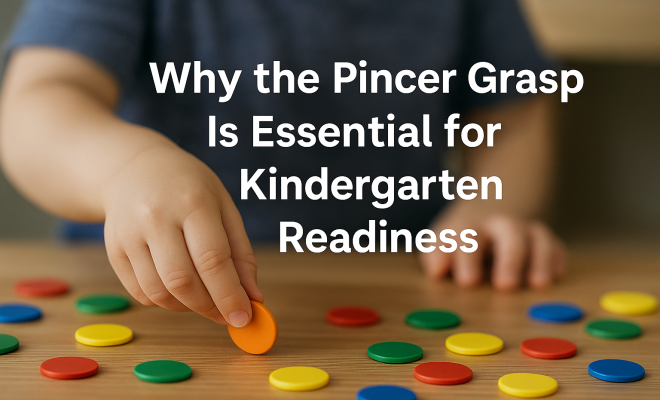
To appreciate the significance of the pincer grasp, it’s essential to understand what it is. The pincer grasp refers to the ability to hold small objects between the thumb and the index finger. This fine motor skill typically begins to develop around 9 to 12 months of age and is fully refined by the time a child is around 3 years old.
While it may seem like a simple action, the pincer grasp is a complex skill that involves coordination, dexterity, and strength. It allows children to engage in various activities, such as picking up small toys, manipulating utensils, and eventually writing. The development of this skill lays the groundwork for many tasks they will encounter in kindergarten and beyond.
The Importance of Hand Strength and Coordination
One of the primary reasons the pincer grasp is vital for kindergarten readiness is that it signifies adequate hand strength and coordination. Children with well-developed fine motor skills are generally more adept at handling classroom materials, ranging from crayons to scissors. This proficiency not only aids in their ability to participate in classroom activities but also boosts their confidence.
Research indicates that a strong pincer grasp can directly influence a child’s academic performance. Children who struggle with fine motor skills may find tasks like writing or drawing frustrating. As a result, they may become less inclined to engage in activities that promote learning, setting a negative cycle in motion. Therefore, fostering the development of the pincer grasp can be instrumental in enhancing a child’s overall learning experience.
How the Pincer Grasp Affects Early Learning
In kindergarten, children are required to perform a variety of tasks that demand fine motor skills. For instance, they may need to open containers, cut paper, and complete art projects. A proficient pincer grasp allows children to manipulate tools and materials effectively, supporting their engagement in these activities.
Moreover, the pincer grasp plays a role in early literacy. Writing, for instance, is not merely about holding a pencil; it requires a child to control it with precision. When children possess a well-established pincer grasp, they are better positioned to develop legible handwriting. Fine motor skills, including the ability to control a pencil or crayon, directly correlate to a child’s readiness to learn to read and write.
Practical Activities to Enhance the Pincer Grasp
Fostering the development of the pincer grasp in young children can be a fun and engaging process. Here are some hands-on activities that parents and educators can use to strengthen this crucial skill:
- Playdough Manipulation: Encourage children to roll, pinch, and flatten playdough. This activity not only strengthens their fingers but also enhances their creativity.
- Bead Stringing: Using large beads and string, children can practice threading. This activity requires precision and control, perfect for developing the pincer grasp.
- Scissor Practice: Providing children with child-safe scissors and paper can help them practice cutting along lines. This activity promotes hand strength and coordination.
- Picking Up Small Objects: Use tweezers or clothespins to pick up small objects like pom-poms or dried beans. This activity encourages the use of the thumb and index finger.
- Art Projects: Engage in activities that involve gluing, coloring, and cutting. These tasks require the use of fine motor skills and can be enjoyable learning experiences.
Signs of Underdevelopment in the Pincer Grasp
It’s crucial to be aware of the signs that may indicate a child is struggling with their pincer grasp. Children who have difficulty picking up small objects, show frustration when using utensils, or avoid activities that require fine motor skills may be lagging in this area. Early intervention can be key to addressing these challenges.
If a child is consistently displaying these signs, it might be beneficial to consult with a pediatric occupational therapist. These professionals can offer tailored exercises and strategies to help develop fine motor skills, including the pincer grasp. (See: importance of fine motor skills in infants.)
The Role of Parents and Educators
Both parents and educators play a vital role in supporting the development of fine motor skills in children. Parents can create an environment rich in opportunities for practice. Simple activities at home, such as helping with cooking or gardening, can provide valuable experiences that enhance the pincer grasp.
Educators, on the other hand, can incorporate fine motor skill development into their daily routines. Simple modifications in the classroom can make a significant difference. For example, offering a variety of writing tools, allowing for free art expression, and integrating play into learning can help cultivate these essential skills.
Current Trends in Early Childhood Education
As we look at current trends in early childhood education, there is a notable focus on play-based learning. This approach emphasizes the importance of unstructured play in developing various skills, including the pincer grasp. Through play, children naturally strengthen their fine motor abilities without the pressure of formal instruction.
Additionally, there is a growing recognition of the role that technology can play in fine motor development. Interactive apps and educational games can supplement traditional play, offering children the chance to engage their fingers in unique ways. However, it’s essential to balance screen time with hands-on activities to ensure children develop a well-rounded skill set.
The Impact of Technology on Fine Motor Skills
In a world increasingly dominated by screens, there are valid concerns regarding how technology affects children’s fine motor development. While some digital tools can promote hand-eye coordination, they often do not provide the same tactile feedback and muscle engagement as traditional play. Therefore, it’s crucial for parents and educators to evaluate the tools they use and ensure they are promoting physical engagement.
For instance, digital drawing apps can be a fun way for children to express creativity, but they should be complemented with activities that require using crayons or paintbrushes. Balancing technology with hands-on activities will foster a comprehensive development of the pincer grasp and other fine motor skills.
Frequently Asked Questions about the Pincer Grasp and Kindergarten Readiness
What age should my child start developing a pincer grasp?
The pincer grasp usually starts to develop between 9 and 12 months. By the age of 3, most children should have a well-defined pincer grasp that allows them to pick up small objects with ease.
How can I tell if my child is developing a strong pincer grasp?
Watch for signs such as the ability to pick up small objects like coins or beads, the use of thumb and index finger together, and comfort with using utensils while eating. If your child is engaging in activities that require pinching or grasping, they are likely developing this skill effectively.
What should I do if my child struggles with their pincer grasp?
If you notice consistent difficulties, consider consulting with a pediatric occupational therapist. They can provide targeted activities and strategies to help improve fine motor skills and strengthen the pincer grasp.
Are there specific toys that can help with developing the pincer grasp?
Absolutely! Toys that encourage grasping, pinching, and manipulation are excellent. Look for toys like building blocks, stacking rings, and lacing beads or threading toys that require the use of fingers in a pincer motion. (See: teaching fine motor skills to children.)
How important is fine motor skill development compared to other skills needed for kindergarten?
While all skills are important, fine motor skills like the pincer grasp are foundational for many tasks children will encounter in kindergarten, such as writing, cutting, and engaging with arts and crafts. These skills directly impact a child’s confidence and willingness to participate in classroom activities.
Can activities to enhance the pincer grasp be incorporated into daily routines?
Yes! Incorporating fine motor activities into daily routines is a great way to enhance skill development. Simple actions like helping with meal prep (tearing lettuce, squeezing lemons), sorting laundry, or engaging in arts and crafts can be fun ways to improve these skills.
The Path Forward
Understanding the significance of the pincer grasp in kindergarten readiness is essential for parents and educators alike. By recognizing the importance of fine motor skills, we can better equip our children for success in their educational journeys. Through purposeful play, supportive environments, and early interventions when needed, we can foster the development of the pincer grasp, ensuring that children are ready to tackle the challenges of kindergarten and beyond.
Encouraging Independence Through Motor Skill Development
As children master their pincer grasp, they also cultivate a sense of independence. This sense of self-reliance can significantly impact a child’s emotional and social development. For instance, when children can dress themselves, use utensils, or participate in self-feeding, they gain confidence in their abilities, which translates to other areas, including communication and interaction with peers.
Encouraging independence can also foster problem-solving skills. Children will become more resourceful when they can manipulate objects and tools effectively. They learn to overcome challenges like opening containers during snack time or using scissors for art, which builds resilience. This aspect of skill development is especially important in a kindergarten setting, where children are often expected to manage tasks on their own.
Comparative Analysis: Pincer Grasp vs. Other Fine Motor Skills
The pincer grasp is just one of several critical fine motor skills that contribute to kindergarten readiness. Understanding how it compares to other skills can provide deeper insight into the overall development of a child.
- Tripod Grip: Although similar to the pincer grasp, the tripod grip involves using the thumb, index, and middle fingers together. This grip is essential for writing and is typically developed around ages 4 to 5. Both skills complement each other, as a solid pincer grasp lays the groundwork for mastering the tripod grip.
- Hand-Eye Coordination: While the pincer grasp focuses on finger dexterity, hand-eye coordination encompasses the overall ability to control hand movements in response to visual stimuli. Activities like catching a ball or stringing beads improve both hand-eye coordination and fine motor skills, showcasing the interconnectedness of these abilities.
- Hand Dominance: Developing a strong pincer grasp is often linked to understanding hand dominance. Children typically establish a dominant hand by age 3, which can impact their ability to perform tasks efficiently. Encouraging activities that promote the use of both hands can aid in this understanding.
The Long-Term Benefits of Fine Motor Skill Development
The benefits of nurturing fine motor skills, particularly the pincer grasp, extend beyond kindergarten. Research has shown that children with strong fine motor skills often excel in later academic pursuits. They tend to demonstrate better problem-solving abilities, creativity, and overall cognitive function. A child skilled in manipulating small objects is likely to face fewer challenges as they progress through their educational journey.
Moreover, fine motor skills contribute to everyday tasks and activities as children grow older. From buttoning shirts to typing on a keyboard, the foundational skills developed through the pincer grasp influence a child’s ability to navigate through life. Therefore, investing time and effort in developing these skills during early childhood can yield benefits that last a lifetime.
Final Thoughts on Pincer Grasp and Readiness for Kindergarten
In a world that constantly evolves, ensuring that children are equipped with essential skills like the pincer grasp can feel overwhelming. However, it’s important to remember that development is a journey. Each child progresses at their own pace, and the key is to provide a supportive environment that fosters exploration and practice. With the right activities, encouragement, and interventions, every child can develop the fine motor skills they need to thrive in kindergarten and beyond.
Expert Perspectives on Pincer Grasp Development
Experts in child development emphasize the importance of early intervention when it comes to fine motor skills. Dr. Susan Johnson, a pediatric occupational therapist, explains, “The pincer grasp not only signifies a child’s ability to manipulate objects, but it also reflects their cognitive development. When children engage in activities requiring fine motor skills, they’re learning about cause and effect, problem-solving, and even social interactions.”
This view is echoed by Dr. Mark Thompson, a developmental psychologist, who adds, “Fine motor skills are foundational for academic success. Children who can manage tasks effectively are more likely to participate actively in classroom settings. It’s essential to provide both structured and unstructured opportunities for kids to practice these skills.”
Statistics on Fine Motor Skills and Academic Performance
Research highlights a strong correlation between fine motor skill development and academic success. A study published in the Journal of Early Childhood Research found that children with advanced fine motor skills scored significantly higher in literacy and math assessments compared to their peers. Specifically, children who demonstrated proficiency in their pincer grasp at ages 4-5 were 30% more likely to excel in reading comprehension tasks by the time they reached second grade.
Moreover, the American Academy of Pediatrics (AAP) reports that children with well-developed fine motor skills have a 25% greater likelihood of being engaged in school activities, leading to higher retention rates and academic performance.
Integrating Pincer Grasp Activities in Daily Routines
Incorporating activities to enhance the pincer grasp into everyday life doesn’t have to be daunting. Simple tasks can be turned into engaging activities that promote fine motor development:
- Cooking Together: Invite your child to help with cooking tasks such as tearing lettuce for a salad or squeezing citrus fruits. These actions not only improve their pincer grasp but also involve them in healthy eating habits.
- Gardening: Planting seeds or pulling weeds can enhance hand strength and coordination. Children can practice using their fingers to dig small holes and place seeds, which encourages exploration and appreciation for nature.
- Sorting Activities: Use buttons, coins, or other small objects for sorting games. Ask your child to separate items by color or size, utilizing their pincer grasp while developing cognitive skills.
- Art Supplies: Provide opportunities for your child to use various art materials like stickers, stamps, and small paintbrushes. This not only develops fine motor skills but also encourages artistic expression.
Adapting Fine Motor Skill Activities for Different Ages
Understanding that each child develops at their own pace is crucial. Here’s how to adapt fine motor activities based on age:
- Infants (6-12 months): Encourage reaching for and grasping small toys. Soft blocks and textured toys can promote sensory exploration.
- Toddlers (1-3 years): Introduce activities like stacking blocks, simple puzzles, or using large crayons for scribbling. These tasks promote hand-eye coordination and strengthen the pincer grasp.
- Preschoolers (3-5 years): Engage them with more complex tasks like threading large beads, using safety scissors, and participating in simple cooking tasks to refine their skills further.
- Kindergartners (5-6 years): Focus on more precise tasks such as writing letters, cutting along lines, or engaging in detailed art projects to prepare them for the demands of school.
The Role of Play in Developing the Pincer Grasp
Play is fundamental in helping children develop their pincer grasp. Activities that may seem frivolous often serve a greater purpose in reinforcing fine motor skills:
- Outdoor Play: Climbing, swinging, and manipulating outdoor toys can enhance a child’s grip and overall hand strength.
- Creative Play: Crafting with beads, finger painting, or using modeling clay can promote dexterity while allowing children to express their creativity.
- Board Games: Games that involve picking up and placing pieces can be fun ways to practice fine motor skills while socializing with peers.
“`
Trending Now
Frequently Asked Questions
Why is the pincer grasp important for kindergarten readiness?
The pincer grasp is crucial for kindergarten readiness as it reflects a child's hand strength and coordination. This fine motor skill enables them to handle classroom materials effectively, boosting their confidence and academic performance. Children with well-developed pincer grasps are better prepared for tasks like writing and drawing, which are essential in a structured learning environment.
What age does the pincer grasp develop?
The pincer grasp typically begins to develop between 9 to 12 months of age and is usually refined by around 3 years old. This skill is essential for performing tasks that require fine motor control, which are increasingly important as children prepare for kindergarten.
How can I help my child develop a pincer grasp?
To help your child develop a pincer grasp, encourage activities that involve picking up small objects, such as using tweezers, sorting beads, or playing with small toys. Simple tasks like opening jars or manipulating playdough can also strengthen their fingers and improve coordination, laying the groundwork for kindergarten readiness.
What activities promote fine motor skills for preschoolers?
Activities that promote fine motor skills in preschoolers include coloring, cutting with safety scissors, stringing beads, and playing with clay. These activities encourage the development of the pincer grasp and overall hand coordination, which are essential for tasks they will encounter in kindergarten.
What are the signs of a weak pincer grasp?
Signs of a weak pincer grasp include difficulty picking up small objects, frustration with writing or drawing tasks, and a tendency to use their whole hand rather than the thumb and index finger. If you notice these signs in your child, it may be beneficial to engage them in activities that strengthen their fine motor skills.
What did we miss? Let us know in the comments and join the conversation.