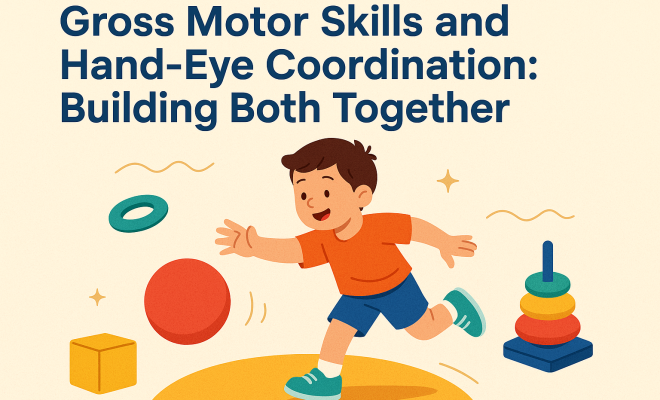
Gross Motor Skills and Hand-Eye Coordination: Building Both Together
“`html
When it comes to childhood development, few concepts are as pivotal as gross motor skills and hand-eye coordination. These skills are crucial not only for physical activities but also play a significant role in cognitive development, social interactions, and overall health. Yet, many parents and educators may not fully understand how these two areas interconnect or how to effectively cultivate them in children. This article delves into the nuances of gross motor skills and hand-eye coordination, exploring their significance, the ways they complement each other, and practical strategies for fostering both in young learners.
Understanding Gross Motor Skills
Gross motor skills refer to the abilities required to control the large muscles of the body for activities such as walking, running, jumping, and climbing. These skills are foundational for physical activity and are typically developed in the early years of a child’s life. They involve movements that allow for coordination and balance, laying the groundwork for more complex movements and activities.
During infancy, gross motor skills develop rapidly as babies learn to roll over, sit up, crawl, and eventually walk. According to the Centers for Disease Control and Prevention (CDC), by the age of two, children typically can run, kick a ball, and climb onto furniture. This progression is not just about moving; it also enhances their spatial awareness and confidence.
What Are Hand-Eye Coordination Skills?
Hand-eye coordination is the ability to coordinate visual input with motor output. It plays a crucial role in tasks that require the eyes to guide the hands in performing activities, such as catching a ball, writing, or using tools. This skill develops as children interact with their environment, learning to reach for objects, grasp them, and manipulate them with precision.
Research indicates that hand-eye coordination begins to develop in infancy, as babies learn to reach for and grasp toys. By the time children reach preschool age, they typically demonstrate improved coordination through more complex tasks like drawing, cutting with scissors, and playing sports. The importance of hand-eye coordination extends beyond physical activities; it also influences academic performance, particularly in subjects like math and science, where fine motor control and visual processing are essential.
The Interconnection Between Gross Motor Skills and Hand-Eye Coordination
At first glance, gross motor skills and hand-eye coordination may seem distinct; however, they are intricately linked in many ways. Developing strong gross motor skills can enhance hand-eye coordination, and vice versa. For example, when a child participates in activities that require running and catching a ball, they are simultaneously honing their gross motor skills while also improving their hand-eye coordination.
Moreover, the development of one skill set often supports the advancement of the other. Activities that engage large muscle groups can also necessitate the use of precise hand movements, which helps solidify the connection between these skills. For instance, playing catch requires a child to run, jump, and throw, all of which involve gross motor skills while also demanding hand-eye coordination to catch the ball accurately.
Why Are These Skills Important?
The development of gross motor skills and hand-eye coordination is crucial for a myriad of reasons:
- Physical Health: Strong gross motor skills encourage physical activity, which is essential for maintaining a healthy weight and reducing the risk of chronic illnesses.
- Social Skills: Many games and sports that require coordination foster teamwork and social interaction, helping children develop vital communication and social skills.
- Cognitive Development: These skills are linked to cognitive abilities, including problem-solving and spatial awareness, which are necessary for academic success.
- Self-Esteem: Mastering new skills boosts confidence and encourages children to take on new challenges, contributing to their overall self-esteem.
Practical Strategies to Develop Gross Motor Skills and Hand-Eye Coordination
So how can parents and educators effectively foster these skills? Here are eight practical strategies to consider: (See: CDC milestones for child development.)
1. Engage in Outdoor Play
Outdoor play is an excellent way to enhance both gross motor skills and hand-eye coordination. Activities like running, jumping, and climbing not only promote physical fitness but also improve coordination. Encourage children to participate in games like tag, obstacle courses, or even simple activities like throwing and catching a ball. These playful experiences can significantly bolster their skills while keeping them active.
2. Use Manipulative Toys
Manipulative toys such as building blocks, puzzles, and construction sets can significantly enhance gross motor skills and hand-eye coordination. As children lift, stack, and arrange these items, they practice precise movements that develop both skill sets. Look for toys that encourage reaching, balancing, and fine motor manipulation to create engaging learning experiences.
3. Incorporate Dance and Movement Activities
Dance is a fun way to develop gross motor skills and coordination. Whether it’s ballet, hip-hop, or folk dancing, rhythm and movement require spatial awareness and control. Enrolling children in dance classes provides structured opportunities to practice these skills while also promoting creativity and self-expression.
4. Encourage Sports and Physical Activities
Sports like soccer, basketball, and gymnastics require coordination, balance, and strength — all essential components of gross motor skills and hand-eye coordination. Encourage children to participate in team sports or classes that focus on developing these abilities. Not only do sports provide physical benefits, but they also teach valuable lessons about teamwork and perseverance.
5. Practice Arts and Crafts
Creative activities like drawing, painting, cutting, and gluing are excellent for enhancing hand-eye coordination. These tasks require precise control and focus, which help refine motor skills. Set aside time for arts and crafts sessions, or create themed projects that will engage children’s interest while promoting skill development.
6. Incorporate Technology Wisely
While excessive screen time can be detrimental, using technology wisely can support the development of gross motor skills and hand-eye coordination. Many educational apps and games are designed to promote physical activity and coordination through interactive play. Consider using augmented reality games that require movement or games that involve physical challenges to create engaging learning experiences.
7. Encourage Participation in Gymnastics
Gymnastics is fantastic for developing both gross motor skills and hand-eye coordination. It incorporates various movements, from balancing and jumping to rolling and swinging, all of which strengthen muscle groups and improve coordination. Many local gyms offer introductory classes for young children, making it a great option for parents looking to enhance their child’s development.
8. Foster a Supportive Environment
Creating a supportive environment for skill development is crucial. Encourage children to take on new challenges and praise their efforts, regardless of the outcome. Setting realistic expectations and recognizing progress can build confidence and motivate them to keep trying. Additionally, being active alongside them can create a shared experience that fosters bonding and reinforces skill development.
Current Relevance and Trends
In light of the COVID-19 pandemic, many children have faced disruptions in their routine, leading to a decline in physical activity levels. Studies show that prolonged screen time and reduced outdoor play have negatively impacted both gross motor skills and hand-eye coordination in children. As schools and communities work to promote physical health, understanding the importance of these skills is more relevant than ever.
Educators and parents must be proactive in creating opportunities for children to develop these essential skills. Integrating physical activities into daily routines and promoting active play can help combat the sedentary lifestyle that has become more common during recent years. (See: WHO fact sheet on physical activity.)
Expert Perspectives on Skill Development
Experts in child development emphasize the interconnected nature of gross motor skills and hand-eye coordination. Dr. Susan Jones, a child psychologist, asserts, “The development of gross motor skills and hand-eye coordination is foundational for children’s overall growth. Activities that allow for movement and exploration not only build physical abilities but also cognitive skills necessary for success in school and life.”
Physical therapists also advocate for the importance of these skills. According to pediatric occupational therapist, Mark Thompson, “Children who struggle with coordination may face challenges in school, which can impact their confidence and willingness to participate in activities. Early intervention and practice can make a significant difference.”
Common Challenges in Developing Gross Motor Skills and Hand-Eye Coordination
As children grow, they may face various challenges in developing gross motor skills and hand-eye coordination. Identifying these challenges early can help parents and educators provide the necessary support. Common issues include:
- Delayed Development: Some children may exhibit delays in gross motor skills or hand-eye coordination, which could be indicative of underlying developmental concerns. Early assessment and intervention can be crucial.
- Environmental Factors: Limited access to safe play areas or physical activity can hinder development. Ensuring children have appropriate spaces for movement is essential.
- Lack of Opportunities: A lack of exposure to diverse activities can limit a child’s skillset. Encouraging a variety of play can enhance both gross motor and hand-eye coordination.
- Social Anxiety or Fear: Some children may be hesitant to engage in physical activities due to fear of failure or being judged. Building a supportive environment can help mitigate these feelings.
Statistics on Gross Motor Skills and Hand-Eye Coordination
Understanding the prevalence and significance of gross motor skills and hand-eye coordination in childhood can be further illuminated through statistics:
- According to a study published in the journal “Developmental Medicine & Child Neurology,” approximately 10-15% of preschool children exhibit difficulties with motor skills, impacting their participation in daily activities.
- A survey conducted by the American Academy of Pediatrics found that 60% of children aged 2-5 years do not engage in the recommended amount of daily physical activity, which includes activities that enhance gross motor skills.
- Research from the National Association for Sport and Physical Education indicates that children who participate in organized sports show a significant improvement in both gross motor skills and hand-eye coordination compared to their peers who do not participate in such activities.
FAQs about Gross Motor Skills and Hand-Eye Coordination
What age do gross motor skills and hand-eye coordination begin to develop?
Gross motor skills and hand-eye coordination begin to develop in infancy. Babies start to roll over, sit up, and crawl around 6-12 months, with hand-eye coordination becoming more pronounced as they reach for and grasp objects.
Can gross motor skills and hand-eye coordination be improved later in life?
Yes, while early childhood is a critical time for developing these skills, they can still be improved later in life through targeted exercises and activities. Adults can benefit from physical activities that enhance coordination, such as dance, sports, or even specific physical therapy exercises.
How can parents support their child’s development at home?
Parents can support their child’s development by providing ample opportunities for physical play, using manipulative toys, and encouraging activities that require coordination, like arts and crafts. Engaging in these activities together can foster a positive environment for skill-building.
What should I do if I’m concerned about my child’s development?
If you have concerns about your child’s gross motor skills or hand-eye coordination, consider consulting with a pediatrician or a child development specialist. Early assessment and intervention can provide valuable support and resources.
Are there any specific activities adults can do to improve their own coordination?
Absolutely! Adults can engage in various activities to improve coordination, such as yoga, dance classes, martial arts, or even recreational sports like tennis or badminton. These activities not only enhance physical capabilities but can also be enjoyable and social. (See: NIH resources on gross motor skills.)
Enhancing Skill Development Through Structured Programs
Many communities offer structured programs aimed at enhancing both gross motor skills and hand-eye coordination in children. These programs can take various forms, such as organized sports leagues, dance classes, or gymnastics. Such environments not only provide children with expert instruction but also allow for social interaction, which can further aid in their development. For instance, local community centers often have summer camps or after-school programs focused on physical activity, which can provide children with the chance to explore different types of movement and coordination.
Integrating Gross Motor Skills and Hand-Eye Coordination into Daily Routines
Incorporating activities that promote gross motor skills and hand-eye coordination into daily routines can be straightforward. For example, families can build physical activity into their everyday lives by choosing to walk or bike to nearby locations instead of driving. Simple household chores, like sweeping or gardening, can be turned into fun activities that also enhance motor skills. During family game nights, consider including games that require physical movement or coordination, such as charades or twister.
The Importance of Play in Skill Development
Play is a fundamental aspect of childhood that serves as a natural avenue for developing gross motor skills and hand-eye coordination. Unstructured playtime allows children to experiment with their bodies and learn through trial and error. Whether it’s climbing on playground equipment, riding a tricycle, or engaging in imaginative play that involves movement, these experiences are essential for skill development. Parents can support this by providing a variety of play opportunities, ensuring that children have access to different environments and materials that encourage movement and coordination.
Long-term Benefits of Developing Gross Motor Skills and Hand-Eye Coordination
Investing time and effort into developing gross motor skills and hand-eye coordination can yield long-term benefits beyond childhood. Children who master these skills are more likely to engage in physical activities and sports as they grow older, leading to healthier lifestyles and reduced risk of obesity and related health issues. Furthermore, the confidence gained from physical competence often translates into other areas of life, including academic success and social interactions. As children grow into adults, strong motor skills can enhance their performance in various tasks, from driving a car to excelling in careers that require precise physical coordination.
The Role of Nutrition in Physical Skill Development
While physical activity is crucial for developing gross motor skills and hand-eye coordination, proper nutrition also plays a vital role. A balanced diet that includes essential nutrients supports muscle growth, energy levels, and overall health, which can enhance physical abilities. Foods rich in omega-3 fatty acids, such as fish, nuts, and seeds, have been linked to improved brain function and coordination. Parents should prioritize healthy eating habits alongside physical activities to create a holistic approach to their child’s development.
Conclusion: The Path Forward
Building gross motor skills and hand-eye coordination together is not just about fostering physical abilities; it encompasses a holistic approach to child development. By engaging children in diverse activities—ranging from outdoor play to sports and creative crafts—parents and educators can play a pivotal role in nurturing these essential skills. As we move forward in a world that increasingly emphasizes physical and mental well-being, prioritizing these foundational skills can set children on a path toward success in all areas of life.
“`
Trending Now
Frequently Asked Questions
What are gross motor skills in children?
Gross motor skills involve the coordination of large muscle groups to perform activities such as walking, running, jumping, and climbing. These skills are essential for physical development and typically emerge in early childhood, laying the foundation for more complex movements and overall physical activity.
How do gross motor skills and hand-eye coordination relate?
Gross motor skills and hand-eye coordination are interconnected, as both involve coordination and balance. Developing gross motor skills enhances a child's ability to engage in activities that require hand-eye coordination, such as catching a ball or writing, ultimately supporting their overall physical and cognitive development.
At what age do children develop gross motor skills?
Children typically begin developing gross motor skills during infancy, with significant milestones occurring by age two. By this age, most children can run, kick a ball, and climb onto furniture, showcasing their physical abilities and spatial awareness.
What activities can improve hand-eye coordination in children?
Activities that promote hand-eye coordination include catching and throwing balls, playing with building blocks, drawing, and using tools. Engaging in these activities helps children refine their ability to coordinate visual input with motor output, which is crucial for many everyday tasks.
Why are gross motor skills important for child development?
Gross motor skills are vital for a child's physical health, enabling them to engage in various physical activities. They also contribute to cognitive development, social interactions, and overall confidence, as children learn to navigate their environment and participate in group activities.
Have you experienced this yourself? We’d love to hear your story in the comments.