How Semantic Language Disorders Affect Reading Comprehension
“`html
Understanding Semantic Language Disorders
Semantic language disorders are a type of communication disorder where individuals struggle with understanding and using words appropriately. This impairment can significantly impact various aspects of daily life, especially reading comprehension—a critical skill that forms the foundation for effective learning across subjects. In this article, we’ll delve into how semantic language disorders affect reading comprehension, explore practical implications, and offer strategies for support.
What Are Semantic Language Disorders?
Semantic language disorders refer to difficulties related to the meaning of language. Individuals with this type of disorder may find it hard to grasp the meanings of words, phrases, and sentences, thereby impacting their ability to process language effectively. This disorder can manifest in several ways, including:
- Difficulty understanding abstract concepts or idiomatic expressions.
- Challenges with vocabulary acquisition.
- Struggles to connect words to their meanings.
- Inability to comprehend the overall message in a conversation or written text.
These challenges in semantics can stem from various causes, including neurological conditions, developmental disorders, or acquired brain injuries. It’s essential to understand the underlying factors contributing to semantic language disorders for effective intervention.
The Link Between Semantic Language Disorders and Reading Comprehension
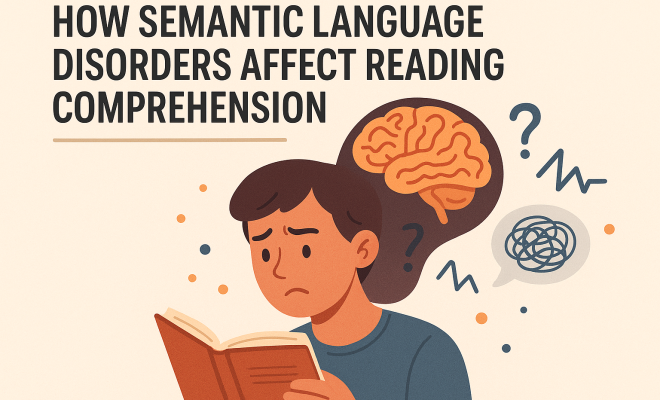
Reading comprehension relies heavily on semantic understanding. When a child encounters a text, they must decode the words and grasp their meanings to derive the overall message. However, for individuals with semantic language disorders, this process can become overwhelmingly complex. Here’s how the disorder affects reading comprehension:
- Decoding Challenges: Children with semantic language disorders often struggle with phonological awareness, making it difficult for them to decode words accurately. When they cannot sound out words, they face barriers in understanding the text.
- Vocabulary Limitations: A limited vocabulary directly impacts reading comprehension. If a child does not understand key terms used in a text, they will struggle to grasp the overall meaning, leading to confusion and frustration.
- Inability to Infer Meaning: Making inferences is crucial for understanding and interpreting text, especially when it comes to implied meanings or themes. Children with semantic disorders may find it difficult to read between the lines, missing out on deeper understanding.
- Difficulty with Contextual Clues: Context plays a significant role in understanding language. Those with semantic language disorders may not effectively utilize contextual clues to deduce meanings, resulting in misinterpretation of texts.
These aspects underscore the need for targeted interventions that address the specific difficulties associated with semantic language disorders.
Impact on Academic Performance
The repercussions of semantic language disorders extend beyond reading comprehension. These challenges can lead to broader academic struggles, affecting performance across subjects. Here are a few concrete examples:
- Difficulty in Writing: Expressive language skills can be hindered, making it challenging for students to articulate their thoughts clearly in writing. This limitation can lead to reduced performance in essays, reports, and even standardized tests.
- Challenges in Following Instructions: Understanding multi-step directions in class or during assessments can pose a significant hurdle, leading to incomplete tasks or mistakes.
- Social Interactions: Semantic language disorders can impair social communication skills. Struggling to comprehend humor, idioms, or figurative language can result in social withdrawal or difficulty forming friendships.
In essence, the challenges faced by students with semantic language disorders can hinder their overall academic trajectory, necessitating appropriate support measures.
Recognizing Symptoms Early
Early identification of semantic language disorders is crucial for effective intervention. Parents and educators should be vigilant for the following signs: (See: National Institute of Child Health and Human Development.)
- Consistent difficulty following age-appropriate conversations.
- Frequent misunderstandings of jokes, idioms, or expressive language.
- Limited vocabulary compared to peers.
- Struggles with reading comprehension, especially in understanding key details.
- A tendency to avoid reading or writing activities.
If any of these signs are evident, seeking an evaluation from a speech-language pathologist (SLP) can provide insight into the child’s specific challenges and needs.
Strategies for Supporting Reading Comprehension
Supporting a child with semantic language disorders requires a multi-faceted approach. Here are some effective strategies that can assist in improving reading comprehension:
- Explicit Vocabulary Instruction: Teaching vocabulary in context can help children grasp meanings more effectively. Use graphic organizers, visual aids, or multimedia resources to reinforce understanding.
- Encourage Reading Aloud: Reading aloud encourages engagement with the text. It can help children hear the rhythms of language and reinforce word meanings through auditory processing.
- Use Visual Supports: Incorporate visuals like pictures, diagrams, or infographics to aid comprehension. Visual supports help provide context and enhance understanding.
- Break Down Texts: Simplifying complex texts into smaller, more manageable sections can aid in comprehension. Encourage the child to summarize each section as they read.
- Discuss Texts: Engaging in discussions after reading can reinforce understanding. Ask open-ended questions that prompt the child to think critically about the text.
Implementing these strategies can create a supportive environment that fosters better comprehension skills over time.
The Role of Speech-Language Pathologists
Speech-language pathologists play an essential role in assessing and treating semantic language disorders. They develop individualized therapy plans tailored to the needs of each child. Through targeted interventions, SLPs can help children improve their vocabulary, enhance their comprehension skills, and develop effective communication strategies.
Intervention may include:
- One-on-one therapy sessions focusing on specific language skills.
- Group therapy to enhance social communication.
- Collaboration with teachers and families to provide a holistic support system.
Engaging SLPs early in the process can make a significant difference in a child’s educational trajectory.
Current Research and Trends
Research on semantic language disorders continues to evolve, with studies focusing on a variety of aspects, including innovative intervention techniques and the neurological underpinnings of these disorders. Current trends indicate a growing emphasis on:
- Integrating technology in language therapy—using apps and digital resources to make learning more interactive.
- Understanding the impact of semantic disorders in bilingual children, as these cases may present unique challenges.
- Exploring the connection between semantic language disorders and other learning disabilities, such as dyslexia.
Staying abreast of these developments is essential for educators, parents, and practitioners who work with children facing these challenges.
Creating an Inclusive Learning Environment
Creating an inclusive educational environment is vital for children with semantic language disorders. This can be achieved through:
- Fostering a culture of acceptance where differences are acknowledged and respected.
- Providing professional development for teachers on recognizing and accommodating students with communication disorders.
- Implementing flexible teaching strategies that cater to various learning styles.
By embracing inclusion, educators can help ensure that all students, regardless of their communication abilities, have equal opportunities to succeed academically.
The Emotional and Social Impacts
Aside from academic challenges, semantic language disorders can lead to significant emotional and social consequences for affected individuals. Communication is a central aspect of social interactions, and difficulties in understanding or expressing language can lead to feelings of isolation, frustration, and low self-esteem. Children might struggle to engage in conversations, share their thoughts, or connect with peers, which can hinder their social development. (See: CDC on language development and disorders.)
Research suggests that children with semantic language disorders are at a higher risk for developing anxiety and depression. A study conducted by the American Speech-Language-Hearing Association (ASHA) found that children with language disorders often report lower self-confidence in social settings compared to their peers.
To mitigate these emotional challenges, it’s essential to foster a supportive environment where children feel safe to express themselves. Encouraging participation in social skills groups or extracurricular activities can enhance their social interaction skills and boost their confidence.
Expert Perspectives on Management and Intervention
Experts in the field emphasize the importance of early intervention and a collaborative approach to managing semantic language disorders. Dr. Linda R. McCall, a renowned speech-language pathologist, states, “Early diagnosis and intervention are crucial. The sooner we can implement strategies tailored to the child’s needs, the better their chances for improvement.”
Additionally, multidisciplinary approaches can provide a comprehensive support system. Occupational therapists, psychologists, and educators should work together to create individualized intervention plans. This collaboration ensures that strategies are not only effective in speech therapy sessions but also applicable in classroom settings and at home.
Statistics and Findings
Understanding the prevalence and impact of semantic language disorders can help in raising awareness and enabling better support systems. According to the National Center for Learning Disabilities, approximately 5-10% of children in the United States experience some form of language disorder, with semantic language disorders being among the most common. Furthermore, research shows that:
- About 20% of children with language disorders also face difficulties in reading comprehension.
- Approximately 40% of children with semantic language disorders struggle with social interactions and peer relationships.
- Early intervention can increase the likelihood of improved communication skills by 50% or more.
Frequently Asked Questions (FAQ)
What causes semantic language disorders?
Semantic language disorders can arise from a variety of factors, including genetic influences, neurological conditions, developmental delays, or environmental influences like exposure to limited language experiences during early childhood.
How are semantic language disorders diagnosed?
A speech-language pathologist conducts a comprehensive evaluation that may include standardized tests, informal assessments, and observations of the child’s communication in different settings. This evaluation helps in determining the specific areas of difficulty.
What types of interventions are most effective?
Interventions that focus on vocabulary enhancement, contextual understanding, and verbal reasoning typically yield the best results. Strategies that involve multisensory learning, such as using visuals and hands-on activities, can also be beneficial.
Can children outgrow semantic language disorders?
While some children may show significant improvement over time, particularly with early intervention, others may continue to experience challenges. Ongoing support may be necessary into adolescence and adulthood.
How can parents support a child with semantic language disorders at home?
Parents can create a rich language environment by engaging in meaningful conversations, reading together, and encouraging storytelling. Providing opportunities for social interactions with peers can also help children practice and improve their language skills.
What role does technology play in treatment?
Technology can enhance language therapy through interactive apps and software that focus on vocabulary development, comprehension skills, and communication strategies. These tools can make learning more engaging and accessible for children.
How can teachers adapt the curriculum for students with semantic language disorders?
Teachers can modify their lesson plans by using simplified language, visual aids, and hands-on activities. Incorporating cooperative learning groups can also allow students to collaborate and learn from peers, facilitating better understanding and engagement.
Are there specific resources for parents and teachers?
Yes, various resources are available, including organizations like ASHA, which provide educational materials and support networks. Many websites also offer free tools, worksheets, and strategies specifically designed for children with language disorders.
The Future of Research and Interventions
The field of semantic language disorders is continuously evolving. Researchers are looking into the effectiveness of new therapies, such as teletherapy, which allows SLPs to work with children remotely. This method can increase access to services, especially in underserved populations. Additionally, there’s a growing interest in understanding how semantic language disorders manifest across different cultures and languages, which may lead to more culturally relevant intervention strategies.
Another area of focus is the neural basis of semantic processing. As advanced imaging techniques become more sophisticated, researchers are beginning to explore how brain structures relate to semantic language abilities. This knowledge could lead to targeted therapies that address the specific neurological factors affecting language comprehension and use.
As we look to the future, community awareness and advocacy will also play a crucial role. Educators, parents, and policymakers must work together to ensure that children with semantic language disorders have access to the resources and support they need to thrive.
Conclusion
Semantic language disorders can significantly impede reading comprehension, impacting various facets of a child’s academic and social life. Recognizing the signs early, implementing effective support strategies, and collaborating with professionals are critical steps in addressing the challenges posed by this disorder. By fostering understanding and creating inclusive environments, we can help children overcome the barriers of semantic language disorders and unlock their potential for academic success.
“`
Trending Now
Frequently Asked Questions
What are the symptoms of semantic language disorders?
Symptoms of semantic language disorders include difficulty understanding abstract concepts, challenges with vocabulary acquisition, struggles to connect words to meanings, and an inability to comprehend the overall message in conversations or written texts. These symptoms can vary in severity and impact communication and learning.
How do semantic language disorders impact reading skills?
Semantic language disorders significantly impact reading skills by hindering a child's ability to decode words and understand their meanings. This lack of semantic understanding can lead to difficulties in grasping the overall message of a text, making reading comprehension a challenging task.
What causes semantic language disorders?
Semantic language disorders can arise from various causes, including neurological conditions, developmental disorders, or acquired brain injuries. Understanding these underlying factors is crucial for effective intervention and support for affected individuals.
What strategies can help children with semantic language disorders?
Effective strategies for helping children with semantic language disorders include using visual aids, engaging in vocabulary-building activities, providing explicit instruction on word meanings, and encouraging discussions about texts to enhance comprehension. Tailored support can greatly improve their communication and reading skills.
Can semantic language disorders be treated?
Yes, semantic language disorders can be treated through targeted interventions, such as speech therapy, which focuses on improving language comprehension and vocabulary skills. Early diagnosis and support are essential for helping individuals overcome challenges and enhance their communication abilities.
Have you experienced this yourself? We’d love to hear your story in the comments.