Fine Motor Skills Activities for Preschool: Preparing for Kindergarten
“`html
Fine motor skills are essential for children’s development, particularly as they prepare to enter kindergarten. These skills involve the small muscles in the hands and fingers, allowing children to perform tasks like writing, buttoning clothes, and using scissors. Engaging in fine motor skills activities in preschool can significantly enhance a child’s dexterity and coordination, setting them up for success in more complex tasks later on. This article explores various activities designed to strengthen fine motor skills, ensuring preschoolers are well-prepared for the challenges of kindergarten.
Understanding Fine Motor Skills
Before diving into specific activities, it’s crucial to understand what fine motor skills entail. These are intricate movements that require control and precision. Activities that promote these skills can help children with tasks such as grasping small objects, manipulating tools, and performing intricate movements.
For preschoolers, fine motor skill development is not just about physical abilities; it’s also closely tied to cognitive and social development. As they improve their dexterity, children gain confidence, which can enhance their willingness to engage with peers and participate in group activities.
Why Fine Motor Skills Matter for Kindergarten Readiness
Many parents and educators may wonder why focusing on fine motor skills activities in preschool is so critical. Research indicates that fine motor skills are closely linked to later academic success. Children with strong fine motor abilities are better equipped to handle classroom tasks like writing, drawing, and even using technology effectively.
Moreover, fine motor skills contribute to self-care skills, such as dressing, eating, and hygiene. As children learn to manage these activities independently, they gain a sense of autonomy and self-esteem, which are vital for their overall development.
Identifying Key Fine Motor Skills
To create effective activities, it’s essential to identify which fine motor skills need focus. These include:
- Grasping: The ability to hold and manipulate small objects.
- Hand-eye coordination: The ability to coordinate visual input with hand movements.
- Pinching: Using the thumb and finger to pick up or hold small items.
- Cutting: Using scissors to cut along lines or simple shapes.
- Writing: Holding a pencil or crayon with the correct grip.
- Threading: Inserting objects onto strings, helping improve dexterity.
Focusing on these specific skills can help tailor activities that will yield the best results for preschool-aged children.
Activities to Enhance Fine Motor Skills
Now, let’s explore some engaging fine motor skills activities preschool educators and parents can implement. Each of these activities not only promotes the necessary skills but also ensures children remain engaged and excited about learning.
1. Playdough Fun
Playdough is a versatile and delightful material for developing fine motor skills. Through squeezing, rolling, pinching, and cutting, children can strengthen their hand muscles and coordination.
To maximize benefits, encourage children to create various shapes and figures. You can also introduce tools like cookie cutters, rolling pins, or even plastic utensils to extend the activity. Invite them to make letters, numbers, or simple objects, intertwining play with learning.
2. Bead Stringing
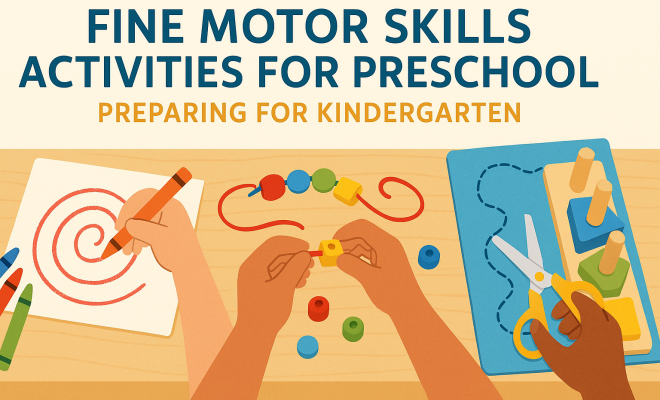
Stringing beads onto a shoelace or a piece of yarn is another fantastic fine motor skills activity for preschool. This task not only challenges their dexterity but also enhances their hand-eye coordination. You can use large beads for younger children and gradually introduce smaller ones as they improve.
Encouraging patterns adds an educational twist, as children can learn about colors and sequences while developing their fine motor skills. Try to create themes, such as making a necklace for a friend or a bracelet for a family member.
3. Scissor Skills
Introducing scissors at an early age can help children become familiar with cutting techniques. Start with safety scissors designed for little hands, and provide them with various materials, such as paper and cardboard. (See: CDC milestones for child development.)
Begin by teaching children to cut straight lines, then progress to zigzag patterns, and eventually more complex shapes. To make it fun, provide them with worksheets featuring shapes they can cut out and decorate afterward.
4. Sensory Bins
Sensory bins can be a treasure trove for fine motor development. Fill a bin with various materials like rice, beans, sand, or water beads. Incorporate tools like scoops, tweezers, and small containers for children to explore.
As children dig, pour, and sift through the materials, they engage their hands and fingers in a variety of movements. This activity not only boosts fine motor skills but also encourages sensory exploration and imaginative play.
5. Painting and Drawing
Whether it’s with finger paints, brushes, or crayons, art activities are perfect for developing fine motor skills. Encourage children to experiment with different strokes and techniques, which helps them gain control over their movements.
You can also incorporate activities like tracing letters or shapes in sand or flour, which adds an element of fun while reinforcing writing skills. This not only enhances their artistic expression but also prepares them for writing tasks in kindergarten.
6. Puzzle Play
Puzzles are excellent for fine motor development as they require children to manipulate pieces with precision. Start with large, chunky pieces for younger preschoolers, and gradually increase the complexity as their skills develop.
Encourage them to fit pieces together and celebrate their achievements. This activity not only fosters fine motor skills but also promotes problem-solving abilities and patience.
7. Everyday Tasks
Incorporating fine motor skills into daily routines can be incredibly effective. Involve your preschooler in simple tasks such as setting the table, buttoning their shirts, or zipping their jackets. These activities may seem mundane, but they provide invaluable opportunities for practice.
By making these tasks part of their daily life, children can enhance their fine motor skills while gaining a sense of responsibility and independence.
Creating a Supportive Environment
Setting up an environment that encourages fine motor skills development is crucial. Parents and educators should ensure that children have access to a variety of materials and tools that promote these skills. Here are some tips for creating an effective environment:
- Accessibility: Keep materials within reach so children can explore freely.
- Variety: Provide a range of activities that cater to different interests and skill levels.
- Encouragement: Offer praise and support as children engage in fine motor skill activities.
- Patience: Allow children to progress at their own pace. Celebrate small achievements.
When children feel supported and encouraged, they are more likely to engage enthusiastically in fine motor skills activities.
Incorporating Fine Motor Skills into Daily Routines
To truly help preschoolers develop fine motor skills, it’s vital to incorporate them into their everyday lives. Here are some practical strategies:
- Cooking: Involve children in food preparation. Let them wash vegetables, tear lettuce, or sprinkle toppings.
- Gardening: Allow children to plant seeds, dig in the dirt, and water plants. These activities promote hand strength.
- Crafting: Provide opportunities for cutting, gluing, and assembling projects. Encourage creativity while strengthening skills.
- Games: Play games that require dexterity, like stacking blocks or playing with toys that require manipulation.
By consistently integrating fine motor skills into daily activities, children will build confidence and capability as they approach kindergarten.
Monitoring Progress and Adjusting Activities
As children engage in fine motor skills activities, it’s essential to monitor their progress. This can be done by observing their abilities during activities, noting improvements over time, and making adjustments as necessary. (See: NIH resources on learning and development.)
If a particular activity seems too easy or challenging, don’t hesitate to modify it. The goal is to provide just the right amount of challenge to keep children engaged without causing frustration. Regularly engaging with children about their experiences can also provide insight into what they enjoy and where they may need additional support.
Fun Facts About Fine Motor Skills
Understanding the importance of fine motor skills can be enhanced with some interesting facts:
- Did you know that fine motor skills develop alongside gross motor skills? As children learn to walk and move around, their hand skills also begin to mature.
- Research shows that children who engage in fine motor activities from a young age often excel in their academic pursuits, particularly in subjects like math and science.
- Children who struggle with fine motor skills may find certain school-related tasks overwhelming, leading to frustration. Early intervention is key!
Expert Perspectives on Fine Motor Skills Development
Experts in child development emphasize the significance of fine motor skills in early childhood education. According to Dr. Linda Lantieri, an educator and author, “Fine motor skills are the building blocks for a child’s ability to interact with their environment and express themselves.” She suggests that parents and educators create opportunities for children to explore and experiment with their hands, as this leads to better cognitive development.
Additionally, pediatric occupational therapist Kelly H. notes, “Engaging in fine motor activities can significantly boost a child’s confidence. As they master new skills, they become more willing to take on challenges.” This perspective highlights the emotional benefits of fine motor skill development, underscoring the importance of encouragement and support.
Statistics on Fine Motor Skills Development
Statistics can provide a clearer picture of the importance of fine motor skills in preschoolers:
- Studies show that approximately 60% of children entering kindergarten do not have the requisite fine motor skills to perform basic tasks.
- Children who participate in structured fine motor skills activities are 30% more likely to demonstrate higher levels of engagement in classroom settings.
- According to a survey conducted by the National Association for the Education of Young Children (NAEYC), 75% of educators believe that fine motor skill development is crucial for overall learning in early childhood.
Fine Motor Skills Activities: A Comparison of Techniques
There are a variety of techniques educators and parents can use to enhance fine motor skills. Here’s a quick comparison of some approaches:
| Technique | Description | Skills Developed |
|---|---|---|
| Hands-on Activities | Engaging children in activities like clay modeling or painting. | Grasping, hand-eye coordination, creativity. |
| Interactive Games | Using board games or card games that involve small pieces. | Dexterity, strategic thinking, patience. |
| Technology Integration | Utilizing apps and digital tools designed for fine motor skills. | Finger control, technological familiarity, problem-solving. |
| Outdoor Activities | Involving children in gardening or nature crafts. | Hand strength, exploration, physical coordination. |
FAQ about Fine Motor Skills Activities for Preschool
1. What are fine motor skills?
Fine motor skills refer to the small movements made by the hands and fingers that involve precision, such as grasping, holding, and manipulating objects. These skills are crucial for tasks like writing, buttoning clothes, and using utensils.
2. Why are fine motor skills important?
Fine motor skills are vital for children’s independence and success in school. They contribute to self-care abilities, academic readiness, and overall cognitive development.
3. At what age should children start developing fine motor skills?
Children begin developing fine motor skills in infancy, with significant progress occurring through preschool years. It’s important to provide various opportunities for practice from an early age.
4. How often should children engage in fine motor skills activities?
Daily engagement in fine motor skills activities is ideal. Integrating these activities into regular routines helps children develop skills naturally and consistently.
5. Can fine motor skills activities be fun?
Absolutely! Many fine motor skills activities are inherently fun and engaging. Using creative materials and playful techniques keeps children interested while they learn.
6. How can I motivate my child to participate in fine motor skills activities?
Make activities playful and rewarding. Celebrate their successes, provide choices, and incorporate their interests into the activities to keep them motivated and eager to participate.
Innovative Fine Motor Skills Activities
In addition to traditional activities, consider incorporating innovative ideas to keep preschoolers engaged. Here are some fresh activities to explore:
8. Finger Painting with Nature
Combine art and nature by using natural materials for finger painting. Encourage children to collect leaves, flowers, or rocks and use them to stamp or create designs with paint. This approach not only develops fine motor skills but also fosters a love for nature.
9. Building with Magnetic Tiles
Magnetic tiles are great for fine motor skills development as children can create various structures by connecting pieces together. This activity enhances hand strength and promotes spatial awareness while being engaging and fun.
10. DIY Bird Feeders
Involve children in creating bird feeders using pine cones, peanut butter, and birdseed. They can spread peanut butter on the pine cone and roll it in birdseed. This not only improves their dexterity but also encourages them to appreciate wildlife.
Emphasizing Multisensory Learning
Incorporating multiple senses in activities can boost engagement and retention. For instance, using scented markers or colored sand can create a more immersive experience. Activities like these can engage children’s olfactory senses while they work on fine motor skills.
11. Water Play
Fill a shallow container with water and provide cups, small toys, and sponges. Children can pour, squeeze, and splash, which helps develop their hand muscles and coordination while keeping them entertained.
12. Clay and Dough Sculpting
Encourage children to create sculptures using air-dry clay or homemade dough. This activity not only strengthens fingers but also allows them to express their creativity. Once the sculptures are dry, they can be painted for an added artistic element.
Community Resources and Programs
Many communities offer resources and programs aimed at improving fine motor skills in young children. Check local libraries or community centers for workshops, playgroups, or classes focused on developmental skills. These can provide additional support and ideas for parents and educators.
Conclusion: Building a Bright Future
Fine motor skills activities for preschoolers play a vital role in preparing them for kindergarten. These skills lay the foundation for academic and personal success, helping children become confident and independent learners. By incorporating fun, engaging activities into their daily routines and monitoring their progress, parents and educators can ensure preschoolers are well-equipped to tackle the challenges that lie ahead.
Investing time in fine motor skills development is not just about preparing for school. It’s about nurturing a child’s growth and potential, equipping them with the tools they need to navigate the world around them. So, embrace these activities and watch as your preschooler flourishes!
“`
Trending Now
Frequently Asked Questions
What are fine motor skills and why are they important for preschoolers?
Fine motor skills involve the small muscles in children's hands and fingers, enabling precise movements necessary for tasks like writing and using scissors. These skills are crucial for preschoolers as they lay the foundation for kindergarten readiness and academic success.
How can I help my child develop fine motor skills at home?
You can help your child develop fine motor skills at home through activities like coloring, playing with playdough, or doing puzzles. These engaging tasks enhance dexterity and coordination, which are essential for their success in kindergarten.
What activities promote fine motor skills in preschoolers?
Activities that promote fine motor skills in preschoolers include cutting with scissors, threading beads, and engaging in arts and crafts. These activities not only strengthen their hand-eye coordination but also boost confidence and social interaction.
How do fine motor skills impact a child's academic performance?
Fine motor skills significantly impact a child's academic performance by enabling them to perform essential classroom tasks like writing and drawing. Children with strong fine motor abilities are generally more successful in managing school-related activities.
When should I be concerned about my child's fine motor skill development?
If your child struggles with basic tasks like holding a pencil, buttoning clothes, or using scissors beyond the typical age range, it may be a sign to consult a pediatrician or occupational therapist for further evaluation and support.
What did we miss? Let us know in the comments and join the conversation.