Boost ELL Success: High School Content Class Accommodations
“`html
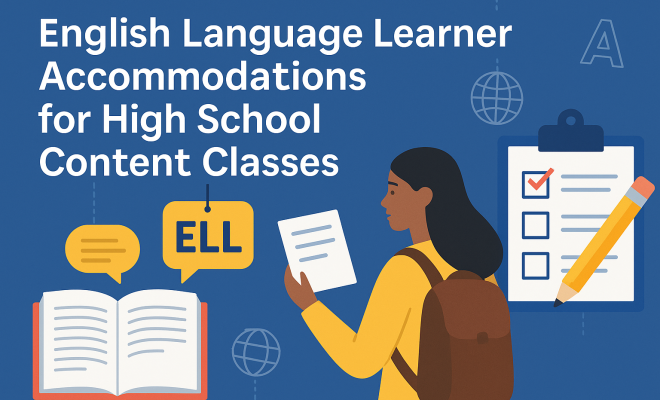
As schools become increasingly diverse, understanding how to effectively support English Language Learners (ELLs) has become a pressing issue for educators. High school content classes present unique challenges for these learners, who often face a steep language barrier while trying to grasp complex subject matter. The need for tailored english language learner accommodations is more critical than ever, as educators must create an environment that fosters learning and engagement for all students. This article explores essential accommodations and strategies that can significantly enhance the educational experience for ELL students in high school.
Understanding the Needs of English Language Learners
Before discussing effective accommodations, it’s crucial to understand who English Language Learners are. ELLs are students whose primary language is not English and who are in the process of learning English. This group is diverse, hailing from various cultural backgrounds and possessing different levels of proficiency in English. According to the National Center for Education Statistics, approximately 5 million students in the United States were classified as ELLs in 2020, accounting for about 10% of the total student population. These learners not only need to acquire language skills but also must navigate high school content that requires academic language abilities.
The Importance of Accommodations
Accommodations are essential to helping ELLs succeed in high school. They are adjustments made to teaching methods, assessment strategies, and classroom environments to ensure that ELLs can access the same curriculum as their peers. Research shows that with the right support, ELLs can achieve high academic standards. However, without effective accommodations, these students may struggle to keep up with their peers, leading to frustration and disengagement.
Types of Accommodations for High School Content Classes
Accommodations can take various forms, from instructional strategies to assessment modifications. Here are some of the most effective types of english language learner accommodations that can be implemented in high school content classes:
- Visual Supports: Utilizing diagrams, charts, and images can help ELLs understand complex concepts better. Visual aids can bridge the gap between language and content, making lessons more accessible.
- Modified Texts: Providing simplified versions of texts or bilingual resources can help ELLs comprehend subject matter without being overwhelmed by language complexity.
- Collaborative Learning: Group work encourages peer interaction, allowing ELLs to practice their language skills in a supportive environment. Pairing ELLs with proficient English speakers can promote language acquisition and content understanding.
- Scaffolding Techniques: Breaking down tasks into smaller, manageable steps enables ELLs to tackle content progressively. This might involve modeling a task before asking students to complete it independently.
- Extended Time: Allowing additional time for assignments or assessments can alleviate pressure on ELLs, giving them the opportunity to process language and formulate responses.
- Use of Technology: Integrating technology, such as language translation apps and educational software, can provide ELLs with resources that assist in language learning and content comprehension.
- Frequent Feedback: Providing regular feedback on both language use and content mastery can help ELLs identify areas for improvement and enhance their learning experience.
- Flexible Assessment Methods: Instead of traditional tests, consider using projects, presentations, or portfolios that allow ELLs to demonstrate their knowledge in ways that align with their strengths.
- Culturally Relevant Content: Incorporating material that reflects the cultural backgrounds of ELLs can foster engagement and make connections to their prior experiences.
Implementing Effective Instructional Strategies
Merely providing accommodations is not enough; teachers must also employ effective instructional strategies tailored to the needs of ELLs. Here are some strategies that can be beneficial:
1. Building Background Knowledge
Before diving into new content, it’s essential to build background knowledge. This might involve discussing key concepts or vocabulary that are crucial for understanding the upcoming lesson. For instance, if a science class is going to discuss ecosystems, spending time on vocabulary terms like ‘habitat,’ ‘species,’ and ‘food chain’ can prepare ELLs for the content ahead.
2. Interactive Activities
Engaging ELLs in interactive activities can enhance their comprehension and retention of material. Activities like role-playing or simulations can provide a hands-on approach to learning that makes abstract concepts more tangible.
3. Language Objectives
Incorporating language objectives into lesson plans helps clarify what students should focus on in terms of language development. For instance, if a lesson is on writing persuasive essays, the language objective might include using transition words effectively. This keeps ELLs oriented toward both content and language skills.
Assessment Accommodations for ELLs
Assessments are a critical aspect of the educational process, but traditional methods may not accurately reflect ELLs’ knowledge due to language barriers. Therefore, implementing appropriate assessment accommodations is vital.
1. Alternative Assessment Formats
Instead of sticking solely to standardized tests, consider alternative assessment formats such as presentations, projects, or oral assessments. These methods can give ELLs the opportunity to express their understanding more clearly, without the added pressure of language proficiency affecting their performance.
2. Word-to-Word Dictionaries
Allowing ELLs to use bilingual dictionaries during assessments can help them better understand questions and prompts. This resource can empower them to rely on their native language as they work through English content, increasing the likelihood of demonstrating their true knowledge.
3. Reducing Language Complexity
Consider simplifying the language used in assessment questions while maintaining the rigor of the content. For example, instead of asking, “Analyze the symbolism in the text,” you might ask, “What does the object represent?” This small change can make a significant difference for ELLs. (See: National Center for Education Statistics.)
Professional Development for Educators
To effectively implement english language learner accommodations, educators must be equipped with the necessary skills and knowledge. Professional development plays a pivotal role in preparing teachers to support ELLs. Schools should offer training that focuses on:
- Understanding the diverse backgrounds of ELLs and how these backgrounds influence learning.
- Strategies for creating inclusive classrooms that cater to various learning styles and language proficiency levels.
- Techniques for assessing ELLs in a fair and equitable manner.
- Resources for collaboration with special education teams, language specialists, and other support staff.
Engaging Families of ELLs
Family involvement is crucial in supporting ELLs’ educational journeys. Schools should actively engage families by:
1. Providing Information in Multiple Languages
Sending home information and school communications in the home languages of ELL families helps bridge the communication gap and encourages parental involvement. Consider translating important documents and providing interpreters at school events.
2. Hosting Workshops
Organizing workshops that educate families about the education system, academic expectations, and ways they can support their children at home can foster a partnership between schools and families.
3. Creating a Welcoming Environment
Schools should strive to create an environment that feels welcoming and inclusive for ELL families. This could involve celebrating cultural diversity through events, showcasing student work, and honoring various languages spoken within the school community.
Current Trends and Future Directions
The landscape of education is continually evolving, and the support for ELLs is becoming more sophisticated. Current trends include:
1. Increased Use of Technology
With the rise of remote learning and digital resources, technology is becoming an integral part of supporting ELLs. Online language learning platforms and interactive software can offer personalized learning experiences tailored to individual needs.
2. Emphasis on Social-Emotional Learning
Recognizing that language acquisition goes hand-in-hand with emotional well-being, many schools are now integrating social-emotional learning (SEL) frameworks. ELLs often face unique challenges, and addressing their emotional needs alongside their academic ones is paramount.
3. Advocacy for Policy Change
Advocacy for policies that ensure equitable funding and resources for ELL programs is gaining momentum. Schools must push for legislation that recognizes the unique needs of ELLs and allocates the necessary resources to support their learning.
New Strategies for Supporting ELLs
As educators continue to search for effective ways to support ELLs, several innovative strategies have emerged recently. These approaches not only enhance comprehension but also empower students to express themselves more effectively in English.
1. Thematic Units
Using thematic units that integrate multiple subjects around a common theme can help ELLs make connections between different areas of knowledge. For example, a unit on “Climate Change” can incorporate vocabulary from science, social studies, and language arts, allowing students to see how language is used across disciplines.
2. Peer Support Systems
Establishing peer support systems where ELLs can pair with native English speakers can significantly enhance their learning experience. These partnerships not only foster language development but also create friendships that help ELLs feel more included in the school community.
3. Use of Graphic Organizers
Graphic organizers can be a powerful tool for ELLs to visualize relationships between concepts and organize their thoughts. For instance, using a Venn diagram to compare and contrast different characters in a story can help them better understand literary elements while practicing English language skills.
Statistics on ELL Achievement
Understanding the achievement levels of ELL students can provide essential insights for educators and policymakers. Recent studies show that ELLs who receive targeted accommodations tend to perform significantly better than those who do not. According to a report by the Education Commission of the States, ELLs who had access to instructional supports showed a 30% increase in passing rates for state assessments compared to their peers without similar supports. These statistics highlight the importance of implementing effective interventions early. (See: CDC on youth health behaviors.)
Expert Perspectives on ELL Accommodations
Experts in the field of bilingual education emphasize the necessity of fostering an inclusive environment for ELLs. Dr. Patricia Gándara, a prominent researcher in education, states, “Accommodations are not merely an option; they are a necessity for ensuring equitable education. When we adapt our teaching to meet the needs of ELLs, we are not just helping them; we are enriching the entire classroom environment.” This perspective underscores the importance of inclusivity in education.
Common Misconceptions About ELL Accommodations
Many misconceptions surrounding ELL accommodations can hinder effective implementation. Here are a few common myths debunked:
1. ELLs Only Need Language Support
While language support is crucial, ELLs also need academic support and engagement strategies that address their diverse learning needs. It’s essential to consider their educational background and content knowledge.
2. Accommodations Lower Standards
Some believe that providing accommodations lowers academic standards for ELLs. In reality, accommodations aim to level the playing field, allowing ELLs to show their true capabilities without being hindered by language barriers.
3. Accommodations Are Only for Testing
Accommodations should be integrated into everyday instruction, not just during assessments. Continuous support throughout the learning process is vital for ELLs’ success.
FAQ about English Language Learner Accommodations
1. What are the most common accommodations for ELLs?
The most common accommodations include visual supports, modified texts, extended time for tests, and the use of bilingual dictionaries. These adjustments help ELLs access the curriculum more effectively.
2. How can teachers assess the effectiveness of accommodations?
Teachers can assess the effectiveness of accommodations by monitoring student progress through formative assessments, observing student engagement during lessons, and seeking feedback from students about their learning experiences.
3. Are accommodations the same for all ELLs?
No, accommodations should be tailored to the individual needs of each student based on their language proficiency level, cultural background, and specific academic requirements. A personalized approach is most effective.
4. Can ELL accommodations benefit all students?
Yes! Many accommodations designed for ELLs, such as the use of visual aids and collaborative learning, can enhance the learning experience for all students, fostering a more inclusive classroom environment.
5. How can families support ELLs at home?
Families can support ELLs by engaging in their education, providing resources in their native language, and encouraging the use of both their native language and English at home to promote bilingualism.
Innovative Tools for ELL Support
In addition to traditional methods, educators are increasingly using innovative tools and resources to support English Language Learners. These tools can facilitate language acquisition and help ELLs engage more meaningfully with content.
1. Language Learning Apps
There are numerous apps specifically designed for language learning that allow students to practice vocabulary and grammar at their own pace. Apps like Duolingo and Rosetta Stone provide interactive platforms that can be particularly beneficial for ELLs, enabling them to reinforce their skills outside of the classroom.
2. Online Collaborative Platforms
Utilizing platforms like Google Classroom or Edmodo can foster collaboration among ELLs and their peers. These platforms often include discussion boards where students can communicate in writing, encouraging them to practice their English skills in a low-pressure environment.
3. Video Modeling
Using video modeling as a teaching strategy allows ELLs to see and hear language in context. Teachers can create videos that demonstrate tasks or concepts, providing a visual and auditory resource for ELLs to reference. This method can be particularly useful in subjects like science or math, where visual representation is crucial.
Building Community Connections
Creating connections between schools and local communities can provide additional support for ELLs. Schools can partner with local organizations to offer resources and programs that help ELLs and their families feel more connected.
1. Community Mentoring Programs
Establishing mentoring programs that connect ELLs with community members can significantly enhance their educational experience. These mentors can provide guidance, support, and real-world language practice, helping ELLs navigate both academic and social challenges.
2. Cultural Exchange Initiatives
Schools can promote cultural exchange initiatives that allow ELLs to share their own cultures while learning about their peers’. This can include cultural fairs, presentations, or even sharing traditional food. Such activities not only build community but also enhance cultural understanding among all students.
Addressing Mental Health and Well-Being
ELLs may experience unique stresses related to language acquisition and cultural adjustment. Addressing mental health and well-being is crucial in supporting their overall educational experience.
1. Counseling Services
Providing access to counseling services that are sensitive to the needs of ELLs can help them navigate their emotional challenges. Counselors trained in cultural competency can help ELLs express their feelings and cope with the pressures they face.
2. Support Groups
Creating support groups for ELLs can provide a safe space for them to share experiences and challenges with peers who understand their unique situations. These groups can help reduce feelings of isolation and build a sense of community.
Conclusion
Supporting English Language Learners in high school content classes requires a multifaceted approach that includes tailored accommodations, effective instructional strategies, and active family engagement. As educators, it’s our responsibility to create an inclusive learning environment where every student has the opportunity to succeed, regardless of their language background. By implementing the right english language learner accommodations, we can help ELLs thrive academically and prepare them for a successful future.
“`
Trending Now
Frequently Asked Questions
What are effective accommodations for English Language Learners in high school?
Effective accommodations for English Language Learners (ELLs) in high school include modified assessments, visual aids, and collaborative learning opportunities. These adjustments help ELLs access the curriculum while addressing their unique language needs, promoting engagement and understanding in complex subject matters.
Why are accommodations important for English Language Learners?
Accommodations are crucial for English Language Learners as they provide necessary support to help these students navigate high school content. By adjusting teaching methods and assessment strategies, educators can foster an inclusive environment that enables ELLs to meet academic standards alongside their peers.
How can teachers support English Language Learners in content classes?
Teachers can support English Language Learners by implementing strategies such as using visual aids, simplifying language, and incorporating group work. These methods help ELLs engage with the material and develop their language skills while learning complex subjects.
What challenges do English Language Learners face in high school?
English Language Learners often face challenges such as language barriers, difficulty with academic vocabulary, and cultural differences. These obstacles can hinder their ability to understand and engage with high school content, making tailored accommodations essential for their success.
How many students in the U.S. are classified as English Language Learners?
Approximately 5 million students in the United States were classified as English Language Learners (ELLs) in 2020, representing about 10% of the total student population. This diverse group requires specific support to thrive in academic settings.
What did we miss? Let us know in the comments and join the conversation.