How Dyspraxia Affects Handwriting in Elementary School
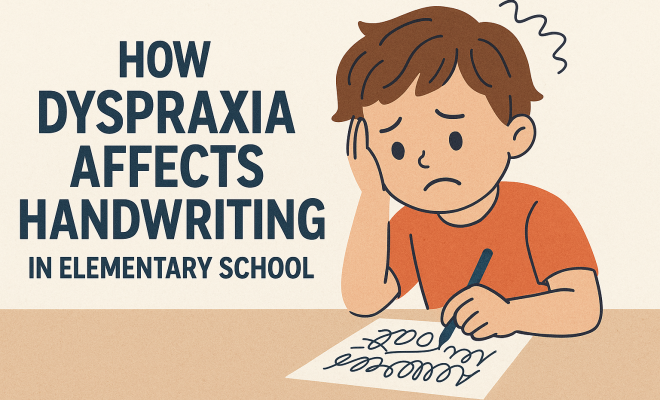
When it comes to learning in elementary school, one thing often overlooked is the impact of dyspraxia and handwriting. This developmental coordination disorder can significantly affect a child’s ability to perform everyday tasks, particularly writing. Dyspraxia affects not only physical coordination but also cognitive processes, making handwriting a complex challenge for many students. In this article, we’ll explore how dyspraxia manifests in handwriting difficulties, the implications for students and teachers, and strategies to support affected children.
Understanding Dyspraxia
Dyspraxia, sometimes referred to as Developmental Coordination Disorder (DCD), is a neurological condition that affects motor skill development. It’s characterized by difficulties with coordination and movement, which can hinder a child’s ability to carry out tasks that require fine motor skills, such as writing. According to the Dyspraxia Foundation, it affects approximately 5-6% of children, with boys being more commonly diagnosed than girls.
The exact cause of dyspraxia remains unclear, but research suggests a combination of genetic and environmental factors. Children with dyspraxia may struggle with spatial awareness, balance, and organizing thoughts, which complicates tasks that seem simple to neurotypical children.
The Impact of Dyspraxia on Handwriting
Handwriting is a fundamental skill taught in elementary school, yet for children with dyspraxia, it can be a daunting challenge. The symptoms of dyspraxia can manifest in various ways during writing tasks:
- Poor fine motor skills: Children may have trouble gripping a pencil correctly or controlling their hand movements, making it difficult to form letters or write legibly.
- Slow writing speed: Many children with dyspraxia write at a slower pace due to the effort required to coordinate their hand movements and think simultaneously.
- Inconsistent letter formation: They may struggle to maintain consistent sizes and spacing between letters and words, leading to messy handwriting.
- Fatigue: Prolonged writing can lead to physical fatigue, which can further deteriorate handwriting quality over time.
These challenges can result in significant frustration for students, as they often recognize their academic potential but feel hindered by their physical limitations.
Real-World Examples: Experiences of Students
Consider a scenario involving a third-grade student named Jamie, who has dyspraxia. Jamie loves storytelling and often shares creative ideas during classroom discussions. However, when it comes to writing those ideas down, Jamie faces considerable hurdles. Despite understanding the content, Jamie’s handwriting is often illegible, drawing negative feedback from peers and frustration from teachers.
This experience is not unique. Many children with dyspraxia find themselves in similar situations, where their written work does not reflect their knowledge or creativity. This discrepancy between ability and output can lead to self-esteem issues. Teachers and parents may misinterpret the child’s struggle as a lack of effort or interest, when in reality, it’s a physical manifestation of their condition.
Identifying Dyspraxia in the Classroom
For teachers, recognizing the signs of dyspraxia is crucial for effective intervention. Some key indicators include:
- Difficulty with physical tasks, such as buttoning shirts or using scissors.
- Delayed or inconsistent handwriting skills compared to peers.
- Frequent complaints of fatigue during writing exercises.
- Struggles with organizing thoughts on paper.
Early identification is essential. The sooner a child receives support, the better their chances of developing effective strategies to cope with dyspraxia. Educators should be trained to recognize these signs and understand the best practices to assist these students.
Effective Strategies for Supporting Handwriting Development
Supporting children with dyspraxia requires a multifaceted approach. Here are some effective strategies teachers and parents can implement: (See: Understanding coordination disorders.)
- Use of Assistive Technology: Tools like tablets and voice-to-text software can aid in reducing the demands of handwriting. These technologies allow students to express their ideas without the physical limitations of traditional writing.
- Fine Motor Skill Activities: Engage students in activities that promote fine motor skills, such as playing with clay, using tweezers to pick up small objects, or threading beads. These activities strengthen hand muscles and improve coordination.
- Modified Writing Tools: Consider using thicker pencils, grips, or ergonomic pens designed to reduce hand strain. These tools can make writing more comfortable and improve legibility.
- Visual Supports: Providing visual aids, such as letter charts or tactile materials, can help students with letter formation and spacing. This can help build their confidence as they practice writing.
Not every strategy will work for every child, so it’s essential to tailor approaches to meet individual needs. Collaboration between teachers, parents, and occupational therapists can create a supportive environment.
Creating a Supportive Classroom Environment
The classroom setting plays a significant role in the success of children with dyspraxia. Teachers can foster an inclusive environment by:
- Encouraging Peer Support: Promote a culture of understanding and assistance among students. Pairing children with dyspraxia with supportive peers can facilitate social bonding and collaborative learning.
- Flexibility in Assignments: Allow for different formats of assignments, such as oral presentations or group projects, to enable students to demonstrate their knowledge without the limitations of handwriting.
- Regular Feedback: Offer constructive feedback that focuses on effort and improvement rather than just the final product. Celebrate small victories to encourage continued progress.
Creating a nurturing atmosphere can lead to better academic performance and improved self-esteem for students grappling with the challenges of dyspraxia.
Engaging Parents and Caregivers
Parents play an essential role in supporting their children with dyspraxia. Open communication between home and school can significantly impact a child’s progress. Here’s how parents can engage:
- Advocate for Their Child: Parents should feel empowered to advocate for their child’s needs. This includes requesting evaluations and seeking appropriate accommodations in school.
- Engage in Home Activities: Encourage practice at home with fun writing exercises, such as keeping a journal or writing letters to family members. This can provide valuable writing practice in a low-pressure setting.
- Stay Informed: Knowledge is power. Parents can benefit from educating themselves about dyspraxia and available resources. Support groups and online forums can offer valuable insights and community support.
By collaborating with teachers and professionals, parents can ensure that their children receive the necessary support and understanding needed to thrive.
The Role of Occupational Therapists
Occupational therapists (OTs) can be invaluable allies in addressing handwriting difficulties related to dyspraxia. They assess the child’s motor skills and provide tailored interventions to enhance their abilities. Some common interventions include:
- Personalized Therapy Sessions: OTs can create individualized therapy plans focusing on fine motor skills, sensory processing, and handwriting strategies.
- Home Exercise Programs: OTs often provide exercises that can be practiced at home to reinforce skills learned in therapy.
- Collaboration with Educators: OTs can work alongside teachers to develop strategies and accommodations that help children succeed in the classroom.
These professionals bring expertise that can make a significant difference in the lives of children with dyspraxia, helping them to navigate the challenges associated with handwriting.
Current Research and Future Directions
Research on dyspraxia is ongoing, and new insights are continuously emerging. Current studies focus on understanding the neurological underpinnings of dyspraxia, exploring how it affects various aspects of cognition and motor function. There is also a push to develop more effective interventions and support systems for affected children.
One exciting area of research is the use of neurofeedback and virtual reality as tools for enhancing fine motor skills. Preliminary findings suggest that these technologies can provide engaging ways for children to improve coordination in a fun and interactive manner.
As awareness increases, schools are beginning to implement more comprehensive training for educators, helping them recognize and respond to dyspraxia more effectively. This shift toward inclusivity is crucial for supporting students and ensuring they can express their abilities despite the challenges they face. (See: CDC on coordination and development.)
Common Myths About Dyspraxia
Understanding dyspraxia also involves debunking some common myths that can perpetuate misunderstanding among parents, educators, and the general public. Here are a few myths and the truths that counter them:
- Myth 1: Dyspraxia only affects physical coordination.
- Myth 2: Children with dyspraxia are simply lazy or unmotivated.
- Myth 3: Dyspraxia is outgrown as a child matures.
Truth: While dyspraxia primarily impacts motor skills, it can also affect cognitive processing, language skills, and social interactions. Children may struggle with organizing their thoughts, which can also impact their writing ability.
Truth: Dyspraxia is a neurological disorder that affects motor coordination, and children with this condition are often trying very hard to succeed. Their struggles are not a result of lack of effort but rather physical and cognitive challenges.
Truth: Many children may learn to cope with dyspraxia, but it often persists into adulthood. The skills required to manage the condition can improve, but the underlying challenges may remain.
Statistics on Dyspraxia
Understanding the prevalence and impact of dyspraxia can help inform better educational policies and practices. Here are some compelling statistics:
- Approximately 5-6% of children are diagnosed with dyspraxia, which translates to about 1 in every 20 children.
- Research indicates that 75% of children with dyspraxia also have difficulties with reading and writing.
- One study revealed that only 27% of children with dyspraxia receive appropriate educational support, highlighting the need for increased awareness and resources in schools.
Frequently Asked Questions About Dyspraxia and Handwriting
1. Can dyspraxia be diagnosed at a young age?
Yes, dyspraxia can often be diagnosed in early childhood. Early signs may appear as difficulties with gross motor skills, balance, or fine motor tasks like holding a pencil. A comprehensive evaluation by a pediatrician or occupational therapist can confirm the diagnosis.
2. What are the long-term effects of dyspraxia on handwriting?
Children with dyspraxia may continue to face challenges with handwriting into adolescence and adulthood, affecting academic performance and self-esteem. However, with appropriate support, many individuals find strategies to manage their difficulties effectively.
3. How can schools better support students with dyspraxia?
Schools can implement personalized learning plans, provide assistive technology, offer occupational therapy sessions, and train teachers to understand and accommodate the needs of students with dyspraxia.
4. Are there specific exercises that can improve handwriting in children with dyspraxia?
Yes, exercises focusing on hand strength, dexterity, and coordination can help. Activities such as squeezing stress balls, playing with putty, or engaging in crafts can promote fine motor development necessary for handwriting. (See: Wikipedia entry on dyspraxia.)
5. Is there a link between dyspraxia and other learning disabilities?
Yes, many children with dyspraxia may also have other learning disabilities, such as dyslexia or ADHD. It’s essential to conduct thorough assessments to identify any co-occurring conditions to provide comprehensive support.
Comparing Dyspraxia and Related Conditions
It’s essential to understand how dyspraxia interacts with other developmental disorders, as this can inform effective interventions. Let’s compare dyspraxia with some other common conditions:
Dyspraxia vs. Dyslexia
Dyslexia primarily affects reading and language processing. Children with dyslexia may struggle with decoding words, spelling, and fluent reading. Unlike dyspraxia, which directly influences motor skills, dyslexia focuses on phonemic awareness and language comprehension. However, both conditions can coexist, complicating educational interventions.
Dyspraxia vs. ADHD
Attention Deficit Hyperactivity Disorder (ADHD) impacts attention, impulse control, and activity levels. Children with ADHD may show signs of inattention during writing tasks, which can overlap with the struggles faced by those with dyspraxia. In some cases, children may act out or avoid writing tasks due to frustration, which may be misinterpreted as behavioral issues rather than a response to their difficulties with handwriting.
Recent Advances in Understanding Dyspraxia
As research continues to evolve, several recent findings have shed light on the complexities of dyspraxia. One study published in the Journal of Developmental & Behavioral Pediatrics highlighted the significant overlap between dyspraxia and other developmental disorders, emphasizing the need for comprehensive assessment protocols. Another intriguing area of research focuses on the impact of early intervention; studies suggest that children who receive targeted support in the early years show more significant improvements in motor skills and academic performance.
Creating an Inclusive Support System
Families, educators, and therapists should collaborate to create an inclusive support system. Here are some steps to consider:
- Community Awareness Programs: Schools can host workshops to educate the community about dyspraxia and its impact, fostering an understanding and supportive environment.
- Peer Mentorship Programs: Older students who have successfully navigated their dyspraxia can mentor younger students, providing encouragement and practical strategies for overcoming challenges.
- Resource Sharing: Schools can provide a centralized repository of resources, including recommended tools, strategies, and contacts for parents and educators, ensuring everyone has access to the information they need.
The Bottom Line
Understanding how dyspraxia and handwriting intersect is vital for educators, parents, and medical professionals. By recognizing the challenges faced by children with dyspraxia and implementing targeted strategies, we can help these students express their thoughts and ideas more effectively. The journey may be filled with obstacles, but with the right support and resources, each child’s potential can shine through.
Trending Now
Frequently Asked Questions
What is dyspraxia and how does it affect children?
Dyspraxia, or Developmental Coordination Disorder (DCD), is a neurological condition that impacts motor skill development. It affects approximately 5-6% of children, leading to difficulties with coordination, movement, and fine motor skills, which can hinder everyday tasks like writing.
How does dyspraxia impact handwriting in elementary school?
Children with dyspraxia often face significant challenges in handwriting, including poor fine motor skills, slow writing speed, and inconsistent letter formation. These difficulties arise from the coordination and cognitive challenges associated with the disorder.
What are the signs of dyspraxia in children?
Signs of dyspraxia in children include difficulties with balance, spatial awareness, and fine motor tasks. They may struggle with gripping writing instruments, organizing thoughts, and maintaining consistent letter formation, which can affect their academic performance.
What strategies can support children with dyspraxia in handwriting?
To support children with dyspraxia in handwriting, teachers and parents can implement strategies such as using adaptive writing tools, allowing extra time for writing tasks, and incorporating multi-sensory approaches to help improve fine motor skills and coordination.
Is dyspraxia more common in boys or girls?
Research indicates that dyspraxia is more commonly diagnosed in boys than in girls. The exact reasons for this gender discrepancy are not fully understood, but it is estimated that boys are affected at a higher rate.
Agree or disagree? Drop a comment and tell us what you think.