Boost Kids’ Body Awareness: Proprioception Activities for All Ages
“`html
In the realm of childhood development, proprioception is a term not often discussed, yet it plays a critical role in how children understand their bodies in space. Proprioception refers to the body’s ability to sense its position, movement, and action. This awareness is key for physical coordination, balance, and overall motor skills. For preschool and elementary students, engaging in proprioception activities can provide foundational skills that enhance their learning experiences, social interactions, and physical capabilities. In this article, we will explore various proprioception activities for kids, their importance, and how to seamlessly integrate them into daily routines.
Understanding Proprioception
Before diving into specific activities, it’s essential to understand what proprioception entails. Proprioception is sometimes referred to as the ‘sixth sense’ because it helps us perceive the position and movement of our body parts relative to each other and to the environment. This sensory feedback is crucial for developing fine and gross motor skills.
For younger children, proprioceptive input enriches their physical experiences, allowing them to engage more fully in activities like running, jumping, or even sitting still in class. A well-developed sense of proprioception can lead to improved coordination, balance, and body awareness, all necessary for more complex movements as children grow.
Why Proprioception Activities Matter for Kids
In educational and developmental settings, proprioception activities for kids are not mere play; they are essential for cognitive and physical growth. Here are several reasons why these activities are important:
- Enhanced Coordination: Activities that require balance and body awareness help children refine their coordination skills, which are crucial for various sports and physical activities.
- Improved Concentration: Engaging in proprioceptive activities can help children focus better in classroom settings, allowing them to absorb information more effectively.
- Social Skills Development: Many proprioception activities are group-oriented, fostering teamwork, communication, and social interaction among peers.
- Emotional Regulation: Physical activities that provide proprioceptive input can also help children manage their emotions, reducing anxiety and improving mood.
Key Proprioception Activities for Preschool Students
Preschoolers are naturally energetic and curious, making them prime candidates for proprioceptive activities that are fun and engaging. Here are some tailored activities that can be easily implemented in a preschool setting:
Obstacle Courses
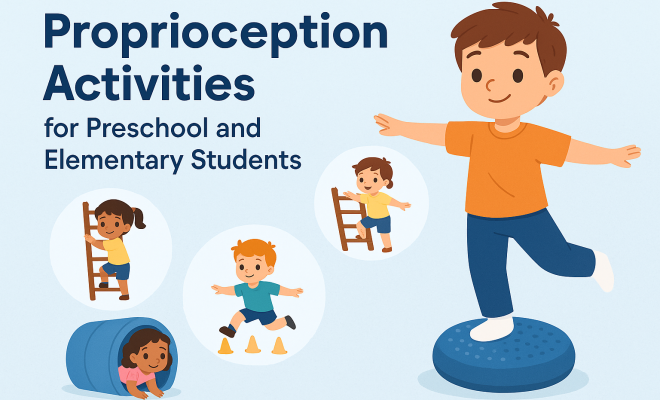
Creating an obstacle course can be an exciting way for preschoolers to engage multiple senses. Use soft mats, cones, and balance beams to promote climbing, jumping, and crawling. This activity not only provides proprioceptive input but also encourages problem-solving and creativity as children navigate different challenges.
Animal Walks
Animal walks are a playful way to get children moving while developing their body awareness. Encourage kids to mimic different animals, like crawling like a bear, hopping like a frog, or waddling like a penguin. These actions help them engage various muscle groups while enhancing their proprioceptive skills.
Heavy Work Activities
Activities that involve pushing, pulling, or lifting provide valuable proprioceptive input. For instance, filling and moving boxes with toys or helping to push a weighted cart can be excellent for developing strength and coordination. These heavy work activities can be interspersed with quieter tasks to give children balance in their activities.
Proprioceptive Activities for Elementary Students
As children transition to elementary school, they benefit from more structured and challenging proprioception activities. Here are some engaging ideas for older kids:
Yoga and Stretching Exercises
Yoga offers an excellent way for children to improve their flexibility and body awareness. Simple poses such as the tree pose or downward dog not only strengthen muscles but also help children focus on their breathing and balance. Incorporating fun themes or stories can make yoga sessions more engaging for elementary students.
Ball Games
Games like soccer, basketball, or simple throwing and catching activities can provide significant proprioceptive feedback. These games require children to move their bodies in space, making them aware of their position relative to the ball and other players. Furthermore, they help develop hand-eye coordination and teamwork skills. (See: Early Childhood Development.)
Dance and Movement Activities
Dance is a fantastic way for children to explore their bodies while having fun. Whether it’s a structured dance class or a free-form movement session, dancing allows children to express themselves and understand their body’s capabilities. Activities such as freeze dance can also be a fun way to integrate proprioceptive feedback while enhancing listening skills.
Integrating Proprioception Activities into Daily Routines
Incorporating proprioception activities into everyday life doesn’t have to be daunting. Here are some easy ways to integrate these activities into daily routines:
In the Classroom
Teachers can create a sensory corner filled with proprioceptive activities like balance boards, weighted blankets, or resistance bands. Allowing students to take short breaks to engage in these activities can help them refocus and recharge.
At Home
Parents can foster proprioceptive skills during family time by engaging in physical games such as tag, hide and seek, or even simple chores like moving furniture (under supervision). Cooking activities that require measuring and mixing can also provide proprioceptive input through different movements.
In After-School Programs
Many after-school programs can incorporate physical activities that enhance proprioception. Whether it’s organized sports, dance classes, or martial arts, these programs not only promote physical health but also develop social skills and teamwork.
Recognizing Proprioceptive Needs in Children
Not all children develop proprioception at the same rate. Some may struggle with body awareness or coordination, which can impact their confidence and social interactions. Here are signs that a child may need additional proprioceptive support:
- Difficulty with tasks that require hand-eye coordination, like writing or catching a ball.
- Overly clumsy or frequently falls without clear reason.
- Seeks excessive movement or pressure, such as jumping from high places or crashing into things.
- Appears disinterested in physical activities or tends to avoid them altogether.
If you notice these signs, consider discussing concerns with educators or a healthcare provider. Early intervention can make a significant difference in helping children develop their proprioceptive skills effectively.
The Role of Occupational Therapists
Occupational therapists (OTs) play a vital role in helping children develop proprioceptive senses, especially for those with sensory processing difficulties. OTs can assess a child’s sensory needs and create tailored intervention plans that incorporate proprioceptive activities. Here are a few ways they can assist:
- Assessment: OTs can evaluate a child’s sensory profile and provide recommendations for specific activities to improve proprioceptive awareness.
- Individualized Plans: They create customized plans that address each child’s unique needs, integrating proprioceptive activities that fit within their abilities and interests.
- Family Involvement: OTs often work with families to ensure that proprioception activities are practiced at home, reinforcing skills learned in therapy.
Examples of Fun Proprioception Activities
In addition to the activities previously mentioned, here are some more ideas that are not only beneficial but also enjoyable for children:
Jumping on a Trampoline
Jumping on a trampoline is not just fun; it’s an excellent way to provide proprioceptive input. The bouncing motion helps children develop their balance and coordination. Set up a few minutes of trampoline jumping as part of a play session, and watch the kids have a blast while benefitting from the activity.
Playdough and Clay Activities
Using playdough or clay is a great way to strengthen hand muscles while providing proprioceptive feedback. Encourage children to roll, squish, and mold the dough into different shapes. These activities can help improve fine motor skills and hand-eye coordination.
Weighted Vests or Blankets
Incorporating weighted vests or blankets into playtime can help children gain proprioceptive input. The gentle pressure from these items can be calming and help children focus better. Use them during quiet time or while engaging in activities that require concentration.
Hiking or Nature Walks
Taking kids on hikes or nature walks can be both a fun and educational experience. Navigating uneven terrain provides natural proprioceptive input, helping children learn about their surroundings while enhancing their body awareness and coordination. (See: Proprioception in Learning.)
Statistics on Proprioceptive Development
Understanding the impact of proprioception on childhood development is critical. Research indicates that:
- Approximately 16% of children experience difficulties with proprioceptive processing, which can affect their learning and social interactions.
- Studies show that engaging in proprioceptive activities can lead to a 30% improvement in coordination skills among children with sensory processing challenges.
- Regular participation in proprioceptive activities is associated with a 25% increase in overall physical fitness levels in children, promoting lifelong healthy habits.
Frequently Asked Questions (FAQ)
What are proprioception activities?
Proprioception activities are exercises or games designed to enhance a child’s ability to sense their body position and movement. These activities often involve physical movements that require coordination, balance, and body awareness.
Why is proprioception important for children?
Proprioception is crucial for children’s overall development as it helps improve their coordination, balance, and strength. A strong sense of proprioception can also enhance a child’s ability to focus in the classroom and engage in social interactions.
How can I tell if my child needs more proprioceptive input?
Signs that your child may need more proprioceptive input include clumsiness, difficulty with physical tasks, seeking excessive movement, or displaying anxiety in new physical activities. If you notice these signs, consider incorporating more proprioceptive activities into their routine.
Can proprioception activities be adapted for all ages?
Absolutely! Proprioception activities can be tailored to fit any age group. While younger children may enjoy playful activities like animal walks, older kids can benefit from structured sports or yoga. The key is to match the complexity of the activity to the child’s age and developmental level.
Are there any resources for parents looking to implement proprioception activities at home?
Many online resources, including websites dedicated to child development, offer ideas and instructions for proprioception activities. Additionally, occupational therapists can provide personalized plans and suggestions tailored to your child’s needs.
Common Myths About Proprioception Activities
As with many areas of childhood development, there are several myths surrounding proprioception and its activities. Here are a few clarifications:
- Myth 1: Proprioception activities are only for children with disabilities.
- Myth 2: Proprioception activities are time-consuming and require special tools.
- Myth 3: Proprioception is not important for academic success.
Fact: All children can benefit from proprioceptive activities, as they enhance body awareness, coordination, and emotional regulation.
Fact: Many proprioceptive activities can be done with everyday items found around the house or through simple physical play, making them easily accessible.
Fact: A strong sense of proprioception contributes to better focus, which can enhance learning and social interactions in school settings.
How to Monitor Progress in Proprioception Skills
Tracking the development of proprioceptive skills can be insightful for both parents and educators. Here are some ways to monitor progress:
- Observation: Regularly observe your child’s physical interactions with their environment. Are they becoming more coordinated? Are they engaging with activities they previously avoided?
- Journaling: Keep a journal of activities your child participates in and note any changes in their confidence, skills, or preferences over time.
- Set Goals: Work with your child to set achievable goals regarding specific proprioception activities, such as mastering a balance task or improving their throwing accuracy.
- Feedback: Encourage open discussions about their feelings during activities. Did they enjoy a new game? Did they feel more confident than before?
Additional Proprioceptive Activities for Home and School
If you’re looking to expand your repertoire of proprioceptive activities, consider these additional ideas:
Bubble Wrap Stomping
Lay out sheets of bubble wrap and encourage children to stomp on them with their feet. This not only provides proprioceptive input through the pressure of their feet but also allows for a lot of fun and laughter as they pop the bubbles!
Carrying Groceries or Heavy Bags
Involve kids in household chores by having them help carry groceries or heavy bags (within their capacity). This kind of heavy work is excellent for developing strength and proprioceptive awareness.
Balance Activities
Engaging in balance activities such as standing on one leg, using a balance board, or walking along a line can greatly improve proprioceptive skills. Create fun challenges to see how long they can balance or walk on the line without stepping off.
DIY Sensory Bins
Create sensory bins filled with various materials like rice, beans, or sand. As children dig and search through the bins, they get the added benefit of tactile and proprioceptive input, enhancing their exploration and engagement.
Collaborating with Educators to Promote Proprioception
When working with educators to promote proprioceptive skills, consider these tips:
- Share Insights: Encourage open communication with teachers about your child’s specific proprioceptive needs and the activities that work best at home.
- Inclusive Activities: Suggest incorporating proprioceptive activities into classroom settings, such as movement breaks or sensory-friendly spaces.
- Attend Workshops: Many schools offer workshops on sensory processing and proprioceptive activities. Attend these to gain additional insights into supporting your child’s development.
Conclusion: Cultivating Awareness and Confidence
Incorporating proprioception activities for kids is a powerful way to enhance their physical and cognitive development. From preschoolers exploring their environment through play to elementary students engaging in sports, these activities nurture a sense of body awareness that supports overall growth. By understanding the importance of proprioception and integrating engaging activities into daily routines, educators and parents can help children cultivate confidence, coordination, and an appreciation for physical movement. So, why not embark on this journey of exploration and play today? Your child will thank you for it!
“`
Trending Now
Frequently Asked Questions
What are proprioception activities for preschoolers?
Proprioception activities for preschoolers involve exercises that help children develop body awareness and spatial orientation. These can include activities like jumping, climbing, or balancing on a beam, all designed to enhance their coordination and motor skills while making learning fun.
Why is proprioception important for children's development?
Proprioception is crucial for children's development as it aids in their understanding of body position and movement. Enhanced proprioceptive skills lead to improved coordination, balance, and motor skills, which are essential for participating in physical activities and supporting cognitive growth.
How can I incorporate proprioceptive activities at home?
You can incorporate proprioceptive activities at home by creating obstacle courses, encouraging jumping on trampolines, or using therapy balls. Simple activities like pushing against walls or carrying heavy objects can also provide valuable proprioceptive input, making it easy to integrate into daily routines.
What are some examples of proprioceptive activities for kids?
Examples of proprioceptive activities for kids include crawling through tunnels, playing with heavy toys, engaging in yoga poses, or participating in team sports. These activities promote body awareness and help children develop important physical skills in a playful manner.
How does proprioception affect learning in children?
Proprioception affects learning in children by improving their concentration and focus. Engaging in proprioceptive activities helps them become more aware of their bodies, which can lead to better self-regulation and enhanced participation in classroom activities, ultimately supporting academic success.
Agree or disagree? Drop a comment and tell us what you think.