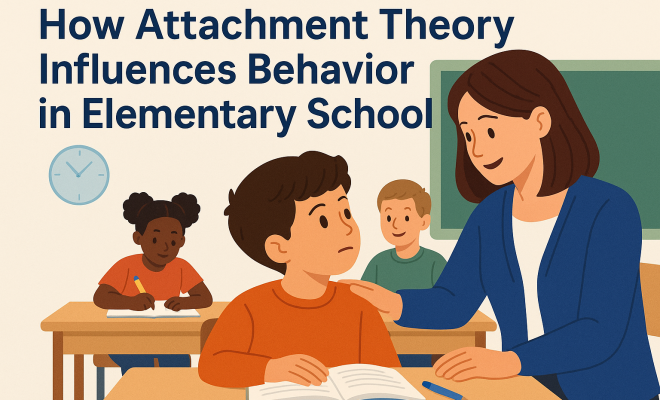
Attachment Theory: Shaping Elementary School Behavior
“`html
Understanding Attachment Theory
Attachment theory, initially developed by British psychologist John Bowlby in the mid-20th century, provides a framework for understanding the emotional bonds between children and their caregivers. It posits that early relationships significantly influence later social, emotional, and cognitive development. The core premise is that children who experience secure attachments are more likely to develop healthy relationships and exhibit positive behaviors throughout life.
When discussing attachment theory in education, it’s crucial to recognize how these early experiences manifest in a school setting. In elementary schools, where children begin to interact more with peers and authority figures, understanding their attachment styles can be vital for educators and parents alike.
The Roots of Attachment Styles
Bowlby identified four primary attachment styles: secure, anxious-ambivalent, avoidant, and disorganized. Each style reflects different experiences with caregivers during early childhood.
- Secure Attachment: Children with secure attachments feel safe and supported. They are usually more confident in exploring their environment.
- Anxious-Ambivalent Attachment: These children often feel uncertain and may display clinginess or heightened anxiety when separated from caregivers.
- Avoidant Attachment: Children with avoidant attachments tend to distance themselves emotionally from caregivers, often leading to difficulties in social interactions.
- Disorganized Attachment: This style emerges from inconsistent or traumatic caregiving experiences, resulting in confusion and anxiety in relationships.
Attachment Theory in Education: The Classroom Impact
Understanding attachment theory in education means recognizing how these styles influence behavior in the classroom. A secure attachment can lead to increased engagement, curiosity, and overall success in learning. In contrast, children with anxious or avoidant attachments may struggle with participation and social interactions, impacting their educational experience.
For instance, a child with secure attachment likely feels safe to ask questions and share ideas in class. Conversely, a child with an anxious attachment might refrain from participating due to fear of judgment, hampering their learning potential. This dynamic makes it essential for educators to create an environment that nurtures secure attachments.
Creating Secure Attachments in Elementary Education
Schools play a pivotal role in fostering attachment security among students. Educators must recognize the importance of building trusting relationships with their students. Here are some practical strategies:
- Consistent Routines: Establishing predictable routines can help children feel secure and understand what to expect, reducing anxiety.
- Responsive Interaction: Teachers should practice active listening and respond promptly to students’ needs. This fosters a sense of being valued and understood.
- Encouraging Peer Relationships: Facilitating activities that promote collaboration can help students develop social skills and form secure attachments with peers.
- Providing Emotional Support: Creating a safe space for children to express their feelings can help them navigate anxiety and build resilience.
Attachment Styles and Academic Performance
Research indicates a clear link between attachment styles and academic performance. Children with secure attachments tend to have higher self-esteem, better emotional regulation, and improved social skills, all of which contribute positively to their academic success.
In contrast, children with insecure attachment styles may exhibit behavioral issues, lower motivation, and difficulties with concentration. Teachers should be aware of these differences and adapt their teaching methods to support students’ diverse attachment needs. For example, providing additional support and understanding to anxious or avoidant students can enhance their learning experience and academic outcomes.
Case Studies: Real-World Applications of Attachment Theory in Schools
Schools that prioritize attachment theory have seen remarkable results. For instance, the Collaborative for Academic, Social, and Emotional Learning (CASEL) emphasizes the importance of social-emotional learning (SEL) in fostering secure attachments.
A study conducted by CASEL in several elementary schools revealed that implementing SEL programs significantly improved students’ social skills and reduced behavioral problems. Teachers who utilized attachment-informed strategies, such as building secure relationships and creating a nurturing environment, reported greater academic engagement among their students.
The Role of Educators in Supporting Attachment Theory
Teachers are on the front lines of implementing attachment theory in education. Their role is not only to deliver academic content but also to support students’ emotional needs. Professional development programs focusing on attachment theory can equip educators with the necessary tools to identify and respond to varying attachment styles. (See: Attachment theory overview on Wikipedia.)
For example, training sessions can help teachers understand the signs of insecure attachment and develop strategies to engage those students effectively. Building strong relationships with students fosters a positive classroom climate, leading to improved outcomes across the board.
Challenges and Considerations
While attachment theory provides valuable insights, it’s essential to acknowledge the challenges educators may face. Not all children come from stable backgrounds, and some may have experienced trauma or neglect that affects their attachment styles.
In such cases, teachers may need to collaborate with school counselors and mental health professionals to provide additional support. Creating a comprehensive support system that includes mental health resources can ensure that all students receive the care they need to thrive.
Parental Involvement: A Key Component
Parental involvement is another critical aspect of fostering secure attachments in education. Parents play a fundamental role in shaping their children’s attachment styles and, ultimately, their behavior in school.
Schools can facilitate parental engagement through workshops and resources that educate families about attachment theory in education. By empowering parents with knowledge and strategies, they can reinforce positive attachments at home, creating a consistent environment for their children.
The Future of Attachment Theory in Education
As research on attachment theory continues to evolve, its implications for education become increasingly clear. Schools that prioritize understanding and addressing attachment styles can create more inclusive, responsive, and effective learning environments.
Looking ahead, there’s potential for integrating attachment theory into teacher training programs and educational policies. By fostering a deeper understanding of the emotional needs of students, educators can create supportive environments that not only enhance academic achievement but also promote overall well-being.
Emotional Regulation and Learning
One key aspect of attachment theory’s impact on education is how it affects children’s emotional regulation. Children with secure attachments tend to develop strong emotional regulation skills, which are crucial for navigating the complexities of school life. These skills help them manage stress, control impulses, and respond to challenges in a constructive manner.
In contrast, children with insecure attachments may struggle with emotional regulation, leading to impulsive behavior, heightened anxiety, or difficulty in managing frustration. This can create barriers to learning and hinder their ability to focus on academic tasks. Studies show that emotional regulation is closely linked to academic success. For instance, research published in the journal “Child Development” found that children who exhibit higher levels of emotional regulation perform better academically and socially.
Social Skills Development
Another area where attachment theory intersects with education is in the development of social skills. Children with secure attachments often exhibit strong social skills, which enable them to build relationships with peers and adults alike. They are comfortable initiating interactions, sharing, and cooperating with others.
Conversely, children with avoidant or anxious attachments may struggle with social interactions, leading to feelings of isolation or loneliness. These challenges can manifest in behaviors such as withdrawal from group activities or difficulty making friends, further exacerbating their feelings of insecurity. Programs that foster peer relationships and promote social skills through structured activities can help mitigate these issues. For example, cooperative learning projects in classrooms encourage teamwork and communication, which are essential components of strong social skills.
Understanding Trauma-Informed Care in Education
When discussing attachment theory in education, it’s crucial to consider the impact of trauma. Many children enter the classroom with histories of trauma that can significantly affect their attachment styles and overall behavior. Understanding trauma-informed care is essential for educators aiming to support all students effectively. (See: CDC on understanding attachment in children.)
Trauma-informed care focuses on recognizing the signs of trauma, understanding its impact, and ensuring that educational practices are sensitive to these experiences. For instance, a child who has experienced trauma may exhibit behaviors that seem disruptive or disengaged. However, these behaviors often stem from their attempts to cope with underlying insecurities and fears.
Training teachers in trauma-informed practices can empower them to respond compassionately and effectively to students’ needs. This approach not only supports students with insecure attachments but also promotes an overall positive classroom environment where every child feels safe and valued.
Statistics and Research Supporting Attachment Theory in Education
Research continues to demonstrate the critical role of attachment in educational settings. According to a study published in the “Journal of Educational Psychology,” students with secure attachments in school settings scored an average of 15% higher in standardized test scores compared to their peers with insecure attachments.
Furthermore, a longitudinal study conducted by the University of Minnesota found that children with secure attachments were 25% more likely to graduate from high school and pursue higher education. These findings underscore the significant impact of attachment styles on academic achievement and long-term educational outcomes.
Frequently Asked Questions about Attachment Theory in Education
What is attachment theory, and why is it important in education?
Attachment theory is a psychological framework that explains how early relationships with caregivers influence emotional, social, and cognitive development. In education, understanding attachment is important because it helps educators recognize the diverse needs of their students and create supportive learning environments.
How can teachers identify a child’s attachment style?
Teachers can observe behaviors such as a child’s willingness to engage with peers, their response to separation from caregivers, and their overall emotional responses to various situations. Regular communication with families can also provide insight into a child’s background and attachment history.
What strategies can teachers use to support students with insecure attachment styles?
Teachers can provide additional emotional support, establish predictable routines, use positive reinforcement, and foster a nurturing classroom environment. Building strong, trusting relationships with students is crucial for helping them feel secure.
How does parental involvement affect children’s attachment styles?
Parental involvement significantly impacts children’s attachment styles. Engaged, supportive parents can help nurture secure attachments, while inconsistent or neglectful parenting may contribute to insecure attachment styles. Schools can enhance parental involvement through workshops, resources, and open communication.
Can attachment theory be applied to students of all ages?
Yes, attachment theory is relevant across all age groups. While this article focuses on elementary education, attachment styles continue to influence behavior and relationships in middle and high school settings. Understanding these dynamics can help educators provide effective support throughout a child’s educational journey.
Linking Attachment Theory with Educational Outcomes
Recent research has highlighted the direct correlation between attachment theory and educational outcomes. For instance, a meta-analysis published in “Psychological Bulletin” indicated that students with secure attachments not only excel academically but also show improved behavior and social skills compared to their insecurely attached peers. This suggests that fostering secure attachments should be a priority within educational policies and school practices.
Additionally, schools that have integrated attachment theory into their curricula have reported lower dropout rates and improved attendance. The focus on building relationships has proven effective in keeping students engaged and invested in their education. For example, programs that encourage mentorship between older and younger students have shown success in nurturing positive relationships and promoting a supportive school culture.
Integration of Attachment Theory into School Policies
To effectively implement attachment theory in education, schools need to integrate these concepts into their policies and practices. Establishing emotional support teams within schools that include counselors trained in attachment theory can help create a nurturing environment for students.
Schools can also adopt restorative practices, focusing on building relationships and resolving conflicts within the classroom. This approach not only addresses behavioral issues but also reinforces the importance of attachments and emotional regulation. By making these changes at the institutional level, schools can create a holistic approach to education that prioritizes the emotional and social needs of students.
The Importance of Teacher-Student Relationships
Building strong teacher-student relationships is at the heart of applying attachment theory in education. Research indicates that positive teacher-student relationships can mitigate the effects of insecure attachment styles. A study from the “Journal of Educational Psychology” found that students who felt a strong connection with their teachers displayed not only better academic performance but also improved emotional well-being.
Teachers can foster these relationships by showing empathy, being approachable, and engaging in meaningful conversations with students. This not only helps students feel valued but also encourages them to express their feelings and concerns openly, further supporting their emotional development.
Creating a Positive School Climate
A positive school climate is essential for fostering secure attachments among students. When students feel safe and supported, they are more likely to engage in their learning and develop healthy relationships with peers and teachers. Schools can cultivate a positive climate by promoting inclusivity, celebrating diversity, and encouraging a sense of belonging among students.
Programs that focus on social-emotional learning (SEL) can be effective in creating this positive climate. SEL initiatives teach students essential skills like empathy, self-awareness, and relationship building. Schools that implement SEL programs have reported reduced behavioral issues and increased academic performance, highlighting the importance of a supportive environment in educational settings.
Conclusion: Embracing Attachment Theory in Education
Attachment theory in education is not just an abstract concept; it’s a vital lens through which we can understand and improve student behavior and learning. By recognizing the impact of attachment styles, educators can build stronger relationships with their students, ultimately leading to better academic outcomes and emotional health. As we move forward, it is critical to embrace and integrate these insights into our educational practices, ensuring that every child has the opportunity to thrive.
“`
Trending Now
Frequently Asked Questions
What is attachment theory in education?
Attachment theory in education refers to the understanding of how emotional bonds between children and their caregivers influence their behavior and development in school settings. It emphasizes the importance of secure attachments for fostering positive social interactions and academic success.
How does attachment style affect children's behavior?
Children's attachment styles, such as secure, anxious-ambivalent, avoidant, and disorganized, significantly impact their behavior. Securely attached children tend to be more confident and engaged, while those with anxious or avoidant styles may struggle with relationships and learning.
What are the four types of attachment styles?
The four types of attachment styles identified by Bowlby are secure, anxious-ambivalent, avoidant, and disorganized. Each style reflects different early experiences with caregivers and influences a child's emotional and social development.
Why is understanding attachment theory important for teachers?
Understanding attachment theory is vital for teachers as it helps them recognize the diverse emotional needs of their students. By identifying attachment styles, educators can tailor their approaches to support children's learning and social interactions effectively.
How can secure attachment benefit children in school?
Secure attachment benefits children in school by promoting confidence, curiosity, and a willingness to explore. These children are more likely to engage with peers and teachers, leading to improved academic performance and positive relationships.
What did we miss? Let us know in the comments and join the conversation.