
Associative Play Activities for Preschool and Kindergarten
“`html
When you think of preschool and kindergarten, what comes to mind? Colorful classrooms filled with laughter, the joyful noise of children at play, and the vibrant energy of early learning? At the heart of this dynamic environment lies a crucial component of child development: associative play activities. These interactions not only foster social skills but also ignite creativity and curiosity in young learners. In this article, we will explore the importance of associative play activities, how they function, and practical ways to incorporate them into educational settings.
Understanding Associative Play
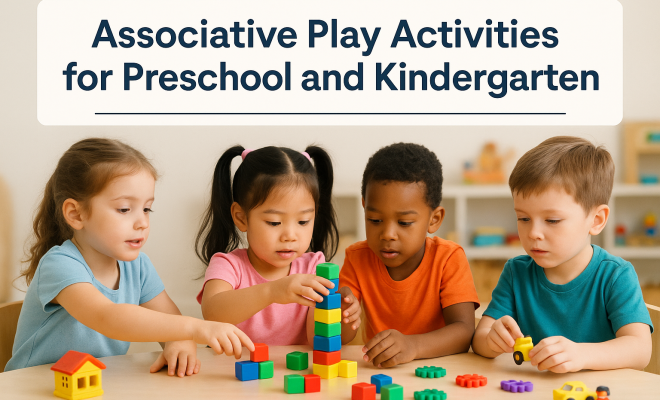
Associative play emerges during the preschool years, typically between the ages of 2 and 4, and it represents a significant step in a child’s social development. Unlike solitary play, where children engage on their own, or parallel play, where children play side by side without interaction, associative play involves children actively engaging with one another in their play activities. This type of play is characterized by sharing materials and ideas while still maintaining individual goals. For example, two children may build a block tower together, discussing what pieces to use while also expressing their own creative visions.
The Developmental Benefits of Associative Play Activities
Engaging in associative play is more than just fun; it offers a wealth of developmental benefits for preschool and kindergarten children. Here are some key advantages:
- Social Skills: Associative play activities help children learn how to communicate, cooperate, and resolve conflicts. As children negotiate roles, share resources, and collaborate on projects, they develop essential social skills that will serve them throughout their lives.
- Emotional Intelligence: Through interactions with their peers, children learn to understand and manage their emotions. They experience empathy as they navigate the feelings of others, allowing them to grow emotionally.
- Language Development: Associative play encourages conversation and dialogue, which enhances vocabulary and language skills. As children express their ideas and understand others’ perspectives, they build a strong linguistic foundation.
- Cognitive Growth: Problem-solving is a vital element of associative play. When children work together to create a game or build something, they learn critical thinking skills as they address challenges and make decisions.
- Creativity and Imagination: Associative play allows children to experiment with roles and narratives. This freedom to create and innovate promotes imaginative play, which is crucial for cognitive development.
Examples of Effective Associative Play Activities
Now that we understand the importance of associative play, let’s explore some engaging activities that encourage this type of interaction among preschool and kindergarten students.
1. Role-Playing Scenarios
Children love to role-play, and it can be an excellent way to facilitate associative play activities. Set up a play area that mimics real-world scenarios, such as a grocery store, doctor’s office, or restaurant. Provide props and costumes to enhance the experience. As children act out different roles, they will negotiate, share, and collaborate to make their play more dynamic.
2. Building Projects
Using blocks, LEGO sets, or other construction materials, children can work together to construct buildings, bridges, or other creative structures. This activity encourages them to communicate their ideas and make collective decisions about the design and construction process. They will learn to express their opinions respectfully while valuing the contributions of their peers.
3. Art Collaborations
Set up a large canvas or a community mural where children can contribute their artistic talents. Each child can add their own touches, facilitating conversation about colors, shapes, and ideas. This shared activity fosters a sense of community while allowing individual expression.
4. Group Games
Classic games like tag, Simon Says, or hide-and-seek can be great associative play activities. These games require children to interact, follow rules, and negotiate turns, enhancing their social skills. Adapt the rules or create new variations to keep things exciting and encourage creativity.
5. Nature Exploration
Take the children outside for nature walks, where they can explore their surroundings and discover new things together. Encourage them to collect leaves, rocks, or other natural items and discuss what they find. This fosters collaboration as they share their discoveries and ideas about what the items could represent in their imaginative play. (See: Positive Parenting and Learning.)
Creating an Environment that Encourages Associative Play
To maximize the benefits of associative play activities, it’s essential to create an environment that nurtures these interactions. Here are some tips for educators and caregivers:
- Flexible Spaces: Design learning spaces that can easily be rearranged to facilitate different types of play. Use open-ended materials that allow for various imaginative scenarios.
- Encourage Collaboration: Introduce activities that require teamwork. Group projects not only promote associational play but also help children learn to work effectively with others.
- Provide Guidance: While it’s important to allow children the freedom to play, adults should be present to facilitate interactions when conflicts arise or guidance is needed.
- Celebrate Diversity: Incorporate materials and themes that reflect the diverse backgrounds of the children in your care. This inclusivity can enhance associative play by allowing children to share their unique perspectives.
Challenges in Implementing Associative Play Activities
While the benefits of associative play are substantial, there are challenges that educators and caregivers may face in implementing these activities. For instance:
- Group Dynamics: Not all children will be eager to engage in associative play. Some may prefer solitary play or struggle with social interactions. It’s important to observe these dynamics and gently encourage participation without forcing it.
- Conflict Resolution: Conflicts are natural in associative play, and while they can be learning opportunities, they can also disrupt play. Educators need to be equipped with strategies to guide children through conflicts and teach them effective resolution skills.
- Time Constraints: In structured educational settings, time for free play may be limited. Finding a balance between structured learning and play-based learning is essential to ensure children benefit from associative play.
The Role of Caregivers and Educators
Caregivers and educators play a pivotal role in facilitating associative play activities. Their involvement can significantly impact how children engage with one another. Here’s how they can create an enriching environment:
- Model Interaction: Adults should actively engage with children in play, demonstrating how to share, take turns, and communicate effectively. This modeling sets the standard for children’s behavior.
- Encourage Reflection: After playtime, take a moment to reflect with the children. Ask them about their experiences, what they enjoyed, and what they learned from interacting with others.
- Provide Opportunities for Choice: Allow children to choose their play activities. When children feel more in control, they are likely to engage more deeply and creatively.
Current Relevance of Associative Play Activities
In today’s fast-paced, technology-driven world, the importance of play in education is more critical than ever. As children face increasing pressure to achieve academically, the opportunity to engage in associative play offers a necessary balance. Here’s why these activities are particularly relevant:
- Social Skills Development: With the rise of digital communication, children may be losing out on developing face-to-face social skills. Associative play activities provide a platform for genuine interactions, helping children learn how to communicate effectively.
- Stress Relief: Play is a natural stress reliever. In a high-pressure educational environment, the joys of associative play can help children unwind, find joy in learning, and foster resilience.
- Innovation in Education: Many educational frameworks are increasingly recognizing the value of play. Schools that incorporate associational play into their curricula can create a more holistic learning experience that nurtures the whole child.
Incorporating Associative Play Activities at Home
Parents and caregivers can also play a significant role in encouraging associative play activities at home. Here are some straightforward strategies:
- Playdates: Organize playdates with peers to give children the chance to engage in associative play outside of structured environments. This fosters friendships and allows children to practice social skills.
- Family Game Night: Incorporate board games or group activities that require cooperation and teamwork. This not only strengthens family bonds but also promotes associative play.
- Creative Play Areas: Create spaces in the home where children can engage in creative activities together. This could be an art station, a building zone, or a dramatic play area.
Creative Strategies to Enhance Associative Play
To further enhance associative play activities, consider these creative strategies that can be easily integrated into both classroom and home settings:
1. Themed Play Days
Organizing themed play days can add excitement and variety to associative play activities. For instance, you could have a “Superhero Day” where children dress up as their favorite superheroes and work together to solve problems or create a superhero storyline. This not only fosters creativity but also encourages children to collaborate and negotiate roles within their themed play.
2. Create Play Zones
Designate specific areas for different types of play, such as a reading nook, an art corner, or a construction zone. This structured approach can help children understand the purpose of each area while still allowing for associative play. For instance, in the art corner, children can work together on a collaborative art project, sharing supplies and ideas.
3. Incorporate Technology Thoughtfully
While technology can sometimes detract from play, it can also be used to enhance associative play if applied thoughtfully. For instance, interactive storytelling apps encourage children to narrate their stories while collaborating with peers. This method blends traditional play with modern technology, promoting both creativity and cooperative skills.
4. Use Music and Movement
Incorporating music and movement into play can elevate the experience. Organize dance parties or musical chairs with a twist, where children must work together to create a dance or sound performance. This not only enhances physical activity but also encourages children to collaborate and express themselves through different mediums. (See: Play and Learning in Early Childhood.)
5. Foster Storytelling Collaborations
Encourage children to create stories together. Provide them with story prompts or pictures and let them build a narrative as a team. This activity can be structured as a group storytelling circle or through a collaborative storybook creation. Storytelling helps with language development, imagination, and social skills as children learn to listen to each other and build on ideas.
Statistics Supporting the Impact of Associative Play
Research highlights the importance of play in child development, particularly associative play. Here are some key statistics:
- A study published in the journal Child Development found that children who frequently engage in associative play show improved social skills and emotional regulation, with a 20% increase in cooperative behaviors compared to their peers who do not.
- According to the American Academy of Pediatrics, children who participate in play-based learning environments score higher on standardized tests of language and literacy, demonstrating a correlation between play and academic readiness.
- Research from the National Association for the Education of Young Children (NAEYC) indicates that children engaged in various types of play, including associative play, display a 30% increase in creative thinking abilities, which translates to better problem-solving and innovation skills later in life.
Expert Perspectives on Associative Play Activities
Educators and child development experts emphasize the necessity of associative play in shaping well-rounded individuals. Here are some insights:
- Dr. Laura Jana, pediatrician and author: “Play is the foundation of learning. Associative play provides children with the experience of working together, which is essential in today’s collaborative world. It teaches them not just how to play, but how to thrive in social environments.”
- Dr. Kenneth Ginsburg, pediatrician and advocate for children’s health: “The most important lessons children learn in the early years often come from play. Associative play nurtures both emotional and social skills, which are vital for success in school and beyond.”
Frequently Asked Questions About Associative Play Activities
Here are some common questions parents and educators may have about associative play activities:
What age is best for introducing associative play?
Associative play typically begins around age 2 and continues to develop through age 4. However, older children can also benefit from these activities as they refine their social skills and interactions.
How can I encourage my child to engage in associative play with others?
Invite friends over for playdates and provide structured activities that promote collaboration, such as building projects or art activities. Be present to guide interactions and model positive social behaviors.
What if my child prefers solitary play?
It’s normal for some children to prefer solitary play. Encourage them gently to join group activities without pushing too hard. Respect their comfort levels while gradually introducing them to opportunities for associative play.
How does associative play differ from cooperative play?
While both associative and cooperative play involve social interactions, associative play allows children to engage with one another while pursuing individual goals. Cooperative play, on the other hand, typically involves children working together towards a common goal or objective.
Are there any long-term benefits to associative play?
Yes! Research indicates that children who engage in associative play demonstrate stronger social skills, better emotional regulation, and higher creativity levels throughout their lives. These skills are critical for personal and professional success in the future.
Additional Insights on Associative Play Activities
As we explore associative play activities deeper, it’s essential to look at how they impact various aspects of child development over time.
Link to Academic Success
Several studies indicate a strong correlation between play and academic achievement. Children who engage in play-based learning environments, including associative play, often perform better in school. This is particularly evident in areas such as reading and math, where problem-solving and creative thinking are critical. According to the National Public Radio (NPR), children who engage in free play show more interest in academic subjects, as they have learned to approach challenges with a creative mindset.
Encouraging Diversity in Play
Associative play can also be an excellent opportunity to introduce and encourage diversity. By including diverse toys, games, and storybooks that reflect various cultures and experiences, children can learn empathy and understanding toward others. For instance, using dolls of different ethnicities or books that feature characters from various backgrounds can enrich the play experience. This exposure can help children appreciate diversity and develop respect for people from different walks of life.
Parental Involvement
The role of parents in promoting associative play activities cannot be overstated. When parents actively participate in playtime, they set an example for their children. This involvement sends a clear message about the importance of play and collaboration. Engaging in activities such as building forts, playing board games, or creating art projects together can strengthen the parent-child bond and provide valuable opportunities for social learning.
Long-Term Social Impacts
Research shows that children who participate in frequent associative play are more likely to develop strong peer relationships and social networks as they grow older. These early interactions pave the way for improved communication skills, conflict resolution, and team collaboration—all of which are vital in adult life. In fact, studies have shown that these skills can lead to better job performance and career advancement.
Conclusion: Fostering Growth Through Play
Associative play activities are a vital component of early childhood education. They not only foster essential social and emotional skills but also nurture creativity, problem-solving, and collaboration. As we’ve explored, the benefits of these activities extend far beyond the classroom, influencing a child’s overall development. By embracing the power of associative play in both educational settings and at home, we can create a foundation for lifelong learning and healthy relationships. Investing in play today means investing in a brighter, more connected tomorrow.
“`
Trending Now
Frequently Asked Questions
What is associative play in preschool?
Associative play in preschool is a form of play where children engage with one another while sharing materials and ideas. It typically occurs between ages 2 and 4 and is characterized by cooperation and communication, allowing children to express their creativity while working together on common goals.
What are the benefits of associative play activities?
Associative play activities provide numerous benefits, including the development of social skills, emotional intelligence, and creativity. Children learn to communicate, cooperate, and resolve conflicts while navigating their emotions and understanding their peers, which are essential skills for their overall growth.
How can teachers encourage associative play?
Teachers can encourage associative play by creating an environment that promotes collaboration. This includes providing open-ended materials, setting up group activities, and facilitating discussions among children to help them share ideas and negotiate roles in their play.
What age does associative play typically start?
Associative play typically starts around the ages of 2 to 4 years. It represents a developmental milestone where children begin to interact more with their peers, sharing materials and ideas while still pursuing their individual creative goals.
How does associative play differ from parallel play?
Associative play differs from parallel play in that children actively engage with one another during associative play, sharing resources and ideas. In contrast, parallel play involves children playing side by side without interaction, focusing on their own activities rather than collaborating.
Have you experienced this yourself? We’d love to hear your story in the comments.


