Why Object Permanence Matters for Preschool Readiness
“`html
As children grow and develop, various milestones mark their cognitive and emotional growth. One essential concept that plays a significant role in this development, especially in the context of preschool readiness, is object permanence. This cognitive skill forms the foundation for many aspects of learning and social interaction that are crucial for thriving in a preschool environment. In this article, we’ll explore why object permanence is so vital, how it impacts preschool readiness, and what parents and educators can do to nurture this ability.
What Is Object Permanence?
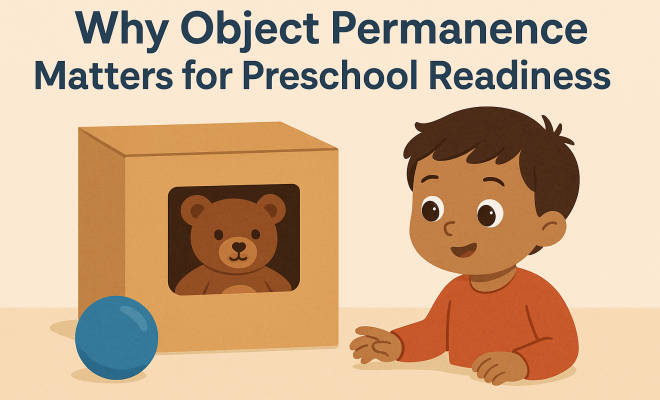
Object permanence refers to the understanding that objects continue to exist even when they cannot be seen, heard, or otherwise perceived. This concept was famously studied by Swiss psychologist Jean Piaget, who identified it as a critical stage in cognitive development. According to Piaget, infants typically begin to grasp object permanence around six to eight months, and this understanding continues to develop through the toddler years.
The typical progression of object permanence occurs in several stages. Initially, infants may search for a toy that has been hidden under a blanket, indicating they recognize the toy exists even though they cannot see it. As children grow, their understanding of object permanence becomes more sophisticated, allowing them to anticipate the location of hidden objects and understand that objects can move in and out of sight.
The Role of Object Permanence in Cognitive Development
Understanding object permanence is more than just a fun game of hide and seek; it plays a crucial role in cognitive development. When children realize that objects continue to exist even when they disappear from view, they start to develop critical thinking skills. For instance, this understanding lays the groundwork for more complex concepts like cause and effect, which is essential for problem-solving.
Moreover, grasping object permanence helps children develop memory skills. As they learn that objects exist independently, they begin to remember their previous interactions with these objects. This ability is foundational for social learning, where children observe and mimic behaviors, leading to further cognitive and social development.
The Connection Between Object Permanence and Preschool Readiness
Preschool readiness encompasses a range of skills beyond basic academics; it includes emotional, social, and cognitive readiness. Object permanence is a critical component of this readiness, as it affects how children interact with their environment and peers. Here are some key connections:
- Social Interactions: Children who understand object permanence are more likely to engage in social interactions with their peers. They can recognize the presence of others and anticipate their actions, which is fundamental for play and communication.
- Emotional Regulation: Recognizing that objects—and by extension, people—exist even when not immediately visible helps children manage separation anxiety. This understanding enables them to adapt more easily to new environments, such as preschool.
- Learning Engagement: A solid grasp of object permanence encourages curiosity. Kids are more likely to explore their environments and engage in learning activities when they understand that objects exist beyond their immediate perception.
Practical Ways to Foster Object Permanence in Young Children
Parents and educators play a pivotal role in helping children develop object permanence. Here are some practical activities that can be integrated into daily routines:
- Hide and Seek: This classic game is not just entertaining; it reinforces the concept of object permanence as children search for hidden objects or people.
- Peek-a-Boo: Simple yet effective, this game helps infants learn that just because they can’t see someone doesn’t mean they’re gone for good.
- Using Boxes or Containers: Encourage children to put toys inside boxes or containers and then take them out again. This reinforces the idea that the toys exist even when they’re out of sight.
- Storytime with Object Play: When reading stories, incorporate props that can be hidden and revealed. This makes the story interactive and emphasizes the existence of objects throughout the tale.
Signs That Your Child is Developing Object Permanence
Each child develops at their own pace, but there are some common signs that indicate your child is grasping the concept of object permanence:
- Searching for Hidden Items: If your child actively looks for a toy that has been hidden, it’s a good sign they understand that the toy still exists.
- Playing with Others: Engaging in cooperative play or games that require understanding another person’s actions shows your child is developing social awareness tied to object permanence.
- Separation Anxiety: While this can be challenging, a child who experiences anxiety when separated from their caregiver is beginning to understand that the caregiver still exists even when out of sight.
How Object Permanence Influences Early Learning
In preschool settings, children encounter structured learning environments that require grasping several concepts, many of which hinge on understanding object permanence. For example, during activities that involve sorting or categorizing objects, children must recognize that the items exist independently of their immediate environment. (See: Wikipedia on object permanence.)
Additionally, as children engage in storytelling, they learn to follow narratives where characters and events occur in sequence, further developing their understanding of time and continuity. This narrative comprehension is deeply rooted in their ability to hold onto the idea that the characters (or objects) continue to exist even when they are not currently visible. Activities like painting, building with blocks, or playing with dolls also enhance object permanence as children explore what happens when items are hidden, moved, or transformed.
The Impact of Technology on Object Permanence Understanding
In our digital age, children are increasingly exposed to screens and technology at a younger age. While there are certainly benefits to educational apps and interactive games, it’s crucial to be mindful of how this exposure can affect the development of object permanence.
For instance, fast-paced animations and quick transitions may hinder a child’s ability to grasp the concept of permanence, as they don’t always see a logical connection between actions and outcomes. In contrast, physical play and tactile experiences—like manipulating toys or engaging in creative activities—are essential for reinforcing this concept. Parents and educators should strive to balance screen time with hands-on experiences that promote a solid understanding of the physical world.
Challenges in Developing Object Permanence
While most children develop object permanence within the expected timeframe, some may face challenges. Conditions such as autism spectrum disorder (ASD) can impact how children process information about their environment, which may include difficulties with object permanence. These challenges can manifest in varying ways, from a lack of interest in play involving hidden objects to trouble with social interactions.
Identifying potential difficulties early on is crucial for providing appropriate support. Children who show signs of delayed object permanence should be encouraged to engage in activities that require this skill. Consulting with pediatricians or child psychologists can also provide valuable insights into tailored approaches, ensuring children receive the guidance they need to thrive.
The Importance of a Supportive Environment
Creating an environment that promotes exploration and learning is essential for all aspects of a child’s development, including object permanence. A supportive environment encourages curiosity and allows children to experiment with their world, both independently and with guidance.
Here are some tips for fostering a nurturing environment:
- Provide Diverse Learning Materials: Offer a range of toys and materials that encourage exploration, such as blocks, puzzles, and books. These tools can help reinforce the concept of object permanence.
- Encourage Safe Exploration: Allow children to explore their surroundings safely. Supervised play in varied settings—indoor and outdoor—can enhance their understanding of their environment.
- Use Everyday Moments: Incorporate lessons about object permanence into daily routines. For example, playing peek-a-boo while dressing or hiding toys during clean-up can promote learning through everyday actions.
Common Misconceptions About Object Permanence
As with many developmental concepts, misunderstandings can arise regarding object permanence. Here are some common misconceptions:
- All Children Develop Object Permanence at the Same Time: Many assume that development happens uniformly across all children. In reality, while there are average age ranges, each child’s journey is unique and influenced by individual experiences and learning styles.
- Object Permanence is Fully Developed by Two Years Old: While many children demonstrate a solid understanding of object permanence by age two, the nuance of this concept continues to evolve into later childhood as they encounter more complex scenarios that challenge their thinking.
- Screen Time Can Substitute for Physical Play: Some parents might believe that educational videos or games can replace physical interactions that promote object permanence. However, while technology can supplement learning, it cannot replicate the benefits of hands-on experience.
Strategies for Educators in the Classroom
For educators, recognizing the importance of object permanence in preschool readiness is crucial. Here are some strategies for incorporating this concept into the classroom:
- Hands-On Activities: Design activities that involve hiding objects and encouraging children to find them. This could be as simple as using a cloth to cover a toy or more complex scavenger hunts that require problem-solving skills.
- Interactive Storytelling: Use books that include elements of surprise or hidden objects. Encourage children to predict what happens next and discuss the continuity of characters and objects throughout the story.
- Group Games: Engage the whole class in group games like “Where is the Ball?” where one child hides a ball under a cup, and others guess where it is. This builds teamwork while reinforcing object permanence.
Expert Perspectives on Object Permanence
Understanding object permanence is not only essential from a developmental standpoint but also has been widely discussed by various child development experts. According to Dr. Sara Meadows, a child psychologist, “Nurturing a child’s understanding of object permanence is fundamental. It shapes their ability to learn, socialize, and develop emotionally.” Dr. Meadows emphasizes that parents and caregivers should actively encourage experiences that allow children to explore and reinforce this understanding.
In addition, Dr. Linda H. Smith, a prominent cognitive scientist, points out that “object permanence is a gateway to understanding the world around us. Children’s ability to grasp this concept significantly influences their future learning paths, particularly in how they comprehend relationships and spatial awareness.” Her insights suggest that enhancing children’s experiences related to object permanence can lead to improved cognitive skills down the line. (See: CDC on child development milestones.)
Statistics on Early Childhood Development
Various studies have shed light on the importance of object permanence and its relationship to preschool readiness. Research indicates that:
- Over 80% of children show visible signs of understanding object permanence by their first birthday.
- Children who develop this skill early often excel in social interactions in preschool settings, leading to a 30% higher engagement rate with peers.
- Studies show that children with delayed object permanence skills are 25% more likely to face challenges in emotional regulation during early childhood.
These statistics highlight why object permanence is a vital area of focus for parents and educators alike.
Frequently Asked Questions (FAQ)
1. What age do children typically start to understand object permanence?
Most children begin to show signs of understanding object permanence between 6 to 8 months of age.
2. How can I tell if my child is struggling with object permanence?
If your child is not showing interest in games that involve hiding or seeking objects or seems confused about where things have gone, they may be struggling with this concept.
3. Can I help my child develop object permanence through toys?
Absolutely! Toys that encourage hiding and seeking, like pop-up toys or nesting blocks, can be effective in reinforcing object permanence.
4. Is it normal for my child to experience separation anxiety related to object permanence?
Yes, many children experience separation anxiety as they begin to understand that loved ones exist even when not in sight, which is a sign of healthy cognitive development.
5. How can I incorporate object permanence into everyday activities?
Simple activities like hiding items during playtime and encouraging your child to find them or using everyday moments, such as playing peek-a-boo, can effectively reinforce this concept.
The Link Between Object Permanence and Emotional Development
Understanding object permanence doesn’t only affect cognitive skills; it has significant implications for emotional development as well. When children grasp that people and objects can exist independently of their immediate perception, they also begin to understand relationships and emotional bonds. This realization can help them navigate the complexities of social interactions and emotional responses.
For example, a child who understands that a parent will return after being out of sight is more likely to feel secure while playing independently. This sense of security enables them to explore their environment and develop confidence in their abilities. On the other hand, children who struggle with object permanence might experience heightened anxiety in social situations, as they can’t fully comprehend the idea of someone returning after they have left. (See: NIH on learning and development.)
Examples of Object Permanence in Daily Life
Object permanence manifests in various everyday scenarios. For instance, during playtime, children might engage in games where they cover toys with cloths or boxes. If they understand that the toy is still under there, they demonstrate object permanence. Similarly, during family meals, if a parent steps away temporarily, a child who understands object permanence might look for them but also recognize that they will come back, showcasing a deeper understanding of their relationships.
Storybooks often illustrate this concept as well. Many children’s books feature characters who go on adventures and return home, teaching kids that these characters exist beyond the pages. Such stories not only enhance comprehension skills but also reinforce the idea of continuity, vital for emotional stability.
Understanding Object Permanence Through Play
Play is a natural and effective avenue for children to develop object permanence. When children play with toys that hide and reveal objects—like balls that disappear into cups or dolls that can be hidden—they learn that these items still exist, even when they cannot see them. This kind of play encourages exploration and can be integrated into various learning activities.
For example, setting up a treasure hunt where children need to find hidden items can significantly enhance their understanding of object permanence. This activity not only reinforces the concept but also fosters cooperation and communication skills. In these playful settings, children can solidify their cognitive skills while having fun, making learning a joyful experience.
Conclusion: Embracing Object Permanence for Lifelong Learning
Understanding object permanence is crucial for preschool readiness and lays the groundwork for a lifetime of learning. By recognizing that objects exist beyond their immediate perception, children develop essential cognitive, social, and emotional skills that prepare them for the complexities of the world around them. Parents and educators must work together to nurture this skill, ensuring that children have the support they need to thrive in their early years.
As we continue to learn more about child development, it’s clear that fostering a deep understanding of object permanence not only aids in preschool readiness but also instills a sense of curiosity and a love for learning that can last a lifetime. So, whether you’re playing hide-and-seek or simply talking about the toys around you, remember that these interactions are building blocks for your child’s future success.
“`
Trending Now
Frequently Asked Questions
What is object permanence in child development?
Object permanence is the understanding that objects continue to exist even when they cannot be seen or perceived. This cognitive skill typically begins to develop in infants around six to eight months and is essential for later cognitive processes such as problem-solving and critical thinking.
Why is object permanence important for preschool readiness?
Object permanence is vital for preschool readiness because it underpins many cognitive skills necessary for learning and social interaction. It helps children understand that objects exist independently, which is foundational for grasping more complex concepts like cause and effect.
How can parents help develop object permanence in children?
Parents can nurture object permanence by engaging in simple games like hide and seek or using toys that can be hidden and revealed. Encouraging exploration and providing opportunities for children to search for hidden objects can strengthen their understanding of this concept.
At what age do children develop object permanence?
Children typically start to develop object permanence around six to eight months of age. This understanding continues to evolve as they grow, with more sophisticated grasping of the concept emerging through toddler years.
What are the stages of object permanence development?
The development of object permanence occurs in several stages, starting with infants recognizing a hidden toy and progressing to anticipating the location of objects. As children mature, they learn that objects can move in and out of view, enhancing their understanding of their environment.
Agree or disagree? Drop a comment and tell us what you think.