Temperament in Preschool: Predicting Kindergarten Readiness
“`html
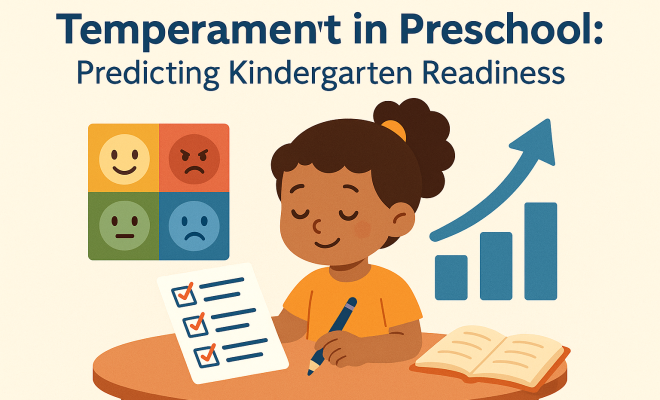
As children transition from preschool to kindergarten, their readiness for the new academic environment becomes a critical concern for parents and educators alike. One of the most significant factors influencing this readiness is preschool temperament. Understanding preschool temperament can provide parents with valuable insights into their children’s emotional and social development, which are essential for a smooth transition into kindergarten.
Understanding Preschool Temperament
Temperament refers to the innate traits that influence how children react to the world around them. These traits are often observable from a very young age and include aspects like emotional regulation, activity levels, and sociability. Research indicates that temperament can significantly impact a child’s ability to adapt to new environments, such as kindergarten.
There are several widely recognized models of temperament, with one of the most influential being the New York Longitudinal Study, which categorizes temperament into nine dimensions: activity level, rhythmicity, approach/withdrawal, adaptability, intensity, mood, threshold of responsiveness, quality of mood, and distractibility. By understanding these dimensions, parents can better appreciate their child’s unique temperament and how it may affect their readiness for kindergarten.
The Role of Temperament in Kindergarten Readiness
Research suggests that certain temperamental traits can predict how well children will adjust to the kindergarten setting. For example, children with high adaptability and a positive mood tend to transition more smoothly than those with more intense emotions or lower adaptability. When children are able to manage their emotions and adapt to new situations, they are more likely to succeed academically and socially in kindergarten.
Moreover, emotional regulation is critical. Children who can control their impulses and manage their feelings are generally better equipped to handle the structured environment of a kindergarten classroom. In contrast, those who struggle with emotional regulation may find themselves overwhelmed, leading to behavioral issues that can impede their learning and integration into the classroom.
Temperament Types and Class Dynamics
Understanding the different temperament types can also help in creating an inclusive classroom environment. For instance, children who are more introverted may need additional support in social situations, while more extroverted children might require guidance in learning to share space and attention.
Teachers can tailor their approaches to accommodate these varied temperamental needs. A child’s temperament can influence not only their personal learning journey but also how they interact with peers, which is essential for building friendships and working in groups.
Key Temperament Traits for School Success
While every child is unique, several key temperament traits have been identified as particularly beneficial for school success:
- Adaptability: Children who adapt well to new situations are often more resilient when faced with challenges.
- Emotional regulation: The ability to manage emotions helps children respond to classroom dynamics positively.
- Sociability: Those who are naturally sociable tend to make friends easily, which can enhance their school experience.
- Persistence: A persistent child is more likely to tackle challenging tasks without giving up.
Fostering these traits can significantly enhance a child’s readiness for kindergarten. Parents can support their children’s development in these areas through targeted activities and encouragement.
Practical Strategies for Parents
To help prepare your child for the transition to kindergarten, consider the following practical strategies that focus on nurturing a positive preschool temperament:
- Encourage social interactions: Arrange playdates or group activities to help your child practice social skills.
- Model emotional regulation: Demonstrate how to manage feelings in various situations, providing a model for your child to follow.
- Foster a routine: Establishing a daily routine can help children feel secure and adapt better to the structured environment of kindergarten.
- Teach problem-solving: Engage your child in discussions about how to approach challenges, building their persistence and adaptability.
By implementing these strategies, parents can create a supportive environment that nurtures their child’s temperament, ultimately aiding in their readiness for kindergarten. (See: Research on temperament and development.)
Assessing Your Child’s Temperament
To effectively support your child, it’s essential to assess their temperament. Parents can start by observing their child’s reactions in different situations. Are they quick to adapt to new environments? Do they express emotions openly, or do they tend to keep them in check? Various temperament assessment tools are also available, which can provide insights into your child’s personality traits.
Additionally, consider seeking feedback from preschool teachers. They often have experience working with various temperaments and can offer valuable observations about how your child interacts with peers and responds to challenges.
The Importance of Early Intervention
If you notice that your child struggles with certain temperamental traits that may hinder their readiness for school, don’t hesitate to seek early intervention. Programs focusing on social-emotional skills can help children develop better coping mechanisms and improve their ability to function in a classroom setting.
Early intervention can take many forms, including therapy, social skills groups, or even simple at-home activities designed to enhance emotional regulation and adaptability. The earlier you address these issues, the better prepared your child will be for the transition to kindergarten.
Current Research and Trends
Recent studies highlight the growing recognition of the role of temperament in early childhood education. Educational frameworks are evolving to incorporate knowledge of individual temperament, tailoring instruction to meet the diverse needs of children. This shift not only benefits children by allowing them to learn in a way that suits their natural inclinations but also assists teachers in effectively managing classroom dynamics.
Moreover, researchers are increasingly examining how preschool temperament impacts long-term academic achievement. Findings suggest that children with favorable temperamental traits are more likely to excel in school, leading educators to advocate for greater emphasis on social-emotional learning in preschool curricula.
The Impact of Family Environment on Preschool Temperament
While temperament is largely innate, the family environment plays a critical role in shaping how these traits manifest. Children raised in nurturing, supportive environments tend to develop their temperamental traits in ways that enhance their social and emotional skills. For example, a warm, responsive parenting style that encourages open communication can help children learn to regulate their emotions effectively.
On the other hand, children who experience high levels of stress or inconsistency at home may struggle with adaptability and emotional regulation. Studies show that children from stable and supportive family backgrounds exhibit a higher readiness for school, often correlating with positive temperamental traits. This highlights the need for parents to create a nurturing home atmosphere conducive to healthy emotional development.
Examples of Temperament in Action
To illustrate how preschool temperament can affect behavior and learning, consider the following scenarios:
- Scenario 1: A child with a low adaptability score may have difficulty transitioning from free play to a structured activity, resulting in tantrums or withdrawal. Teachers can help this child by introducing transitions gradually and providing clear expectations.
- Scenario 2: A highly sociable child enters a new classroom with ease, quickly forming friendships. However, they may struggle with turn-taking during group activities. Educators can facilitate this by incorporating games that emphasize sharing and cooperation.
- Scenario 3: A child who tends to be easily distracted may find it hard to concentrate during storytime. Teachers can implement strategies like seating them closer to the front or using visual aids to keep their attention focused during lessons.
These examples demonstrate the importance of recognizing individual temperamental traits and adapting teaching methods accordingly to support each child’s unique learning journey.
Collaboration Between Parents and Educators
Successful preparation for kindergarten requires a collaborative effort between parents and educators. Parents can provide insights about their child’s temperament, which can inform teachers’ approaches in the classroom. Regular communication between home and school is essential in ensuring that strategies used in the classroom align with those practiced at home.
For example, if a child struggles with emotional regulation, parents and teachers can work together to develop consistent strategies for managing emotions. This could involve utilizing specific language to discuss feelings or implementing calming techniques during stressful situations. By maintaining a unified approach, both parents and educators can create a more seamless and supportive transition to kindergarten.
Common Questions About Preschool Temperament
What is preschool temperament?
Preschool temperament refers to a child’s innate behavioral and emotional characteristics that influence how they respond to their environment. These traits can include adaptability, emotional regulation, sociability, and more. (See: Temperament in early childhood.)
How can I assess my child’s temperament?
Parents can observe their child’s reactions in various situations, paying attention to how they handle new experiences, their emotional responses, and social interactions. There are also formal temperament assessment tools available that can offer insights.
Can temperament change over time?
While certain aspects of temperament are stable, they can be influenced by experiences and environmental factors. Positive reinforcement and supportive environments can help children develop more adaptive behaviors, even if their innate temperament remains unchanged.
How can teachers accommodate different temperamental traits in the classroom?
Teachers can employ tailored strategies that cater to individual temperamental needs, such as providing additional support for introverted children or implementing structured activities that help extroverted children learn to share and take turns.
What role does emotional regulation play in kindergarten readiness?
Emotional regulation is crucial for kindergarten readiness, as it allows children to manage their feelings and impulses. This ability helps them adapt to the structured environment of a classroom, interact positively with peers, and navigate challenges independently.
Strategies for Enhancing Preschool Temperament
Improving preschool temperament is a proactive process that involves both direct and indirect strategies. Here are some approaches that can be beneficial:
- Storytelling and Role-Playing: Engaging children in storytelling or role-playing can help them navigate complex emotions and situations. It also helps in building empathy as they explore different perspectives.
- Mindfulness Activities: Simple mindfulness exercises can greatly benefit emotional regulation. Techniques such as deep breathing, yoga, or guided imagery can help children learn to calm themselves and manage stress effectively.
- Positive Reinforcement: Celebrate small successes. Recognizing and rewarding positive behavior encourages children to repeat those actions. This can be especially helpful for traits like persistence and sociability.
- Routine Changes: Gradually introduce changes in routine to help children adapt better. This can include changes in playtime, mealtime, or even bedtime. By simulating minor changes, children can learn to adapt to new situations with less anxiety.
Benefits of Understanding Preschool Temperament
Recognizing and understanding preschool temperament offers numerous benefits for both children and parents. Here are a few key advantages:
- Enhanced Communication: Understanding a child’s temperament allows parents to tailor their communication style. For instance, a sensitive child may need a softer approach compared to a more resilient child.
- Improved Parenting Techniques: By recognizing each child’s temperament, parents can adopt strategies that align with their child’s needs, leading to more effective parenting and reduced frustration.
- Better Family Dynamics: When parents understand the temperamental traits of their children, it fosters a more harmonious family environment. Siblings with differing temperaments can also learn to appreciate each other’s unique traits, leading to mutual respect.
- Long-term Benefits: Children who are supported in their temperament are more likely to develop self-esteem and confidence. These traits can lead to better academic performance and social relationships in the future.
Longitudinal Studies on Preschool Temperament
Several longitudinal studies have tracked children from preschool through their later school years to understand how temperament affects overall development. For example, the Dunedin Multidisciplinary Health and Development Study in New Zealand has shown that children with more adaptable temperaments tend to have better social relationships and academic outcomes as they progress through school.
Another study published in the Journal of Abnormal Child Psychology found that preschoolers with high levels of emotional regulation were less likely to develop behavioral problems in later years, indicating the importance of fostering these traits early on.
Expert Insights on Preschool Temperament
Experts in child psychology emphasize the importance of recognizing and nurturing preschool temperament. Dr. Daniel Siegel, a renowned child psychiatrist, suggests that understanding a child’s temperament can significantly improve parent-child relationships. He emphasizes that parents should not only react to behaviors but also to the underlying temperament traits that drive those behaviors.
Moreover, educational psychologist Dr. Michele Borba notes that children with a strong sense of emotional awareness—often tied to temperament—tend to have better conflict resolution skills and empathy. She advocates for teaching children about their emotions and helping them articulate their feelings as a means of fostering socially responsible behavior.
Cultural Considerations in Preschool Temperament
Cultural background plays an important role in how temperament is perceived and nurtured. Different cultures have varying expectations for behavior, which can influence how temperament traits are valued. For instance, in some cultures, high sociability is encouraged, while in others, a more reserved temperament is appreciated.
Parents from diverse backgrounds should consider how their cultural values align or conflict with conventional educational practices. This understanding can help them advocate for their child’s needs within the school system. Educators should also be trained to recognize these cultural differences to create an inclusive atmosphere that respects and accommodates various temperamental expressions.
Common Misconceptions About Preschool Temperament
Many misconceptions surround the concept of preschool temperament. Here are a few to be aware of:
- Temperament is Fixed: Many believe that temperament traits are unchangeable. While they are relatively stable, children’s behaviors can evolve with guidance and supportive environments.
- Only Negative Traits Need Addressing: Some parents focus solely on adjusting negative temperament traits. However, it’s important to nurture positive traits, too, fostering an environment where children can thrive.
- Temperament Equals Behavior: It’s easy to conflate temperament with behavior; however, temperament is more about underlying emotional responses and less about overt actions. Understanding this distinction can help parents and educators approach situations more effectively.
Frequently Asked Questions About Preschool Temperament
What is the most important temperament trait for preschoolers?
While all temperamental traits are important, emotional regulation is often viewed as the most crucial for preschoolers. It allows them to navigate social interactions and classroom dynamics more effectively.
How can I teach my child emotional regulation?
Teaching emotional regulation can involve using games that teach feelings, discussing emotions openly, and modeling appropriate responses to stress. Techniques such as breathing exercises can also be effective.
How do teachers assess temperament in the classroom?
Teachers often assess temperament through observations of children’s reactions to various situations, interactions with peers, and responses to challenges. They may also use standardized tools designed for classroom settings.
Can temperament influence lifelong personality traits?
Yes, preschool temperament can influence personality traits over time. While many factors contribute to personality development, early temperamental characteristics often set the stage for future behavior patterns.
Is there a link between temperament and special needs?
Children with certain temperamental traits may be at higher risk for developing behavioral issues or learning difficulties. Early identification and targeted support can help these children thrive academically and socially.
Conclusion: A Holistic Approach to Kindergarten Readiness
Ultimately, understanding and nurturing preschool temperament is crucial for fostering kindergarten readiness. By recognizing how temperament influences emotional and social development, parents can take actionable steps to support their children’s growth. This proactive approach not only enhances individual readiness but also contributes to a positive educational environment where all children can thrive. As schools increasingly recognize the importance of temperament, the collaboration between parents and educators will be essential in shaping a successful transition for young learners.
“`
Trending Now
Frequently Asked Questions
What is preschool temperament?
Preschool temperament refers to the innate traits that influence how children respond to their environment. These traits include emotional regulation, activity levels, and sociability, which can significantly affect a child's ability to adapt to new settings like kindergarten.
How does temperament affect kindergarten readiness?
Temperament plays a crucial role in kindergarten readiness by influencing a child's emotional and social development. Traits such as adaptability and positive mood can lead to smoother transitions, while intense emotions may hinder adjustment to the new academic environment.
What are the dimensions of temperament in children?
The New York Longitudinal Study identifies nine dimensions of temperament: activity level, rhythmicity, approach/withdrawal, adaptability, intensity, mood, threshold of responsiveness, quality of mood, and distractibility. These dimensions help parents understand their child's unique temperament.
Why is emotional regulation important for preschoolers?
Emotional regulation is vital for preschoolers as it enables them to manage their impulses and feelings. Children who can regulate their emotions are generally better prepared to handle the challenges of kindergarten, leading to greater academic and social success.
How can parents support their child's temperament development?
Parents can support their child's temperament development by observing their unique traits and providing a nurturing environment. Encouraging emotional expression, teaching coping strategies, and fostering adaptability can help children transition more smoothly into kindergarten.
What’s your take on this? Share your thoughts in the comments below — we read every one.