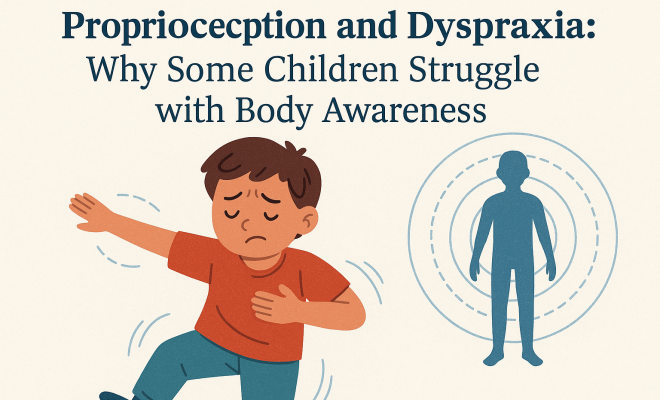
Proprioception & Dyspraxia: Understanding Body Awareness Struggles
“`html
Introduction to Proprioception and Dyspraxia
Ever wondered why some children seem to stumble over their own feet or have difficulty catching a ball? This isn’t just clumsiness; it can be a sign of proprioception dyspraxia, a condition that affects a child’s ability to understand their body’s position in space. Proprioception refers to the body’s sense of itself — how we perceive the position, movement, and action of our limbs and muscles. It’s an essential aspect of physical coordination and balance.
For many children, proprioception develops naturally with age and experience. However, for kids with dyspraxia, this development can be hindered, leading to significant challenges in their daily lives. This article will explore the intricacies of proprioception dyspraxia, examining its causes, symptoms, and the impact it has on children and their families.
The Science Behind Proprioception
Proprioception is a sensory system that provides feedback to the brain regarding the position of the body and its movements. This system relies on specialized sensory receptors called proprioceptors, located in muscles, tendons, and joints. When you move, these receptors send signals to your brain, allowing it to understand where your body parts are without needing to look.
Proprioception is crucial for coordinating movements, performing everyday tasks, and engaging in physical activities. It helps you maintain balance while walking, adjust your posture while sitting, and even navigate through tight spaces without collision. For children, effective proprioception is essential for play, learning, and developing social connections.
Understanding Dyspraxia
Dyspraxia, also known as Developmental Coordination Disorder (DCD), is a neurological condition that affects motor skill development. Children with dyspraxia may struggle with fine motor skills, like writing or buttoning a shirt, as well as gross motor skills, such as running or jumping. Their challenges are not due to physical impairments but are often linked to difficulties in processing information about their body’s movements.
This condition often coexists with other issues, such as Attention Deficit Hyperactivity Disorder (ADHD) or learning disabilities. Experts estimate that dyspraxia affects about 5-6% of children, making it one of the most common developmental disorders. Understanding dyspraxia is vital for parents, teachers, and healthcare providers to adequately support affected children.
Linking Proprioception and Dyspraxia
So, how does proprioception dyspraxia come into play? The two are deeply interconnected. Children with dyspraxia often exhibit poor proprioception, making it hard for them to gauge their body’s movements. This lack of body awareness leads to awkward movements and can impact their abilities in sports, physical education, and even social activities.
For instance, a child with proprioception dyspraxia might struggle to catch a ball because they misjudge the distance and speed of their own arms and the ball’s trajectory. In essence, the impaired proprioceptive feedback hampers their execution of fine and gross motor skills, reinforcing a cycle of frustration and low self-esteem.
Signs and Symptoms of Proprioception Dyspraxia
Recognizing the signs of proprioception dyspraxia is crucial for early intervention. Symptoms can vary widely among children, but some common indicators include:
- Clumsiness: Frequently stumbling, falling, or having difficulty with balance.
- Difficulty with fine motor skills: Struggles with tasks like drawing, writing, or using utensils.
- Challenges in sports: Difficulty catching, throwing, or kicking a ball.
- Poor spatial awareness: Trouble judging distances or navigating through space.
- Low muscle tone: A tendency to appear floppy or weak in their movements.
If you notice these signs in your child, it might be worth consulting a professional for an assessment. Early diagnosis and intervention can make a significant difference in their development.
The Role of Assessment and Diagnosis
Getting a proper diagnosis involves a comprehensive assessment by healthcare professionals, such as pediatricians, occupational therapists, or psychologists. They may use standardized tests to evaluate a child’s motor skills, proprioceptive abilities, and overall development. Parents may also be asked to provide detailed observations of their child’s behavior and abilities in everyday situations. (See: CDC on child development.)
It’s important to remember that dyspraxia is not a one-size-fits-all condition. Children can exhibit a range of symptoms and severity levels. Therefore, a tailored approach to assessment and intervention is critical. A multi-disciplinary team might be involved to address various aspects of the child’s development, ensuring a holistic understanding of their needs.
Interventions and Strategies for Support
Supporting a child with proprioception dyspraxia involves implementing strategies that enhance their body awareness and motor skills. Here are several effective approaches:
- Occupational Therapy: An occupational therapist can design activities that improve proprioceptive feedback and fine motor skills. This might include play-based therapy, which can help make learning fun.
- Physical Activities: Engaging in sports like swimming, gymnastics, or martial arts can enhance body awareness and coordination. Movement-based activities encourage children to explore their physical capabilities.
- Social Skills Training: Group activities can help children develop social skills and improve their confidence in interacting with peers. Encouragement from peers can motivate them to step out of their comfort zones.
- Home Activities: Simple games that involve jumping, balancing, or throwing can support proprioceptive development. Encouraging children to engage in play that requires movement can bolster their confidence and skills.
Parent involvement is crucial in this process. By creating a supportive environment at home, you can reinforce the skills learned during therapy sessions. Establishing routines that incorporate movement can also help enhance proprioceptive awareness in daily life.
Educational Accommodations
Children with proprioception dyspraxia may encounter difficulties in academic settings, particularly in subjects requiring fine motor skills. Schools can play a significant role in their success by providing accommodations that cater to their needs.
For example, allowing extra time for writing assignments, providing assistive tools such as adaptive scissors or weighted pencils, and encouraging the use of computers for written tasks can all help. Additionally, physical education programs should be adaptive, focusing on participation rather than competition to foster a sense of inclusion and achievement.
Teachers should be educated about dyspraxia, understanding how to create an inclusive classroom environment that values each child’s unique abilities. Collaboration between parents and educators can lay the groundwork for a supportive network that encourages the child’s growth.
Emotional and Social Impact
The challenges of living with proprioception dyspraxia extend beyond physical difficulties. Children may struggle with self-esteem, especially if they feel different from their peers. They might become frustrated or anxious during physical activities, leading to avoidance behavior.
It’s crucial to foster a positive self-image in children with dyspraxia. Positive reinforcement, celebrating small victories, and promoting their strengths can help in building confidence. Encourage open conversations about their feelings, validating their experiences, and reassuring them that it’s okay to need extra support.
Social skills training can also equip them with the tools to navigate friendships and group interactions. As they become more confident in their physical abilities, they’ll likely feel more at ease socially, leading to deeper connections with peers.
Current Research and Developments
The field of proprioception dyspraxia is evolving, with ongoing research aimed at better understanding the neurological underpinnings of the condition and refining treatment approaches. Recent studies have focused on how proprioceptive training can lead to measurable improvements in motor skills and overall coordination.
There’s also increasing interest in the role of technology in supporting children with dyspraxia. Virtual reality and interactive gaming are being explored as tools for enhancing proprioceptive feedback and motor skill practice. These innovative approaches aim to make therapy engaging while providing tailored experiences for children.
As awareness grows, advocacy for children with dyspraxia is becoming more robust. Organizations focused on learning disabilities provide resources, support, and community for families, ensuring that no one has to navigate this journey alone. (See: NIH article on proprioception.)
Frequently Asked Questions About Proprioception Dyspraxia
What exactly is proprioception dyspraxia?
Proprioception dyspraxia refers to a combination of poor proprioceptive feedback and dyspraxia, which affects a child’s ability to judge their body’s movements and positions. This can lead to clumsiness and difficulties with coordination.
How is proprioception dyspraxia diagnosed?
The diagnosis typically involves a multi-faceted assessment by healthcare professionals, including pediatricians and occupational therapists. They may utilize standardized tests, parent questionnaires, and observations to gauge the child’s motor skills and proprioceptive abilities.
Can proprioception dyspraxia improve over time?
With appropriate support and interventions, many children experience improvements in their proprioceptive skills and overall coordination. Early intervention is crucial in fostering positive outcomes.
Is there a cure for dyspraxia?
While there is no cure, effective management strategies such as therapy, tailored exercises, and support can help children develop the skills needed to navigate their challenges successfully.
What types of therapy are most beneficial?
Occupational therapy is particularly beneficial for enhancing motor skills and proprioception. Physical therapy can also support gross motor development, while social skills training can help improve interactions with peers.
How can parents support their children at home?
Creating a supportive home environment is essential. Engage in activities that promote movement, provide positive reinforcement, and facilitate social interactions. Games and playful exercises that require coordination can be particularly helpful.
Are there specific activities that can help?
Yes, activities that enhance proprioception include obstacle courses, balance exercises, and sports that require hand-eye coordination, like basketball or soccer. These activities can be fun while also serving therapeutic purposes.
Expert Perspectives on Proprioception Dyspraxia
Experts in child development and neurology emphasize the importance of recognizing and addressing proprioception dyspraxia early. Dr. Sarah Thompson, a pediatric occupational therapist, notes that “Children who struggle with proprioception often feel isolated or frustrated. It’s crucial to create environments where they can engage safely and build their confidence.”
Similarly, educational psychologist Dr. Michael Johnson points out the significance of tailored educational strategies. “Understanding each child’s unique challenges allows educators to modify their approaches, ensuring that all students can thrive and feel included in classroom activities.”
Comparing Proprioception Dyspraxia with Other Conditions
It’s beneficial to differentiate proprioception dyspraxia from other similar developmental disorders, such as sensory processing disorder (SPD) and general dyspraxia. While dyspraxia is characterized by coordination difficulties, SPD involves challenges in responding to sensory input, which can also affect motor skills. (See: WHO on physical activity.)
For instance, a child with SPD may overreact or underreact to sensory stimuli, which can further complicate their ability to engage in physical activities. Understanding these distinctions helps caregivers and educators provide appropriate interventions.
The Importance of Community and Support Networks
Building a community around children with proprioception dyspraxia can significantly enhance their development. Support groups for parents can provide invaluable resources, shared experiences, and emotional support. Online communities and local organizations often host events where families can connect and learn from one another.
Additionally, involving children in group therapies or recreational activities tailored for those with similar challenges can foster friendships and lessen feelings of isolation. Such interactions not only promote social skills but also provide children with a sense of belonging.
Parental Strategies for Navigating Daily Life
Parents can play a crucial role in helping their child navigate daily life with proprioception dyspraxia. Here are some practical tips:
- Establish Routines: Consistency can help children feel more secure. Establishing daily routines that include time for physical activities can help improve their motor skills.
- Encourage Independence: Allow your child to try tasks independently, even if they may struggle. This fosters confidence and a sense of accomplishment.
- Be Patient: Understand that progress may be slow, and celebrate small wins along the way. Patience is key in helping your child feel supported.
- Educate Yourself: Understanding proprioception dyspraxia can empower you to advocate for your child’s needs, whether in educational settings or with healthcare providers.
Long-Term Outcomes and Life Skills
As children with proprioception dyspraxia grow, they can continue to thrive with the right support and interventions. Many go on to develop valuable life skills that equip them for a successful future. Here are some potential outcomes:
- Resilience: Overcoming challenges can foster a strong sense of resilience. Children learn to navigate obstacles, which can serve them well in adulthood.
- Adaptive Skills: Learning to manage their condition can lead to the development of adaptive strategies that benefit various aspects of their lives, from academics to personal relationships.
- Career Success: With support, many individuals with dyspraxia find successful careers in fields that leverage their unique strengths, such as creative arts, technology, or entrepreneurship.
Conclusion: A Path Forward
Understanding proprioception dyspraxia is essential for parents, educators, and healthcare providers alike. By recognizing the signs and symptoms, seeking appropriate assessments, and implementing effective strategies, we can empower children with the tools they need to thrive.
With the right support, children with proprioception dyspraxia can learn to embrace their uniqueness and succeed in their endeavors. It’s not merely about overcoming challenges; it’s about celebrating the journey toward self-awareness and confidence in their bodies. The road may be rocky at times, but with patience, understanding, and love, every child can find their stride.
“`
Trending Now
Frequently Asked Questions
What is proprioception and why is it important?
Proprioception is the body's ability to sense its position and movement in space. It relies on specialized receptors in muscles and joints to provide feedback to the brain. This sense is crucial for coordination, balance, and performing everyday activities, especially for children as they grow and develop.
What are the signs of dyspraxia in children?
Children with dyspraxia may show signs such as difficulty with fine and gross motor skills, clumsiness, trouble with balance, and challenges in performing tasks like writing or catching a ball. These difficulties can impact their daily activities and social interactions.
How does dyspraxia affect a child's development?
Dyspraxia can hinder a child's motor skill development, affecting their ability to perform physical tasks. This can lead to challenges in play, learning, and socialization, making it difficult for them to engage with peers and participate in activities that require coordination.
Can proprioception be improved in children with dyspraxia?
Yes, proprioception can be improved through targeted therapies and exercises. Occupational therapy often focuses on enhancing body awareness and coordination, helping children with dyspraxia develop better motor skills and improve their overall physical abilities.
What causes dyspraxia in children?
The exact causes of dyspraxia are not fully understood, but it is believed to be related to neurological development. Factors such as genetics, premature birth, or brain injuries may contribute to the condition, affecting the child's ability to coordinate movements and process sensory information.
Agree or disagree? Drop a comment and tell us what you think.