2026 Study: Eye Tracking & AI Detect Real-World Mental Stress
“`html
Introduction: The Intersection of Technology and Mental Health
In a groundbreaking study published on June 20, 2026, researchers have taken a significant step forward in the field of mental health by demonstrating that eye tracking mental stress can be effectively classified using deep learning techniques outside of controlled laboratory environments. This research represents a pivotal shift in how we understand, detect, and potentially manage mental stress in our everyday lives.
The Science Behind Eye Tracking
Eye tracking technology analyzes the movement and position of the eyes to gather data about a person’s visual focus. It can reveal insights into cognitive processes and emotional states, making it a valuable tool in various fields, including psychology, marketing, and user experience research.
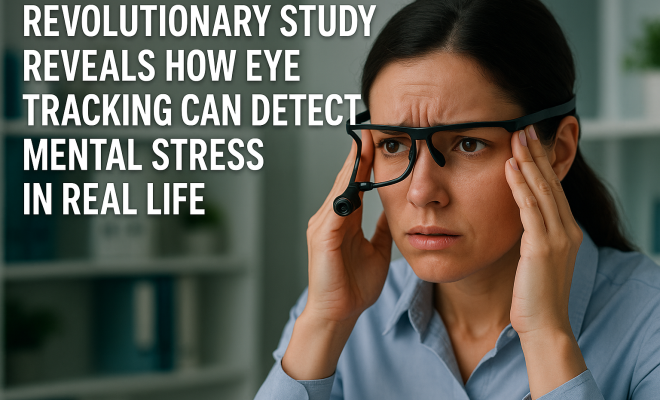
The core principle of eye tracking lies in the idea that our eyes are windows to our mental state. Subtle changes in eye movements—like pupil dilation, blink rate, and saccadic movements—can indicate stress levels. Traditionally, these measurements have been confined to laboratory settings, but new advances are paving the way for more realistic applications.
Deep Learning: A Game-Changer in Stress Classification
At the heart of this new research is the application of deep learning algorithms, which are designed to process vast amounts of data and identify patterns that would be difficult to detect using traditional analysis methods. By training these models on eye-tracking data, the researchers have developed a system that can classify mental stress with remarkable accuracy.
This integration of deep learning with eye tracking allows for real-time assessments of stress levels in a variety of settings, making the findings not only relevant but also practical for everyday use. Imagine a workplace environment where employers could monitor employee well-being in a non-invasive way, offering support when it’s most needed.
Moving Beyond Controlled Environments
One of the most exciting aspects of this study is its departure from laboratory conditions. Previous research often relied on controlled settings, which can limit the generalizability of findings. By conducting this study in real-world environments, the researchers have made significant strides in understanding how stress manifests in daily life.
This shift is crucial for several reasons. First, it reflects the complexities of real-world stressors, which are often multifaceted and unpredictable. Second, it enhances the relevance of the findings for mental health professionals, employers, and individuals seeking to understand their mental well-being.
Potential Applications in Everyday Life
The implications of classifying eye tracking mental stress are vast. Here are several potential applications that could emerge from this research:
- Workplace Monitoring: Employers could use eye-tracking technology to assess employee mental health proactively, enabling them to offer resources or interventions before stress escalates.
- Consumer Mental Health Tech: Wearable devices that track eye movements could provide users with insights into their stress levels, helping them manage their mental health more effectively.
- Remote Learning: Educational institutions might employ this technology to gauge student engagement and stress levels during online classes, allowing for tailored support.
- Public Health Initiatives: Communities could leverage eye tracking data to identify stress hotspots and deploy mental health resources where they’re most needed.
Ethical Considerations and Privacy Concerns
While the potential benefits of monitoring eye tracking mental stress are considerable, they also raise important ethical questions. The prospect of using eye tracking for stress assessment touches on issues of privacy, surveillance, and consent.
For instance, what happens if employers begin to monitor their employees’ stress levels without their knowledge? Will individuals be comfortable with technology that can potentially reveal their mental state? Addressing these questions is essential to ensure that advancements in mental health monitoring respect personal privacy and autonomy.
Conversations Surrounding Mental Health Awareness
This research is timely, coinciding with a growing awareness of mental health issues in society. As discussions about mental health become less stigmatized, the demand for innovative solutions to monitor and manage mental well-being is increasing. The ability to detect stress early through eye tracking could empower individuals to take proactive steps in their mental health journey. (See: Eye tracking and mental health research.)
Moreover, understanding how stress manifests physically could encourage a more empathetic approach to mental health in workplaces, schools, and communities. If people can visualize the indicators of stress through technology, they may be more inclined to address their mental health needs.
Expert Perspectives on the Findings
Experts in the field of psychology and technology have weighed in on the implications of this study. Dr. Emily Carter, a leading researcher in applied psychology, stated, “This study represents a significant shift toward making mental health monitoring more accessible and relevant to individuals. It’s exciting to think about how eye tracking could be integrated into everyday life.”
Conversely, Dr. Mark Lewis, an ethicist specializing in technology and privacy, cautioned against the potential misuse of such technology. “While the advancements in mental health monitoring are promising, we must tread carefully. The ethical implications of surveillance must be at the forefront of any new development in this area.”
Future Research Directions
The research published in June 2026 is merely a stepping stone in the exploration of eye tracking mental stress. Future studies may delve into various factors, such as demographic differences in stress responses or the long-term impacts of stress detection technologies.
Additionally, researchers might explore the integration of other biometric data, such as heart rate or skin conductance, to create a more comprehensive picture of an individual’s mental state. This multimodal approach could enhance the accuracy and reliability of stress assessments.
Understanding Eye Tracking Metrics
To fully grasp the findings of eye tracking studies related to mental stress, it’s essential to understand the specific metrics used in these assessments. Some key metrics include:
- Pupil Dilation: Changes in pupil size can indicate varying levels of arousal and stress.
- Fixation Duration: The amount of time spent looking at specific areas can reveal focus and interest levels.
- Blink Rate: An increase in blinks or longer intervals between blinks can signal stress or cognitive overload.
- Saccadic Movements: Rapid eye movements may indicate heightened anxiety or stress responses.
Each of these metrics contributes to a more nuanced understanding of how individuals experience stress in real-time scenarios. For example, a person under stress might show prolonged pupil dilation accompanied by shorter fixation durations as they struggle to process information effectively.
Case Studies on Eye Tracking and Mental Stress
Examining real-world case studies can illustrate the effectiveness of eye tracking as a tool for assessing mental stress. One notable study involved monitoring eye movements in a high-pressure workplace setting, where employees had to complete complex tasks under tight deadlines. Researchers found that employees displaying increased pupil dilation and reduced fixation durations were more likely to report feelings of anxiety and burnout at the end of the day.
Another case study linked eye tracking metrics to academic performance. In this scenario, students were observed during exams. Those who exhibited rapid saccadic movements alongside increased blink rates tended to struggle more with their exam performance, suggesting that stress could significantly impair cognitive function.
Statistics on Mental Health and Workplace Stress
The statistics surrounding workplace stress are alarming. According to the American Psychological Association, over 60% of adults report that work is a significant source of stress in their lives. The World Health Organization has termed workplace stress an “occupational phenomenon,” emphasizing its widespread impact on mental health.
Moreover, a study by the National Institute for Occupational Safety and Health found that nearly 40% of workers reported their job was very or extremely stressful. With eye tracking technology, employers could gain insight into these stress levels and potentially reduce the associated risks, including burnout and turnover.
Potential for Personalized Stress Management
As eye tracking technology becomes more mainstream, there’s potential for developing personalized stress management strategies. By monitoring individual stress responses, apps could recommend tailored interventions, such as mindfulness exercises, breathing techniques, or breaks from work. Imagine receiving a notification from your wearable device suggesting a quick meditation session when your pupil dilation indicates rising stress levels. (See: Deep learning applications in mental health.)
This personalized approach not only empowers individuals to take control of their mental health but can also lead to a healthier workplace environment overall, where employees feel supported in managing their stress.
Frequently Asked Questions (FAQ)
What is eye tracking technology?
Eye tracking technology measures eye movements and positions to understand how individuals interact with visual stimuli. This can include gaze direction, fixation duration, and pupil size, all of which can provide insights into cognitive and emotional states.
How does eye tracking relate to mental stress?
Eye tracking can help identify stress levels by analyzing eye movements and physiological responses, such as pupil dilation and blink rate, which are indicators of arousal and cognitive load associated with stress.
What are the practical applications of this research?
Practical applications include workplace monitoring for employee well-being, consumer mental health devices, remote learning engagement assessments, and public health initiatives to deploy resources effectively.
What ethical concerns are raised by using eye tracking for stress assessment?
Ethical concerns include privacy issues, consent for monitoring, and the potential misuse of data by employers or organizations. It’s vital to establish guidelines to protect individuals’ rights and maintain trust.
How can I interpret eye tracking data related to my stress levels?
Interpreting eye tracking data involves looking for patterns, such as increased pupil dilation or shorter fixation times during stressful situations. These metrics can provide valuable insights into your mental state and help inform your responses to stress.
Understanding the Biopsychosocial Model of Stress
To fully appreciate the role of eye tracking mental stress, it’s important to contextualize it within the biopsychosocial model of stress. This model acknowledges that stress is not merely a psychological phenomenon but a complex interaction between biological factors, psychological processes, and social influences.
For instance, biological factors may include genetic predispositions to anxiety or physiological responses to stressors, such as increased heart rate or hormonal changes. Psychological factors encompass cognitive appraisal, where individuals assess the threat level of a situation, leading to either adaptive or maladaptive responses. Social factors include environmental stressors like work pressure, family obligations, and societal expectations.
By analyzing eye tracking data through this lens, researchers can gain a more comprehensive understanding of stress. For example, a person might display significant pupil dilation due to a stressful work environment, but their ability to cope will also depend on their psychological resilience and support systems.
Cross-Cultural Perspectives on Stress and Eye Tracking
It’s essential to consider that stress responses can vary significantly across cultures. Different societies have unique stressors and coping mechanisms that affect how individuals exhibit signs of stress. Cross-cultural studies utilizing eye tracking technology could shed light on these differences, enhancing our understanding of global mental health disparities.
For instance, in collectivist cultures, social harmony and group cohesion might lead to different stress responses compared to individualistic cultures, where personal achievement is emphasized. Eye tracking metrics can help researchers identify these nuances, allowing for culturally sensitive mental health interventions.
Technological Advances in Eye Tracking
The evolution of eye tracking technology has significantly enhanced its applicability in mental health research. Early eye trackers were bulky and primarily used in lab settings, but recent developments have led to portable, lightweight devices that can be used in various environments. Mobile eye tracking systems can now be integrated into smartphones and wearables, making the technology more accessible.
Additionally, advancements in artificial intelligence and machine learning algorithms have improved the accuracy of eye tracking analysis, enabling more precise stress detection. This democratization of technology means that more individuals can benefit from real-time stress assessments, leading to a broadening of mental health resources available at personal and community levels.
Challenges in Eye Tracking Research
Despite the promising implications, there are still numerous challenges in the field of eye tracking research related to mental stress. One primary challenge is the variability in individual responses to stress, which can complicate data interpretation. Factors such as age, gender, and prior mental health history can all influence eye tracking metrics.
Another challenge is the need for robust validation of the technology in diverse real-world settings. While laboratory findings are essential, they don’t always translate into real-world applications. Researchers must conduct extensive field studies to ensure that eye tracking can reliably assess stress in various populations and environments.
Concluding Thoughts: The Future of Eye Tracking in Mental Health
As we reflect on the potential of eye tracking mental stress, it’s clear that this technology has the power to revolutionize how we understand and manage mental health. With ongoing research and ethical considerations in mind, we can look forward to a future where eye tracking becomes an integral part of mental health monitoring and intervention.
As technology continues to advance, the integration of eye tracking with other biometric measures, combined with a deeper understanding of psychological and social factors, could lead to innovative solutions that empower individuals to take charge of their mental well-being. With a focus on ethical practices, this field promises to enhance our comprehension of stress and improve the quality of life for many.
“`
Trending Now
Frequently Asked Questions
How does eye tracking detect mental stress?
Eye tracking detects mental stress by analyzing eye movement patterns, such as pupil dilation and blink rate. These subtle changes provide insights into a person's emotional state and cognitive processes, allowing for the classification of stress levels.
What is the role of deep learning in stress classification?
Deep learning enhances stress classification by processing large datasets from eye tracking. It identifies complex patterns that traditional methods might miss, enabling accurate real-time assessments of mental stress in various environments.
Can eye tracking technology be used outside of laboratories?
Yes, recent advancements allow eye tracking technology to be applied outside laboratory settings. This breakthrough facilitates real-world assessments of mental stress, making it practical for everyday use in workplaces and other environments.
What are the practical applications of eye tracking in mental health?
Eye tracking can be used in mental health to monitor stress levels non-invasively in real-time. This technology can assist employers in supporting employee well-being and inform interventions when stress is detected.
What changes in eye movements indicate stress?
Changes in eye movements such as increased blink rates, pupil dilation, and erratic saccadic movements can indicate heightened stress levels. These indicators are analyzed through eye tracking technology to assess mental states.
What’s your take on this? Share your thoughts in the comments below — we read every one.