
Boost Kids’ Social-Emotional Skills: Teach Nonverbal Communication
Understanding Nonverbal Communication
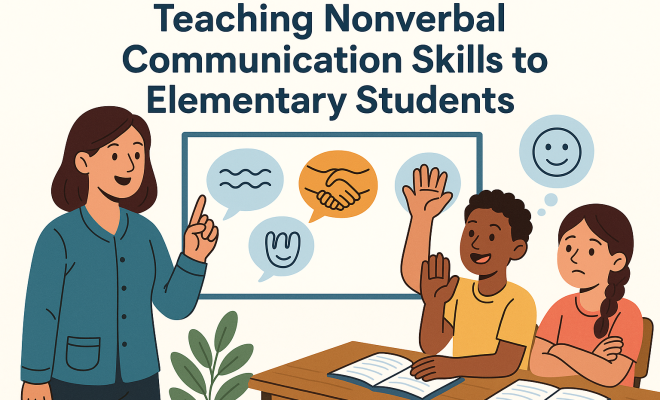
Nonverbal communication plays a crucial role in how we express ourselves and connect with others. While words are important, much of what we convey is through body language, facial expressions, tone of voice, and even proximity. For elementary students, developing these nonverbal communication skills is essential not only for their social interactions but also for their academic success.
Why Nonverbal Communication Skills Matter for Kids
As children grow and navigate their social worlds, they encounter numerous situations where nonverbal cues are crucial. From understanding a friend’s mood through their facial expressions to interpreting a teacher’s body language during a lesson, these skills form the backbone of effective communication. According to research, up to 93% of communication is nonverbal, which emphasizes the importance of teaching kids how to read and use these signals effectively.
Strong nonverbal communication skills can enhance a child’s emotional intelligence. This includes recognizing emotions in others, responding appropriately, and using their own body language to convey empathy and understanding. As children engage in group activities, they learn to express agreement or disagreement without words, fostering teamwork and collaboration.
Developing Nonverbal Communication Skills in the Classroom
Incorporating nonverbal communication skills in the curriculum is vital for holistic development. Teachers can create learning environments that prioritize these skills through various strategies:
- Role-Playing Activities: Engaging students in role-playing can help them practice recognizing and expressing nonverbal cues. For example, one student can act out different emotions while others guess what they are feeling.
- Observation Exercises: Encourage students to observe their classmates during discussions or group work. They can note body language, eye contact, and facial expressions, discussing how these elements affect communication.
- Mirror Exercises: Ask students to pair up and mirror each other’s movements or facial expressions. This activity promotes awareness of nonverbal cues and helps develop empathy.
Building Awareness of Body Language
Body language encompasses a range of nonverbal signals that can significantly impact communication. Educators can teach children about different aspects of body language, such as:
- Posture: Demonstrating how an open posture can signal confidence and engagement, while crossed arms might indicate defensiveness or discomfort.
- Gestures: Exploring how hand movements can enhance verbal communication, and how excessive gestures might distract or confuse the message.
- Facial Expressions: Discussing how emotions are often conveyed through facial expressions, enabling children to better understand and express their feelings.
The Role of Eye Contact in Communication
Eye contact is a powerful nonverbal tool that signals attention, interest, and sincerity. Teaching children the importance of eye contact can help them engage more effectively with peers and adults. Here are some approaches to cultivate eye contact skills:
- Modeling: Teachers should consistently demonstrate appropriate eye contact during conversations. Children learn by observing, and seeing their educators engage in eye contact will encourage them to do the same.
- Games and Activities: Incorporate games that require maintaining eye contact, such as “Staring Contest” or “Flashlight Tag,” making it fun for kids while reinforcing the concept.
- Feedback Sessions: Conduct feedback sessions where students can share their experiences with eye contact in different scenarios, fostering a supportive environment for improvement.
Practicing Active Listening
Active listening is an essential component of effective communication that involves understanding, interpreting, and responding to verbal and nonverbal messages. Children can enhance their active listening skills through practical exercises:
- Listening Circles: Create small groups where one student shares a story or idea, and the others practice listening through nodding, maintaining eye contact, and asking follow-up questions.
- Nonverbal Cues: Teach students to use nonverbal cues such as nodding or leaning forward to show they are engaged, helping their peers feel valued and heard.
- Reflection Activities: After discussions, encourage students to share what they learned and how they felt during the conversation, reinforcing the importance of listening to understand.
Empathy and Nonverbal Communication
Empathy is closely linked to nonverbal communication, as understanding others’ feelings often relies on picking up on subtle cues. Educators can encourage empathy through various activities: (See: communication skills for children.)
- Emotional Role-Play: Assign characters or scenarios that require students to express different emotions through body language, helping them step into others’ shoes.
- Storytelling Sessions: Use stories that highlight emotional experiences, prompting discussions on how characters might feel and how they express those feelings nonverbally.
- Peer Support Programs: Establish peer support initiatives where students can practice empathy by observing and responding to each other’s nonverbal cues during interactions.
Utilizing Technology to Enhance Nonverbal Communication Skills
In today’s digital age, technology can play a significant role in teaching nonverbal communication skills. Educators should consider integrating these tools into their lessons:
- Video Analysis: Have students record themselves during presentations or group discussions and analyze their nonverbal communication. This can help them identify areas for improvement.
- Online Role-Playing: Use virtual platforms to facilitate role-playing exercises, allowing students to practice nonverbal cues in remote settings.
- Interactive Apps: Leverage educational apps designed to teach nonverbal communication skills through games and interactive activities, making learning fun.
Assessing Nonverbal Communication Skills
Assessment of nonverbal communication skills can be challenging, but it’s vital for tracking progress and identifying areas for improvement. Here are some strategies for assessment:
- Observation Checklists: Create checklists to evaluate students on their use of nonverbal cues during interactions. This could include eye contact, posture, and gestures.
- Peer Feedback: Encourage students to provide constructive feedback to one another during group activities, promoting accountability and growth.
- Reflection Journals: Have students maintain journals where they reflect on their nonverbal communication experiences, noting what worked and what didn’t.
Common Nonverbal Communication Challenges for Kids
While teaching nonverbal communication skills is essential, it’s also crucial to acknowledge the common challenges children face. Understanding these challenges can help educators and parents address them effectively.
- Misinterpretation: Kids might misread nonverbal cues, especially in diverse social settings. Educators should create opportunities for discussions around cultural differences in body language and gestures.
- Awareness: Some children may not be aware of their own nonverbal signals. Activities that involve reflection on their body language can help them become more conscious of how they are perceived.
- Anxiety or Shyness: Children who struggle with anxiety may find it difficult to engage in eye contact or express themselves nonverbally. Creating a supportive classroom environment can encourage these students to participate more actively.
Real-life Examples of Nonverbal Communication in Action
To effectively teach nonverbal communication, it can be beneficial to utilize real-life examples that children can relate to. Here are some scenarios that illustrate nonverbal communication in various settings:
- Making Friends: When a new student joins the class, their body language can indicate whether they are open to making new friends. If they stand with closed arms and avoid eye contact, they may appear unapproachable. Teaching children to recognize and respond to such cues can help them reach out more effectively.
- Sports and Teamwork: In sports, nonverbal communication is crucial for teamwork. A player might signal for a pass with a hand gesture or a nod rather than shouting, promoting smoother coordination among team members.
- Conflict Resolution: During a disagreement among peers, nonverbal signals can escalate or de-escalate tensions. Teaching children how to maintain calm body language and open gestures can help resolve conflicts more peacefully.
Statistics on Nonverbal Communication and Child Development
Understanding the impact of nonverbal communication on children’s development can be supported by various statistics. Here are some relevant findings:
- According to the Albert Mehrabian study, 55% of communication is conveyed through body language, 38% through tone of voice, and only 7% through spoken words.
- A survey conducted by the American Psychological Association found that 70% of respondents believe that nonverbal communication plays a significant role in their daily interactions, highlighting its importance in educational settings.
- Research indicates that children who are taught nonverbal communication skills show a 30% improvement in their ability to interpret emotional cues by the age of 10.
Expert Perspectives on Nonverbal Communication Skills for Kids
To provide further insight into the importance of teaching nonverbal communication skills, we can look at expert opinions on the subject:
Dr. Susan Johnson, Child Psychologist: “Nonverbal communication is the foundation of social interactions. By teaching children to understand and use these cues, we equip them with essential tools for building relationships and navigating complex social landscapes.”
Mr. David Lee, Communication Skills Trainer: “Incorporating nonverbal communication exercises in the classroom not only enhances children’s understanding of each other but also contributes to their overall emotional and social development. The skills they learn today will serve them throughout their lives.”
Tips for Parents on Supporting Nonverbal Communication Skills at Home
Parents can play a significant role in nurturing nonverbal communication skills. Here are some practical tips:
- Model Good Communication: Children learn by mimicry, so be mindful of your own nonverbal cues during conversations. Use open body language, maintain eye contact, and express emotions visibly.
- Engage in Family Activities: Participate in games that require nonverbal communication, like charades, to make learning these skills enjoyable and relaxed.
- Discuss Media Examples: Watch movies or shows together and discuss characters’ body language and emotional expressions. This can help children identify nonverbal cues in different contexts.
Frequently Asked Questions (FAQ)
What is nonverbal communication?
Nonverbal communication refers to the process of conveying messages without the use of words. This includes body language, facial expressions, gestures, posture, and eye contact. (See: Harvard University research on communication.)
Why are nonverbal communication skills important for kids?
Nonverbal communication skills are crucial for kids as they help them express emotions, understand social cues, and build strong relationships. These skills contribute to emotional intelligence and improve their academic and social performance.
How can teachers assess nonverbal communication skills in the classroom?
Teachers can assess nonverbal communication skills through observation checklists, peer feedback, and reflection activities. Keeping track of students’ body language and eye contact can provide valuable insights into their communication abilities.
At what age should children start learning nonverbal communication skills?
Children start developing nonverbal communication skills from a very young age. As early as preschool, they can begin to understand and express emotions through body language, making it beneficial to introduce structured activities around this age.
Can technology help teach nonverbal communication skills?
Yes, technology can significantly enhance learning nonverbal communication skills. Tools such as video analysis, interactive apps, and online role-playing platforms can provide engaging ways for children to practice and improve these skills.
Exploring Nonverbal Communication Across Cultures
Nonverbal communication is not universal; it varies significantly across different cultures. Understanding these differences can help children navigate social interactions more effectively and avoid misunderstandings. Educators can introduce cultural lessons that highlight how gestures, eye contact, and body language differ around the world. For instance, in some cultures, prolonged eye contact may be seen as aggressive, while in others, it signifies interest and engagement.
Teaching children about these differences promotes cultural sensitivity and helps them become more adaptable communicators. Activities can include comparing gestures across cultures or discussing how nonverbal cues can lead to miscommunication in a diverse classroom environment.
Comparing Nonverbal and Verbal Communication
While both nonverbal and verbal communication are vital for effective exchanges, they serve different purposes and have unique impacts. Understanding these differences can help children appreciate the role of nonverbal cues in enhancing their verbal messages. For example, a child might say, “I’m sorry,” but if their body language shows disinterest (e.g., slouching or looking away), the apology may not be perceived as sincere.
Encouraging students to analyze scenarios where verbal and nonverbal messages align or conflict can deepen their understanding of how to communicate more effectively. Role-playing exercises can provide practical experience in ensuring that nonverbal signals support verbal communication.
The Impact of Nonverbal Communication on Academic Performance
Research has shown that students with strong nonverbal communication skills tend to perform better academically. This is because effective communication is critical in collaborative learning environments where group projects and discussions are commonplace. A 2018 study found that students who engaged in activities that fostered nonverbal communication skills scored higher on teamwork assessments and demonstrated increased participation in class discussions.
Educators can integrate nonverbal communication exercises into lesson plans to support academic achievement. This could include activities that require group work, where students must use nonverbal cues to coordinate tasks and share ideas. By emphasizing the correlation between nonverbal skills and academic success, teachers can motivate students to improve in this area.
Creating a Nonverbal Communication Skill-building Program
Establishing a structured program focused on nonverbal communication skills can greatly benefit children. Schools can collaborate with experts in child development and communication to design a curriculum that systematically teaches these skills over time. This program could include workshops for both students and parents, emphasizing the importance of nonverbal communication and providing resources for continued practice at home.
Key components of such a program might include:
- Workshops: Regular workshops focusing on different aspects of nonverbal communication, such as body language, facial expressions, and gestures.
- Peer Learning: Implementing peer-led sessions where students can teach one another about effective nonverbal communication.
- Parental Involvement: Encouraging parents to participate in activities and discussions about nonverbal communication to reinforce learning at home.
- Progress Tracking: Establishing a method for assessing and tracking students’ progress in their nonverbal communication skills over time.
Conclusion: The Long-Term Benefits of Nonverbal Communication Skills
Teaching nonverbal communication skills for kids is an investment in their social and emotional development. These skills not only enhance their ability to communicate effectively but also prepare them for future academic and career opportunities. As educators, it’s imperative to integrate nonverbal communication into the curriculum, providing students with the tools they need to succeed in an increasingly complex world.
Trending Now
Frequently Asked Questions
What is nonverbal communication?
Nonverbal communication refers to the ways we express ourselves without words, using body language, facial expressions, tone of voice, and proximity. It plays a crucial role in conveying emotions and intentions, especially in social interactions.
Why are nonverbal communication skills important for children?
Nonverbal communication skills are vital for children as they help them understand emotions, enhance their emotional intelligence, and improve social interactions. These skills contribute to their academic success and ability to collaborate effectively with peers.
How can teachers teach nonverbal communication skills?
Teachers can teach nonverbal communication skills through role-playing activities, observation exercises, and discussions about body language and facial expressions. These methods allow students to practice recognizing and using nonverbal cues in various contexts.
What activities help develop nonverbal communication in the classroom?
Activities like role-playing, where students act out emotions, and observation exercises, where they analyze classmates' nonverbal cues, are effective in developing nonverbal communication skills. These activities promote understanding and collaboration among students.
How does nonverbal communication impact emotional intelligence in children?
Nonverbal communication significantly impacts emotional intelligence by helping children recognize and interpret emotions in themselves and others. It enables them to respond appropriately and express empathy, which is essential for building strong social relationships.
What’s your take on this? Share your thoughts in the comments below — we read every one.





