Metro Detroit Schools Embrace AI: A New Era in Education
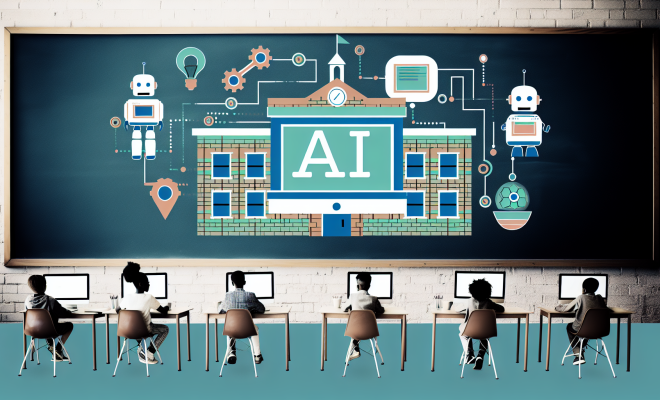
AI Integration in Education: A Step Forward
As technology continues to advance at a rapid pace, schools across the United States are beginning to explore the potential of artificial intelligence (AI) in the classroom. In Metro Detroit, districts such as Wayne-Westland Community Schools in Wayne County, along with Canton Township and Westland, are taking significant strides toward integrating AI into their educational frameworks. This initiative aims to enhance learning experiences while maintaining the integrity of student work.
Creating a Safe Learning Environment
Interim Superintendent Dr. Catherine Cost is at the forefront of this exploration, emphasizing the importance of creating authentic and safe learning environments for students. According to Dr. Cost, the objective is not to replace traditional learning methods or diminish the value of student creativity; rather, AI will serve as a support tool to enrich educational opportunities.
AI as a Support Tool
Dr. Cost stresses that AI should be utilized strictly as a supplementary resource. The goal is to enhance assignments and projects, allowing students to leverage technology to support their learning without compromising their original thoughts and creations. This approach aligns with the broader educational goal of fostering critical thinking and problem-solving skills among students.
Setting Clear Boundaries
With the integration of AI, one of the primary concerns is ensuring that student work remains authentically theirs. The Wayne-Westland district is committed to establishing clear guidelines and boundaries around AI use in the classroom. These protocols are designed to prevent the misuse of technology while also allowing students to explore its benefits.
Benefits for Students and Staff
The initiative is not solely focused on students; it also aims to support teachers and staff in their educational endeavors. With AI tools, educators can streamline administrative tasks, freeing up more time for instruction and direct interaction with students. This dual benefit could lead to a more efficient and effective learning environment.
Potential Applications of AI in the Classroom
Integrating AI into education opens up a myriad of possibilities for both teaching and learning. Some exciting applications being considered include:
- Personalized Learning: AI can help tailor educational content to meet the unique needs of each student, accommodating various learning styles and paces.
- Automated Grading: AI systems can assist teachers by automatically grading assignments, providing instant feedback to students, and allowing educators to focus more on teaching.
- Interactive Learning Tools: AI-powered applications can create engaging, interactive experiences that promote active learning and encourage student participation.
- Data Analysis: AI can analyze student performance data to identify trends, enabling educators to intervene early and provide necessary support to struggling students.
Addressing Challenges and Concerns
While the potential benefits of AI in education are substantial, there are also challenges and concerns that must be addressed. Issues such as data privacy, security, and the potential for dependency on technology are at the forefront of discussions among educators and stakeholders.
Data Privacy and Security
With the use of AI comes the responsibility to protect student information. The Wayne-Westland district is acutely aware of these challenges and is committed to ensuring that any AI tools implemented comply with strict data privacy regulations. Educators are tasked with educating students about responsible technology use, emphasizing the importance of safeguarding personal information.
The Risk of Over-Reliance on Technology
Another concern is the potential for students to become overly reliant on AI tools, which could impede their development of critical thinking and problem-solving skills. Dr. Cost and her team are keenly aware of this risk and are focused on promoting a balanced approach to technology integration, encouraging students to utilize AI as a tool rather than a crutch.
The Road Ahead
As Metro Detroit schools venture into this new frontier of educational technology, the focus remains on enhancing the learning experience while preserving the authenticity of student work. The commitment to creating a safe and supportive environment for both students and educators will be crucial in ensuring the successful integration of AI in the classroom.
In conclusion, the exploration of AI in Metro Detroit schools represents a significant shift in educational practices. By embracing technology thoughtfully and responsibly, educators aim to prepare students for a future where AI plays an increasingly prominent role in society. As the initiative progresses, it will be interesting to observe how these schools navigate the challenges and opportunities presented by this technological revolution.