Temperament & Sibling Conflict: Why Kids Are So Different
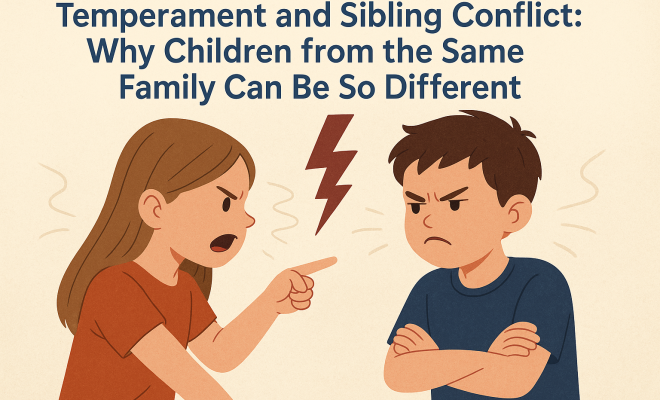
“`html
Introduction
Siblings often share a unique bond, one that can be filled with both affection and rivalry. It’s not uncommon for parents to wonder why their children, raised in the same environment, can display such different personalities and temperaments. This divergence often leads to sibling conflict, a phenomenon deeply rooted in each child’s individual temperament. Understanding the concept of sibling conflict temperament can provide insights into why siblings fight and how parents can foster a more harmonious household.
The Basics of Temperament
Temperament refers to the innate traits that determine how children react to the world around them. These traits can include activity level, mood, adaptability, and emotional intensity. According to psychologists, temperament is largely influenced by genetic factors and can manifest early in life. There are several established classifications of temperament, often categorized into three main types:
- Easy: These children adapt well to new situations, have a generally positive mood, and are easy to soothe.
- Difficult: These children may be more prone to emotional outbursts, are harder to comfort, and often resist change.
- Slow to Warm Up: These children may initially be shy or withdrawn, but they can gradually adapt to new environments and experiences.
Each of these temperamental types can significantly affect how siblings interact with each other, leading to various forms of conflict.
Sibling Conflict: A Natural Occurrence
Sibling rivalry is often portrayed as a normal part of growing up. Conflicts can arise from sharing attention, resources, and parental affection. Research indicates that around 70% of families experience some form of sibling conflict, suggesting it’s a universal experience. Yet, the intensity and frequency of these conflicts can vary dramatically based on each child’s temperament.
For instance, an easy-going child may be more forgiving and less likely to engage in prolonged conflicts with their difficult sibling. On the other hand, a difficult child might escalate tensions, leading to more frequent disputes. Understanding how these temperamental differences play out in sibling dynamics is crucial for parents looking to manage conflicts effectively.
How Temperament Influences Interaction
The interaction between siblings can be significantly influenced by their temperamental traits. For example, a more assertive child might dominate playtime, pushing a shy sibling to the sidelines. This can lead to feelings of resentment and confrontation. The slow-to-warm-up child, while less likely to instigate conflict, may struggle to find their voice in these situations.
Moreover, the way siblings respond to these interactions is also affected by their temperament. An emotionally intense child might react strongly to perceived slights, while a more adaptable sibling might simply brush off conflicts and move on. In essence, the combination of these differing temperaments can create a cycle of conflict and misunderstanding.
Key Factors Contributing to Sibling Conflict
Several factors can exacerbate sibling conflict, often tying back to their individual temperaments. Here are a few key contributors:
- Parental Attention: Children often compete for their parents’ attention, leading to jealousy and rivalry. A child with a difficult temperament may react more negatively to perceived neglect than a more easy-going sibling.
- Age Differences: The gap in age can influence interactions. Older siblings may feel a sense of responsibility, while younger siblings may feel overlooked. This dynamic can lead to conflict, especially if their temperaments clash.
- Shared Spaces: Conflicts over toys, games, or sleeping arrangements are common in households with multiple children. For example, a highly active child may feel stifled by a more introverted sibling’s need for quiet, leading to disputes.
The Role of Parenting in Managing Sibling Conflict
Parents play a critical role in mediating sibling conflicts and fostering a healthier environment. Understanding each child’s temperament can help parents tailor their approach. For instance: (See: Research on temperament and behavior.)
- Encourage Communication: Teaching children to express their feelings and resolve disputes amicably can reduce the frequency of conflicts. This is particularly important for children with difficult temperaments who may struggle to articulate their emotions.
- Set Clear Boundaries: Establishing rules for acceptable behavior can help manage conflicts. Children with strong-willed temperaments may benefit from clear guidelines that encourage appropriate interactions with their siblings.
- Equal Attention: Make an effort to spend one-on-one time with each child. This can help reduce jealousy and competition, particularly in households where one child may dominate the attention.
Practical Strategies for Parents
To effectively manage sibling conflict temperament, parents can implement various strategies:
- Model Conflict Resolution: Demonstrate how to resolve conflicts constructively and respectfully. By modeling healthy communication, parents can provide children with the tools they need to navigate their own disputes.
- Promote Teamwork: Encourage siblings to work together on projects or activities. This can foster a sense of collaboration and strengthen their bond, reducing the likelihood of conflicts.
- Recognize Individual Strengths: Acknowledging and celebrating each child’s unique traits can help reduce rivalry. When children feel valued for who they are, they may be less inclined to compete against one another.
The Importance of Reflection
Understanding the underlying causes of sibling conflict can be an enlightening experience for parents. Taking the time to reflect on each child’s temperament and how it contributes to their interactions can lead to more effective parenting strategies. This reflection might include:
- Identifying Patterns: Keeping track of when conflicts arise can help parents identify triggers and patterns in behavior. This awareness can guide interventions.
- Assessing Responses: How parents respond to conflicts can impact their children’s behavior. An empathetic approach can foster a sense of safety and encourage children to express their feelings more freely.
- Engaging in Family Discussions: Regular family meetings can provide an open forum for children to discuss their feelings and conflicts. This can lead to a greater understanding of each other’s temperaments and reduce future disputes.
Long-Term Implications of Sibling Conflict
While sibling conflict is often viewed as a nuisance, it can have long-term implications on relationships. Children learn valuable skills through conflict resolution, including negotiation, empathy, and compromise. These skills can benefit them throughout their lives, shaping their future relationships.
Moreover, understanding sibling conflict temperament allows parents to cultivate a family dynamic that prioritizes emotional intelligence. When children learn to manage their emotions and navigate conflicts effectively, they’ll carry these skills into adulthood, fostering healthier relationships in their future.
Current Relevance and Research
Research in the field of child psychology continues to shed light on sibling dynamics and temperament. Recent studies indicate that the way children handle conflict can influence their social skills, self-esteem, and emotional development. Understanding these dynamics has never been more pertinent, especially as family structures evolve.
In today’s world, with rising awareness around mental health and emotional well-being, addressing sibling conflicts through the lens of temperament can provide parents with actionable insights. As families navigate the complexities of modern life, fostering healthy sibling relationships becomes increasingly vital.
Understanding Sibling Conflict Temperament: Different Perspectives
Sibling conflict temperament isn’t just an individual concern; it also encompasses the diverse dynamics of family interactions. For instance, the role of culture in shaping how siblings interact can be significant. In collectivist cultures, where family harmony is highly valued, there may be more emphasis on resolving conflicts amicably. In contrast, in individualistic societies, siblings might be encouraged to assert their own needs, potentially leading to more pronounced rivalries.
Additionally, it’s essential to recognize that sibling conflict can be influenced by external factors such as school environment, peer relationships, and parental work stress. For example, a child who is facing bullying at school may bring that frustration home, exacerbating conflicts with siblings. Understanding these external stressors can help parents approach sibling dynamics with greater empathy and insight.
Expert Perspectives on Sibling Interactions
Experts in child psychology emphasize that sibling relationships can be a double-edged sword. While conflict is a natural occurrence, the way parents handle these conflicts can set the tone for future interactions. Dr. Laura Markham, a clinical psychologist, notes that “siblings are often each other’s first friends and first rivals. The skills they develop in navigating these relationships can last a lifetime.” This statement underscores the importance of teaching children how to resolve disputes constructively.
Moreover, family therapists often advocate for a balance between allowing children to work through conflicts on their own and providing guidance when necessary. They recommend that parents facilitate discussions where children can express their feelings but also encourage them to brainstorm solutions together. This not only emphasizes cooperation but also empowers children to take responsibility for their relationships. (See: Mental health and family dynamics.)
Statistics on Sibling Relationships
Research into sibling relationships reveals some compelling statistics that highlight the prevalence and impact of sibling conflict:
- According to a study conducted by the American Psychological Association, approximately 80% of adults report having experienced some form of sibling rivalry during their childhood.
- A survey of parents indicates that about 60% of them believe that their children’s temperament significantly affects their sibling interactions.
- Interestingly, 72% of parents who track sibling conflicts report that they are often resolved through negotiation rather than parental intervention.
These statistics highlight not only the commonality of sibling conflict but also the role of temperament in shaping these relationships. Understanding these dynamics can help parents foster better sibling interactions and ultimately healthier family dynamics.
FAQ: Common Questions About Sibling Conflict Temperament
1. What should I do if my children frequently argue?
It’s essential to identify the triggers for these arguments. Observe their interactions and try to determine if specific situations lead to disputes. Encourage communication by allowing each child to express their feelings during conflicts.
2. How can I help my children develop better conflict resolution skills?
Model healthy communication and conflict resolution strategies. Role-playing scenarios can also be effective, where you guide your children through potential conflicts and discuss possible outcomes.
3. Is sibling rivalry harmful to my children’s relationship in the long run?
While some rivalry is natural, excessive conflict can negatively impact relationships. Teaching children how to navigate conflicts can lead to stronger bonds and improved emotional intelligence in adulthood.
4. How does temperament impact sibling dynamics differently in large families versus small families?
In larger families, the variety of temperamental traits can lead to more complex dynamics. Children may learn early on to navigate different personalities, which can enhance their social skills. In smaller families, conflicts may be more pronounced as children have fewer peers to interact with, possibly leading to increased rivalry.
5. Can sibling conflict ever be beneficial?
Yes, when handled constructively, sibling conflict can teach children valuable life skills such as negotiation, empathy, and problem-solving. Learning to resolve conflicts prepares them for future relationships outside the family.
Additional Strategies to Foster Sibling Harmony
While the strategies mentioned earlier are crucial, there are several additional approaches parents can adopt to promote positive sibling relationships:
- Shared Activities: Encourage siblings to participate in shared activities that require cooperation. Whether it’s a family game night or team sports, engaging in joint activities can strengthen their bond and reduce conflicts.
- Problem-Solving Sessions: When conflicts arise, involve the children in a problem-solving session. Ask them how they could handle similar situations better in the future. This helps them develop critical thinking skills and fosters a sense of teamwork.
- Encouraging Empathy: Teach children to understand each other’s perspectives. Asking them how they would feel if they were in their sibling’s position can promote empathy and reduce the likelihood of conflicts arising from misunderstandings.
- Positive Reinforcement: Celebrate moments when siblings work together or resolve conflicts amicably. Positive reinforcement helps them recognize the benefits of cooperation and encourages them to continue those behaviors.
The Impact of Birth Order on Sibling Conflict
Birth order can significantly influence sibling dynamics and conflict. For instance, firstborns often assume leadership roles and may feel entitled to more control during playtime. They might clash with their younger siblings who seek independence or want to assert their opinions. Conversely, younger siblings might feel overshadowed and react with jealousy or resentment.
Research supports these observations. A study published in the journal “Personality and Individual Differences” found that firstborn children tend to be more conscientious and achievement-oriented compared to their younger siblings. This difference can lead to tensions, especially if the second-born child resents being compared to the more accomplished firstborn.
Understanding these dynamics can help parents navigate conflicts more effectively. Acknowledging the unique pressures associated with each birth order position can promote a more empathetic family environment.
Sibling Conflict in the Digital Age
With the rise of technology, the nature of sibling conflict is also evolving. Screen time and digital interactions can both alleviate and exacerbate sibling rivalry. For instance, children might bond over shared gaming experiences, yet they can also clash over access to devices or differences in play styles.
Parents can integrate digital literacy into their discussions about sibling interactions. Setting up family agreements about screen time and shared device use can reduce conflicts stemming from technology. Furthermore, parents should encourage discussions about online games they play together, emphasizing teamwork and collaboration.
Conclusion: A Path Forward
The intersection of temperament and sibling conflict is a rich area of study that reveals much about family dynamics. By understanding the diverse temperamental traits of their children, parents can better navigate conflicts and foster a loving, supportive environment. While sibling rivalry is often inevitable, an awareness of its roots can lead to more constructive interactions and stronger familial bonds.
“`
Trending Now
- read the full story
- the complete explanation
- this guide on “bloom’s taxonomy for parents: how to ask questions that deepen your child’s learning at home”
- this guide on “proprioception activities for kids: 25 sensory diet ideas to improve body awareness”
Frequently Asked Questions
Why do siblings from the same family have different personalities?
Siblings can exhibit different personalities due to individual temperamental traits. Factors such as genetic influences and unique experiences contribute to how each child reacts to their environment, resulting in varying characteristics even when raised in the same household.
What are the main types of temperament in children?
The three main types of temperament in children are 'Easy,' which refers to adaptable and positive children; 'Difficult,' which describes those who may have emotional outbursts and resist change; and 'Slow to Warm Up,' who are initially shy but can adjust over time.
How does temperament affect sibling conflict?
Temperament significantly influences sibling interactions. For example, an easy-going child may handle conflict more gracefully, while a difficult child may escalate tensions, leading to varied forms of sibling rivalry based on each child's innate traits.
Is sibling conflict a normal part of childhood?
Yes, sibling conflict is considered a normal part of growing up. Research shows that about 70% of families experience some form of rivalry, which often stems from sharing attention, resources, and parental affection.
How can parents manage sibling rivalry?
Parents can manage sibling rivalry by fostering understanding of each child's temperament, promoting empathy, setting clear boundaries, and encouraging cooperative activities. This approach can help reduce conflicts and create a more harmonious family environment.
What’s your take on this? Share your thoughts in the comments below — we read every one.