TK vs. Kindergarten: Your Child’s First Big School Decision
“`html
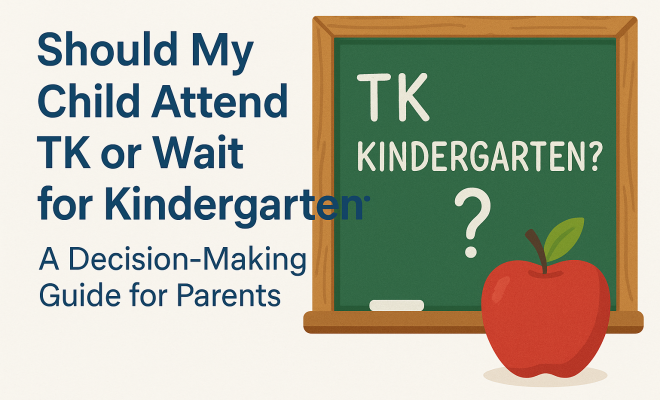
As a parent, you want the best for your child, especially when it comes to their education. One of the first big decisions you’ll face is whether to enroll them in transitional kindergarten (TK) or wait for traditional kindergarten. This choice can significantly impact your child’s academic journey and social development, so understanding the differences between these two options is crucial. In this comprehensive guide, we’ll explore the ins and outs of transitional kindergarten vs kindergarten, providing you with the insights you need to make an informed decision.
Understanding Transitional Kindergarten
Transitional kindergarten is designed for children who turn five between September and December, creating an additional year of preparatory education before they enter kindergarten. The curriculum in TK focuses on social and emotional development, along with early literacy and math skills, tailored to meet the needs of younger learners. This program often emphasizes play-based learning to foster curiosity and engagement.
In many states, TK is seen as a bridge for children who may not be fully prepared to tackle the demands of a traditional kindergarten classroom. The goal of TK is to create a strong foundation in essential skills, so children can thrive in later academic settings.
The Structure of Transitional Kindergarten vs Kindergarten
While TK and kindergarten share some similarities, they are structured quite differently. Transitional kindergarten typically has smaller class sizes, allowing for more personalized attention from teachers. The curriculum is often more flexible, focusing on developmental milestones rather than strict academic benchmarks.
In contrast, kindergarten tends to be more academically rigorous. Children are expected to meet specific learning standards, which may include reading, writing, and basic math skills. The environment in kindergarten is often more structured, with a greater emphasis on routine and discipline.
Who is the Ideal Candidate for Transitional Kindergarten?
Determining whether your child would benefit from TK hinges on several factors. Here are some aspects to consider:
- Birthday Cutoff: As mentioned earlier, TK is designed for children whose fifth birthdays fall between September and December. If your child is on the younger end of this spectrum, they may benefit from an additional year.
- Social Readiness: Is your child outgoing or reserved? Children who may struggle with social interactions or who need more time to develop interpersonal skills might thrive in a TK setting.
- Academic Readiness: If your child shows signs of needing more foundational skills before entering a traditional kindergarten, TK can provide that extra time.
- Developmental Delays: Children with developmental delays may find TK more accommodating, as it emphasizes growth at the individual level.
The Benefits of Transitional Kindergarten
Choosing TK for your child comes with a range of potential benefits:
- Emotional and Social Development: TK focuses heavily on nurturing a child’s emotional and social skills, which are critical during early childhood.
- Play-Based Learning: The hands-on approach in TK encourages children to learn through exploration and discovery, fostering a love for learning.
- Smaller Class Sizes: With fewer students, teachers can provide personalized attention and cater to each child’s unique needs.
- Reduced Pressure: TK can alleviate some pressure from both children and parents, offering a less stressful introduction to formal education.
What About Traditional Kindergarten?
Traditional kindergarten, usually for children who turn five before September, is often viewed as the first official step into the education system. The focus is more academic, with standards set by educational authorities that outline what children should know by the end of the year.
In a kindergarten classroom, children typically learn essential skills such as reading, writing, mathematics, and social studies. The environment is structured, with a routine that includes instructional time, group work, and individual learning tasks. Teachers often assess students to ensure they are meeting the required benchmarks.
Evaluating Your Child’s Readiness for Kindergarten
Before deciding on kindergarten, parents should evaluate their child’s readiness. Some indicators include:
- Language Skills: Can your child express their thoughts clearly and understand instructions?
- Independence: Does your child show signs of being able to function independently without constant guidance?
- Focus and Attention Span: Can your child stay engaged in activities for a sustained period?
- Basic Skills: Is your child able to recognize letters, numbers, and shapes?
Current Trends and Availability of Transitional Kindergarten
In recent years, many states have expanded their TK programs, recognizing the positive impact of a structured, supportive environment for younger learners. As of 2023, California has become a leader in implementing TK, making it available in various districts across the state. (See: U.S. Department of Education on kindergarten transition.)
The growth of TK programs is also influenced by research that highlights the importance of early childhood education. Studies have shown that children who attend TK programs are more likely to succeed academically in later grades compared to those who start directly in kindergarten.
Cost Considerations: Transitional Kindergarten vs Kindergarten
When weighing the options of TK and kindergarten, financial aspects may play a crucial role. While many public schools offer free kindergarten, TK programs can differ in cost depending on the district and whether they are part of a public school system.
For parents looking at private options, the cost may be higher for TK than for traditional kindergarten, especially if specialized programs are offered. However, investing in TK can lead to long-term benefits, potentially reducing the need for additional tutoring or support later on.
Making the Decision: Key Factors to Consider
As you ponder the decision between transitional kindergarten vs kindergarten, it’s crucial to weigh several key factors:
- Your Child’s Development: Take an honest assessment of your child’s emotional, social, and academic readiness.
- School Environment: Visit schools to get a feel for their culture and teaching style. Meet with teachers and administrators to understand their approach.
- Long-Term Implications: Consider how this decision may affect your child’s future academic experiences. Would an extra year help them build confidence or academic skills?
- Your Family’s Needs: Think about your family dynamics, work schedules, and any logistical considerations that may affect your decision.
Seeking Guidance: The Role of Educators and Experts
When in doubt, consult with educators, childcare providers, or child psychologists. These professionals can offer valuable insights into your child’s readiness and help you understand the potential impact of your decision.
Many districts also host informational sessions for parents regarding their early childhood education programs. Taking the time to attend these sessions can provide you with crucial information and alleviate any uncertainties you may have.
Final Thoughts: Trust Your Instincts
Ultimately, the choice between transitional kindergarten and kindergarten is a personal one, deeply rooted in your child’s unique needs. Trust your instincts and be guided by your child’s developmental readiness, not solely by age-based expectations. Remember, every child is different, and what works for one may not work for another.
As you move forward in making this important decision, keep in mind the long-term benefits of giving your child the best start possible in their educational journey. Whether you choose TK or kindergarten, what matters most is creating a supportive environment where your child can thrive.
Comparing Curriculum: Transitional Kindergarten vs Kindergarten
The curriculum in transitional kindergarten is designed to be developmentally appropriate for younger children, focusing on hands-on activities that promote social and emotional learning. For example, in TK, you might find activities that involve storytelling through play or using art to express feelings. This allows children to engage in learning in a way that feels natural and enjoyable.
In contrast, traditional kindergarten has a more structured syllabus that aligns with state educational standards. Kindergarten teachers often use a combination of direct instruction and small group work to teach academic skills. Children might work on phonics and sight words, math concepts like addition and subtraction, and even basic science topics, all designed to prepare them for first grade.
Expert Perspectives on Transitional Kindergarten
Many educators and child development experts advocate for transitional kindergarten, emphasizing its role in bridging the gap for younger children. Dr. Jane Smith, an early childhood education specialist, notes, “Transitional kindergarten serves as a critical stepping stone. It addresses the unique needs of younger learners who may not yet be ready for the more demanding kindergarten environment.”
Research supports this view, showing that children who attend transitional kindergarten often exhibit greater social skills and improved academic performance in subsequent grades. A study by the National Institute for Early Education Research found that children who participated in TK programs showed an average of 20% higher scores in literacy and math assessments compared to their peers who entered traditional kindergarten without the TK experience.
Transitioning from TK to Kindergarten
For children moving from transitional kindergarten to traditional kindergarten, the transition can be smooth, especially if they’ve built a strong foundation in TK. Teachers in kindergarten are often aware of the TK experience and what students have already learned, which helps in tailoring instruction to meet their needs. (See: National Institute of Child Health on early learning.)
Parents can assist this transition by reinforcing skills at home and discussing the upcoming changes with their children. Engaging in conversations about what kindergarten will be like, visiting the new classroom, and even meeting future classmates can help ease any anxieties.
Statistics on Early Education
Statistics concerning early childhood education highlight its importance. According to the National Education Association, children who attend quality early education programs are 50% more likely to be ready for first grade than those who do not. Additionally, a study conducted by the Brookings Institution revealed that participants in early education programs like TK are less likely to require special education services later on.
These statistics demonstrate that investing time in transitional kindergarten can yield significant benefits, creating pathways for greater academic success and emotional resilience in later years.
Frequently Asked Questions about Transitional Kindergarten and Kindergarten
What is the age requirement for transitional kindergarten?
Transitional kindergarten is typically for children who turn five between September and December. However, this may vary depending on your state’s regulations, so it’s best to check with local schools for specific guidelines.
Can a child attend both transitional kindergarten and kindergarten?
Yes, a child can attend both transitional kindergarten and kindergarten, provided they meet the age requirements for each program. The purpose of TK is to better prepare children for kindergarten, so attending both can be beneficial if your child needs the extra time.
Is transitional kindergarten available in all states?
No, transitional kindergarten is not available in all states. Some states have implemented TK programs as part of their public education systems, while others may not offer this option. It’s essential to research your local educational opportunities.
How do I know if my child is ready for kindergarten?
Assessing readiness involves looking at several factors, including academic skills, social interactions, emotional maturity, and independence. You can consult with preschool teachers or child development experts for additional insights regarding your child’s readiness.
What should I look for in a transitional kindergarten program?
When searching for a TK program, consider the curriculum, teacher qualifications, class size, and the school’s overall environment. You may also want to observe a class in session to see how teachers interact with students and how engaged the children are.
Can transitional kindergarten help with behavior issues?
Yes, transitional kindergarten can help address behavior issues by providing a nurturing environment and focusing on social-emotional learning. Smaller class sizes and individualized attention can help children work through behavioral challenges in a supportive setting.
Are there any drawbacks to enrolling my child in transitional kindergarten?
While there are numerous benefits, some parents may worry about the stigma attached to needing an extra year before kindergarten. It’s essential to focus on your child’s needs rather than societal expectations. Additionally, it’s important to consider the specific TK program’s quality and how well it aligns with your family’s values.
Additional Considerations for Each Option
When deciding between transitional kindergarten and kindergarten, consider these additional factors:
- Child’s Personality: Some children thrive in structured environments, while others do better with more flexibility. Think about your child’s personality and how they respond to different learning styles.
- Peer Relationships: Look at your child’s social circles. If many of their peers are entering kindergarten, this might influence your decision. Children often benefit from familiar faces in the classroom.
- Parental Involvement: Consider how much time and energy you can invest in supporting your child’s education. This can play a big role in their success in either setting.
- Local School Performance: Research the performance and reputation of local schools. Some have excellent support systems for younger children, making TK more appealing.
Differences in Teacher Training
The training and qualifications of teachers in transitional kindergarten and kindergarten can also differ significantly. TK teachers are often specifically trained in early childhood education, focusing on developmental milestones and play-based learning methods. They are equipped with strategies to support emotional and social development, helping children adjust to the classroom environment.
On the other hand, kindergarten teachers generally have a more rigorous focus on academic achievement, often trained to deliver a curriculum that meets state standards. Their skills are geared towards fostering academic readiness and preparing children for subsequent grades, typically involving structured assessments and standardized testing.
Long-Term Academic Outcomes
Research indicates that students who attend transitional kindergarten often experience better long-term academic outcomes. A longitudinal study published in the Journal of Educational Psychology found that students who participated in TK demonstrated improved reading and math skills through elementary school and beyond.
These findings suggest that the foundation laid in TK may help children adjust better not only in terms of academic performance but also in social situations, as they often have more experience navigating group dynamics and structured environments. This can be important as they progress through their educational journey.
Preparing for the Transition
Preparing your child for the transition from TK to kindergarten is crucial. Here are some strategies to help ease the move:
- Summer Activities: Engage your child in summer activities that mimic kindergarten routines, such as story time or interactive learning games.
- Visit the Kindergarten Classroom: If possible, arrange for your child to visit their future kindergarten classroom. Familiarizing them with the new environment can help reduce anxiety.
- Talk About What to Expect: Discuss the differences they might encounter, like new teachers, classmates, and an increased focus on academics. This can make the transition feel less daunting.
- Focus on Independence: Encourage skills that promote independence, such as dressing themselves, following simple instructions, and engaging in group play.
Final Thoughts: The Importance of a Strong Start
The choice between transitional kindergarten and kindergarten is about finding the best fit for your child’s unique needs. It’s essential to focus on their readiness rather than just their age. Each child develops at their own pace, and understanding their individual strengths and challenges is key in guiding your decision.
Whether you choose TK or kindergarten, the most important aspect is to provide a nurturing and supportive environment where your child can grow and learn. The early years set the tone for a lifetime of learning, so investing time in this decision is crucial. With careful consideration, you’ll be able to make the best choice for your child’s educational journey.
“`
Trending Now
Frequently Asked Questions
What is the difference between transitional kindergarten and kindergarten?
Transitional kindergarten (TK) is designed for children who turn five between September and December, focusing on social and emotional development with a play-based curriculum. In contrast, kindergarten is more academically rigorous, with specific learning standards in reading, writing, and math, and generally has a more structured environment.
Is transitional kindergarten worth it?
Transitional kindergarten can be beneficial for children who may not be fully prepared for the demands of traditional kindergarten. It provides an additional year for social and emotional development, along with foundational literacy and math skills, helping to create a strong academic foundation for future learning.
What age is appropriate for transitional kindergarten?
Transitional kindergarten is typically designed for children who turn five between September and December. This program serves as a bridge for younger learners, allowing them to develop necessary skills before entering traditional kindergarten.
How does the curriculum differ between TK and kindergarten?
The curriculum in TK is more flexible and focuses on developmental milestones, often utilizing play-based learning. Kindergarten, on the other hand, is more structured and academically rigorous, requiring children to meet specific learning standards in various subjects.
Can children attend both transitional kindergarten and kindergarten?
Yes, children can attend both transitional kindergarten and kindergarten. TK serves as an additional year of preparation, allowing children to build foundational skills before entering the more demanding kindergarten environment, which focuses on specific academic standards.
What’s your take on this? Share your thoughts in the comments below — we read every one.