Conscious Discipline: Creating Calming Spaces for Emotional Regulation
“`html
Understanding the Concept of Calming Spaces
Calming spaces for emotional regulation are more than just quiet corners in a classroom or a home; they are intentional areas designed to foster emotional well-being and self-regulation. In the framework of Conscious Discipline, a social-emotional learning program founded by Dr. Becky Bailey, these spaces play a crucial role in helping both children and adults manage their emotions effectively. By creating an environment that encourages mindfulness and reflection, we can significantly enhance emotional resilience.
The Importance of Emotional Regulation
Emotional regulation is a vital skill that enables individuals to manage their emotional responses to various situations. For children, developing this skill can lead to improved relationships with peers and adults, better academic performance, and enhanced overall well-being. Without proper emotional regulation, children may struggle with anxiety, impulsivity, and social difficulties, all of which can hinder their ability to thrive in different environments.
According to the Collaborative for Academic, Social, and Emotional Learning (CASEL), emotional regulation is one of the five key competencies of social-emotional learning. This makes it imperative for educators and parents to prioritize the development of these skills in their children. One effective way to do this is through the use of calming spaces.
The Role of Calming Spaces in Conscious Discipline
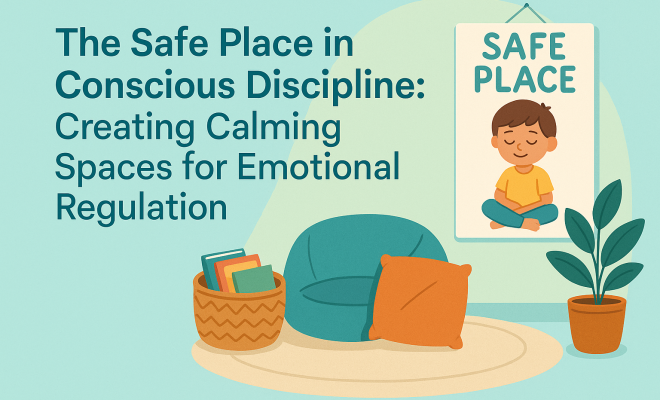
In Conscious Discipline, the concept of a ‘Safe Place’ is integral to the practice of emotional regulation. This Safe Place is a designated area where individuals can retreat when they feel overwhelmed or emotionally charged. The purpose of this space is to provide a sanctuary for reflection, calming strategies, and emotional processing.
Dr. Bailey emphasizes that the Safe Place is not a punitive measure; rather, it’s a proactive strategy that encourages children to take responsibility for their emotional state. By having access to a calming space, children learn to recognize their feelings and employ self-soothing techniques, which can help them return to a state of readiness for learning and social interaction.
Creating Effective Calming Spaces
When designing calming spaces for emotional regulation, several key components should be considered:
- Location: Calming spaces should be in a quiet area, away from distractions. This could be a corner of a classroom, a nook at home, or even an outdoor space.
- Comfortable Seating: Provide soft seating options like bean bags, cushions, or floor mats that invite relaxation.
- Soothing Colors: Use calming colors like blues and greens, which have been shown to promote tranquility.
- Mindful Tools: Incorporate items like stress balls, fidget toys, or art supplies that encourage self-expression and sensory experiences.
- Visual Aids: Include posters or cards that depict calming strategies, such as breathing exercises or positive affirmations.
Practicing Self-Soothing Techniques
Once a calming space is established, it’s essential to teach children how to utilize it effectively. Self-soothing techniques can vary widely, but some common practices include:
- Deep Breathing: Encourage children to take deep, slow breaths to help regulate their heart rate and calm their nervous system.
- Mindfulness and Meditation: Introduce short mindfulness exercises that allow children to focus on the present moment, reducing anxiety and promoting relaxation.
- Progressive Muscle Relaxation: Teach children to tense and relax different muscle groups, helping them release physical tension associated with emotional stress.
By regularly practicing these techniques within the calming space, children can build a toolkit of emotional regulation strategies that they can employ throughout their lives.
Case Studies and Real-Life Applications
Numerous schools and homes across the country have implemented calming spaces as part of their emotional learning strategies. For example, a primary school in California saw a marked improvement in student behavior after establishing a Safe Place in each classroom. Teachers reported that students who utilized the space during moments of distress were able to rejoin their peers more quickly and with a better attitude. (See: National Institute of Child Health and Human Development.)
In another instance, a family created a calming corner in their living room, equipped with soft lighting, books, and sensory toys. Their children learned to use this space when they felt overwhelmed, which not only helped them manage their feelings but also improved family dynamics as they were able to communicate their needs more effectively.
Integrating Calming Spaces into Daily Routines
To maximize the effectiveness of calming spaces for emotional regulation, they should be integrated into daily routines. Here are some actionable strategies:
- Daily Check-Ins: Establish times throughout the day for children to reflect on their feelings and practice self-soothing techniques. This could be in the morning before school or after lunch.
- Role-Playing: Use role-playing activities to simulate various scenarios that might provoke strong emotions. Teach children to identify feelings and utilize their calming space in response.
- Routine Reflections: Encourage children to discuss their experiences in the calming space during family meetings or class discussions, reinforcing its importance in emotional regulation.
The Connection Between Calming Spaces and Academic Success
Research has shown that emotional regulation directly impacts academic performance. A study published in the journal Child Development found that children with better emotional regulation skills performed better academically. Calming spaces for emotional regulation can help bridge this gap. By allowing children to manage their emotions effectively, they are more likely to engage in learning, participate in class discussions, and collaborate with classmates.
Additionally, when children feel supported emotionally, they exhibit greater resilience in facing academic challenges. Schools that prioritize emotional well-being through calming spaces often report higher graduation rates and improved overall school climate.
Challenges and Considerations
Although the benefits of calming spaces are apparent, there can be challenges in implementing them effectively. Some educators and parents may feel hesitant to incorporate these spaces due to concerns about time management or perceived disruptions in routine.
One common misconception is that calming spaces are merely a luxury rather than a necessity. However, they are essential for fostering an environment where emotional health is prioritized. It’s crucial to offer training and resources to educators and parents to help them understand the long-term benefits of emotional regulation for children.
Future Directions for Calming Spaces
As awareness of the importance of emotional regulation continues to grow, so does the potential for expanding the concept of calming spaces. Future directions may include:
- Technology Integration: Utilizing apps and digital resources that guide users through mindfulness exercises and emotional regulation strategies.
- Community Programs: Developing community initiatives that promote emotional well-being in public spaces, such as libraries or community centers.
- Research Expansion: Continued research into the most effective strategies for utilizing calming spaces, along with long-term studies to measure their impact on emotional health and academic achievement.
The Lasting Impact of Calming Spaces
Creating calming spaces for emotional regulation is not just about providing a physical location; it’s about instilling a mindset. By integrating these spaces into daily life, we empower children to understand and manage their emotions, fostering resilience that will serve them throughout their lives. As more educators and parents embrace the principles of Conscious Discipline, the transformative power of calming spaces will continue to unfold, making a significant difference in the lives of children everywhere.
Expanding the Understanding of Calming Spaces
While we’ve covered the basics of calming spaces, let’s dive deeper into their broader implications. Understanding how these spaces impact not only individuals but also communities can enhance their effectiveness. For instance, creating calming spaces in schools can positively influence the entire school culture by promoting empathy and understanding among staff and students.
When teachers regularly utilize calming spaces themselves, they model emotional regulation, setting a powerful example for students. A study in the Journal of Educational Psychology found that teachers with better emotional regulation skills were more successful in fostering a positive classroom environment. This suggests that the ripple effect of calming spaces can extend beyond just student usage.
Statistics and Evidence Supporting Calming Spaces
It’s essential to back up the benefits of calming spaces with data. A study conducted by the University of California found that schools implementing designated calming areas saw a 30% reduction in disciplinary actions. Furthermore, schools reported a 25% increase in student participation in class activities after students had the opportunity to use calming spaces to manage their emotions.
Another research project indicated that children who learned emotional regulation techniques, such as those taught in calming spaces, showed a 40% improvement in their ability to focus during lessons. This statistical evidence underscores the tangible benefits of fostering emotional regulation through calming spaces.
Expert Perspectives on Calming Spaces
Experts in child psychology and education emphasize the relevance and impact of calming spaces. Dr. Daniel Siegel, a prominent psychiatrist, argues that creating environments conducive to emotional regulation is essential for healthy brain development. He states, “When children feel safe, they can learn. Calming spaces provide that sense of safety, allowing children to process their emotions without additional stress.” This perspective highlights the critical role that emotional safety plays in learning environments.
Education researcher Dr. Linda Darling-Hammond advocates for integrating social-emotional learning in schools, addressing the need for supportive structures that include calming spaces. “We have to recognize that children come to school with various emotional and social challenges. Designing schools with relaxing areas is not just beneficial; it’s essential for holistic education,” she notes.
Frequently Asked Questions (FAQ)
What age group can benefit from calming spaces?
Calming spaces can benefit individuals of all ages. While they are particularly useful for children, adults in high-stress environments, including workplaces and healthcare settings, can also find solace in designated calming areas.
How can I create a calming space at home?
Creating a calming space at home involves selecting a quiet area, using soft furnishings, incorporating soothing colors, and adding calming items such as books, toys, or sensory tools. Personalize the space with elements that resonate with your family.
Can calming spaces be effective for adults as well?
Absolutely! Adults can benefit tremendously from calming spaces. These areas can promote mindfulness, stress relief, and emotional regulation, helping individuals manage anxiety and improve focus in personal or professional settings.
How often should children use calming spaces?
Children should be encouraged to use calming spaces as needed. Regular check-ins can help determine when they might benefit from a moment of quiet reflection. Integrating brief periods of use throughout the day—such as during transitions or after stressful events—can reinforce their utility.
Are there specific activities to encourage in calming spaces?
Yes, activities can vary based on individual preferences but can include deep breathing, mindfulness exercises, coloring, reading, or engaging with sensory toys. The key is to allow children to choose what feels best for them at that moment.
What materials are best for a calming space?
Materials that promote comfort and relaxation are best. This includes soft rugs, cushions, calming lights, and items for sensory engagement, such as stress balls or textured fabric. Visual aids displaying calming techniques can also be helpful.
Enhancing Calming Spaces with Nature
Integrating elements of nature into calming spaces can significantly enhance their effectiveness. Studies show that exposure to nature can lower stress levels and improve mood. Consider adding plants, nature sounds, or even natural light to your calming space. A study published in the Journal of Environmental Psychology highlighted that students who learn in classrooms with natural views are more focused and have improved emotional well-being. Bringing the outdoors inside—whether through potted plants or images of nature—can create a more tranquil environment for emotional regulation.
Building Community Around Calming Spaces
Creating calming spaces is not just an individual effort; community involvement can amplify their benefits. Schools can host workshops for parents that teach the importance of emotional regulation and how to create similar spaces at home. Local businesses could sponsor calming rooms in community centers or libraries, making these resources accessible to everyone. By fostering a sense of community around emotional health, we can create a supportive network that reinforces the importance and utility of calming spaces.
The Cultural Perspective of Calming Spaces
While the concept of calming spaces may seem universal, it’s essential to consider cultural variations in emotional expression and regulation. Different cultures have unique methods and practices for managing emotions. For instance, some cultures might emphasize community and family support as primary mechanisms for emotional regulation, while others might focus on individual coping strategies. Understanding these cultural nuances can enhance how we design and implement calming spaces, making them more inclusive and effective for diverse populations.
Final Thoughts on Calming Spaces for Emotional Regulation
As we consider the importance of calming spaces for emotional regulation, it’s clear that these areas serve as vital tools for developing emotional intelligence in children and adults alike. By fostering environments conducive to emotional well-being, we are setting the stage for healthier communities and more resilient future generations. As we move forward, let’s continue to advocate for the integration of calming spaces not just in schools and homes, but across all settings where individuals gather, learn, and grow. The journey towards emotional regulation is ongoing, but with the right tools and support, we can pave the way for success.
“`
Trending Now
Frequently Asked Questions
What is a calming space in Conscious Discipline?
A calming space in Conscious Discipline is an intentional area designed to foster emotional well-being and self-regulation. It serves as a retreat for individuals to manage their emotions, reflect, and engage in calming strategies, ultimately enhancing emotional resilience.
Why is emotional regulation important for children?
Emotional regulation is crucial for children as it helps them manage their emotional responses, leading to better relationships, improved academic performance, and overall well-being. Without it, children may face challenges such as anxiety and social difficulties.
How can calming spaces help with emotional regulation?
Calming spaces assist with emotional regulation by providing a safe environment where individuals can retreat to process their emotions and utilize calming strategies. This proactive approach encourages mindfulness and self-awareness, essential for emotional growth.
What is a 'Safe Place' in the context of Conscious Discipline?
In Conscious Discipline, a 'Safe Place' is a designated area where individuals can go when feeling overwhelmed. It acts as a sanctuary for reflection and emotional processing, promoting self-regulation rather than serving as a punitive measure.
How do calming spaces contribute to social-emotional learning?
Calming spaces contribute to social-emotional learning by fostering emotional regulation, one of its key competencies. They provide children with the tools to manage their emotions, which can lead to improved interpersonal relationships and overall emotional health.
What did we miss? Let us know in the comments and join the conversation.