Multiple Intelligences Theory: Gardner’s 8 Types of Intelligence
“`html
In the realm of educational psychology, few concepts have sparked as much interest and debate as the multiple intelligences theory. Proposed by Howard Gardner in 1983, this groundbreaking theory challenges traditional views of intelligence and learning, suggesting that people possess a variety of distinct types of intelligence. Understanding this theory can transform the way we approach education, learning, and personal development.
1. The Genesis of Multiple Intelligences Theory
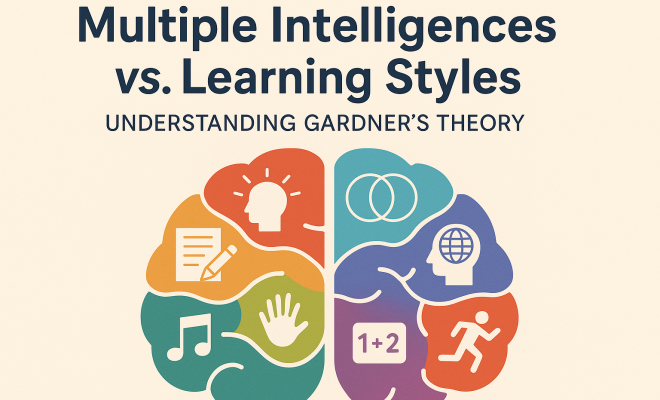
Howard Gardner, a developmental psychologist and professor at Harvard University, introduced the multiple intelligences theory in his book “Frames of Mind.” Gardner’s theory emerged from his dissatisfaction with the traditional IQ test, which he believed failed to capture the full range of human capabilities. He identified eight distinct intelligences: linguistic, logical-mathematical, spatial, musical, bodily-kinesthetic, interpersonal, intrapersonal, and naturalistic. Later, he also suggested a ninth intelligence, existential, focusing on philosophical questions about existence.
The crux of Gardner’s theory is that these intelligences are not mutually exclusive; rather, they interact and overlap, allowing individuals to engage with the world in unique ways. For instance, a person may excel in both musical and interpersonal intelligence, enabling them to connect deeply with others through their music. This understanding fundamentally shifts the focus from a one-size-fits-all approach to a more nuanced view of learning.
2. Breaking Down the Intelligences
Gardner’s eight (and later nine) intelligences encompass a wide array of human capabilities. Here’s a closer look at each:
- Linguistic Intelligence: This involves sensitivity to spoken and written language, the ability to learn languages, and the capacity to use language to achieve certain goals. Poets, writers, and effective speakers often possess high linguistic intelligence.
- Logical-Mathematical Intelligence: This intelligence pertains to the ability to analyze problems logically, carry out mathematical operations, and investigate issues scientifically. Mathematicians and scientists are typically strong in this area.
- Spatial Intelligence: Individuals with this intelligence are good at visualizing and manipulating objects in space. Architects, artists, and engineers often exhibit high spatial intelligence.
- Musical Intelligence: This encompasses skill in performing, composing, and appreciating musical forms. Musicians and composers are prime examples.
- Bodily-Kinesthetic Intelligence: People with this intelligence excel in using their bodies to express feelings, solve problems, or create products. Dancers and athletes often showcase high levels of bodily-kinesthetic intelligence.
- Interpersonal Intelligence: This refers to the ability to understand and interact effectively with others. Teachers, social workers, and actors often possess strong interpersonal intelligence.
- Intrapersonal Intelligence: This involves the capacity to understand oneself, including one’s feelings, motivations, and goals. Psychologists and philosophers often display high intrapersonal intelligence.
- Naturalistic Intelligence: This intelligence pertains to the ability to observe, appreciate, and understand the natural world. Biologists and environmentalists typically excel in this area.
- Existential Intelligence: Although less commonly discussed, this intelligence relates to the ability to contemplate deep questions about existence and life’s meaning.
Each type of intelligence plays a crucial role in how individuals learn and process experiences. Recognizing these different intelligences allows educators and learners to tailor their approaches, leading to more effective and engaging educational experiences.
3. Learning Styles: A Parallel Concept
While Gardner’s multiple intelligences theory highlights types of intelligence, the concept of learning styles focuses on the preferred ways individuals absorb, process, and retain information. Popular models of learning styles include the VARK model (Visual, Aural, Read/Write, Kinesthetic) and the Dunn and Dunn model, among others. According to these theories, people have unique learning preferences that dictate how they engage with educational material.
However, the learning styles debate has drawn criticism similar to what Gardner directed at traditional intelligence assessments. Critics argue that there is limited empirical evidence supporting the effectiveness of matching teaching methods to learning styles. Instead, they suggest that employing a variety of teaching strategies can be more beneficial for all learners. This view aligns with Gardner’s perspective that every individual benefits from a multifaceted approach to learning that taps into various intelligences.
4. The Interplay Between Multiple Intelligences and Learning Styles
Understanding the relationship between multiple intelligences theory and learning styles is essential for educators looking to create inclusive learning environments. While they are distinct concepts, they can complement each other effectively. For instance, a learner with high spatial intelligence may prefer visual aids, while a student with strong bodily-kinesthetic intelligence might thrive in hands-on activities.
Educators can leverage this interplay by integrating teaching methods that cater to multiple intelligences and accommodating various learning styles. For example, a history lesson could incorporate storytelling (linguistic intelligence), maps (spatial intelligence), and group discussions (interpersonal intelligence) to engage diverse learners. This holistic approach not only facilitates deeper understanding but also fosters a sense of belonging and motivation among students. (See: Theory of multiple intelligences.)
5. Applications of Multiple Intelligences Theory in Education
Gardner’s multiple intelligences theory has significant implications for educational practices. Teachers who embrace this framework can better identify students’ strengths and tailor their instructional strategies accordingly. For example, in a classroom setting, a teacher might design projects that allow students to exhibit their strengths across different intelligences. A science project could involve creating a model (spatial), writing a report (linguistic), or presenting findings to the class (interpersonal).
Furthermore, this approach encourages inclusivity, as it recognizes that traditional assessments may not accurately reflect a student’s capabilities. By employing diverse assessment methods—such as portfolios, presentations, and artistic representations—educators can provide a more comprehensive view of a student’s understanding and skills, allowing for a fuller picture of their potential.
6. Challenges and Criticisms of the Theory
Despite its innovative contributions, the multiple intelligences theory has faced several criticisms. One primary challenge is the lack of empirical research supporting Gardner’s claims. Critics argue that while the theory is appealing for educators and parents, it lacks rigorous scientific validation. Some psychologists suggest that Gardner’s intelligences may not be intelligences in the traditional sense but rather talents or skills.
Additionally, the practicality of implementing the theory in educational settings can be daunting. Designing curricula that fully embrace multiple intelligences requires significant time, resources, and training for educators. Many schools may struggle to adapt their teaching methodologies in a way that reflects Gardner’s ideas, especially in large classrooms where individualized instruction is challenging.
7. Current Relevance of Multiple Intelligences Theory
In contemporary education, the multiple intelligences theory continues to resonate, particularly as educators and policymakers seek ways to engage diverse learners. The theory’s emphasis on recognizing different strengths helps foster a more personalized education, which aligns with modern pedagogical trends toward differentiated instruction.
Moreover, in an age where creativity and critical thinking are highly valued, Gardner’s insights encourage educators to nurture a broader array of skills. As workplaces evolve, the importance of adaptability and emotional intelligence grows, reinforcing the relevance of interpersonal and intrapersonal intelligences in educational settings. Schools increasingly see value in teaching students not only core academic skills but also social and emotional competencies.
8. Practical Insights for Educators and Learners
For educators eager to implement the multiple intelligences theory in their classrooms, several practical strategies can be adopted:
- Diverse Learning Activities: Incorporate activities that cater to various intelligences, such as group projects, hands-on experiments, creative writing, and artistic expression.
- Individual Assessments: Move beyond traditional testing methods. Utilize portfolios, presentations, and peer assessments to provide a more holistic view of student abilities.
- Personalized Learning Plans: Develop individualized learning plans that highlight students’ strengths and interests, allowing them to take ownership of their learning process.
- Continuous Reflection: Encourage students to reflect on their learning preferences and intelligences. This self-awareness can empower them to choose strategies that best suit their learning styles.
For learners, understanding the multiple intelligences theory provides insight into how they learn best. By identifying their own strengths, students can seek out resources and strategies that align with their intelligences, ultimately fostering greater engagement and success in their educational journeys.
9. Integrating Multiple Intelligences in the Classroom
Integrating the principles of multiple intelligences theory into everyday classroom activities can significantly enhance engagement and learning outcomes. Here are practical ways to incorporate this theory:
- Thematic Units: Design units around themes that allow exploration through multiple intelligences. For instance, a unit on ecosystems can involve artistic interpretations (spatial), writing a persuasive essay (linguistic), and conducting experiments (logical-mathematical).
- Flexible Grouping: Group students based on their strengths rather than solely on ability. This promotes collaboration, where students can support each other’s learning and benefit from diverse perspectives.
- Technology Integration: Use technology to cater to various intelligences. For example, interactive simulations can appeal to logical-mathematical learners, while video editing tools can engage those with high spatial intelligence.
- Choice Boards: Create choice boards that allow students to select activities based on their intelligence preferences. For instance, a choice board for a literature unit might include options for designing a character’s biography (linguistic), creating a comic strip (spatial), or performing a scene (bodily-kinesthetic).
10. Real-World Applications of Multiple Intelligences Theory
The influence of multiple intelligences theory extends beyond the classroom. In the workplace, understanding the diverse intelligences of employees can enhance team dynamics and productivity. Here are a few examples:
- Team Composition: Teams composed of individuals with varying intelligences can approach problems from multiple angles, leading to more innovative solutions. A project team might include a strong interpersonal communicator for client relations, a logical-mathematical thinker for data analysis, and a creative artist for visual presentations.
- Professional Development: Organizations can tailor training and development programs that resonate with the different intelligences of their workforce. For example, offering workshops that involve hands-on activities for bodily-kinesthetic learners, discussions for interpersonal learners, and individual projects for intrapersonal learners can cater to a wide range of preferences.
- Leadership Styles: Effective leaders often exhibit strengths in multiple intelligences. For instance, a leader with high interpersonal intelligence may excel in managing team dynamics, while one with strong logical-mathematical intelligence can effectively analyze data to make informed decisions.
11. Critiques and Counterarguments: A Balanced Perspective
While many educators and researchers support Gardner’s theory, it’s essential to consider the critiques and counterarguments. Some argue that the theory’s broad definition of intelligence dilutes the term’s meaning. They contend that intelligence should remain distinct from talents, skills, or personality traits. (See: Harvard University.)
On the other hand, Gardner himself has acknowledged that the theory is not without its limitations and advocates for its use as a tool rather than a definitive framework. He encourages ongoing research and dialogue to refine the understanding of intelligence in a rapidly changing world.
12. Frequently Asked Questions (FAQ)
What is the main premise of multiple intelligences theory?
The main premise is that intelligence is not a single entity but a combination of various types of intelligences, each representing different ways of processing information and engaging with the world.
How can I identify my dominant intelligence?
To identify your dominant intelligence, reflect on your strengths, interests, and preferred activities. You can also take assessments designed to evaluate multiple intelligences, which can provide insights into your profile.
Can multiple intelligences be developed over time?
Yes, multiple intelligences can develop over time through education, experience, and practice. Engaging in activities that challenge and stimulate different intelligences can enhance your abilities in those areas.
How does multiple intelligences theory impact teaching methods?
Educators can use the theory to design diverse instructional strategies that cater to various intelligences, ensuring that lessons are accessible and engaging for all students.
Is there scientific evidence supporting multiple intelligences theory?
While the theory has been influential in educational contexts, it has faced criticism for lacking robust empirical validation. Academic discussions continue to explore its applicability and relevance.
13. The Way Forward
The discussion surrounding Gardner’s multiple intelligences theory and learning styles is far from over. As educational practices continue to evolve, ongoing research and dialogue are essential. A more profound understanding of how different intelligences influence learning will empower educators and students alike to create more effective educational experiences.
In a world rich with diversity, Gardner’s theory reminds us of the importance of recognizing and celebrating the myriad ways individuals learn and express their intelligence. By fostering inclusive and flexible educational environments, we can cultivate a generation of learners who are not only knowledgeable but also adaptable, creative, and empathetic. Let’s embrace this journey of discovery, understanding that the future of education lies in the vibrant tapestry of our unique intelligences.
14. Incorporating Multiple Intelligences Theory in Special Education
Special education is a field where the multiple intelligences theory can make a profound difference. Students with learning disabilities or developmental disorders often face challenges in traditional learning environments. By recognizing their diverse intelligences, educators can create personalized learning experiences that cater to their specific needs.
For example, a student with dyslexia might struggle with linguistic tasks but excel in spatial intelligence. In such cases, using visual aids, like diagrams or hands-on activities, can help them grasp complex concepts. Similarly, a student with ADHD might thrive in a learning environment that incorporates movement and physical activity, tapping into their bodily-kinesthetic intelligence.
Additionally, inclusive practices that recognize and nurture multiple intelligences can help foster a sense of belonging in students who may feel marginalized in traditional educational settings. This inclusive approach ensures that all students have the opportunity to succeed, regardless of their learning challenges.
15. Future Directions for Research in Multiple Intelligences Theory
As the landscape of education continues to evolve, so does the need for research into the multiple intelligences theory. Future research should focus on empirical validation of Gardner’s intelligences and their impact on learning outcomes across various educational settings.
One potential direction for research could involve longitudinal studies that track students’ development across multiple intelligences over time. Such studies could provide valuable insights into how early exposure to diverse learning experiences influences intelligence and skill development later in life.
Another area for exploration is the intersection of technology and multiple intelligences. With the rise of e-learning platforms and digital tools, researchers can investigate how technology can be leveraged to cater to diverse intelligences and enhance engagement in modern classrooms.
Ultimately, by pursuing further research, educators and policymakers can refine their understanding of multiple intelligences and develop strategies that offer every student a chance to shine.
“`
Trending Now
Frequently Asked Questions
What are the different types of multiple intelligences?
Howard Gardner identified eight types of multiple intelligences: linguistic, logical-mathematical, spatial, musical, bodily-kinesthetic, interpersonal, intrapersonal, and naturalistic. He later proposed a ninth intelligence, existential, which focuses on philosophical questions about existence.
How does Gardner's theory challenge traditional views of intelligence?
Gardner's theory challenges traditional views by suggesting that intelligence is not a single entity measured by IQ tests. Instead, it encompasses various distinct intelligences that reflect different human capabilities, allowing for a more comprehensive understanding of individual strengths.
What is the significance of understanding multiple intelligences in education?
Understanding multiple intelligences can transform education by promoting tailored teaching methods that cater to diverse learning styles. This approach supports personal development and helps educators create more engaging and effective learning environments.
Who developed the theory of multiple intelligences?
The theory of multiple intelligences was developed by Howard Gardner, a developmental psychologist and professor at Harvard University. He introduced the concept in his book 'Frames of Mind' in 1983, aiming to broaden the understanding of human intelligence.
Can a person possess multiple intelligences?
Yes, according to Gardner's theory, individuals can possess multiple intelligences that interact and overlap. For instance, a person might excel in both musical and interpersonal intelligences, allowing them to connect with others through their music.
What did we miss? Let us know in the comments and join the conversation.