Parenting Strategies for Slow-to-Warm-Up Children
“`html
Understanding Slow to Warm Up Children
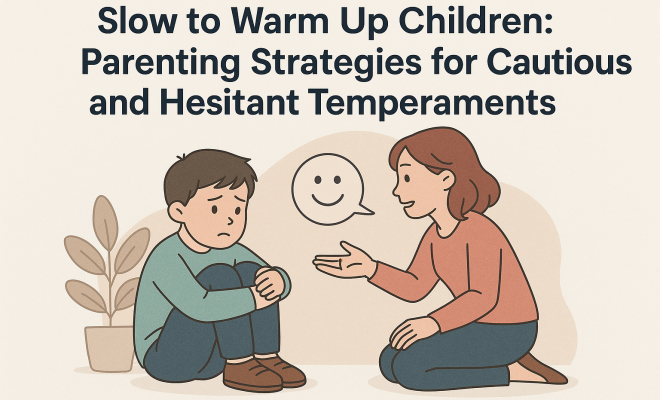
In the realm of child development, there’s a category of children who are often described as slow to warm up. These children exhibit a cautious temperament, taking their time to adjust to new situations, people, or experiences. This behavioral style can be perplexing for parents, caregivers, and educators who may not fully grasp the underlying reasons for their hesitance. Understanding this temperament is crucial, as it allows parents to adopt strategies that nurture their child’s emotional growth and social skills.
Research on temperamental differences suggests that about 15% to 20% of children fall into the slow to warm up category. They tend to be more reserved, often displaying initial reluctance to engage with unfamiliar people or environments. This behavior is not a sign of weakness or a flaw but rather a reflection of their innate personality traits, which may include heightened sensitivity and an inclination toward caution.
The Characteristics of Slow to Warm Up Children
Identifying the features of slow to warm up children can help parents better understand their needs. These children commonly exhibit the following traits:
- Cautiousness: They may observe new situations before participating, preferring to gather information before acting.
- Shyness: They often display shyness around strangers or in new environments, which can be mistaken for social anxiety.
- Difficulty with transitions: Changes in routine or new experiences may cause them distress.
- Heightened sensitivity: They may react strongly to sensory stimuli, such as loud noises or bright lights.
- Reflective nature: They may take longer to respond or react because they process their thoughts and feelings before acting.
The Importance of Acceptance and Encouragement
One of the most critical aspects of parenting slow to warm up children is acceptance. It’s essential for parents to validate their child’s feelings and experiences rather than forcing them into uncomfortable situations. Acceptance fosters a secure environment, allowing children to feel safe while they learn to navigate the world at their own pace.
Encouragement plays a vital role as well. Parents can gently encourage their children to step outside their comfort zone, but this should be done with care. Pushing them too hard can lead to increased anxiety and reluctance to explore new situations. Instead, parents can use positive reinforcement to celebrate small victories, such as initiating a conversation with a peer or trying a new activity.
Creating a Safe and Structured Environment
A safe and structured environment is crucial for slow to warm up children. Predictability in routines can help alleviate anxiety associated with new experiences. Here are some practical ways to create such an environment:
- Consistent routines: Establish predictable routines for daily activities, including meals, playtime, and bedtime. This predictability allows children to know what to expect and reduces anxiety.
- Gradual exposure: Introduce new experiences gradually. For example, if a child is hesitant about attending a birthday party, consider visiting the location beforehand to familiarize them with the setting.
- Safe spaces: Designate a safe space at home where children can retreat when feeling overwhelmed. This could be a cozy corner with their favorite books or toys.
Social Skills Development
Helping slow to warm up children develop social skills is essential for their overall happiness and well-being. While these children may be cautious in social interactions, there are effective strategies to facilitate their social development:
- Modeling social behavior: Parents can model appropriate social behaviors during everyday interactions, demonstrating how to greet others, share toys, or ask for help.
- Role-playing: Engage in role-playing exercises with your child to practice social scenarios. This can help them feel more prepared and confident when facing similar situations in real life.
- Small group settings: Encourage interactions in smaller, more controlled environments before exposing them to larger groups. Playdates with one or two peers can provide a less intimidating social experience.
Encouraging Independence
Fostering independence in slow to warm up children can empower them to take risks and build confidence. Here are some strategies to encourage independence:
- Allowing choices: Provide opportunities for your child to make choices, whether it’s selecting their outfit or choosing a snack. This autonomy can help them feel more in control.
- Encouraging problem-solving: Instead of immediately offering solutions to challenges, encourage your child to think critically and come up with their solutions. This promotes resilience and self-confidence.
- Gradual stepping stones: Introduce new responsibilities step-by-step. For example, if your child wants to play outside alone, start by allowing them to play in the yard while you supervise from a distance.
Recognizing the Role of Personality
Understanding that temperament is a key factor in how children behave can change the way parents approach their interactions. Children classified as slow to warm up often possess unique strengths, such as empathy, sensitivity, and thoughtfulness. Recognizing and valuing these traits can enrich a child’s self-esteem and reinforce their identity. (See: CDC on Child Temperament.)
It’s essential for parents to remember that a child’s temperament is not something to be altered drastically. Instead, the focus should be on helping the child learn how to adapt their natural tendencies to navigate the world effectively. By fostering a supportive environment, parents can help children thrive while remaining true to themselves.
Advice from Experts: Insights from Child Psychologists
Child psychologists often emphasize the importance of tailoring parenting strategies to meet the unique needs of slow to warm up children. Dr. Susan K. Whitbourne, a professor of psychological and brain sciences, notes that these children often need extra time to process their environments. She advocates for patience and understanding from parents, encouraging them to celebrate each small step their children take towards social engagement.
Dr. Whitbourne also stresses the value of resilience-building. She suggests that parents should create opportunities for children to experience manageable challenges, as overcoming these can significantly boost their confidence. By allowing children to face difficulties in a supportive environment, they learn that they can handle discomfort and uncertainty, which is invaluable for their emotional growth.
Celebrating Progress and Small Wins
For parents of slow to warm up children, celebrating progress, no matter how small, is vital. Each step your child takes towards greater comfort in social situations or new experiences should be acknowledged. This not only enhances their self-esteem but also reinforces the idea that progress is a journey.
Consider creating a visual chart where children can track their achievements. It could be something simple, like stickers for each successful social interaction or new experience they try. This visual representation of progress serves as a reminder of their capabilities and encourages them to continue stepping out of their comfort zones.
When to Seek Professional Support
While many slow to warm up children will naturally develop coping strategies over time, some may require professional support to help them manage their feelings and behaviors. If you notice persistent anxiety that interferes with daily functioning or significant distress in social situations, it may be beneficial to consult a child psychologist or counselor.
Professional support can provide tailored strategies and interventions that cater to your child’s specific needs. Therapists can help children learn coping mechanisms, improve social skills, and address any underlying issues contributing to their cautious temperament. Parents can work alongside therapists to ensure a consistent approach that fosters emotional well-being.
Practical Strategies for Everyday Situations
In everyday life, parents can implement various strategies to support their slow to warm up children. Here are some practical tips:
- Prepare in Advance: Before attending events or new activities, discuss what to expect with your child. This might include telling them about the people they will meet or the activities planned. Preparing them in advance can ease anxiety.
- Use Positive Language: Frame new experiences positively. Instead of saying, “You’ll probably feel scared,” try “You might find it fun to meet new friends!” This can help shift their mindset towards excitement rather than fear.
- Connect with Other Parents: Build a support network with other parents who have children with similar temperaments. Sharing experiences and strategies can be incredibly helpful for both you and your child.
- Teach Coping Techniques: Help your child develop coping mechanisms such as deep breathing, counting to ten, or using a favorite toy as a comfort item during stressful situations.
The Role of Schools and Teachers
Schools and teachers play a pivotal role in supporting slow to warm up children. Educators who understand the traits of these children can create a more inclusive and accommodating classroom environment. Here are ways schools can help:
- Individualized Attention: Teachers can provide individualized support to these students, allowing extra time for participation in class discussions or activities.
- Encouraging Peer Interaction: Teachers can facilitate structured group activities that promote interaction in a low-pressure setting. Assigning buddies can also help slow to warm up children feel more comfortable.
- Regular Check-ins: Frequent check-ins with slow to warm up children can help them feel recognized and supported. This can be a simple question about how they are feeling or if they need help with any tasks.
Understanding the Long-Term Effects
Research indicates that children who are slow to warm up may face unique challenges as they grow older. However, they also develop important skills that can serve them well in adulthood. For instance, their reflective nature can foster excellent problem-solving abilities and empathy toward others.
Skills like caution can translate into thoughtful decision-making as adults, leading to a more considered approach to life’s challenges. Understanding these long-term effects can help parents embrace their children’s temperament as a strength rather than a barrier. (See: NIH on Behavior and Treatment.)
Frequently Asked Questions (FAQ)
What does it mean to be a slow to warm up child?
A slow to warm up child is typically more cautious and reserved in new situations. They take time to observe and adapt rather than jumping in right away. This temperament can manifest as shyness or reluctance to engage with unfamiliar people or environments.
How can I help my slow to warm up child in social situations?
Encourage gradual exposure to new experiences while providing a safe and predictable environment. Role-playing social scenarios and celebrating small successes can also help build their confidence.
What are some signs my child may need professional support?
If your child displays persistent anxiety that interferes with daily life, such as avoiding school or social events, it may be beneficial to consult a child psychologist. Signs of significant distress in social situations are also indicators for seeking professional help.
Can slow to warm up children become more outgoing as they grow?
Many slow to warm up children become more comfortable in social situations as they grow and develop coping strategies. Their cautious nature often leads to thoughtful and empathetic behaviors, which can enhance their social skills over time.
How important is it to create a structured environment for these children?
Creating a structured and predictable environment is crucial for slow to warm up children. It helps reduce anxiety, allowing them to feel more secure as they navigate new experiences.
Additional Strategies for Supporting Slow to Warm Up Children
While the strategies discussed earlier provide a solid foundation for supporting slow to warm up children, there are additional approaches that parents and caregivers can adopt to further assist these children in their development:
- Encourage Interests: Support your child’s interests and hobbies, whether it’s art, music, or sports. Engaging in activities they enjoy can help them connect with others who share similar interests, making social interactions less intimidating.
- Use Social Stories: Social stories are short narratives that describe social situations and appropriate responses. Reading these stories with your child can help them understand what to expect in various scenarios, thereby reducing anxiety and enhancing their comfort level.
- Engage in Community Activities: Involvement in community events or group activities can provide opportunities for your child to practice social skills in a less pressured environment. Look for community centers, clubs, or classes that align with their interests.
Understanding the Connection Between Temperament and Learning
Research shows that a child’s temperament significantly affects their learning style and classroom behavior. Slow to warm up children may prefer learning environments that are structured and predictable. They may excel in settings that allow them to observe before participating.
Teachers can support these learners by providing them with opportunities to engage at their own pace. For example, they might offer advanced notice of new topics or changes in the schedule, allowing these children to prepare mentally for what’s coming. Tailoring learning experiences to accommodate their temperament can promote academic success and foster a love for learning.
Community Resources and Support Groups
Finding community resources can be instrumental in supporting slow to warm up children. Local parenting groups, workshops, and support networks can provide valuable information and emotional support. Here’s where to look:
- Parenting Workshops: Many communities offer workshops focused on child development and parenting strategies. These can be great places to learn more about managing the challenges faced by slow to warm up children.
- Online Support Groups: Joining online forums or social media groups can help parents connect with others who understand their experiences. Sharing tips and experiences can be incredibly validating.
- Local Therapists and Counselors: Seeking out child psychologists or counselors who specialize in childhood temperament can provide individualized guidance. They may also offer group therapy sessions that can help children connect with peers who share similar experiences.
The Benefits of a Diverse Social Circle
Encouraging your slow to warm up child to develop a diverse social circle can be beneficial. Interacting with peers from different backgrounds can provide unique learning opportunities and help your child appreciate various perspectives.
Facilitate playdates with a variety of children, focusing on those who can model positive social behaviors. This diverse social exposure can help them learn to navigate different social cues and build confidence in various settings.
Incorporating Mindfulness Practices
Mindfulness practices can be particularly advantageous for slow to warm up children. Engaging in mindfulness activities such as deep breathing, guided imagery, or yoga can help these children manage anxiety and improve their emotional regulation. Research has shown that mindfulness can help reduce stress and increase feelings of calmness.
Consider integrating short mindfulness exercises into your child’s daily routine. Even a few minutes each day can foster a sense of peace and help them feel more centered when faced with new challenges.
Conclusion: Embracing the Journey
Parenting slow to warm up children can be both challenging and rewarding. By embracing their unique temperament and employing tailored strategies, parents can foster an environment that nurtures emotional resilience, social skills, and independence. Remember, every child is different, and understanding the nuances of your child’s personality can make all the difference.
As you navigate this journey, remain patient and celebrate every achievement, no matter how small. Your support and understanding can empower your child to grow into the confident, capable individual they are meant to be.
“`
Trending Now
Frequently Asked Questions
What does it mean if a child is slow to warm up?
A slow to warm up child is typically cautious and takes time to adjust to new experiences or people. This temperament is characterized by shyness, reluctance to engage initially, and heightened sensitivity to sensory stimuli. Understanding this can help parents support their child's emotional and social development.
How can I help my slow to warm up child?
To support a slow to warm up child, parents should practice patience and acceptance. Encourage gradual exposure to new situations, validate their feelings, and provide a safe space for them to express themselves. This nurturing approach can help build their confidence and social skills over time.
Is it normal for children to be slow to warm up?
Yes, it's normal for some children to be slow to warm up. Research indicates that about 15% to 20% of children exhibit this temperament. It reflects their natural personality traits rather than a flaw, and understanding this can help parents provide appropriate support.
What are the signs of a slow to warm up child?
Signs of a slow to warm up child include cautiousness in new situations, shyness around strangers, difficulty with transitions, heightened sensitivity to sensory inputs, and a reflective nature that may cause them to take longer to respond. Recognizing these traits is key to effective parenting.
How do slow to warm up children differ from other temperaments?
Slow to warm up children differ from others by being more reserved and cautious. Unlike easy children who adapt quickly, or difficult children who may be more active and intense, slow to warm up children need time to acclimate to new environments and experiences, often showing initial reluctance.
Have you experienced this yourself? We’d love to hear your story in the comments.