Boost Your Child’s Potential: A Guide to Executive Function Skills
“`html
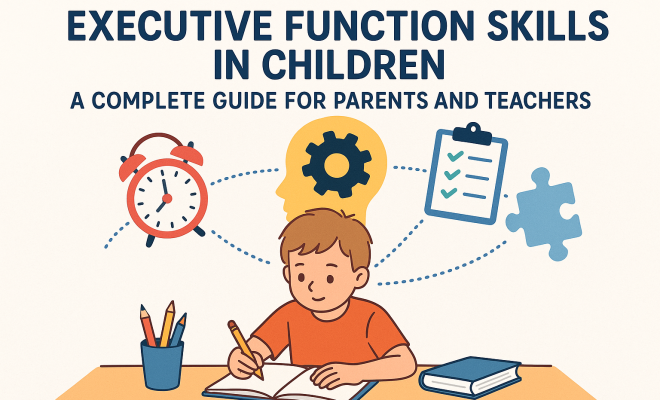
When it comes to nurturing a child’s potential, one aspect that often flies under the radar is their executive function skills. These skills govern how children plan, focus, remember details, and juggle tasks. As parents and teachers, understanding these skills is vital to fostering an environment where children can thrive both academically and socially. In this comprehensive guide, we will explore what executive function skills are, why they matter, how they develop, and ways to cultivate them in children.
What Are Executive Function Skills?
Executive function skills encompass a set of cognitive processes that help individuals manage their thoughts, actions, and emotions. These skills include working memory, cognitive flexibility, and inhibitory control. Let’s break these down:
- Working Memory: This enables children to hold and manipulate information in their minds. For instance, remembering a set of instructions while completing a task.
- Cognitive Flexibility: This skill allows children to adapt their thinking and behavior in response to changing situations. For example, if a child is working on a project and needs to switch topics, cognitive flexibility helps them adjust without frustration.
- Inhibitory Control: This refers to the ability to resist distractions and impulses. Children with strong inhibitory control can focus on their work even when faced with interruptions.
Why Are Executive Function Skills Important?
The significance of executive function skills in children cannot be overstated. They are foundational for academic achievement, social interactions, and self-regulation. Here’s why honing these skills is essential:
- Academic Success: Research indicates a strong correlation between executive function skills and academic performance. Children who possess robust executive skills tend to excel in reading, math, and other subjects.
- Behavioral Regulation: Children with developed executive function skills are better equipped to manage their emotions and behaviors, leading to improved relationships with peers and adults.
- Life Skills: Executive function skills are not just academic—they also prepare children for real-life situations. Skills such as problem-solving, planning, and multitasking are crucial as children grow into adulthood.
How Executive Function Skills Develop in Children
Understanding the developmental trajectory of executive function skills is essential for parents and teachers. These skills begin to emerge in early childhood and continue to develop into adolescence. Research suggests that:
- Infants and toddlers show early signs of executive function through simple behaviors, like following an adult’s gaze or engaging in turn-taking games.
- By ages 3 to 5, children start to exhibit more complex skills, such as following multi-step directions and managing their impulses.
- Between ages 6 and 12, executive function skills become more sophisticated, allowing for goal-setting, planning, and self-monitoring.
Neuroscientific studies illustrate that the prefrontal cortex, responsible for executive function, matures gradually, with full development occurring around age 25. This long developmental timeline highlights the importance of early interventions and consistent practice of these skills.
Identifying Challenges in Executive Function Skills
Many children may struggle with executive function skills, which can manifest as difficulties in school and at home. Here are some signs to look for:
- Inconsistent homework completion or forgetting assignments.
- Trouble following instructions or remembering details of a conversation.
- Difficulty managing time or prioritizing tasks, leading to last-minute work.
- Frequent distractions, resulting in trouble staying focused during lessons.
If you notice these behaviors, it might be time to assess a child’s executive function skills. Teachers can utilize checklists and formal assessments, while parents can observe behaviors in various settings.
Strategies for Improving Executive Function Skills
Fortunately, executive function skills can be developed and strengthened over time. Here are some practical strategies that parents and teachers can implement:
1. Create Structured Routines
Establishing daily routines can help children know what to expect and manage their time better. For example, having a consistent homework time each evening allows children to plan and adapt their workload.
2. Encourage Goal Setting
Teach children to set achievable goals, both short-term and long-term. Breaking tasks into smaller, manageable steps can enhance their planning abilities and make large projects less daunting. (See: CDC on executive function skills.)
3. Use Visual Aids
Visual aids such as charts, color-coded schedules, and reminders can serve as effective tools for improving working memory and organizational skills. These can be particularly helpful for younger children who may struggle with abstract concepts.
4. Practice Mindfulness
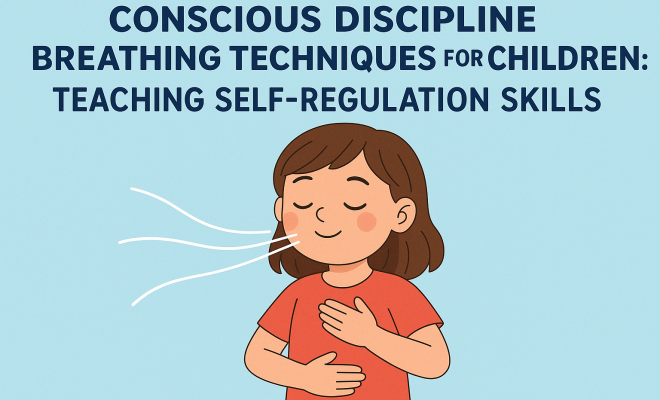
Incorporating mindfulness exercises, like deep breathing or meditation, can improve emotional regulation and inhibitory control. Even a few minutes a day can help children learn to manage their impulses more effectively.
5. Game-Based Learning
Games that require planning, problem-solving, and memory skills can be an engaging way to develop executive function. Board games, card games, and strategy-based video games are excellent options.
The Role of Parents in Developing Executive Function Skills
As a parent, your involvement is crucial in supporting your child’s executive function development. Here are some ways to engage:
- Model Executive Function Skills: Children learn by observing. When you demonstrate planning, organization, and self-control, they are more likely to adopt those behaviors.
- Provide Supportive Feedback: Encouraging children when they make progress, no matter how small, builds their confidence and motivates them to keep improving.
- Be Patient: Developing executive function skills takes time. Celebrate successes and understand that setbacks are part of the learning process.
The Educator’s Perspective: Supporting Executive Function in the Classroom
Teachers play a pivotal role in fostering executive function skills. Here are some strategies educators can use:
- Integrate Executive Function Skills into the Curriculum: Incorporate activities that require planning, flexibility, and self-control into lessons. Group projects can enhance collaboration and communication skills.
- Implement a Positive Classroom Environment: Establishing clear expectations, rules, and routines helps children feel secure and focused in the learning environment.
- Use Technology Wisely: Technology can support executive function development through educational apps and tools that promote organization and time management.
Current Research on Executive Function Skills in Children
Recent studies continue to explore the complexities of executive function skills and their impacts on child development. Research indicates that:
- Neuroscientific advancements are uncovering how different brain regions contribute to various executive functions.
- Interventions tailored towards enhancing executive function in early childhood show promising results, leading to improved academic and behavioral outcomes.
- Social-emotional learning programs that incorporate executive function skills training yield better results in children’s overall well-being.
As more is learned about the intricacies of executive function, parents and educators can better support children in developing these crucial skills.
Building Executive Function Skills Across Different Age Groups
Executive function skills develop at different rates depending on the child’s age. Understanding these stages can help tailor approaches to each developmental phase:
Early Childhood (Ages 3-5)
During this stage, children are beginning to understand basic self-control and the concept of following rules. Activities like simple board games that require turn-taking and memory games can help enhance working memory and impulse control. Parents can encourage these skills by playing games that require waiting for a turn, which teaches patience and self-regulation.
Middle Childhood (Ages 6-12)
As children grow older, they begin managing more complex tasks and responsibilities. Introducing chores or small projects allows them to practice planning and organization. Encourage kids to create to-do lists or visual schedules for their tasks. This not only aids in developing their organizational skills but also boosts their sense of responsibility.
Adolescence (Ages 13-18)
In this stage, executive function skills become increasingly sophisticated as adolescents learn to juggle more responsibilities, such as schoolwork, extracurricular activities, and part-time jobs. Coaches and teachers can play a significant role here by helping teens set long-term goals and break them down into smaller, manageable milestones. It’s also a great time to introduce technology-based organizational tools like apps to help them manage their time effectively.
Common Myths About Executive Function Skills
There are several misconceptions regarding executive function skills that can hinder effective strategies for improvement. Let’s debunk some of these myths: (See: NIH on learning and executive function.)
Myth 1: Executive Function Skills Are Fixed
Many believe that executive function skills are innate and cannot be improved. In reality, these skills are malleable and can be developed through various strategies and interventions.
Myth 2: Only Students with Learning Disabilities Struggle with Executive Function
While children with learning disabilities may face more significant challenges, many children without diagnosed issues also struggle with executive function skills. It’s essential to recognize that these skills can vary widely among all children.
Myth 3: Executive Function Skills Only Matter in School
While academic performance is a significant aspect, executive function skills are crucial for everyday life. They influence social interactions, personal organization, and even emotional regulation, shaping how children navigate the world around them.
Practical Tips for Parents and Teachers
To effectively cultivate executive function skills, consider these straightforward tips:
- Be Specific in Instructions: When giving directions, be clear and concise. Instead of saying, “Clean your room,” try “Put your clothes in the closet, then make your bed.” This clarity helps with working memory and execution.
- Encourage Reflection: After completing tasks, encourage children to reflect on what worked and what didn’t. This habit fosters self-monitoring, which is a key aspect of executive function.
- Limit Distractions: Create an environment conducive to focus. This might involve setting up a dedicated homework space free from distractions like TV or mobile devices.
- Celebrate Efforts, Not Just Results: Recognizing the effort behind achieving a goal helps children understand the value of persistence and self-control, rather than just the final outcome.
FAQs About Executive Function Skills in Children
What are some signs my child may be struggling with executive function skills?
Signs can include difficulty with time management, frequent forgetfulness, trouble organizing tasks, and impulsivity. If you notice that your child has challenges in these areas, it can be helpful to explore strategies to support their development.
At what age should I start worrying about my child’s executive function skills?
While every child develops at their own pace, executive function skills start to emerge in early childhood. If your child is showing significant difficulties in everyday tasks or academic situations as they approach school age, it may be worthwhile to seek guidance from educators or professionals.
How can I find resources to help my child improve their executive function skills?
There are many resources available, including books, websites, and local workshops focusing on executive function skill development. Educational psychologists and child development specialists can also provide tailored strategies for your child’s needs.
Is there a connection between executive function skills and mental health?
Yes, research suggests that strong executive function skills can contribute positively to a child’s mental health by enhancing emotional regulation and reducing anxiety. Conversely, difficulties with these skills may be linked to higher levels of stress and anxiety in children.
Practical Activities to Enhance Executive Function Skills
In addition to the previously mentioned strategies, engaging children in specific activities can further boost their executive function skills:
Storytelling and Role-Playing
Encouraging children to engage in storytelling helps enhance their working memory and cognitive flexibility. They can create characters and plots, then adapt them as they go along. Role-playing different scenarios also builds problem-solving skills and helps them practice emotional regulation by exploring various perspectives.
Cooking Together
Cooking is an excellent way to practice following multi-step instructions and measuring ingredients, which enhances working memory and planning. Children can learn to read recipes, manage time, and even understand cause and effect by observing how cooking processes work.
Outdoor Play and Sports
Participating in team sports or outdoor games not only promotes physical health but also enhances executive function skills. These activities often require quick decision-making, teamwork, and strategic thinking, which are all valuable skills for managing tasks and interactions.
Mind Mapping
Using mind maps to organize thoughts and ideas can significantly enhance cognitive flexibility and planning skills. Children can visually outline their thoughts for projects or topics they are studying, helping them structure and prioritize their ideas effectively.
Understanding the Impact of Environment on Executive Function Skills
The environment in which a child grows up can greatly influence the development of their executive function skills. Factors such as parental support, school environment, and social interactions all play a critical role:
- Home Environment: A stable and nurturing home atmosphere encourages the development of executive function skills. Parents who engage in conversations, read to their children, and encourage exploration create a secure base for cognitive growth.
- School Environment: Schools that emphasize social-emotional learning and provide a structured setting with clear expectations can significantly benefit students’ executive function development. Classrooms that incorporate collaboration and interactive learning enhance these skills.
- Peer Interactions: Engaging with peers allows children to practice negotiation, conflict resolution, and impulse control. Healthy friendships and collaborative play reinforce essential social and executive function skills.
The Future of Executive Function Skills Research
As research on executive function skills in children evolves, new findings will likely illuminate even more effective strategies for cultivating these vital skills. Current studies are delving into the neurological basis of executive functions, exploring how genetics and environment interact to shape these skills.
Additionally, there’s a growing focus on incorporating executive function training into various educational settings, demonstrating that early intervention can yield long-term benefits. Schools now more than ever are recognizing the importance of equipping students with not just academic skills, but also the executive function skills necessary for lifelong success.
Conclusion: Investing in the Future
Fostering executive function skills in children is not just about improving grades—it’s about preparing them for life. By understanding these skills, recognizing challenges, and actively working to enhance them, parents and educators can profoundly impact a child’s future. The journey may require patience and creativity, but the rewards of seeing a child flourish are immeasurable. As you think about your approach to guiding children, remember that every effort counts. Take it one step at a time, and you’ll witness the growth of essential skills that last a lifetime.
“`
Trending Now
Frequently Asked Questions
What are executive function skills in children?
Executive function skills in children are a set of cognitive processes that help manage thoughts, actions, and emotions. These include working memory, cognitive flexibility, and inhibitory control, which are essential for planning, focusing, and task management.
Why are executive function skills important for kids?
Executive function skills are crucial for children's academic success, social interactions, and self-regulation. They help kids excel in subjects like reading and math and enable better behavioral regulation and adaptability in various situations.
How do executive function skills develop in children?
Executive function skills develop gradually as children grow and experience various cognitive challenges. Engaging in tasks that require planning, memory, and self-control can enhance these skills, with significant growth occurring during early childhood.
How can parents help improve their child's executive function skills?
Parents can improve their child's executive function skills by providing structured routines, engaging in memory games, encouraging problem-solving activities, and promoting self-regulation techniques to help them manage distractions and impulses.
What are some activities to enhance executive function skills?
Activities that enhance executive function skills include memory games, puzzles, role-playing scenarios, and tasks that require multi-step instructions. Encouraging children to switch between tasks can also foster cognitive flexibility and inhibitory control.
Agree or disagree? Drop a comment and tell us what you think.