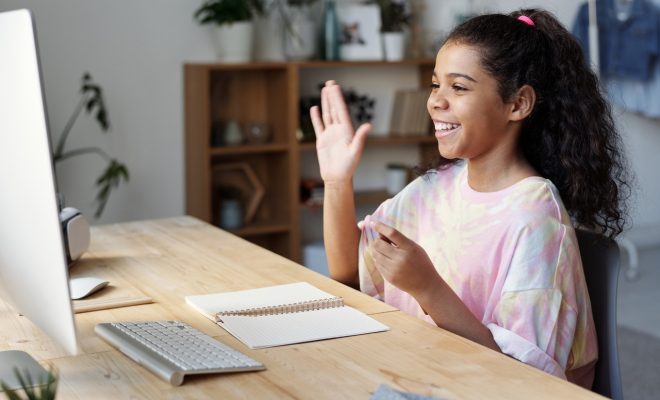
Decoding Kids: Understanding Nonverbal Communication in Children
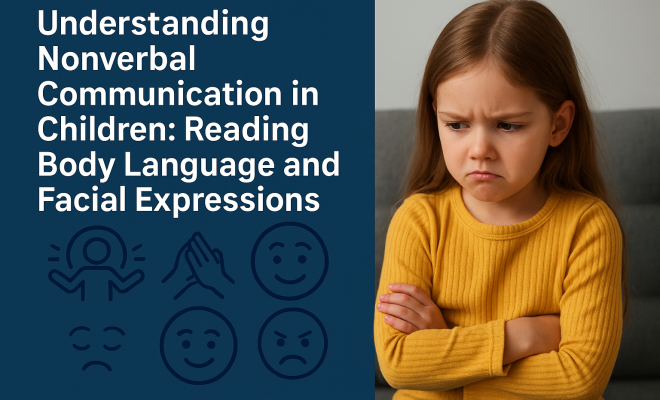
“`html
When you think of communication, the first thing that comes to mind might be spoken words. However, communication is a rich tapestry woven from various threads, many of which are nonverbal. This is especially true for children, who often express their thoughts and feelings through body language and facial expressions before they master the art of verbal communication. Understanding nonverbal communication in children can be a game-changer for parents, educators, and caregivers alike. It allows adults to better interpret children’s needs, emotions, and intentions, ultimately fostering healthier relationships.
The Importance of Nonverbal Communication
Nonverbal communication encompasses a wide array of signals, including facial expressions, gestures, posture, and eye contact. Research has shown that a significant portion of our communication is nonverbal; some estimates suggest that up to 93% of communication effectiveness comes from nonverbal cues. For children, this form of communication is crucial as they develop language skills.
For instance, a child may smile to express joy, frown to indicate displeasure, or cross their arms to show they feel defensive. These signals can elucidate a child’s feelings long before they can articulate them verbally. Therefore, being attuned to these nonverbal cues is invaluable for adults who wish to foster a nurturing environment.
How Children Develop Nonverbal Communication Skills
Children begin to communicate nonverbally from a very young age. By the time they are a few months old, infants can express discomfort or happiness through facial expressions and crying. As they grow, these nonverbal skills evolve significantly. Here’s a breakdown of how these skills develop:
- Infancy (0-12 months): Babies are attuned to emotional expressions. They can recognize their caregivers’ faces and respond to emotional cues such as smiling or frowning. During this stage, infants learn to use their own faces to express needs, turning to adults for comfort, food, or attention.
- Early Childhood (1-3 years): As toddlers begin to walk and explore, their nonverbal communication becomes more sophisticated. They use gestures to point at objects, wave goodbye, or signal ‘no.’ Understanding the emotions behind these gestures is crucial for parents.
- Preschool Age (3-5 years): Children in this stage start to combine gestures with language. They may point and say, “Look!” or use a frown to indicate frustration. Their ability to interpret others’ gestures also improves.
- School Age (5+ years): By this time, children can read and express complex emotions through nonverbal means. They can recognize subtle cues in social situations, such as a friend’s body language indicating discomfort.
Key Nonverbal Cues and Their Meanings
Understanding the nuances of nonverbal communication in children is essential for interpreting their emotions accurately. Here’s a closer look at some key nonverbal cues:
Facial Expressions
Facial expressions are perhaps the most immediate and recognizable form of nonverbal communication. Children express a wide range of emotions through their faces:
- Smiling: Indicates happiness or approval, often encouraging social interaction.
- Frowning: Can signify confusion, sadness, or displeasure. For example, a frown paired with crossed arms may indicate frustration.
- Raised Eyebrows: Often indicates surprise or curiosity. A child may raise their eyebrows when discovering something new.
Body Language
Body language plays a critical role in nonverbal communication. Here are some common gestures and postures:
- Open Posture: Indicates receptiveness and comfort. Children who are feeling safe may sit or stand with open arms.
- Closed Posture: Crossed arms or legs can indicate defensiveness or discomfort. Recognizing this can help adults approach the child more sensitively.
- Proximity: Children often use space to convey comfort or discomfort. Moving closer may indicate a desire for connection, while stepping back may suggest a need for space.
Eye Contact
Eye contact varies significantly among children and can indicate different feelings: (See: nonverbal communication in children.)
- Frequent Eye Contact: Suggests confidence and engagement. Children who make eye contact are often more comfortable in their social surroundings.
- Avoiding Eye Contact: Can indicate shyness, anxiety, or discomfort. It’s essential to recognize when a child may be feeling overwhelmed.
The Influence of Culture on Nonverbal Communication
Culture plays a significant role in shaping nonverbal communication styles. What is considered appropriate or polite in one culture may not be viewed the same way in another. Here are some examples:
- Gestures: A gesture such as a thumbs-up may be positive in some cultures but offensive in others. Parents and educators should be aware of these differences to avoid misunderstandings.
- Facial Expressions: Some cultures may encourage less expressive facial cues, while others may embrace open displays of emotion. Understanding cultural backgrounds can enhance communication effectiveness.
- Personal Space: The concept of personal space varies widely. Some cultures prefer close physical proximity in social interactions, while others value distance. Awareness of these preferences is important in multi-cultural settings.
Practical Insights for Parents and Educators
Understanding nonverbal communication in children is just the beginning. Here are practical insights for parents and educators to enhance their interactions with children:
Be Observant
Take the time to observe children’s body language and facial expressions. Notice how they react in different situations and with various peers. This can provide crucial information about their emotional state and social interactions.
Encourage Expression
Create an environment where children feel comfortable expressing themselves nonverbally. Encourage them to use gestures and facial expressions during play, storytelling, or discussions. This practice helps build their confidence and communication skills.
Model Nonverbal Communication
Demonstrate positive nonverbal communication through your own actions. Use smiles, encouraging gestures, and open body language to convey warmth and support. Children often learn by example, so be mindful of how you communicate nonverbally.
Teach Emotional Literacy
Help children identify and articulate their feelings. Use storybooks or role-playing scenarios to discuss different emotions and appropriate nonverbal expressions. By teaching them to recognize their feelings, children can learn to express themselves more effectively.
Challenges in Interpreting Nonverbal Cues
Despite its importance, interpreting nonverbal communication in children can be tricky. Here are some challenges that parents and educators may face:
- Individual Differences: Each child is unique, and nonverbal cues may vary between children. One child may express excitement through jumping, while another may smile broadly. Understanding each child’s individual style is key.
- Social Context: The context in which nonverbal communication occurs greatly impacts its meaning. A child may smile during a game but frown during a quiet moment. Recognizing the context helps in accurate interpretation.
- Mixed Signals: Children may sometimes exhibit conflicting nonverbal cues. For example, a child might say “I want to play” while crossing their arms. In such cases, it’s essential to ask clarifying questions to understand their true feelings.
Current Relevance in Education and Parenting
In our increasingly digital world, the ability to read nonverbal communication in children is more relevant than ever. With children spending more time in front of screens, face-to-face interactions may diminish, making nonverbal cues even more critical. Here’s how this understanding can have real-world implications:
- Building Empathy: Teaching children to interpret others’ body language fosters empathy and social awareness. As they grow, these skills can significantly impact their relationships and interactions.
- Intervention Strategies: For children who struggle with communication, understanding nonverbal cues can help educators and parents devise effective intervention strategies. This might include working with speech therapists or employing social skills training.
- Enhancing Classroom Dynamics: Educators who are attuned to students’ nonverbal communication can create more inclusive classrooms. Recognizing when a child is disengaged or confused can prompt timely interventions that enhance learning.
Frequently Asked Questions About Nonverbal Communication in Children
What are some common signs of discomfort in children’s nonverbal communication?
Children may show discomfort through various signs, such as avoiding eye contact, crossing their arms, fidgeting, or turning their body away from a person or situation. These signals can indicate anxiety, unhappiness, or reluctance to engage. (See: understanding communication.)
How can I help my child improve their nonverbal communication skills?
Encouraging your child to express themselves through play and creative activities can enhance their nonverbal skills. Role-playing different scenarios or engaging in games that require gestures or facial expressions can also help. Additionally, providing positive reinforcement when they use nonverbal cues effectively can boost their confidence.
Are there signs that indicate a child may struggle with nonverbal communication?
Yes, signs such as difficulty understanding social cues, limited eye contact, and trouble interpreting others’ emotions can indicate challenges with nonverbal communication. If you notice these signs consistently, consider seeking advice from a child psychologist or therapist who specializes in communication skills.
How does nonverbal communication change as children grow older?
As children mature, their nonverbal communication becomes more nuanced. Younger children may rely heavily on basic facial expressions and gestures, while older children and adolescents can express more complex emotions and subtle social cues. They also become better at reading the nonverbal signals of others, which enhances their social interactions.
How can I interpret mixed signals from my child?
Mixed signals can be confusing. If your child says one thing verbally but their body language suggests otherwise, take a moment to ask clarifying questions. You might say, “I see you’re smiling, but your arms are crossed. Are you feeling okay?” This encourages open communication and helps clarify their feelings.
Why is it important for children to learn about nonverbal communication?
Learning about nonverbal communication is vital as it fosters emotional intelligence and social skills. Children who can read nonverbal cues are often better at forming relationships, understanding others’ perspectives, and managing their own emotional responses. These skills are crucial for success in both personal and professional aspects of life as they grow.
The Future of Nonverbal Communication in Childhood Development
As we move forward, the understanding of nonverbal communication in children will continue to evolve. By recognizing the importance of body language, facial expressions, and other nonverbal cues, parents and educators can significantly enhance their interactions with children. This awareness not only helps in interpreting children’s needs and emotions but also fosters an environment of empathy and connection. Ultimately, the ability to decode nonverbal signals lays the groundwork for effective communication skills that children will carry into adulthood.
Real-Life Applications of Nonverbal Communication Skills
Building the ability to interpret and express nonverbal communication can have lasting impacts on children’s lives. Here are some real-life applications:
- Social Situations: Children who are adept at reading nonverbal cues often navigate social settings more successfully. They can pick up on subtle signals from peers, which helps them form friendships and resolve conflicts more easily.
- Academic Success: In the classroom, children who understand nonverbal communication can better gauge when a teacher is frustrated or excited about a topic. This awareness can motivate them to adjust their participation and engagement accordingly.
- Family Relationships: Strong nonverbal communication skills foster better family dynamics. When children can express themselves nonverbally, it reduces misunderstandings and enhances emotional bonding within the family unit.
- Coping Strategies: Understanding their own nonverbal signals helps children express when they are overwhelmed or stressed. This awareness can lead to the development of healthy coping strategies, such as seeking support or taking breaks.
Further Research and Studies on Nonverbal Communication in Children
Numerous studies have focused on the role of nonverbal communication in child development. Research has shown that nonverbal signals can predict future social skills and academic success. A study published in the journal Child Development found that children who displayed a variety of nonverbal cues, such as gestures and facial expressions, had better social interactions with peers. They were also more likely to be perceived as friendly and approachable by others.
Additionally, researchers at the University of California found a correlation between nonverbal communication skills and emotional regulation. Children who could express their feelings nonverbally tended to manage their emotions more effectively. This indicates that fostering nonverbal communication can also enhance emotional control, which is essential for navigating complex social environments.
As technology continues to evolve, studies are examining how digital communication affects nonverbal skills. With many children interacting through screens, understanding how this shift impacts their ability to read and express nonverbal cues becomes increasingly important. Experts are advocating for a balance between screen time and face-to-face interactions to ensure that children develop holistic communication skills.
Examples of Nonverbal Communication in Play
Play is a natural context for children to express and learn about nonverbal communication. Here are a few examples:
- Role-Playing Games: When children engage in role-playing, they often use a combination of verbal and nonverbal cues to convey their characters’ emotions. For instance, a child playing a superhero might adopt a strong posture, use exaggerated facial expressions, and gesture boldly to portray confidence and bravery.
- Imaginative Play: During imaginative play, children might create scenarios where they must read each other’s nonverbal signals to cooperate effectively. For example, while playing house, one child may gesture toward the kitchen area to indicate it’s time to prepare a meal, while another child may nod and follow without needing words.
- Team Sports: In sports, nonverbal communication is crucial. Children learn to read body language, such as teammates’ positioning and facial expressions, to understand plays without verbal communication. This skill helps them develop teamwork and collaboration abilities.
Encouraging Nonverbal Communication at Home
Creating a home environment that encourages nonverbal communication can significantly benefit children. Here are some strategies:
- Story Time: During story time, encourage your child to express their reactions to the story using facial expressions and body language. Ask them to show how they think a character feels at different moments in the story.
- Charades: Play games like charades where children must communicate without words. This fun activity boosts their ability to express ideas through gestures and actions.
- Art and Expression: Encourage your child to create art that reflects their feelings. Drawing or using other art forms can help them express complex emotions nonverbally.
- Music and Dance: Engaging in music and dance allows children to connect with their emotions and express themselves physically. This can also enhance their understanding of rhythm and movement as forms of nonverbal communication.
Conclusion
Understanding and interpreting nonverbal communication in children is not just about recognizing gestures and facial expressions; it’s a comprehensive approach that can dramatically enhance emotional literacy and interpersonal skills. By becoming more aware of these nonverbal signals, parents, educators, and caregivers can create nurturing environments that support children’s social and emotional development. As the world continues to change, the foundational skills gained through effective nonverbal communication will undoubtedly play a significant role in shaping future generations.
“`
Trending Now
- the complete explanation
- our breakdown of “the three core considerations of dap: age, individual, and cultural appropriateness”
- the complete explanation
- our breakdown of “how to teach to different learning preferences without limiting student growth”
- “How Childhood Attachment Patterns Affect Adult…
Frequently Asked Questions
What is nonverbal communication in children?
Nonverbal communication in children refers to the ways they express thoughts and feelings without using words. This includes body language, facial expressions, gestures, and eye contact. Understanding these nonverbal cues is essential for parents and caregivers to interpret children's emotions and needs effectively.
Why is nonverbal communication important for children?
Nonverbal communication is crucial for children as it allows them to express their feelings and intentions before they develop verbal skills. It helps adults understand a child's emotional state, fostering healthier relationships and creating a supportive environment for their development.
How do children develop nonverbal communication skills?
Children start developing nonverbal communication skills from infancy. By a few months old, they can express emotions through facial expressions and cries. As they grow, these skills evolve, allowing them to convey more complex feelings through gestures, posture, and other nonverbal cues.
What are some examples of nonverbal cues in children?
Examples of nonverbal cues in children include smiling to show happiness, frowning to indicate displeasure, crossing arms to express defensiveness, and maintaining eye contact to show engagement. These cues help convey their emotions and needs effectively before they can articulate them verbally.
How can adults interpret children's nonverbal communication?
Adults can interpret children's nonverbal communication by paying close attention to their body language, facial expressions, and gestures. Understanding the context and the child's previous behaviors can also help adults accurately gauge their feelings and needs, promoting better communication and relationships.
What did we miss? Let us know in the comments and join the conversation.