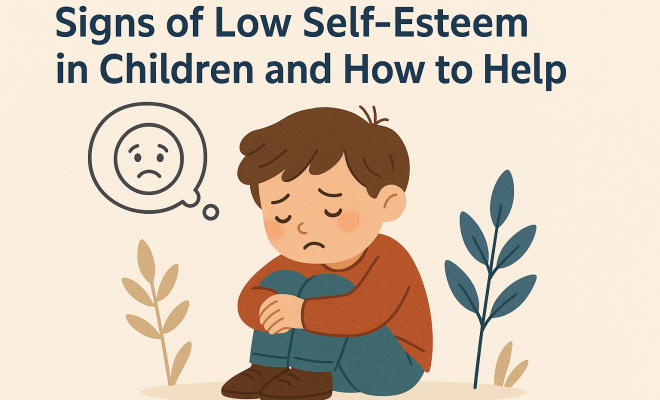
“Signs of Low Self-Esteem in Children and How to Help”
“`html
As parents, educators, and caregivers, we often focus on cultivating skills and knowledge in children, but one key area that can easily be overlooked is their self-esteem. Low self-esteem in children can manifest in various ways and can have long-lasting effects on their emotional and social development. Understanding the signs of low self-esteem and how to support your child through it is crucial for their growth and well-being.
1. Understanding Low Self-Esteem in Children
Low self-esteem in children can stem from numerous factors, including family dynamics, societal pressures, and even the way they perceive their strengths and weaknesses. According to mental health experts, self-esteem is essentially our perception of our worth and abilities. When children struggle with this perception, they may feel inadequate or unworthy, which can lead to anxiety, depression, and social withdrawal.
The roots of low self-esteem can often be traced back to specific experiences. Children who face harsh criticism, unrealistic expectations, or lack of support can develop a negative self-image. It’s essential to recognize that self-esteem is not static; it can change over time based on experiences and influences.
2. Recognizing Signs of Low Self-Esteem
Identifying low self-esteem in children can be challenging, as symptoms may manifest differently depending on the child’s personality. Some common signs include:
- Negative Self-Talk: Children with low self-esteem often engage in self-criticism, believing they are not good enough or will never succeed.
- Avoidance of Challenges: These children may shy away from new experiences or challenges out of fear of failure.
- Difficulty Accepting Compliments: They might dismiss praise, believing they do not deserve it.
- Social Withdrawal: Low self-esteem can lead to isolation, as children may avoid social interactions due to fear of judgment.
- Perfectionism: Some children may strive for perfection as a way to compensate for their feelings of inadequacy.
- Physical Symptoms: Stress and anxiety linked to low self-esteem can manifest as headaches, stomachaches, or other physical complaints.
Recognizing these signs can be the first step toward intervention, ensuring that children receive the support they need to build a healthier self-image.
3. The Impact of Low Self-Esteem
The consequences of low self-esteem can be profound. Children who struggle with their self-worth may experience academic challenges, difficulty forming friendships, and a range of mental health issues, including anxiety and depression. According to a study published in the Journal of Child Psychology and Psychiatry, low self-esteem is linked to various risk factors for later-life challenges, including substance abuse and interpersonal difficulties.
Additionally, children with low self-esteem may find it harder to assert themselves, leading to difficulties in standing up for their needs or navigating social situations. This can create a cycle where low self-esteem further exacerbates feelings of loneliness and unworthiness, making it even more critical to address early on.
4. Creating a Supportive Environment
One of the most effective ways to combat low self-esteem in children is by creating a nurturing and supportive environment. Parents and caregivers should strive to foster an atmosphere where children feel safe to express their feelings and opinions. Open communication is essential; encourage your child to share their thoughts and validate their feelings, even if you don’t necessarily agree.
Moreover, setting realistic expectations and allowing children to make mistakes is crucial. It’s important for children to understand that failure is a part of learning, and it doesn’t define their worth. Celebrate their efforts rather than just the outcomes, helping them focus on growth and resilience. (See: Children's mental health statistics.)
5. Encouraging Healthy Self-Reflection
Encouraging children to practice self-reflection can help them gain a more balanced view of themselves. Activities such as journaling can provide an outlet for children to express their thoughts and feelings. Suggest that they write about their achievements, strengths, and things they enjoy about themselves. This can help shift their focus from negative self-talk to recognizing positive attributes.
Additionally, teaching children to set achievable goals can boost their confidence. Start with small, attainable targets, and gradually increase the difficulty as they experience success. This process can instill a sense of accomplishment that fosters self-worth and encourages them to take on new challenges.
6. Promoting Positive Relationships
The relationships children form significantly influence their self-esteem. Encouraging positive friendships and connections with peers can greatly enhance their confidence. Help your child engage in activities that allow them to meet new people, such as sports teams, clubs, or community service projects.
Moreover, modeling healthy relationships at home is vital. Children learn how to interact with others by observing their parents and caregivers. Demonstrate kindness, empathy, and respect in your interactions, and encourage your child to do the same. When children experience love and support from friends and family, they are more likely to develop a positive self-image.
7. Seeking Professional Help
If you notice persistent signs of low self-esteem in your child that do not improve with your support, it may be worthwhile to seek professional help. A child psychologist or counselor can provide specialized guidance and strategies tailored to your child’s needs. Therapy can be particularly effective in helping children explore underlying issues contributing to low self-esteem.
Programs focusing on cognitive-behavioral techniques can help children reframe negative thoughts and develop healthier coping mechanisms. Additionally, support groups can provide a safe space for children to connect with peers facing similar challenges, further reinforcing their progress.
8. The Role of Schools in Building Self-Esteem
Schools play a crucial role in nurturing self-esteem in children. Educators can implement programs that promote social-emotional learning (SEL), teaching children about self-awareness, self-management, and interpersonal skills. By creating an inclusive and supportive classroom environment, educators help children feel valued and understood.
Additionally, schools can provide resources for parents, equipping them with the knowledge and tools to support their children’s self-esteem at home. Collaboration between home and school can create a unified approach, ensuring children receive consistent messages about their worth and capabilities.
9. The Importance of Early Intervention
Addressing low self-esteem in children early on can make a significant difference in their overall development. Early intervention not only helps prevent the negative consequences associated with low self-esteem but also promotes resilience and adaptability. When children learn to navigate challenges with a healthy self-image, they are better prepared for the complexities of life.
As caregivers and educators, it’s essential to stay vigilant about the signs of low self-esteem and provide the necessary support. By fostering a culture of acceptance, understanding, and encouragement, we can help children thrive and build a solid foundation for their future. (See: World Health Organization on adolescent mental health.)
10. Understanding the Root Causes of Low Self-Esteem
To effectively combat low self-esteem in children, it’s vital to understand its root causes. Some children may experience low self-esteem due to bullying, whether in person or online. Bullying can have devastating effects, leading to feelings of worthlessness and shame. According to the National Center for Education Statistics, about 20% of students report being bullied, which significantly impacts their self-esteem. Parents and guardians should be attuned to signs of bullying and take proactive measures to address it.
Family dynamics also play a key role. Children raised in overly critical or neglectful environments may internalize negative messages about themselves. On the other hand, children raised in overly protective settings may struggle with self-efficacy and independence. Recognizing these patterns is the first step in fostering a healthier self-image.
11. Statistics on Low Self-Esteem in Children
Understanding the prevalence of low self-esteem can highlight its importance. Research from the American Psychological Association shows that about 70% of children will experience a drop in self-esteem during their school years. Furthermore, low self-esteem is linked to poor academic performance, with studies suggesting that children with a positive self-image are significantly more likely to achieve higher grades. This correlation underscores the need for effective interventions and support systems both at home and in educational settings.
12. Strategies for Parents
As a parent, there are numerous strategies you can employ to help your child build a strong self-esteem. Here are some effective approaches:
- Model Positive Behavior: Children learn by observing their parents. Displaying a positive self-image and self-compassion can encourage them to do the same.
- Encourage Independence: Allow your child to make choices and solve problems on their own. This fosters a sense of control and confidence in their abilities.
- Teach Resilience: Help your child view challenges as opportunities for growth rather than setbacks. Discuss famous figures who faced adversity but succeeded through perseverance.
- Limit Screen Time: Excessive use of social media can exacerbate feelings of inadequacy. Encourage outdoor play and face-to-face interactions instead.
- Celebrate Uniqueness: Teach your child to embrace their individuality. Regular discussions about their unique traits can build a positive self-image.
13. How to Encourage Peer Support
Peer relationships are crucial in shaping a child’s self-esteem. Encouraging your child to form healthy friendships can boost their confidence significantly. Here are some ways to support this:
- Facilitate Group Activities: Organize playdates or group activities where your child can interact with peers in a low-pressure environment.
- Teach Empathy: Encourage your child to be supportive of others, as helping friends can improve their self-worth.
- Promote Positive Communication: Teach your child how to communicate assertively and express their feelings constructively.
- Recognize Group Achievements: Celebrate team efforts in academics or sports to show the importance of collaboration and connection.
14. Frequently Asked Questions about Low Self-Esteem in Children
What are the most common causes of low self-esteem in children?
Common causes include bullying, family criticism, unrealistic expectations, negative peer influence, and lack of support or encouragement. These factors can create an environment where children feel inadequate or unworthy.
How can I tell if my child is experiencing low self-esteem?
Signs of low self-esteem can include negative self-talk, withdrawal from social activities, difficulty accepting compliments, and physical symptoms like headaches or stomachaches. Observing changes in behavior, mood, or academic performance can also provide clues.
What can I do if my child refuses to talk about their feelings?
Sometimes children may be reluctant to share their feelings. Respect their space but gently encourage them to express themselves. Activities like drawing or writing in a journal can provide alternative outlets for sharing emotions. Professional support may also be helpful if they continue to struggle.
Is low self-esteem permanent?
No, low self-esteem is not permanent. With the right support, children can develop a healthier self-image. Early intervention, positive reinforcement, and creating a supportive environment can significantly improve their self-esteem over time.
Can low self-esteem in childhood affect adulthood?
Yes, childhood self-esteem can have lasting effects into adulthood. Research indicates that individuals with low self-esteem as children may experience difficulties in relationships, career advancement, and mental health as adults. This highlights the importance of addressing self-esteem issues early on.
How can teachers help students with low self-esteem?
Teachers can play a vital role by creating an inclusive classroom environment, providing constructive feedback, and implementing social-emotional learning programs. Encouraging collaboration among students can also help build a supportive community that boosts self-esteem.
15. Ways to Build Resilience in Children
Resilience is the ability to bounce back from setbacks, and it plays a crucial role in developing self-esteem. Here are some techniques to foster resilience in children:
- Encourage Problem-Solving: Teach your child to approach problems systematically. Break down challenges into smaller, manageable steps, which can help them feel more capable and less overwhelmed.
- Promote a Growth Mindset: Help your child understand that abilities can be developed through dedication and hard work. Praise their efforts rather than just their achievements to encourage perseverance.
- Let Them Face Challenges: While it’s tempting to shield children from difficulties, facing challenges head-on can help them develop coping skills. Encourage them to tackle tasks that challenge them, offering support without taking over.
- Share Stories of Resilience: Share stories of people who have overcome difficulties. This can help children see that setbacks are a natural part of life and that they can achieve their goals with effort and resilience.
16. Building Self-Esteem Through Extracurricular Activities
Engagement in extracurricular activities can significantly boost a child’s self-esteem. These activities provide opportunities for children to explore their interests, develop new skills, and build friendships. Here are some benefits of involvement in extracurriculars:
- Skill Development: Participating in sports, music, art, or other extracurriculars allows children to discover and hone their talents, leading to a sense of achievement.
- Social Connections: These activities often foster teamwork and cooperation, helping children develop social skills and friendships that contribute positively to their self-image.
- Increased Confidence: Overcoming challenges in these activities can lead to increased confidence. Achievements in a competitive setting can provide a significant boost to self-esteem.
- Sense of Belonging: Being part of a team or group can help children feel accepted and valued, which is vital for developing a positive self-image.
17. The Influence of Media on Self-Esteem
The media plays a powerful role in shaping children’s perceptions of themselves. Constant exposure to idealized images and lifestyles can lead to unrealistic expectations and comparisons. Here’s how media influences self-esteem:
- Unrealistic Standards: Advertisements and social media often promote unattainable beauty standards that can lead to feelings of inadequacy among children.
- Comparison Culture: Social media platforms can foster a culture of comparison, where children measure their worth against curated versions of others’ lives.
- Body Image Issues: Research indicates that exposure to media portraying idealized body types can result in body dissatisfaction and contribute to low self-esteem, particularly in young girls.
- Positive Representation: Conversely, media that portrays diverse body types and successes can positively influence self-esteem by promoting acceptance and self-love.
18. Conclusion
In summary, low self-esteem in children is a critical issue that requires attention and care. By being proactive in recognizing the signs, creating supportive environments, and encouraging healthy self-reflection and relationships, we can help children develop the confidence they need to succeed in life. Remember, every child deserves to feel valued and capable.
“`
Trending Now
Frequently Asked Questions
What are the signs of low self-esteem in children?
Signs of low self-esteem in children include negative self-talk, avoidance of challenges, difficulty accepting compliments, social withdrawal, and perfectionism. These behaviors can indicate that a child feels inadequate or fears failure, impacting their emotional and social development.
How can I help my child with low self-esteem?
To help a child with low self-esteem, provide consistent support and encouragement, foster open communication, and celebrate their strengths. Encourage them to face challenges gradually and help them develop a more positive self-image through constructive feedback.
What causes low self-esteem in children?
Low self-esteem in children can be caused by various factors such as harsh criticism, unrealistic expectations, family dynamics, and societal pressures. These influences can shape how children perceive their worth and abilities, leading to feelings of inadequacy.
What are the long-term effects of low self-esteem in children?
The long-term effects of low self-esteem in children can include anxiety, depression, social withdrawal, and difficulties in forming healthy relationships. It may also hinder their academic performance and overall emotional well-being.
Can self-esteem change over time in children?
Yes, self-esteem is not static; it can change over time based on experiences and influences. Positive reinforcement, supportive environments, and successful challenges can help improve a child's self-esteem.
Have you experienced this yourself? We’d love to hear your story in the comments.