Tailor Teaching: Boost Student Growth & Engagement
“`html
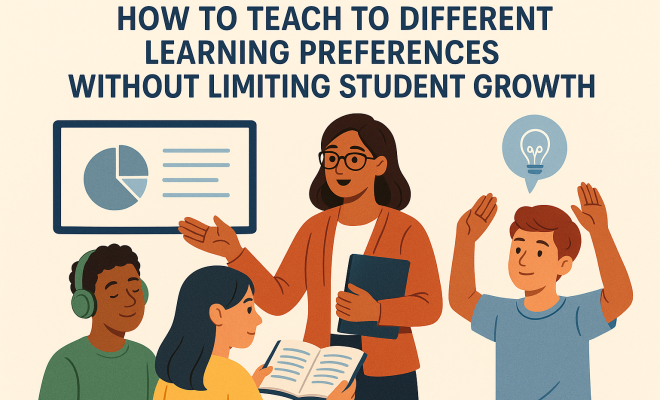
In the realm of education, understanding how to teach to different learning preferences is crucial for fostering student growth. As educators, we often encounter students with varied learning styles, and it’s essential to tailor our teaching methods to accommodate these differences. When done effectively, this approach can promote deeper engagement, enhance retention, and encourage a passion for lifelong learning. In this article, we’ll explore practical strategies for addressing diverse learning preferences while ensuring each student thrives.
1. Understanding Learning Styles
Learning styles refer to the preferred ways in which individuals absorb, process, and retain information. The concept gained prominence in the 20th century, with several models proposed to categorize these styles. The most notable among them is the VARK model, which identifies four primary learning preferences: Visual, Auditory, Reading/Writing, and Kinesthetic.
Visual learners benefit from diagrams, charts, and videos, while auditory learners grasp concepts better through listening and discussions. Reading/Writing learners excel through written text, and kinesthetic learners thrive in hands-on activities. However, it’s essential to recognize that many students may not fit neatly into one category, often exhibiting a combination of preferences. This complexity necessitates flexible teaching strategies.
2. The Importance of Differentiated Instruction
Differentiated instruction is a teaching philosophy that encourages educators to tailor their methods and approaches based on the diverse needs of their students. This framework is particularly relevant when addressing various learning styles. By differentiating instruction, teachers can create a more inclusive classroom environment.
According to research, differentiated instruction can significantly enhance student outcomes. For instance, a 2018 study published in the Journal of Educational Psychology found that students who experienced differentiated instruction showed higher levels of engagement and academic achievement. By recognizing and respecting individual learning preferences, educators can foster a climate where all students feel valued and supported.
3. Creating a Varied Learning Environment
To effectively teach to different learning preferences, it’s vital to create a varied learning environment. This involves incorporating various teaching modalities and resources to cater to the diverse needs of students. For example, consider using multimedia presentations to engage visual learners while providing opportunities for group discussions to support auditory learners.
Additionally, well-organized learning stations can be beneficial. Imagine a classroom where one corner is dedicated to reading materials, another is set up for hands-on experiments, and yet another space is designated for collaborative projects. This setup encourages students to move between stations, allowing them to engage with the material in ways that resonate with their learning preferences.
4. Incorporating Technology
In today’s digital age, technology plays a pivotal role in accommodating different learning preferences. Tools like interactive whiteboards, educational apps, and online resources can provide students with personalized learning experiences. For instance, students can use platforms like Kahoot! or Quizlet to engage with content through gamified learning, appealing to kinesthetic and auditory learners.
Moreover, online learning management systems offer a wealth of resources that allow students to learn at their own pace. Many of these platforms support a variety of content formats, including videos, written assignments, and interactive quizzes, ensuring that all students have access to materials that suit their learning styles.
5. Encouraging Student Autonomy
Empowering students to take ownership of their learning process is essential for accommodating different learning preferences. When students have a say in their learning paths, they are more likely to engage deeply with the material. Encourage students to set personal learning goals and choose how they would like to achieve them, whether through individual projects, group collaborations, or creative presentations.
Furthermore, providing options for assessments can cater to diverse learning preferences. For example, instead of a traditional essay, offer students the choice to create a video presentation, an infographic, or a physical project. This flexibility not only respects individual learning styles but also fosters creativity and critical thinking. (See: Research on learning styles and strategies.)
6. Building Strong Relationships
Establishing positive relationships between teachers and students is a cornerstone of effective teaching. When students feel respected and valued, they are more likely to engage with the material and participate in class activities. Take the time to learn about your students’ interests, strengths, and challenges. This understanding will allow you to tailor your teaching strategies to meet their needs better.
Additionally, create a supportive classroom culture where students feel comfortable sharing their thoughts and ideas. A classroom that encourages open dialogue and collaboration can enhance learning experiences for all students, regardless of their learning preferences.
7. Assessing Learning Styles
Assessing students’ learning styles is a crucial step in designing effective instruction. Various tools and questionnaires can help educators identify individual preferences. For instance, the VARK questionnaire is a popular tool for understanding how students prefer to learn.
However, it’s essential to approach assessments with caution. While they can provide valuable insights, they should not be the sole basis for instructional strategies. Instead, combine assessment results with ongoing observations and student feedback to create a comprehensive understanding of each learner’s needs.
8. Adapting Teaching Techniques
Once educators have a grasp on their students’ learning preferences, the next step is to adjust their teaching techniques accordingly. For visual learners, use imagery, graphs, and visual aids to explain concepts. For auditory learners, incorporate storytelling and discussions that encourage verbal expression.
Kinesthetic learners thrive on movement and physical activity, so activities like role-plays, simulations, or hands-on experiments are ideal. Utilizing a blend of these techniques ensures that all students can engage with the learning material in a way that resonates with them.
9. Continuous Professional Development
In the ever-evolving field of education, it’s crucial for teachers to engage in continuous professional development. This can involve attending workshops, enrolling in courses, or participating in collaborative learning communities focused on differentiated instruction and teaching to various learning styles.
Staying informed about the latest research and best practices in teaching learning styles can help educators refine their strategies to better meet the needs of their students. By actively seeking out new knowledge and tools, teachers can create a more dynamic and responsive learning environment.
10. Fostering a Growth Mindset
Finally, fostering a growth mindset among students is essential for their academic and personal development. Encourage students to view challenges as opportunities for growth and learning. When students believe that their abilities can improve over time, they are more likely to embrace varied learning experiences and take risks in their learning.
Incorporating activities that emphasize resilience and adaptability can promote a growth mindset. For instance, discussing famous figures who overcame obstacles or sharing stories of perseverance can inspire students to adopt a similar approach in their educational journeys.
11. The Role of Feedback in Learning Styles
Effective feedback is a critical component of the learning process, particularly when addressing different learning styles. Feedback can help students understand their progress, recognize areas for improvement, and feel motivated to continue learning. It’s important to consider how the feedback is delivered, as different learners may respond better to different approaches.
Visual learners might benefit from annotated work with color-coded comments, while auditory learners might appreciate verbal feedback delivered in a one-on-one conversation. Kinesthetic learners could thrive on feedback delivered through interactive activities, such as peer reviews or hands-on demonstrations. By tailoring feedback to match students’ learning styles, teachers can maximize its effectiveness.
12. Case Studies: Successful Implementation of Learning Styles in Teaching
There are numerous examples of schools and educators successfully implementing teaching strategies that cater to various learning styles. One notable case is the use of a “flipped classroom” model in a high school physics course. In this model, students accessed instructional videos at home and engaged in hands-on experiments and discussions in class. This approach effectively addressed the needs of visual, auditory, and kinesthetic learners, resulting in improved engagement and understanding of complex concepts.
Another case is a middle school in California that used project-based learning to allow students to explore topics of interest while accommodating different learning styles. Students could choose to create videos, write reports, or build models, thus engaging with the subject matter in ways that resonated with their preferences. The result was increased motivation and higher achievement levels across the board.
13. Statistics on Learning Styles and Academic Performance
Research into the impact of learning styles on academic performance is ongoing, with some studies revealing compelling data. A survey conducted by the National Center for Education Statistics indicated that students who reported a preference for active, hands-on learning performed better in science and mathematics courses compared to their peers who favored passive learning methods.
Additionally, a meta-analysis published in the Educational Psychologist found that students who received instruction aligned with their learning styles showed a 20% increase in retention rates. These statistics emphasize the importance of recognizing and incorporating learning styles into teaching practices to enhance student success.
14. Expert Perspectives on Teaching Learning Styles
Experts in the field of education emphasize the importance of understanding and applying teaching methods that align with students’ learning styles. Dr. Richard Felder, a professor of chemical engineering, argues that a one-size-fits-all approach to teaching fails to reach the diverse needs of students. He advocates for varied instructional strategies that engage multiple senses, enhancing learning for all students.
Furthermore, educational psychologist Dr. Howard Gardner, known for his Theory of Multiple Intelligences, suggests that teaching should reflect the strengths and preferences of students. He encourages educators to recognize the variety of intelligences beyond the traditional learning styles, thus creating a richer learning environment.
15. Practical Tips for Teachers
To implement effective teaching strategies that accommodate various learning styles, consider these practical tips:
- Mix It Up: Use a combination of teaching methods, including lectures, discussions, hands-on activities, and technology-based instruction.
- Get to Know Your Students: Take time to learn about each student’s unique preferences and strengths through surveys or informal conversations.
- Encourage Peer Learning: Create opportunities for students to work together, allowing them to share their strengths and support each other’s learning.
- Utilize Visual Aids: Incorporate diagrams, charts, and videos into lessons to engage visual learners.
- Incorporate Movement: Design activities that involve physical movement, catering to kinesthetic learners when possible.
16. Frequently Asked Questions (FAQ)
What are the main types of learning styles?
The most commonly referenced learning styles include Visual, Auditory, Reading/Writing, and Kinesthetic (VARK). Each style reflects a different preference for how individuals best absorb and process information.
Can a student have more than one learning style?
Yes, many students exhibit a blend of learning styles. It’s common for individuals to have a dominant style, but they may also use strategies from other styles depending on the context and subject matter.
How can teachers assess learning styles in their students?
Teachers can assess learning styles through various methods, including questionnaires, observations, and discussions with students. Tools like the VARK questionnaire are widely used for this purpose.
Is it necessary to teach to each individual learning style in the classroom?
While it’s impossible to cater to every individual learning style perfectly, incorporating a variety of teaching methods ensures that all students have the opportunity to engage with the material in a way that suits them best.
How can parents support their child’s learning style at home?
Parents can support their child’s learning style by providing resources and activities that align with their preferences. For example, visual learners might benefit from educational videos, while kinesthetic learners could thrive with hands-on projects.
17. Challenges in Implementing Learning Styles
While understanding and incorporating learning styles into teaching can enhance student engagement, there are challenges educators may face. One major challenge is time constraints. Teachers often have limited time to plan and execute lessons that cater to various learning preferences. Balancing different methods while ensuring curriculum coverage can be daunting.
Another challenge is the misconception around learning styles. Some educators may feel pressured to strictly adhere to learning styles, which can lead to rigidity in teaching methods. It’s important to remember that while learning styles can inform practice, they should not limit the curriculum. A flexible approach that allows for adaptation based on student needs can be more beneficial.
18. Future Trends in Teaching Learning Styles
The landscape of education is continually evolving, and so too are the approaches to teaching learning styles. One significant trend is the increasing integration of artificial intelligence (AI) and adaptive learning technologies. These tools can analyze student performance in real time, adjusting content delivery to meet individual learning preferences and needs.
Additionally, there’s a growing emphasis on social-emotional learning (SEL). Understanding a student’s emotional state can significantly influence how they engage with different learning styles. Educators are beginning to incorporate SEL into classroom practices, fostering environments that not only cater to academic preferences but also support emotional well-being.
19. Real-life Applications of Learning Styles in the Workplace
Understanding learning styles isn’t just essential in the classroom; it has practical applications in the workplace as well. Many companies are adopting training programs that recognize the diverse learning preferences of their employees. For example, organizations may offer training sessions that include interactive workshops, visual aids, and written materials, catering to a variety of learning styles.
Moreover, mentorship programs can be tailored to accommodate different learning styles, where mentors adapt their teaching methods based on the learning preferences of their mentees. This not only enhances the training experience but also fosters a more inclusive work environment.
20. Conclusion
Teaching to different learning preferences is not just about labeling students; it’s about creating an inclusive environment where every student has the opportunity to thrive. By understanding learning styles, differentiating instruction, leveraging technology, and fostering positive relationships, educators can help students unlock their full potential. The journey of learning is unique for each student, and with thoughtful and intentional teaching practices, we can guide them toward success.
“`
Trending Now
- our breakdown of “phonological awareness intervention programs: what works for struggling readers?”
- “Should My Child Attend TK or…
- this guide on “why phonological awareness predicts reading success better than letter knowledge”
- the complete explanation
Frequently Asked Questions
What are the different learning styles?
The different learning styles commonly referenced include Visual, Auditory, Reading/Writing, and Kinesthetic, known collectively as the VARK model. Visual learners prefer diagrams and charts, auditory learners benefit from listening, reading/writing learners excel with text, and kinesthetic learners thrive through hands-on activities.
How can teachers accommodate different learning preferences?
Teachers can accommodate different learning preferences by employing differentiated instruction strategies. This involves tailoring teaching methods to meet diverse student needs, such as using a mix of visual aids, discussions, written materials, and interactive activities to engage all types of learners.
Why is understanding learning styles important in education?
Understanding learning styles is crucial because it allows educators to create more effective and inclusive learning environments. By recognizing how students absorb and process information, teachers can enhance engagement, retention, and foster a passion for lifelong learning.
What is differentiated instruction?
Differentiated instruction is a teaching philosophy that involves modifying teaching approaches to cater to the diverse needs of students. This method promotes inclusivity and can lead to improved student outcomes by addressing individual learning preferences and styles.
How does differentiated instruction improve student outcomes?
Differentiated instruction improves student outcomes by aligning teaching methods with students' unique learning preferences. Research, such as a 2018 study published in the Journal of Educational Psychology, indicates that tailoring instruction can significantly enhance student engagement and academic performance.
Agree or disagree? Drop a comment and tell us what you think.