Mastering DAP: Age, Individual & Cultural Appropriateness
“`html
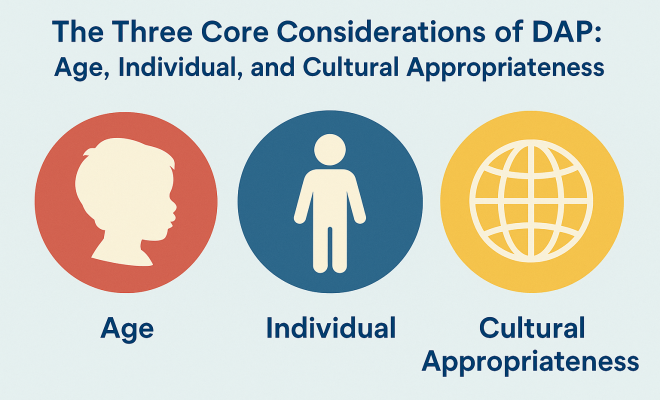
In the realm of early childhood education, the concept of developmentally appropriate practice (DAP) serves as a cornerstone for creating effective learning environments. This approach recognizes that children develop at different rates and in diverse ways, emphasizing the need for educators to tailor their methods accordingly. At the heart of DAP lie three core considerations: age, individual differences, and cultural appropriateness. Understanding these elements is crucial for anyone involved in early education, as they provide a framework for meeting the unique needs of each child.
Understanding Developmentally Appropriate Practice
Before delving into the three core considerations, it’s essential to grasp what developmental appropriateness means. DAP is not merely a set of guidelines or a checklist of activities; rather, it is a comprehensive approach that combines knowledge of child development with practical application in the classroom. The National Association for the Education of Young Children (NAEYC) outlines DAP as practices that are grounded in research and reflect children’s interests, cultural backgrounds, and developmental stages.
Educators who implement DAP focus on fostering an engaging, safe, and respectful environment. This approach encourages hands-on learning, collaborative play, and opportunities for exploration, all of which are integral to early learning experiences. When educators implement DAP effectively, they create spaces where children can thrive, explore, and reach their full potential.
The Importance of Age Appropriateness
Age-appropriateness is the first core consideration within DAP. Children’s developmental milestones are typically categorized by age, and understanding these stages helps educators design activities that align with children’s cognitive, emotional, and physical capabilities.
For instance, infants (0-12 months) require sensory-rich environments that stimulate their developing senses. Activities that promote crawling, reaching, and grasping are crucial. As children transition into toddlerhood (1-3 years), they exhibit greater mobility and curiosity. Here, educators should introduce activities that encourage problem-solving and independence, such as simple puzzles or block-building exercises. Preschoolers (3-5 years) are ready for more complex tasks that promote social interaction and critical thinking.
It’s vital to note that while age-related milestones provide a general guideline, individual variation is significant. Some children may excel in certain areas at a younger age while still developing in others. This brings us to the second core consideration: individual differences.
Recognizing Individual Differences
Every child is unique, with distinct strengths, challenges, and learning styles. Recognizing these individual differences is critical for implementing DAP effectively. This means moving beyond a one-size-fits-all approach and tailoring experiences to cater to each child’s needs.
To support individual differences, educators must engage in ongoing observation and assessment of their students. By closely monitoring children’s progress, teachers can identify specific areas where a child may need additional support or enrichment. For example, if a child demonstrates advanced verbal skills, educators might introduce more complex language activities to sustain their interest and challenge them appropriately.
Moreover, fostering an inclusive environment allows educators to accommodate children with varying abilities, including those with special needs. Providing appropriate resources, differentiated instruction, and individualized support can help all students achieve their developmental milestones.
Cultural Appropriateness: A Critical Component
The third core consideration of DAP is cultural appropriateness. In today’s increasingly diverse society, recognizing and valuing children’s cultural identities is vital in promoting a sense of belonging and respect in the classroom. Cultural appropriateness ensures that learning experiences resonate with children’s backgrounds and experiences.
Educators should incorporate materials, stories, and activities that reflect the diverse cultures of the children in their care. For instance, using multicultural books and resources can help children see themselves represented in the stories they encounter. Additionally, celebrating cultural holidays and traditions allows children to share their backgrounds, fostering a sense of community and appreciation for diversity within the classroom. (See: CDC on child development.)
When educators embrace cultural appropriateness, they not only enhance learning but also promote social cohesion and understanding among children from different backgrounds. This approach creates a more inclusive educational environment, allowing all children to thrive.
Bringing It All Together: The Interconnectedness of the Three Considerations
While age, individual differences, and cultural appropriateness are distinct considerations, they are deeply interconnected. For instance, a child’s age may influence their learning style, while individual differences can be shaped by cultural background. Educators must strive to balance these elements, creating a holistic approach to learning that caters to the whole child.
For example, consider a classroom with a diverse group of learners. An educator may design an activity that challenges children’s cognitive skills while being sensitive to their cultural backgrounds. By incorporating familiar cultural references and learning styles, the educator can foster engagement and support each child’s development.
Ultimately, the goal of DAP is to create meaningful, impactful learning experiences that nurture and uphold the developmental needs of children. By reflecting on the interconnectedness of age, individual differences, and cultural appropriateness, educators can better serve their students and facilitate a positive learning environment.
Practical Insights for Implementing DAP
Implementing developmentally appropriate practice requires more than just understanding the core principles. Educators must actively engage in strategies that foster these considerations in everyday learning. Here are some practical insights to consider:
- Ongoing Assessment: Regularly assess children’s development through observation and documentation. This will help identify their strengths, interests, and areas for growth.
- Flexible Curriculum: Design a flexible curriculum that allows for modifications based on children’s individual needs and interests. Encourage exploration and creativity within learning activities.
- Collaboration with Families: Build strong partnerships with families to gain insight into each child’s cultural background and individual needs. Family engagement is key to understanding how to best support development.
- Professional Development: Pursue ongoing professional development opportunities to stay informed about the latest research and best practices in early childhood education.
- Reflective Practice: Engage in reflective practice as an educator. Regularly evaluate your teaching methods, seeking feedback and adapting as necessary to better meet the needs of your students.
The Current Relevance of DAP in Education
In the face of rapid societal changes, the relevance of developmentally appropriate practice cannot be overstated. As classrooms become more diverse and children face various challenges, educators must be equipped with the knowledge and tools to support all learners effectively. DAP offers a robust framework for addressing these complexities.
Moreover, the COVID-19 pandemic has highlighted the importance of flexibility and adaptability in education. Many children experienced disruptions in their learning, making it even more critical to implement DAP principles that honor their individual experiences and developmental needs. Educators are called to reassess their practices, ensuring they remain responsive and sensitive to the ever-evolving landscape of education.
As we move forward, prioritizing developmentally appropriate practice will be essential for fostering an equitable and inclusive education system where all children can thrive.
Challenges in Implementing DAP
Despite the advantages of developmentally appropriate practice, implementing it is not without challenges. Educators may face various obstacles, including limited resources, large class sizes, and standardized testing pressures. These factors can make it difficult to provide individualized support and culturally relevant learning experiences.
Additionally, some educators may struggle with understanding the nuances of cultural appropriateness, particularly in diverse classrooms. Without adequate training or resources, they may unintentionally overlook the importance of representing diverse backgrounds in their teaching.
To address these challenges, schools and educational institutions must prioritize professional development and resource allocation. By equipping educators with the knowledge and tools needed to implement DAP effectively, we can create a more supportive environment for both teachers and students.
Case Studies: Successful DAP Implementation
Examining real-world examples of successful DAP implementation can provide valuable insights for educators. One such example comes from a preschool in Seattle that embraced DAP by incorporating culturally relevant materials and engaging families in the learning process. The preschool created a library filled with books in multiple languages and stories that reflected the children’s diverse backgrounds. As a result, children felt more represented and invested in their learning. Teachers documented significant improvements in engagement and social skills as children collaborated and learned from one another.
Another compelling case is a kindergarten program in New York City that focused on individualized learning plans. Each child’s interests were assessed, and curriculum adjustments were made to align with their passions. For instance, a child who loved dinosaurs engaged in a project that allowed him to lead a class presentation on fossils. This approach not only ignited his enthusiasm for learning but also enhanced his public speaking skills and confidence.
These case studies underscore the profound impact of DAP when implemented thoughtfully. They demonstrate the importance of tailoring learning experiences to children’s unique needs, fostering an environment where every child can succeed.
Statistics Supporting DAP
Research supports the effectiveness of developmentally appropriate practice in early childhood education. A study published by the Journal of Educational Psychology found that children who experienced DAP showed greater gains in cognitive development compared to those in traditional, less responsive learning environments. Specifically, children in DAP settings performed 25% higher in literacy assessments and 32% higher in math assessments by the end of the school year.
Furthermore, the National Institute for Early Education Research (NIEER) reported that programs implementing DAP principles reported improved social-emotional skills, with 80% of educators noting a decrease in behavioral issues. This statistic highlights how DAP not only supports academic growth but also fosters a positive classroom atmosphere conducive to learning.
Expert Perspectives on DAP
Voices from the field reinforce the significance of DAP in early education. Dr. Becky Bailey, a renowned educator and creator of Conscious Discipline, emphasizes that “developmentally appropriate practices create a safe environment for children to express themselves, learn, and grow.” Her insights reflect the belief that emotional security is foundational to effective learning.
Furthermore, Dr. David Elkind, an advocate for play-based learning, states, “Children learn best through play, which should be at the heart of developmentally appropriate practice.” This perspective aligns with the growing body of evidence demonstrating the critical role of play in cognitive and social development.
Engaging with these expert viewpoints can further inform educators’ understanding of DAP and inspire them to integrate these approaches into their practices.
Frequently Asked Questions (FAQ) about Developmentally Appropriate Practice
What is the primary goal of developmentally appropriate practice?
The primary goal of DAP is to create effective learning environments that cater to the holistic development of children, focusing on their age, individual differences, and cultural backgrounds.
How can I assess whether my teaching practices are developmentally appropriate?
To assess your teaching practices, reflect on how well you incorporate the three core considerations of DAP: age appropriateness, individual differences, and cultural relevance. Regularly seek feedback from colleagues, families, and even students, adjusting your methods based on their input and observations.
Is DAP only relevant for early childhood education?
While DAP is most commonly associated with early childhood education, its principles can also inform practices in elementary and beyond. Understanding developmental stages can help educators create more effective and engaging learning experiences at all levels.
How can families support DAP at home?
Families can support DAP by engaging in activities that align with their child’s interests and developmental levels. Reading together, exploring nature, and encouraging creative play are all ways families can reinforce what children learn in the classroom.
What role does play have in developmentally appropriate practice?
Play is a fundamental aspect of DAP, as it allows children to explore, learn, and engage with their environment. Through play, children develop social skills, problem-solving abilities, and creativity, all essential for their growth.
How can I ensure cultural appropriateness in my classroom?
To ensure cultural appropriateness, actively seek to include materials that reflect the diverse backgrounds of your students. Engage with families to learn more about their cultures and traditions, and incorporate these elements into your curriculum and classroom activities.
Expanding DAP Beyond the Classroom
Developmentally appropriate practice should not be confined to the classroom. Families and communities can play a significant role in supporting DAP principles at home and in various learning environments. For instance, community centers can offer programs that align with DAP principles by providing activities that reflect children’s developmental stages and cultural backgrounds.
Additionally, outdoor learning experiences can enhance DAP by allowing children to explore nature, engage in physical activities, and develop social skills in diverse settings. Field trips and community engagement can also provide valuable real-world applications of DAP and enrich children’s learning experiences.
Community Support for DAP
Efforts to implement developmentally appropriate practice can be bolstered by community support. Local organizations, libraries, and cultural institutions can partner with educational settings to provide resources and enrichment programs. Workshops for parents can also enhance understanding of DAP and how they can contribute to their child’s development.
Moreover, communities can advocate for policies that support DAP integration in schools. Such advocacy can lead to funding for resources, professional development for educators, and the establishment of community-based programs that align with DAP principles.
The Future of Developmentally Appropriate Practice
The future of DAP rests on continuous advocacy for high-quality early childhood education. As educational landscapes evolve, it’s essential to keep the spotlight on practices that prioritize children’s needs. Ongoing research and collaboration among educators, families, and policymakers will be critical in shaping the future of DAP.
Emerging technologies in education can also play a role in DAP implementation. Educational apps that adapt to individual learning styles and progress can enhance children’s learning experiences. However, it’s essential to ensure that technology complements developmentally appropriate practices rather than detracts from them. Educators must remain vigilant in balancing technology use with traditional hands-on learning experiences.
Final Thoughts on DAP
Embracing developmentally appropriate practice in early childhood education is not just about following guidelines; it’s about fostering a deep understanding of children’s growth and learning needs. As educators, families, and communities work together to create supportive environments, the impact of DAP becomes evident in the lives of children. Prioritizing DAP will ultimately lead to more engaged learners, better academic outcomes, and a brighter future for all children.
“`
Trending Now
- this guide on “phonological awareness intervention programs: what works for struggling readers?”
- our breakdown of “temperament and sibling conflict: why children from the same family can be so different”
- “Should My Child Attend TK or…
- read the full story
- “The Safe Place in Conscious Discipline: Creating Calming Spaces for Emotional Regulation”
Frequently Asked Questions
What is developmentally appropriate practice (DAP) in early childhood education?
Developmentally Appropriate Practice (DAP) is an educational approach that tailors teaching methods to the varying developmental stages and individual needs of children. It emphasizes understanding child development and cultural backgrounds to create effective learning environments that promote engagement and exploration.
Why is age appropriateness important in DAP?
Age appropriateness is crucial in DAP as it helps educators align activities with children's cognitive, emotional, and physical capabilities. By understanding developmental milestones, educators can design experiences that are suitable for each age group, ensuring that learning is both engaging and effective.
How do individual differences affect early childhood education?
Individual differences play a significant role in early childhood education, as children develop at varying rates and in unique ways. Recognizing these differences allows educators to tailor their approaches, ensuring that each child's specific needs and interests are met, which fosters optimal learning outcomes.
What role does cultural appropriateness play in DAP?
Cultural appropriateness is a key aspect of DAP, as it acknowledges and respects the diverse backgrounds of children. By incorporating cultural elements into the learning environment, educators can create a more inclusive and relevant educational experience that resonates with all students.
How can educators implement DAP effectively?
Educators can implement DAP effectively by combining knowledge of child development with practical applications in the classroom. This includes creating engaging, safe, and respectful environments that encourage hands-on learning, collaborative play, and exploration, allowing children to thrive and reach their full potential.
Agree or disagree? Drop a comment and tell us what you think.