Repairing Insecure Attachment: Can Your Style Change?
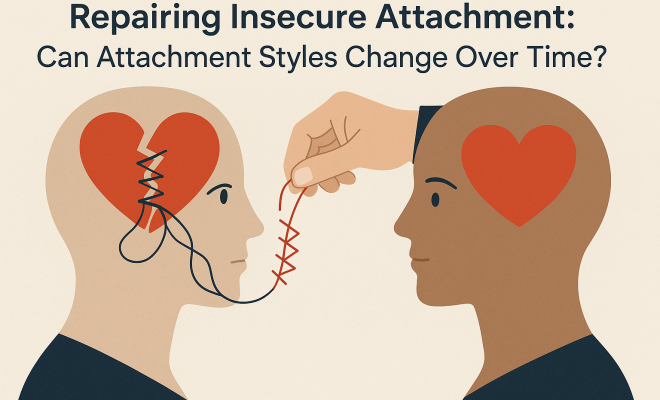
“`html
Attachment theory provides profound insights into the ways our early relationships shape our emotional lives. Developed by psychologist John Bowlby in the mid-20th century, this framework suggests that the bonds formed with primary caregivers during childhood significantly influence our behaviors and relationships in adulthood. In particular, the concept of repairing insecure attachment has gained traction as we explore the potential for change in attachment styles over time. But can these deep-seated patterns really be altered? This article delves into the multifaceted nature of attachment styles, how they can evolve, and practical steps you can take to foster healthier connections.
Understanding Attachment Styles
Attachment styles are generally categorized into four types: secure, anxious, avoidant, and disorganized. Secure attachment is characterized by trust and a healthy balance of intimacy and independence. In contrast, the other three styles reflect various degrees of insecurity. Individuals with anxious attachment often crave closeness but fear abandonment, leading to clinginess. Those with avoidant attachment may distance themselves emotionally to protect against vulnerability, while disorganized attachment presents a confusing mix of behaviors stemming from unresolved trauma.
Research indicates that these attachment styles stem from early childhood experiences. For instance, a caregiver’s inconsistent responses might foster anxiety in a child, leading to an anxious attachment style. Conversely, a caregiver’s neglect could result in avoidant tendencies. Understanding these background dynamics is critical for anyone seeking to work on repairing insecure attachment.
Can Attachment Styles Change?
The idea that attachment styles can change over time is supported by a growing body of research. Psychological studies have shown that significant life events, relationships, and interventions can all lead to shifts in how individuals relate to others. In fact, a groundbreaking study published in the journal Psychological Bulletin found that attachment styles are not fixed but rather fluid and adaptable. This means that while your early experiences may have set the stage, they do not dictate your future relationships.
For example, a person with an anxious attachment style may find that through therapeutic work, they become more secure in their relationships. Similarly, someone who has always kept emotional distance might learn to embrace vulnerability through supportive partnerships or therapeutic settings. The core takeaway here is that change is always possible, and repairing insecure attachment is a journey that many embark upon.
The Role of Therapy in Repairing Insecure Attachment
Therapy can be a powerful tool for repairing insecure attachment. Various therapeutic modalities, such as Cognitive Behavioral Therapy (CBT), Dialectical Behavior Therapy (DBT), and Emotionally Focused Therapy (EFT), can help individuals understand and reshape their attachment patterns. Therapy often provides a safe space for individuals to explore their attachment histories, recognize maladaptive behaviors, and practice new ways of relating to others.
In particular, EFT is designed specifically for addressing attachment issues within romantic relationships. By helping partners recognize their emotional needs and respond more sensitively to one another, this approach can lead to a profound transformation in how they connect. Individual therapy also allows for deep self-reflection, which is essential for those looking to understand their attachment backgrounds and move toward healthier patterns.
Building Awareness of Attachment Patterns
Awareness is the first step in repairing insecure attachment. By recognizing your own attachment style and understanding how it manifests in your relationships, you can begin to make conscious changes. For instance, journaling can be an effective practice for reflecting on your emotional responses in various situations. Ask yourself:
- How do I typically react to conflict?
- Do I find myself distancing from others or becoming overly clingy?
- What were my early relationships like?
By identifying these patterns, you create a framework for understanding your behavior in interactions. This awareness can lead to more intentional choices about how to engage with others.
Practicing Vulnerability
Vulnerability can be incredibly challenging for those with insecure attachment styles. However, it is also a crucial component in repairing insecure attachment. Allowing yourself to be vulnerable means opening up to the possibility of being hurt, yet it is also the pathway to deeper connections. Start small—share a personal story or a feeling with someone you trust. As you practice vulnerability, you’ll likely notice both the discomfort and the rewards that come with it. (See: Attachment theory overview on Wikipedia.)
Research by Brené Brown highlights the importance of vulnerability in building connections. According to her findings, vulnerability fosters trust and creates a sense of belonging. The more you embrace vulnerability, the more secure your relationships will become, allowing you to break free from the grips of insecure attachment.
Establishing Trust in Relationships
If you want to work on repairing insecure attachment, focus on building trust in your relationships. Trust is the foundation of secure attachment, and it’s often eroded in relationships characterized by insecurity. Begin by practicing reliability—be consistent in your words and actions. If you say you’ll do something, follow through. This consistency lays the groundwork for others to feel safe with you. Moreover, it’s important to surround yourself with trustworthy individuals who respect your boundaries and are willing to engage in open communication.
To foster trust, consider engaging in discussions about needs and boundaries with your loved ones. This isn’t just about expressing your own needs but actively listening to others as well. By creating a space where both parties can voice their thoughts and feelings, you develop mutual respect, which is essential for secure attachment.
Developing Emotional Regulation Skills
Individuals with insecure attachment styles often struggle with emotional regulation. Strong emotions can feel overwhelming and lead to reactions that reinforce insecure patterns. Learning to regulate your emotions can be a game-changer in repairing insecure attachment and building healthier relationships.
Techniques such as mindfulness, deep breathing, and grounding exercises can help you manage your emotional responses. For instance, practicing mindfulness can increase your awareness of emotional triggers and allow you to respond rather than react. Start by dedicating a few minutes each day to mindful meditation or breath awareness. Over time, these practices can enhance your emotional resilience, making it easier to navigate challenging interactions and fostering a sense of security in relationships.
Building a Support Network
As you embark on the journey of repairing insecure attachment, building a support network can be invaluable. Surround yourself with individuals who understand your goals for emotional growth and are willing to support you along the way. This could include friends, family, or support groups focused on attachment issues.
Support groups, in particular, can provide a sense of community and validation. Sharing experiences with others who have faced similar challenges can help you realize you’re not alone in your struggles. These connections can also offer practical advice and emotional support, making it easier to navigate the ups and downs of the healing process.
Seeking Professional Help
If your journey toward repairing insecure attachment feels overwhelming, consider seeking professional help. A therapist trained in attachment theory can provide personalized strategies and insights to help you understand your unique experiences. They can also guide you through the nuances of repairing your attachment style based on your individual needs.
Understanding that seeking therapy is not a sign of weakness but rather a proactive approach to emotional health is essential. This step can be instrumental in addressing underlying issues that contribute to insecure attachment styles and fostering positive change.
Understanding the Long-Term Effects of Insecure Attachment
Addressing insecure attachment isn’t just about improving your immediate relationships; it can also have far-reaching effects on various aspects of your life. Research indicates that individuals with insecure attachment styles may face challenges in areas such as mental health, occupational success, and overall life satisfaction. For instance, a study published in the journal Attachment & Human Development found that adults with anxious and avoidant attachment styles are more likely to experience anxiety, depression, and stress-related disorders. (See: Research on attachment styles and change.)
Furthermore, insecure attachment can lead to difficulties in forming and maintaining relationships, both personal and professional. Anxiously attached individuals may struggle with fears of abandonment, leading them to overanalyze their partners’ behaviors or avoid confrontations, while avoidantly attached individuals may find it hard to fully engage with others. This not only affects romantic relationships but can spill over into friendships and work dynamics as well, resulting in a cycle that reinforces their attachment insecurities.
Statistics on Attachment Styles and Relationships
Understanding the statistical implications of attachment styles can further underscore the importance of repairing insecure attachment. Studies indicate that approximately 60% of the population has a secure attachment style, while the remaining 40% struggle with varying degrees of insecure attachment. Within that 40%, about 20% exhibit anxious attachment, while 20% demonstrate avoidant attachment styles. These statistics highlight the prevalence of insecure attachment in our society and the need for awareness and healing.
Moreover, research shows a direct correlation between attachment styles and relationship satisfaction. A study in the journal Personal Relationships found that secure attachment styles are associated with higher relationship satisfaction and stability, while anxious and avoidant attachment styles tend to correlate with dissatisfaction, conflict, and instability in relationships. Understanding these dynamics provides insight into why addressing insecure attachment can lead to healthier interpersonal connections.
Expert Perspectives on Repairing Insecure Attachment
Experts in psychology emphasize various approaches to repairing insecure attachment. Dr. Sue Johnson, the developer of Emotionally Focused Therapy, highlights the significance of emotional responsiveness in relationships. She argues that couples often fall into negative cycles of interaction that perpetuate their attachment insecurities. By fostering an environment where partners can express their vulnerabilities and emotional needs, they can create a secure bond that allows both individuals to flourish.
Dr. Amir Levine, a psychiatrist and author of Attached, stresses the importance of recognizing attachment styles in oneself and in partners. He urges individuals to engage in open dialogue about their emotional needs. By understanding whether you or your partner have an anxious or avoidant style, you can adapt your communication and behaviors to support one another better, thereby enhancing relationship dynamics.
Steps for Individuals to Work on Their Attachment Styles
For those looking to actively engage in repairing insecure attachment, consider incorporating the following steps into your daily routine:
- Educate Yourself: Read books or attend workshops on attachment theory to deepen your understanding. Knowledge is empowering and can provide a solid foundation for change.
- Practice Self-Compassion: Recognize that everyone has areas for improvement. Be gentle with yourself as you navigate your attachment style and work on healing.
- Engage in Reflective Practices: Regularly reflect on your interactions and emotional responses. This could be through journaling or discussing feelings with a trusted friend or therapist.
- Set Clear Intentions: When entering new relationships, set clear intentions about how you want to engage with others. This includes being open to communication and expressing your needs.
- Seek Feedback: Ask trusted friends or partners for feedback about your relational patterns. Sometimes, an outside perspective can offer valuable insights.
FAQ: Common Questions About Repairing Insecure Attachment
What is the first step in repairing insecure attachment?
The first step is building awareness of your attachment style. Understanding how it manifests in your relationships is crucial for initiating change.
Can I repair insecure attachment on my own?
While self-help strategies can be beneficial, working with a therapist can provide guidance and support that enhances the healing process. Therapy offers a structured environment to explore deeper issues.
How long does it take to repair insecure attachment?
The timeline for repairing insecure attachment varies for each individual. Some may see changes in a few months, while others might take years to shift their patterns. The key is consistency and commitment to the process.
What if I’m in a relationship with someone who has an insecure attachment style?
Understanding your partner’s attachment style can facilitate communication and empathy. Encourage open discussions about feelings and needs, and consider couples therapy to work through challenges together.
Are there specific resources to help with repairing insecure attachment?
Many books, online courses, and workshops focus on attachment theory and personal growth. Resources like Brené Brown’s work on vulnerability or Dr. Amir Levine’s Attached can be particularly insightful.
Strategies for Parents: Helping Secure Healthy Attachment in Children
If you’re a parent, understanding attachment theory can also guide you in fostering secure attachments in your children. The early years are crucial for developing healthy attachment styles, and you can take proactive steps to ensure your child feels safe and loved. Some strategies include:
- Consistent Responses: Being consistent in your responses to your child’s needs helps them feel secure. When they cry, respond promptly; when they need comfort, be there to provide it.
- Create a Safe Space: Make your home an emotionally safe space where your child feels comfortable expressing their emotions. Validate their feelings and show them that it’s okay to be vulnerable.
- Model Healthy Relationships: Children learn by observing. Show them how to engage in healthy relationships with others, including resolving conflicts respectfully and expressing needs clearly.
- Encourage Independence: While being responsive to your child’s needs is vital, it’s also important to encourage their independence. Allow them to explore and develop autonomy while knowing that they can come back to you for support.
By creating an environment that fosters secure attachment, you can help prevent the cycle of insecure attachment in future generations.
Long-Term Benefits of Secure Attachment
Repairing insecure attachment not only benefits your relationships but can also lead to long-term positive outcomes in various life areas. Studies suggest individuals with secure attachment styles experience:
- Better Mental Health: People with secure attachments often report lower levels of anxiety and depression, contributing to overall emotional well-being.
- Higher Relationship Satisfaction: Securely attached individuals tend to have more fulfilling and stable relationships, characterized by open communication and mutual respect.
- Improved Coping Mechanisms: Those with secure attachments are better equipped to handle stress and adversity, leading to healthier responses during challenging situations.
- Greater Life Satisfaction: The ability to form and maintain solid relationships contributes to overall life satisfaction, enhancing both personal and professional life.
These long-term benefits underscore the importance of actively working on repairing insecure attachment, not just for oneself but for the relationships and environments we cultivate.
Conclusion: Embracing the Journey of Change
Repairing insecure attachment is not an overnight process; it requires commitment, self-reflection, and effort. However, the potential for growth is profound. By understanding your attachment style, embracing vulnerability, establishing trust, and developing emotional regulation skills, you can transform the way you relate to yourself and others. Remember, change is possible, and your past does not have to define your future. As you work on repairing insecure attachment, know that you are not alone—many are on this journey, striving for healthier, more fulfilling relationships.
“`
Trending Now
- “Phonological Awareness Intervention Programs: What Works for Struggling Readers?”
- this guide on “temperament and sibling conflict: why children from the same family can be so different”
- “Should My Child Attend TK or…
- our breakdown of “why phonological awareness predicts reading success better than letter knowledge”
- “The Safe Place in Conscious Discipline:…
Frequently Asked Questions
Can attachment styles change over time?
Yes, attachment styles can change over time. Research suggests that significant life events, relationships, and therapeutic interventions can lead to shifts in how individuals relate to others, allowing for the possibility of repairing insecure attachment.
What are the different types of attachment styles?
Attachment styles are generally categorized into four types: secure, anxious, avoidant, and disorganized. Each style reflects different patterns of behavior and emotional responses formed during early childhood experiences with caregivers.
How can I repair insecure attachment?
Repairing insecure attachment involves understanding your attachment style and its origins, engaging in self-reflection, seeking therapy, and building healthier relationships. Practical steps include enhancing emotional awareness and practicing effective communication.
What causes insecure attachment?
Insecure attachment often stems from inconsistent or neglectful caregiving during childhood. Experiences such as emotional unavailability or trauma can lead to anxious, avoidant, or disorganized attachment styles in adulthood.
Is it possible to develop a secure attachment style?
Yes, it is possible to develop a secure attachment style. Through self-awareness, positive relationships, and therapeutic support, individuals can work towards healthier attachment behaviors and create more fulfilling connections.
Have you experienced this yourself? We’d love to hear your story in the comments.