Piaget’s Object Permanence Stages: Infant Cognitive Milestones

“`html
Understanding how infants perceive the world around them is crucial for parents, educators, and psychologists alike. One of the pivotal concepts in cognitive development is Piaget’s object permanence stages. This theory, proposed by Swiss psychologist Jean Piaget, provides insight into how infants learn to comprehend that objects continue to exist even when they are out of sight. Let’s explore this fascinating journey of cognitive development in infancy, breaking down Piaget’s stages and their broader implications.
The Foundations of Piaget’s Theory
Jean Piaget developed his theories in the early to mid-20th century, laying the groundwork for modern developmental psychology. He posited that children progress through distinct stages of cognitive development, each characterized by different ways of thinking and understanding the world. Piaget’s work emphasized the active role children play in their learning processes, viewing them as little scientists who actively explore and manipulate their environments.
Central to Piaget’s theory is the concept of object permanence, which is crucial for understanding how infants navigate their surroundings. This concept refers to the understanding that objects continue to exist even when they cannot be seen, heard, or otherwise sensed. Piaget identified four stages of cognitive development, with object permanence primarily emerging in the sensorimotor stage, which spans from birth to about two years of age.
Understanding the Sensorimotor Stage
The sensorimotor stage is the first of Piaget’s cognitive development stages, lasting from birth until approximately two years of age. During this time, infants learn about their environment through their senses and actions. They explore the world by touching, looking, grasping, and mouthing objects. The development of object permanence is a key milestone in this stage, occurring in specific phases.
Piaget divided the sensorimotor stage into six sub-stages, each reflecting a different level of cognitive sophistication:
- Reflexive Schemas (0-1 month): Infants engage in reflexive actions such as sucking and grasping. They do not yet comprehend object permanence.
- Primary Circular Reactions (1-4 months): Infants begin to repeat pleasurable actions centered on their own body. They still lack object permanence.
- Secondary Circular Reactions (4-8 months): Infants start to interact with the external environment and repeat actions that produce interesting outcomes; however, they still do not understand permanence.
- Coordination of Secondary Circular Reactions (8-12 months): Infants can combine different actions to achieve a goal. They show the first signs of understanding object permanence.
- Tertiary Circular Reactions (12-18 months): Infants experiment with new actions to see the outcomes, showcasing more sophisticated cognitive abilities and a clearer understanding of object permanence.
- Mental Representation (18-24 months): Infants can mentally represent objects and actions, indicating a fully developed grasp of object permanence.
The Emergence of Object Permanence
The emergence of object permanence marks a significant cognitive leap in an infant’s life. According to Piaget, infants begin to understand this concept around eight to twelve months, which is evident in their reactions when a favorite toy is hidden. Initially, an infant may look for the toy in the last place they saw it rather than searching in other potential hiding spots. As they progress towards twelve months and beyond, they start to search more systematically, indicating a true understanding that the object still exists even if it’s not visible.
This development is not just about cognitive processing; it profoundly influences emotional and social development. As infants recognize that objects have a consistent existence, they also begin to apply this understanding to people. This lays the foundation for later relationships, as infants start to understand that caregivers will return even when they are not in sight, which is crucial for developing trust.
Research Supporting Piaget’s Theory
While Piaget’s observations and stages remain fundamental in understanding cognitive development, subsequent research has built upon his findings. Modern psychologists and developmental researchers have conducted numerous studies that support and refine Piaget’s theories. For example, researchers have utilized techniques like the “A-not-B task,” where infants are shown a toy hidden in one location, then moved to another. Observations indicate that while younger infants struggle with this task, older infants show a more sophisticated understanding of object permanence.
Additionally, advancements in neuroscience have provided insights into the cognitive processes underlying the development of object permanence. Brain imaging techniques have shown that specific areas of the brain, such as the prefrontal cortex, become increasingly active as infants develop a more refined understanding of object permanence. This suggests that as cognitive abilities evolve, so too does the underlying neural architecture. (See: Wikipedia on Object Permanence.)
The Implications of Object Permanence in Early Learning
Understanding the Piaget object permanence stages is essential for parents and educators, as it influences how they interact with infants. Recognizing that infants are not just passive recipients of experiences but active participants in their learning can change how caregivers approach playtime and learning activities.
For instance, caregivers can enhance the development of object permanence by engaging infants in games such as peek-a-boo or hiding toys. These activities not only entertain but also reinforce the concept that objects exist even when out of sight. Such interactions are crucial for fostering cognitive and emotional security, as they help infants make sense of their world.
Challenges and Critiques of Piaget’s Model
While Piaget’s theories have been instrumental in shaping our understanding of early childhood development, they are not without criticism. Some critics argue that Piaget may have underestimated infants’ cognitive abilities. For instance, research has shown that some infants as young as three to four months can demonstrate early signs of object permanence, contrary to Piaget’s assertion that it emerges around eight months.
Furthermore, critics point out that Piaget’s tasks, which often require motor skills and verbal communication, may not accurately reflect infants’ cognitive understanding. Infants may be capable of understanding object permanence earlier than they can express it through actions. This brings up important questions regarding how we assess cognitive abilities and the methods we use to gauge understanding.
Modern Perspectives on Object Permanence
In contemporary developmental psychology, the understanding of object permanence has evolved. Researchers are increasingly considering the role of culture, environment, and individual differences in cognitive development. For example, cultural practices can shape how children learn about objects and their permanence, suggesting that cognitive development is deeply intertwined with social context.
Moreover, advancements in technology, such as eye-tracking devices, allow researchers to explore infants’ attention and gaze patterns. These studies have revealed that infants may show signs of object permanence even before reaching the stages Piaget described. This has led to a re-evaluation of the ages and stages outlined by Piaget, emphasizing that cognitive development is a more nuanced and fluid process than previously thought.
Understanding the Effects of Object Permanence on Social Development
While object permanence is primarily a cognitive milestone, its effects extend into social development. The understanding that objects—and by extension, people—exist even when out of sight is foundational for trust in relationships. Infants who develop object permanence are more likely to form secure attachments with caregivers, as they come to expect that their caregivers will return after leaving.
This understanding isn’t just about recognizing physical presence; it forms the basis for empathy and social interactions in later stages of development. For instance, as children grasp the concept of object permanence, they also begin to understand that others have thoughts and feelings that may differ from their own, leading to more sophisticated social interactions as they grow.
Bridging Research and Practice: What Educators Should Know
Educators play a vital role in nurturing cognitive and emotional development during early childhood. Here are some strategies that can bridge the gap between research on object permanence and practical application in early learning environments: (See: CDC on Infant Cognitive Development.)
- Incorporate sensory play: Activities that engage multiple senses can help reinforce the concept of permanence. For example, allowing children to play with objects that make sounds or change texture helps them explore how objects behave in different contexts.
- Use storytelling: Reading stories that involve hidden characters or objects can help enhance children’s understanding of object permanence. When the character reappears after being hidden, it reinforces the concept that they still exist even when not visible.
- Facilitate peer interactions: Encouraging play among peers can also support cognitive development. When children play together, they may help each other understand concepts like object permanence through shared experiences.
Advanced Theories in Cognitive Development
While Piaget’s theories laid the groundwork for understanding cognitive development, newer theories have emerged that expand upon his ideas. One such theory is Lev Vygotsky’s Socio-Cultural Theory, which posits that social interactions play a fundamental role in cognitive development. Vygotsky argued that children learn through social contexts and that adult guidance and cultural tools are essential for advancing cognitive skills.
This theory complements Piaget’s findings by emphasizing the importance of social factors in the development of object permanence. For example, caregivers can use language and social interactions to help infants understand that objects retain their identity, even when they are hidden. This perspective highlights that cognitive development is not just an isolated process but is deeply rooted in social environments.
Practical Insights for Parents and Educators
Understanding Piaget’s object permanence stages is not just an academic exercise; it has real-world implications. Here are some practical insights to consider:
- Engage in interactive play: Activities like hide-and-seek or peek-a-boo stimulate infants’ cognitive skills and reinforce their understanding of object permanence.
- Provide opportunities for exploration: Allow infants to explore their surroundings with safe objects. This fosters curiosity and supports cognitive growth.
- Be patient with frustrations: Infants may become upset when they can’t find a hidden object. Recognizing this as part of their cognitive development helps parents respond empathetically.
- Encourage verbalization: As infants grow, encourage them to express their understanding of objects. Language development is closely linked to cognitive growth.
Frequently Asked Questions (FAQ)
What is object permanence?
Object permanence is the understanding that objects continue to exist even when they cannot be seen, heard, or otherwise sensed. This concept is crucial in cognitive development, especially in infants.
At what age do infants typically develop object permanence?
According to Piaget, infants begin to show signs of object permanence around 8 to 12 months of age, becoming more proficient in understanding it by 18 to 24 months.
Can infants show signs of object permanence earlier than 8 months?
Yes, some research suggests that infants as young as 3 to 4 months old may demonstrate early signs of object permanence. This challenges Piaget’s original timeline and indicates a more nuanced understanding of cognitive development.
How can parents help develop their child’s understanding of object permanence?
Parents can engage in activities such as playing peek-a-boo, hiding toys and encouraging children to find them, and reading books with hidden objects or characters. These activities reinforce the idea that objects exist even when they are out of sight.
How does understanding object permanence impact a child’s emotional development?
Understanding object permanence lays the foundation for trust in relationships. It helps infants learn that caregivers will return, fostering secure attachments and emotional security as they develop social skills.
Are there cultural differences in the development of object permanence?
Yes, cultural practices can influence how children learn about object permanence. Different cultures may emphasize varying aspects of play, social interaction, and exploration, which can shape infants’ understanding of the concept.
What role do caregivers play in reinforcing object permanence?
Caregivers act as guides in reinforcing object permanence. Through consistent interactions like playing games that involve hiding and revealing objects, caregivers help infants form a reliable understanding of the permanence of objects and people in their environment.
What are some signs that an infant is beginning to understand object permanence?
Signs of developing object permanence include an infant searching for a hidden toy, showing excitement when they find it, or reacting when an object is removed from their sight. As they progress, they may also begin to understand that objects can be hidden in more than one location.
How does object permanence affect later cognitive skills?
The understanding of object permanence lays a foundation for more complex cognitive skills, including memory, problem-solving, and symbolic thought. These skills are essential as children grow and start to engage with more abstract concepts in learning and interactions.
Conclusion: The Ongoing Impact of Object Permanence Understanding
The exploration of Piaget’s object permanence stages offers valuable insights into the cognitive development of infants. By understanding these stages, caregivers and educators can create enriching environments that promote cognitive and emotional growth. While Piaget’s models provide a framework, it’s essential to recognize that each child’s development is unique and influenced by various factors, including culture and individual differences.
As research continues to evolve, our understanding of object permanence will undoubtedly deepen, shedding light on the complexities of cognitive development. Ultimately, this knowledge not only enriches our comprehension of childhood development but also informs how we nurture the next generation of thinkers and learners.
“`
Trending Now
- What They Forgot to Include in My Education Degree
- this guide on “the three core considerations of dap: age, individual, and cultural appropriateness”
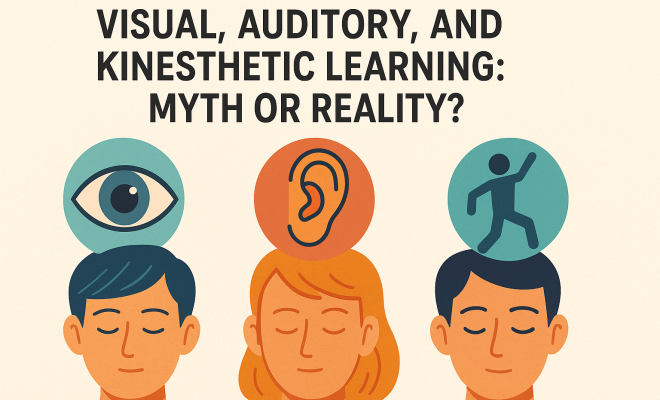
- “Why Neuroscientists Say Learning Styles Theory Lacks Scientific Evidence”
- read the full story
- our breakdown of “how childhood attachment patterns affect adult relationships and mental health”
Frequently Asked Questions
What is Piaget's theory of object permanence?
Piaget's theory of object permanence posits that infants develop the understanding that objects continue to exist even when they are not visible. This concept is crucial for cognitive development and primarily emerges during the sensorimotor stage, which lasts from birth to about two years of age.
What are the stages of cognitive development according to Piaget?
Piaget identified four stages of cognitive development: the sensorimotor stage, preoperational stage, concrete operational stage, and formal operational stage. Each stage represents a different way children think and understand their world, with object permanence being a key milestone in the sensorimotor stage.
When does object permanence develop in infants?
Object permanence typically develops during the sensorimotor stage, which spans from birth to approximately two years of age. Infants gradually learn that objects continue to exist even when they cannot see or hear them, marking a significant milestone in their cognitive growth.
How does the sensorimotor stage influence cognitive development?
The sensorimotor stage influences cognitive development by allowing infants to explore their environment through sensory experiences and motor actions. During this stage, they develop key concepts like object permanence, which helps them understand that objects exist independently of their immediate perception.
Why is Piaget's theory important for understanding child development?
Piaget's theory is important for understanding child development as it provides a framework for how children learn and think at different ages. His insights into stages of cognitive development, particularly the concept of object permanence, highlight the active role children play in exploring and understanding their world.
Agree or disagree? Drop a comment and tell us what you think.