Unlock Reading: Why Phonemic Awareness is Key to Literacy
“`html
When it comes to learning how to read, many parents and educators focus on teaching letters, sounds, and words. However, a crucial piece of the puzzle often gets overlooked: phonemic awareness. This fundamental skill forms the cornerstone of literacy development, yet its importance remains underappreciated. In this article, we’ll explore the science of reading, the role of phonemic awareness in literacy, and practical strategies to foster this essential skill in children.
Understanding Phonemic Awareness
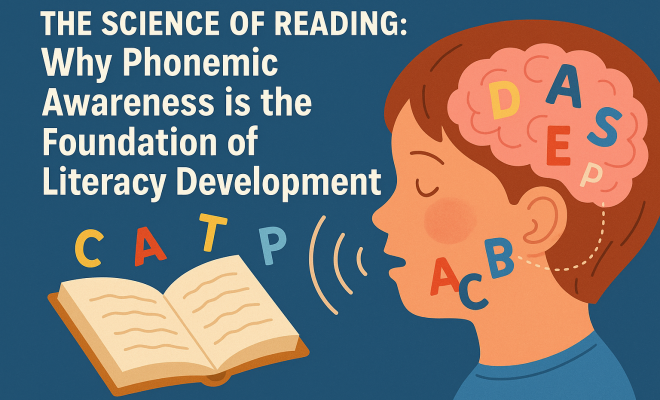
Phonemic awareness is the ability to recognize, manipulate, and work with the individual sounds (phonemes) in spoken words. It is a subcategory of phonological awareness, which encompasses a broader range of sound-related skills, such as recognizing syllables and onsets. Phonemic awareness allows children to hear and identify the distinct sounds that make up words, which is critical for developing proficient reading skills.
For example, the word ‘cat’ consists of three phonemes: /k/, /æ/, and /t/. A child with strong phonemic awareness can isolate these sounds and blend them to read the word. Research has shown that phonemic awareness is a strong predictor of later reading success. In fact, studies suggest that children who struggle with phonemic awareness are at a higher risk for reading difficulties.
The Science Behind Phonemic Awareness
Numerous studies support the assertion that phonemic awareness is a foundational skill for literacy. One landmark study by the National Reading Panel (2000) examined various components of effective reading instruction and concluded that phonemic awareness instruction significantly improves children’s reading abilities. Furthermore, the National Institute for Literacy highlights that children who develop phonemic awareness early on are better equipped to understand sound-letter relationships as they progress in their reading journey.
Phonemic awareness is rooted in cognitive development. Children must first learn to recognize sounds before they can connect them to letters. This cognitive process involves several stages, including:
- Sound Isolation: Identifying and isolating sounds in words.
- Sound Blending: Combining individual sounds to form words.
- Sound Segmentation: Breaking words down into their constituent sounds.
- Sound Manipulation: Changing sounds within words to create new words.
Each stage builds upon the previous one, creating a strong foundation for reading and spelling. Understanding these stages is essential for educators and parents working to support children’s literacy development.
The Connection Between Phonemic Awareness and Reading
Phonemic awareness serves as a bridge between spoken language and written text. When children can hear individual sounds, they can connect those sounds to the corresponding letters and patterns in written words. This connection is vital for decoding, which is the ability to sound out words while reading.
Research indicates that phonemic awareness is especially critical for beginning readers. In a study published in the Journal of Educational Psychology, researchers found that children who received explicit instruction in phonemic awareness showed significant improvements in their reading skills compared to those who did not receive such instruction. The study revealed that phonemic awareness not only aids in decoding words but also enhances spelling abilities.
Additionally, children who struggle with phonemic awareness often exhibit challenges in fluency and comprehension as they progress in their reading skills. When they cannot decode words efficiently, their ability to focus on the meaning of the text diminishes, leading to frustration and disengagement from reading.
Practical Strategies for Fostering Phonemic Awareness
Given the critical role phonemic awareness plays in literacy development, educators and parents can implement various strategies to support children in developing this skill.
1. Incorporate Playful Activities
Learning through play is an effective way to engage young learners. Activities such as rhyming games, sound matching, and phoneme manipulation can make phonemic awareness fun. For instance, using songs and chants that emphasize sounds can help children become more aware of the phonetic components of language. (See: strategies for teaching reading skills.)
2. Use Letter Tiles and Blocks
Visual aids such as letter tiles or blocks can help children connect sounds to letters more concretely. For example, you can ask a child to create a word by selecting the corresponding letter tiles based on the sounds they hear. This tactile approach enhances their understanding of phonemes while reinforcing their spelling skills.
3. Read Aloud and Discuss
Reading aloud to children is an excellent way to expose them to rich language and sound patterns. During read-aloud sessions, pause to emphasize specific sounds or syllables, encouraging children to repeat and identify them. Engaging in discussion about the story can also enhance their understanding of sounds in context.
4. Incorporate Phonemic Awareness Activities into Daily Routines
Incorporating phonemic awareness practice into daily routines can make learning natural and effortless. For example, during car rides, you can play a game where you say a word, and the child must identify the first sound. Or, ask them to think of other words that start or end with the same sound. These simple activities can significantly enhance their phonemic awareness skills without requiring dedicated instructional time.
Phonemic Awareness and Diverse Learners
While phonemic awareness is essential for all children, it holds particular significance for diverse learners, including those with learning disabilities or English Language Learners (ELLs). For children with dyslexia or other reading challenges, explicit phonemic awareness instruction can be a game-changer. It can provide them with the tools they need to break down words into manageable parts, ultimately supporting their reading proficiency.
For ELLs, phonemic awareness helps bridge the gap between their native language and English. Many ELL students may not be familiar with the phonemes present in English, making it critical for educators to help them recognize and produce these sounds. Using visual aids and multilingual resources can further support ELLs in developing phonemic awareness.
Current Relevance and Future Implications
In recent years, the education community has seen a growing emphasis on the science of reading, which highlights the importance of phonemic awareness as a foundational skill for literacy. Educators and policymakers are advocating for evidence-based practices that prioritize explicit instruction in phonemic awareness, particularly in early childhood education settings.
With the rise of literacy initiatives focusing on structured literacy approaches, schools are increasingly recognizing the need for systematic phonemic awareness instruction. This shift is promising, as it aligns with the current understanding of how children learn to read and write effectively.
Moreover, the COVID-19 pandemic has exacerbated learning gaps, particularly in literacy. Many children experienced disruptions in their education, leading to a heightened urgency for effective literacy instruction. As educators work to address these gaps, incorporating phonemic awareness into their curriculum can help ensure that all students develop the skills needed for reading success.
The Role of Family in Phonemic Awareness Development
Families play a crucial role in fostering phonemic awareness alongside educators. When parents engage in phonemic awareness activities at home, they reinforce the skills children learn in school. Simple practices, such as reading together, singing songs, and playing word games, can make a significant difference in a child’s literacy development.
Parents can also seek resources and training to better understand phonemic awareness and how to support their children. Many community organizations offer workshops that empower families with the knowledge and tools necessary to create a rich literacy environment at home.
Research and Resources on Phonemic Awareness
Numerous organizations and resources are available to support educators, parents, and caregivers in fostering phonemic awareness. Some key resources include:
- The National Reading Panel: Their reports provide comprehensive research on effective literacy instruction practices, including phonemic awareness.
- Reading Rockets: This website offers a plethora of resources, articles, and strategies for teaching reading and phonemic awareness.
- International Dyslexia Association: This organization provides resources specifically geared towards supporting children with dyslexia and reading difficulties.
- Local Libraries and Literacy Programs: Many libraries host programs and events focused on early literacy, including phonemic awareness.
These resources can help educators stay informed about the latest research and best practices while empowering families to assist their children in developing phonemic awareness.
Frequently Asked Questions (FAQ) about Phonemic Awareness
What age should children start learning phonemic awareness?
Phonemic awareness typically begins to develop during preschool years, around ages 3 to 5. However, specific instruction can be beneficial as early as age 4, as children start to demonstrate an understanding of sounds in spoken language. (See: importance of literacy development.)
How can I tell if my child has strong phonemic awareness?
Children with strong phonemic awareness can perform tasks like identifying the first sound in a word, blending sounds to form words, and segmenting words into their individual sounds. If your child can do these tasks confidently, it’s a good sign they have developed this skill.
Are phonemic awareness and phonics the same thing?
No, while they are closely related, phonemic awareness and phonics are not the same. Phonemic awareness focuses solely on the auditory aspect of sounds in spoken language, while phonics involves connecting those sounds to written letters and understanding how they combine to form words.
Can phonemic awareness be taught at home? How?
Absolutely! Parents can teach phonemic awareness at home through fun and engaging activities. Games that involve rhyming, sound matching, and sound manipulation can be effective. Reading books aloud and emphasizing sounds, as well as singing songs with repetitive phrases, also aids in developing these skills.
What are some signs that a child may struggle with phonemic awareness?
Signs that a child may struggle with phonemic awareness include difficulty rhyming, trouble recognizing letters and sounds, challenges with spelling, and problems decoding words when reading. If you notice these challenges, consider reaching out for additional support from educators or specialists.
How does phonemic awareness relate to overall literacy skills?
Phonemic awareness is a foundational skill that supports various aspects of literacy, including reading, writing, and spelling. Strong phonemic awareness allows children to decode words, understand sound-letter relationships, and develop reading fluency and comprehension. Without it, children may struggle significantly in their literacy journey.
The Lasting Impact of Phonemic Awareness
Phonemic awareness is more than just a stepping stone in the journey to literacy; it is the very foundation upon which reading and writing skills are built. By understanding the significance of phonemic awareness and implementing strategies to nurture it, educators and parents can set children on a path toward fluent reading and lifelong learning. As we continue to emphasize the science of reading, it is essential to recognize and advocate for the critical role that phonemic awareness plays in a child’s literacy development. Investing in these foundational skills today will yield dividends in the future, as children become confident, proficient readers ready to tackle the world of knowledge that awaits them.
Additional Strategies for Developing Phonemic Awareness
If you’re looking for even more ways to support phonemic awareness, consider these additional strategies:
1. Phonemic Awareness Apps and Games
With the advent of technology, there are numerous apps and online games designed to enhance phonemic awareness. These interactive tools often include fun and engaging activities that allow children to practice their skills in a format they enjoy. Look for apps that focus on sound matching, blending, and segmenting, as they can make learning phonemic awareness exciting.
2. Storytelling and Oral Language Activities
Encouraging children to tell stories helps promote their phonemic awareness. You can ask them to share their day, describe a favorite toy, or create a story based on pictures. This practice not only builds oral language skills but also increases their awareness of sounds and words as they express their thoughts.
3. Use of Visual Aids
Introduce visual aids like sound charts and phoneme cards that display various sounds. These resources can help children visualize the sounds they are learning and aid in memory retention. For instance, a phoneme card showing the letter “b” alongside a picture of a ball can help reinforce the /b/ sound connection.
4. Consistent Check-Ins and Assessments
Regularly assess your child’s phonemic awareness skills to track progress and identify areas that may need further support. Simple assessments could include asking them to sound out words or identify rhyming words. Adjust your approach based on their performance to ensure they are continually challenged and engaged. (See: phonemic awareness in early learning.)
5. Community Engagement
Participating in community events focused on literacy can also enhance phonemic awareness. Look for local reading fairs, storytelling sessions, or literacy workshops. These avenues not only reinforce skills but also foster a love for reading and learning in a social environment.
Broadening the Understanding of Phonemic Awareness
It’s essential to recognize that phonemic awareness is not a standalone skill but rather part of a broader set of competencies necessary for reading success. While children often learn to read through phonics-based instruction, phonemic awareness lays the groundwork for these phonics skills. In fact, research has shown that children with strong phonemic awareness are more likely to excel in phonics, leading to better overall reading performance.
Consider this: when children engage in phonemic awareness activities, they are not only practicing the sounds in isolation but also developing a more profound understanding of language structure. This can lead to better spelling skills, as they learn to break words down into their component sounds. For instance, children who can segment the sounds in “dog” into /d/, /ɔ/, and /g/ will find it easier to spell the word correctly.
Statistics Highlighting the Importance of Phonemic Awareness
Looking at some statistics provides a clearer picture of how phonemic awareness influences reading success. According to the National Institute for Literacy, about 40% of children who struggle with reading in the first grade continue to have difficulties into their adolescence. The same research indicates that early intervention focused on phonemic awareness can reduce this number significantly, with targeted instruction decreasing the rate of reading difficulties by nearly 30%.
In a longitudinal study conducted by the University of Oregon, students who received explicit phonemic awareness instruction showed an increase in reading scores by an average of 20% within one academic year. This goes to show the powerful impact that a solid understanding of phonemic awareness can have on a child’s literacy trajectory.
The Role of Educators in Phonemic Awareness Development
Educators are at the forefront of developing phonemic awareness in young learners. Training teachers to recognize the signs of phonemic awareness struggles and equipping them with effective instructional strategies can create a significant shift in classroom dynamics. Professional development focusing on phonological processing and its applications in the classroom can enhance teachers’ abilities to foster these essential skills.
Moreover, educators should advocate for and implement tiered interventions that focus on phonemic awareness. This might mean offering specialized workshops or training sessions that teach educators how to integrate phonemic awareness instruction into their daily lesson plans effectively. By prioritizing training on phonemic awareness in teacher preparation programs, we can ensure that future educators are well-equipped to support all learners from the outset.
The Lasting Impact of Phonemic Awareness
Phonemic awareness is more than just a stepping stone in the journey to literacy; it is the very foundation upon which reading and writing skills are built. By understanding the significance of phonemic awareness and implementing strategies to nurture it, educators and parents can set children on a path toward fluent reading and lifelong learning. As we continue to emphasize the science of reading, it is essential to recognize and advocate for the critical role that phonemic awareness plays in a child’s literacy development. Investing in these foundational skills today will yield dividends in the future, as children become confident, proficient readers ready to tackle the world of knowledge that awaits them.
“`
Trending Now
Frequently Asked Questions
What is phonemic awareness in reading?
Phonemic awareness is the ability to recognize and manipulate individual sounds, or phonemes, in spoken words. It is a crucial subcategory of phonological awareness and plays a vital role in developing proficient reading skills by enabling children to hear, identify, and blend sounds to form words.
Why is phonemic awareness important for literacy?
Phonemic awareness is essential for literacy development as it serves as a foundation for understanding sound-letter relationships. Research shows that children with strong phonemic awareness are more likely to succeed in reading, while those who struggle with it face higher risks of reading difficulties.
How can I improve my child's phonemic awareness?
To improve your child's phonemic awareness, engage in activities that involve sound manipulation, such as rhyming games, sound sorting, and phoneme isolation exercises. Reading aloud and encouraging children to listen for sounds in words also helps foster this crucial skill.
What are the signs of poor phonemic awareness?
Signs of poor phonemic awareness include difficulty recognizing and manipulating sounds in words, trouble rhyming, and challenges in blending sounds to read words. Children exhibiting these signs may struggle with reading and should receive targeted support to enhance their phonemic skills.
What research supports phonemic awareness instruction?
Numerous studies, including a landmark report by the National Reading Panel, indicate that explicit phonemic awareness instruction significantly boosts children's reading abilities. The National Institute for Literacy also emphasizes its role in helping children grasp sound-letter relationships as they advance in reading.
Have you experienced this yourself? We’d love to hear your story in the comments.