Boost Learning: Teach to Multiple Styles in Elementary Classrooms
“`html
Understanding how children learn is a fundamental aspect of effective teaching, especially in elementary classrooms. With the rise of differentiated instruction and a deeper understanding of cognitive psychology, educators are increasingly recognizing the significance of multiple learning styles in education. This concept suggests that students have varying preferences for how they absorb, process, and retain information. By tailoring teaching strategies to accommodate these diverse learning styles, teachers can foster a more inclusive and effective learning environment.
The Concept of Multiple Learning Styles
Multiple learning styles refer to the idea that individuals learn in different ways. The most commonly referenced framework was developed by educational theorists Howard Gardner with his Theory of Multiple Intelligences, which identifies eight distinct types of intelligences, including linguistic, logical-mathematical, spatial, musical, bodily-kinesthetic, interpersonal, intrapersonal, and naturalistic. Gardner’s theory has broadened the understanding of intelligence from a purely academic focus to a more holistic view that encompasses various abilities.
In addition to Gardner’s model, other frameworks, such as Neil Fleming’s VARK model, categorize learning styles into four types: Visual, Auditory, Read/Write, and Kinesthetic. Each student may have a dominant style that influences how they engage with the material presented in the classroom, making it crucial for educators to recognize these differences.
The Importance of Recognizing Learning Styles
Recognizing multiple learning styles is essential for creating an equitable educational environment. When teachers employ a one-size-fits-all approach, they risk alienating students who may not thrive under traditional methods. For instance, a child who excels in bodily-kinesthetic learning may struggle in a lecture-heavy setting but thrive in a hands-on activity. Understanding and implementing varied instructional methods can enhance student engagement, improve academic performance, and promote a positive classroom atmosphere.
Moreover, accommodating diverse learning styles can help reduce behavior issues. When students are engaged and learning in a way that resonates with them, the likelihood of classroom disruptions diminishes. This positive impact extends to overall classroom dynamics, fostering collaboration and respect among peers.
Strategies for Teaching to Multiple Learning Styles
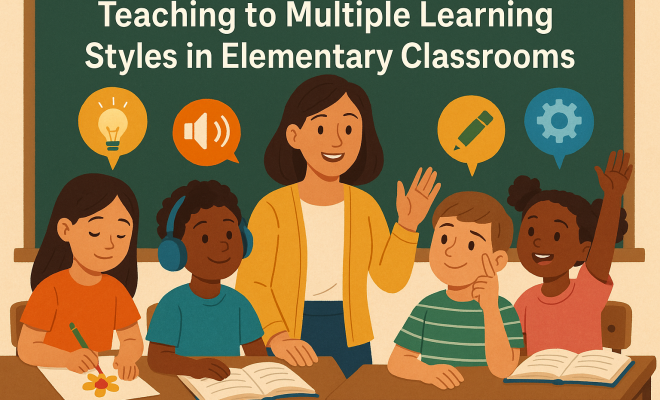
To effectively reach students with different learning styles, educators can implement various strategies that cater to diverse preferences:
- Incorporate Visual Aids: Use charts, graphs, images, and videos to cater to visual learners. Visual aids can help clarify complex concepts and make lessons more engaging.
- Engage Through Music: For auditory learners, incorporating songs, rhythms, and spoken word can make lessons more accessible. This strategy can be especially effective in subjects like language arts and science.
- Encourage Movement: Kinesthetic learners benefit from hands-on activities and movement. Incorporating role-play, experiments, and physical activities can help these students grasp concepts more effectively.
- Utilize Group Work: Collaborative projects allow students to learn from their peers, catering to interpersonal learners who thrive in social settings. Group work promotes communication, teamwork, and a deeper understanding of the material.
- Provide Individual Tasks: For intrapersonal learners, offering independent study projects or reflective journals can encourage self-directed learning and deeper personal connections with the material.
Creating a Balanced Curriculum
A balanced curriculum that integrates various teaching methods is key to addressing multiple learning styles in education. Educators should strive to blend direct instruction with experiential learning opportunities. For example, while teaching a science concept, a teacher might start with a short lecture (to engage auditory learners), followed by a video (for visual learners), and then conclude with a hands-on experiment (for kinesthetic learners). This approach not only caters to multiple styles but also reinforces learning through repetition in different formats.
Additionally, it’s important to assess student understanding through varied methods. Traditional tests may not accurately reflect the knowledge of students with different learning styles. Instead, educators can utilize oral presentations, visual projects, and creative writing assignments to assess comprehension in a way that aligns with each student’s strengths.
Professional Development for Educators
To effectively implement multiple learning styles in the classroom, ongoing professional development for teachers is essential. Training programs can equip educators with the skills and knowledge to recognize learning styles and adapt their teaching accordingly. Workshops, seminars, and collaborative planning sessions can facilitate sharing best practices, resources, and strategies that have proven effective in various classroom settings.
Moreover, engaging with educational research can empower teachers to stay informed about the latest theories and practices surrounding multiple learning styles. Collaborating with peers and seeking mentorship can also enhance a teacher’s ability to diversify instruction effectively. (See: Theory of Multiple Intelligences.)
The Role of Technology in Supporting Diverse Learning Styles
Technology plays a vital role in addressing multiple learning styles. Digital tools and resources can provide interactive, personalized learning experiences that cater to individual preferences. For instance, educational software can adapt to a student’s learning pace, offering visual aids, auditory explanations, or interactive simulations based on their needs.
Online platforms also enable access to a wide variety of content, allowing students to engage with material through different mediums. For example, students can watch videos, read articles, and participate in forums, all while learning the same core concept. This flexibility is particularly beneficial in today’s digital age, where students are increasingly accustomed to technology-enhanced learning.
Current Relevance and Future Directions
As education continues to evolve, the importance of recognizing and accommodating multiple learning styles remains critical. With the recent shift towards hybrid and online learning environments, the need for varied instructional strategies has only intensified. Educators must be prepared to adapt their methods to engage students who may be learning in less traditional settings.
Furthermore, the conversation surrounding learning styles is increasingly connected to issues of inclusivity and equity in education. As classrooms become more diverse, addressing the unique needs of each student is vital. By embracing multiple learning styles, educators can create an environment where all students feel valued and supported, ultimately leading to improved outcomes.
Challenges and Misconceptions
Despite the advantages of incorporating multiple learning styles in education, several challenges and misconceptions persist. One common misunderstanding is the belief that students are strictly defined by a single learning style. In reality, most individuals exhibit a combination of styles, and their preferences may change depending on the context or subject matter. Educators should avoid pigeonholing students and instead focus on providing a variety of instructional approaches.
Additionally, some educators may face resistance to changing their teaching methods. Adapting to multiple learning styles requires creativity and flexibility, which can be daunting for those accustomed to traditional practices. However, embracing this shift can lead to more engaged students and a richer educational experience for all.
Actionable Advice for Educators
For teachers looking to implement strategies that cater to multiple learning styles, consider the following actionable steps:
- Conduct Learning Style Assessments: Use surveys or questionnaires to identify the predominant learning styles in your classroom. This information can guide your instructional planning.
- Mix Up Your Teaching Methods: Regularly vary your instructional approaches to keep students engaged. Experiment with different activities, projects, and assessments.
- Solicit Feedback: Encourage students to share their thoughts on what works best for them. This feedback can help you refine your teaching strategies and better meet their needs.
- Collaborate with Colleagues: Share ideas and resources with fellow educators. Collaborating can lead to new insights and innovative approaches to teaching.
- Reflect on Your Practice: Regularly assess the effectiveness of your methods. Take note of what resonates with your students and make adjustments as needed.
Examples of Learning Styles in Practice
Bringing the concept of learning styles to life requires real-world examples that illustrate how these theories can be applied in the classroom. Here are a few scenarios:
Example 1: The Science Lesson
In a unit about the solar system, a teacher might start with a short animated video that visually depicts the planets (catering to visual learners). After the video, students could listen to a podcast discussing the characteristics of each planet (for auditory learners). Finally, students might create a model of the solar system using different materials, appealing to kinesthetic learners. This multi-modal approach ensures that all students can engage with the content in a way that suits their learning style.
Example 2: Language Arts with Diverse Formats
When teaching a novel, a teacher may have students read excerpts from the book (for read/write learners), follow along with a film adaptation (for visual learners), and participate in group discussions (for interpersonal learners). Additionally, students could act out scenes or create a visual storyboard, addressing both kinesthetic and spatial learners. Such varied methods help students connect with the material on multiple levels. (See: Learning styles and health.)
Statistics on the Impact of Learning Styles
Research shows that recognizing and accommodating different learning styles can significantly impact educational outcomes. For example, a study from the National Center for Learning Disabilities found that students who had instruction tailored to their preferences demonstrated a 50% increase in retention rates compared to those who received traditional instruction. Furthermore, a survey by the Education Week Research Center indicated that 85% of teachers believe a varied instructional approach positively affects students’ motivation and engagement. This data underscores the importance of addressing multiple learning styles as a means to enhance overall educational effectiveness.
Expert Perspectives on Learning Styles
To provide a comprehensive understanding of the importance of learning styles, it’s valuable to include insights from education experts. Dr. Barbara Oakley, a prominent educator and author of “A Mind for Numbers,” emphasizes that understanding one’s preferred learning style can lead to more effective study techniques. She suggests, “When students recognize how they learn best, they can tailor their study habits and strategies to align with those preferences, ultimately leading to greater academic success.”
Another expert, Dr. Patricia Wolfe, a neuroscientist and educator, notes that learning styles are essential for engagement. She states, “When teachers consider how their students learn, they create an environment that not only fosters learning but also builds confidence. Students are more likely to participate and succeed when they feel understood.” These insights highlight the significance of learning styles in promoting not just academic performance but also emotional well-being in students.
FAQ: Common Questions About Multiple Learning Styles
What are the primary learning styles?
The primary learning styles include Visual, Auditory, Read/Write, and Kinesthetic, as outlined in the VARK model. Each style represents a different way of absorbing and processing information.
How can I determine my child’s learning style?
You can determine your child’s learning style through observation and informal assessments. Pay attention to how they engage with different types of material, such as whether they prefer watching videos, listening to lectures, reading books, or participating in hands-on activities. There are also formal learning style assessments available online that can provide insights.
Can a student have more than one learning style?
Absolutely! Most students exhibit a combination of learning styles. This means that while a student may have a dominant style, they may also benefit from strategies that cater to other styles depending on the situation or subject matter.
Is it necessary to tailor instruction to specific learning styles for every lesson?
While it’s beneficial to incorporate various learning styles into your teaching approach, it’s not always necessary to address every style in every lesson. The key is to provide a range of strategies over time, ensuring that all students have the opportunity to engage with the content in a way that resonates with them.
What if a student doesn’t respond to any of the learning styles?
If a student seems unresponsive to various learning styles, it may be helpful to explore other factors affecting their learning, such as motivation, interest, or an undiagnosed learning disability. Open communication with the student can also uncover their preferences and how they feel most comfortable learning.
Addressing Learning Styles in Diverse Classrooms
Today’s classrooms are more diverse than ever, with students coming from various cultural, linguistic, and socioeconomic backgrounds. This diversity highlights the importance of recognizing and addressing multiple learning styles. Teachers can foster an inclusive environment by incorporating culturally relevant materials and examples that resonate with all students.
For instance, an educator might introduce literature from various cultures when teaching reading, thereby appealing to students’ backgrounds while addressing different learning styles. Incorporating stories that reflect students’ experiences not only aids comprehension but also enhances engagement and connection to the material.
The Impact of Learning Styles on Special Education
Students with special needs often have unique learning preferences or challenges that can align with specific learning styles. For instance, a student with a visual processing disorder may struggle with traditional reading materials but may excel in understanding information presented through diagrams or videos. Adapting instruction to accommodate their learning styles can make a significant difference in their educational outcomes.
In a special education setting, teachers might use assistive technology tools—like speech-to-text applications for auditory learners or interactive whiteboards for visual learners—to cater to individual needs. This tailored approach can empower students with disabilities by providing them with the necessary tools and resources to succeed academically.
Research and Findings on Learning Styles
Recent research has sparked discussions around the efficacy of different learning styles in education. Some studies question the validity of strictly categorizing students into learning styles, suggesting that individuals may adapt their learning strategies based on the task at hand rather than fitting into a rigid framework. For example, a report from the National Education Association indicates that students who engage in a variety of learning activities—rather than focusing solely on their preferred style—tend to perform better overall.
While this perspective does not dismiss the importance of acknowledging multiple learning styles, it emphasizes the need for flexibility within the educational framework. Encouraging students to experiment with different learning methods can foster a more adaptable mindset, ultimately enhancing their overall learning experience.
Future Research Directions
The ongoing debate about learning styles invites further research into how these preferences evolve and the impact of environmental factors on learning. Future studies could explore how learning styles intersect with emotional intelligence, motivation, and social dynamics within the classroom. Understanding these relationships could lead to more nuanced approaches in teaching that not only respect learning preferences but also consider the broader context of each student’s educational journey.
Conclusion: Embracing Diverse Learning Styles
Incorporating multiple learning styles in education is not merely an educational trend but a necessity in fostering inclusive and effective learning environments. By recognizing the diverse needs of students and employing a range of strategies, educators can enhance student engagement, improve retention rates, and create a more positive classroom atmosphere. As we continue to advance in our understanding of how children learn, it’s clear that embracing these varied learning styles will play a pivotal role in shaping the future of education.
“`
Trending Now
Frequently Asked Questions
What are the different learning styles in education?
Different learning styles in education include visual, auditory, read/write, and kinesthetic, as described in Neil Fleming's VARK model. Additionally, Howard Gardner's Theory of Multiple Intelligences identifies eight types, such as linguistic, logical-mathematical, and bodily-kinesthetic, highlighting the diverse ways students absorb and process information.
Why is it important to recognize multiple learning styles?
Recognizing multiple learning styles is crucial for creating an inclusive classroom environment. It allows educators to tailor their teaching strategies to meet the diverse needs of students, ensuring that all learners can engage effectively and thrive, rather than being alienated by a one-size-fits-all approach.
How can teachers accommodate different learning styles?
Teachers can accommodate different learning styles by integrating a variety of instructional methods, such as hands-on activities for kinesthetic learners, visual aids for visual learners, and discussions for auditory learners. This differentiation helps to engage all students and enhances their overall learning experience.
What is Howard Gardner's Theory of Multiple Intelligences?
Howard Gardner's Theory of Multiple Intelligences posits that intelligence is not a single entity but consists of eight distinct types, including linguistic, logical-mathematical, spatial, and bodily-kinesthetic. This theory encourages educators to recognize and nurture various abilities in students, fostering a more holistic approach to education.
What is the VARK model of learning styles?
The VARK model categorizes learning styles into four types: Visual, Auditory, Read/Write, and Kinesthetic. This framework helps educators identify students' preferred learning modes, enabling them to design lessons that cater to these preferences and improve student engagement and retention of information.
Agree or disagree? Drop a comment and tell us what you think.