When Do Children Develop Associative Play Skills?
“`html
Understanding Associative Play Development in Children
Associative play development in children is an essential milestone in their growth, significantly impacting their social skills and emotional intelligence. This type of play transcends mere parallel play, where children play alongside each other without direct interaction, and introduces a new layer of social engagement that fosters collaborative skills. By understanding when and how children develop these skills, parents and educators can better support their growth and interpersonal relationships.
The Stages of Play Development
Child development is often categorized into distinct stages, each marked by unique play behaviors. According to child development experts, play progresses through several stages:
- Solitary Play: This is where children engage in play independently, not interacting with others. Typically seen in infants and toddlers up to 18 months.
- Parallel Play: Beginning around 18 months, children start playing next to one another but do not engage directly. They may mimic one another but remain focused on their individual play.
- Associative Play: Starting approximately around age 3 to 4, children begin to play together, sharing toys and engaging in similar activities, but without a structured organization.
- Cooperative Play: By the ages of 4 to 5, children develop more advanced play skills, which include working together towards a common goal, such as building a fort or participating in role-playing scenarios.
Each stage builds on the previous one, and understanding these transitions can help parents recognize when their child is ready for more complex forms of play.
What is Associative Play?
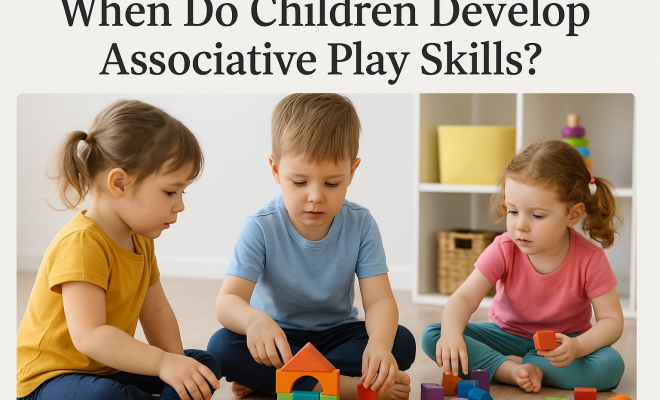
Associative play is characterized by children engaging with one another while still maintaining their individual objectives. For instance, two kids might be building separate towers with blocks but will occasionally swap blocks and comment on each other’s creations. This form of play is fundamental as it marks the onset of social interaction, communication, and negotiation skills.
During associative play, children start to develop essential social skills, such as sharing, turn-taking, and empathy. They learn to express their thoughts and feelings verbally, honing their ability to work collaboratively while respecting each other’s individuality.
The Timeline of Associative Play Development
Identifying when children begin to engage in associative play can be nuanced, but several key markers can help guide parents and caregivers. Typically, associative play starts to emerge around the ages of 3 to 4 years.
During this period, you might observe your child:
- Starting to share toys and materials with peers.
- Engaging in conversations that involve negotiating roles in play scenarios.
- Displaying emotions such as excitement when playing with someone else.
- Exhibiting more complex communication skills as they express preferences and invite others to join their activities.
These behaviors signify a shift from solitary or parallel play into a more communal form of interaction, essential for developing deeper social ties.
The Role of Environment in Associative Play
The environment plays a critical role in facilitating associative play development in children. A well-designed play area that encourages group activities can enhance children’s willingness to engage with their peers. Factors such as accessibility, safety, and variety in play materials are crucial.
Consider the following aspects:
- Physical Space: A spacious area that accommodates group games allows children to interact freely while minimizing conflicts over space.
- Variety of Play Materials: Providing diverse toys and activities can encourage children to explore different play styles and engage in cooperative play.
- Peer Interaction: Regular opportunities for playdates or group activities at daycare centers or preschools can prompt children to practice their associative play skills.
By curating a supportive environment, caregivers can provide children with the best chances to develop their social skills through associative play.
How Parents Can Encourage Associative Play
As a parent or caregiver, you can play a pivotal role in nurturing associative play development in children. Here are some practical strategies: (See: Child Development and Play Stages.)
- Model Cooperative Behavior: Demonstrate sharing, turn-taking, and teamwork during playtime. Children often learn by imitation.
- Facilitate Group Play: Organize playdates or group activities where children can engage with peers in a structured manner, such as games or team sports.
- Allow Independence: While it’s tempting to supervise every interaction, giving children the space to negotiate conflicts themselves encourages problem-solving skills.
- Be Patient: Associative play doesn’t happen overnight. Some children may take longer to transition from parallel play to associative play, and that’s perfectly normal.
Implementing these strategies can create a nurturing atmosphere that fosters social development through play.
Challenges in Associative Play Development
While associative play is a crucial developmental milestone, some children may face challenges in this area. Factors such as temperament, social skills, and previous play experiences can impact a child’s readiness for associative play.
Common challenges include:
- Shyness or Anxiety: Children who are more introverted may take longer to engage in associative play due to anxiety or fear of social interactions.
- Lack of Social Skills: Some children may need additional support learning how to share, cooperate, and communicate effectively with peers.
- Conflict Resolution: Difficulties in resolving disagreements can hinder the ability to play together harmoniously.
Recognizing these challenges early on can help parents and educators provide the necessary support to facilitate associative play development in children.
Educational Perspectives on Associative Play
Educators play a significant role in promoting associative play in classroom settings. Early childhood education programs often emphasize play-based learning, recognizing that children learn best through social interaction and hands-on experiences.
Some educational approaches that support associative play development include:
- Play-Based Curriculum: Programs that integrate play into the learning process encourage children to engage with peers in meaningful ways, enhancing their social skills.
- Facilitated Group Activities: Teachers can organize group projects or cooperative games to foster teamwork, communication, and problem-solving among children.
- Observation and Feedback: Educators can observe play behaviors and provide constructive feedback to help children improve their social interactions.
These educational strategies create an environment conducive to associative play, allowing children to build essential social competencies while learning new concepts.
The Lasting Impact of Associative Play Development
The skills that children develop during associative play have far-reaching implications for their future. As they learn to collaborate, empathize, and communicate, they build a foundation for successful relationships both in and out of school.
Research indicates that children who excel in associative and cooperative play tend to perform better academically and socially later in life. They are often more equipped to handle challenges, navigate interpersonal relationships, and work within a team.
Fostering associative play during early childhood isn’t just about fun; it’s about laying the groundwork for lifelong skills that children will carry with them into adulthood.
Final Thoughts on Associative Play Development in Children
Understanding when and how children develop associative play skills is crucial for parents and educators alike. By recognizing the signs of associative play, creating supportive environments, and encouraging social interactions, we can help children navigate this essential aspect of their development. Associative play is more than just a phase; it’s a gateway to building meaningful relationships, effective communication, and social competence.
Delving Deeper into Associative Play: The Importance of Peer Relationships
As children engage in associative play, their interactions with peers become increasingly complex. During this stage, they start to form bonds that can be pivotal to their emotional and social development. Peer relationships during associative play help children to better understand social dynamics, which in turn influences their ability to navigate friendships as they grow older.
Research has shown that children with strong peer relationships often exhibit higher levels of confidence and self-esteem. They learn how to handle disagreements and collaborate towards shared goals, which are vital skills in both personal and academic settings. For instance, a child who enjoys playing with others in a sandbox learns to negotiate sharing space and materials, resolving conflicts with their peers, and appreciating different perspectives. These experiences contribute significantly to their emotional resilience and social acumen.
Examples of Associative Play Activities
Understanding what constitutes associative play can help parents and educators create enriching experiences. Here are several examples of activities that promote associative play: (See: Importance of Play in Development.)
- Group Art Projects: Children can work together on a mural or a large collage. They may each choose to contribute their unique ideas while collaborating on the overall theme, allowing for individual expression within a shared project.
- Building Projects: Using blocks or LEGO, children can build structures side by side, exchanging pieces and ideas as they go, without a predetermined goal, which fosters creative collaboration.
- Role-Playing Games: Kids can engage in pretend play where they enact scenarios together, like playing house or setting up a mock store, allowing them to explore different roles while negotiating how to play together.
- Outdoor Games: Simple team games like tag or relay races encourage children to cooperate and communicate while enjoying physical activity.
These activities are vital for expanding their skills in communication, sharing, and empathy.
Statistics on Play and Child Development
Understanding the significance of play in child development can be reinforced with statistics. According to the American Academy of Pediatrics, 70% of children who engage in regular play with peers show improved social skills compared to those who do not. Additionally, studies indicate that children who participate in cooperative play activities are 60% more likely to demonstrate empathy in social interactions.
Furthermore, a report from the National Association for the Education of Young Children highlights that play-based learning approaches can lead to a 25% improvement in children’s collaborative skills as they approach their transition into formal schooling.
Expert Perspectives on Associative Play
Experts in child development emphasize the need for fostering associative play to maximize children’s potential. Dr. Susan Johnson, a child psychologist, explains, “Associative play is a crucial period where children learn to balance their needs with those of their peers. It’s a time of exploration and negotiation that shapes their future interpersonal skills.”
Moreover, Dr. Anthony Becker, an early childhood educator, shares, “By encouraging associative play, we are not just allowing children to have fun; we are also equipping them with the tools they’ll need to communicate effectively and build relationships throughout their lives.”
Frequently Asked Questions (FAQ) About Associative Play Development in Children
What is the difference between associative play and cooperative play?
Associative play involves children playing together while maintaining their individual goals and activities. They may share materials or ideas but do not have a structured organization. In contrast, cooperative play involves children working together towards a common goal, where they must collaborate actively to complete a task or game.
At what age do children typically begin associative play?
Associative play usually begins around ages 3 to 4. During this stage, children start to engage with peers in more interactive ways, sharing materials and ideas without needing a structured play format.
How can I tell if my child is struggling with associative play?
If your child shows reluctance to engage with others, frequently prefers solitary activities, or has difficulty sharing and taking turns, they may be struggling with associative play. It’s essential to provide gentle encouragement and facilitate play interactions with peers to support their development.
Are there specific toys that promote associative play?
Yes! Toys that encourage group interactions, such as building sets, arts and crafts materials, or sports equipment, can promote associative play. Look for toys that are open-ended and can be used in multiple ways, allowing children to collaborate creatively.
What role does adult involvement play in associative play?
While it’s essential to allow children to explore and negotiate their play interactions, adult involvement can be beneficial. Adults can facilitate play by providing guidance, offering suggestions for new activities, and stepping in when conflicts arise. However, it’s crucial to strike a balance between guidance and allowing children to lead their play experiences.
Can associative play impact later academic success?
Absolutely! Skills developed during associative play, such as problem-solving, communication, and collaboration, are directly linked to academic success. Children who engage well in associative play are often more prepared for group work and collaborative learning environments in school.
Advanced Strategies for Promoting Associative Play
To deepen your understanding of how to promote associative play, consider these advanced strategies that can further enhance children’s social interactions:
- Incorporate Cultural Elements: Integrating elements from various cultures can enrich play experiences. For example, using traditional games or play items from different cultures can help broaden children’s perspectives and facilitate conversations about diversity and inclusion.
- Technology and Play: Blending technology with play can create new opportunities for associative play. For instance, interactive games or educational apps that require teamwork can encourage collaboration among children while introducing them to digital literacy.
- Parent-Child Play Workshops: Consider participating in workshops that focus on play strategies, where parents and children can learn new games and social skills together. These events foster community and provide parents with additional tools to support their children’s play development.
- Encourage Open-Ended Questions: When facilitating play, ask open-ended questions that prompt children to think critically and communicate their ideas. Questions like “What do you think will happen next?” or “How can we work together to make this better?” can stimulate conversation and collaborative thinking.
Implementing these strategies can significantly enhance children’s associative play experiences and support their overall social development.
The Impact of Associative Play on Emotional Intelligence
Associative play not only aids in developing social skills but also significantly contributes to a child’s emotional intelligence. As children navigate interactions with peers, they become adept at recognizing, understanding, and managing their own emotions as well as the emotions of others.
Through play, children experience various emotional scenarios, from joy during successful collaborations to frustration when conflicts arise. For instance, when one child feels left out during a game, they learn to articulate their feelings and negotiate their return to the group. These experiences are invaluable for developing empathy, as children learn to see things from their peers’ perspectives and adjust their behaviors accordingly.
Furthermore, emotional intelligence acquired during associative play has been shown to correlate with later success in school and relationships. A study conducted by researchers at the University of Illinois found that children who engaged in more social play experiences demonstrated higher emotional regulation skills, which are essential for effective communication and conflict management in both academic and personal contexts.
Case Studies on Associative Play
Examining real-world examples can provide deeper insights into the impact of associative play on child development. Here are two case studies highlighting different aspects of associative play:
Case Study 1: The Sandbox Experience
In a preschool environment, a group of children frequently played in a sandbox together. Initially, they engaged in solitary play, each focused on their own creations. Over time, as they began to share tools and comment on each other’s structures, associative play emerged. A child named Amy, known for her vivid imagination, started to create stories around their sandcastles. As she invited others to join her narrative, children like Ben and Sarah began to contribute, building their own structures and incorporating elements of Amy’s story. This scenario not only enhanced their play but also fostered communication skills and encouraged creativity.
Case Study 2: Community Sports Day
During a community sports day, older preschoolers engaged in various team games. Initially, players demonstrated a mix of associative and competitive play but gradually transitioned into more collaborative efforts as they learned to communicate strategies and share roles. For instance, two children who were typically reserved began to lead a relay team, motivating others and developing their leadership skills. Observers noted that these children exhibited increased confidence and social engagement, demonstrating how associative play in a group setting can lead to enhanced social competence.
Final Thoughts on Associative Play Development in Children
Understanding when and how children develop associative play skills is crucial for parents and educators alike. By recognizing the signs of associative play, creating supportive environments, and encouraging social interactions, we can help children navigate this essential aspect of their development. Associative play is more than just a phase; it’s a gateway to building meaningful relationships, effective communication, and social competence.
“`
Trending Now
Frequently Asked Questions
What is associative play in child development?
Associative play is a stage in child development where children engage with one another while pursuing individual goals. For example, they may play side by side, share toys, and comment on each other's activities, fostering social skills and collaboration.
At what age do children start associative play?
Children typically begin to engage in associative play around the ages of 3 to 4. This stage follows parallel play and involves more interaction, such as sharing toys and participating in similar activities without structured organization.
How does associative play differ from parallel play?
Associative play differs from parallel play in that it involves interaction between children. While parallel play is characterized by children playing alongside each other without direct engagement, associative play includes sharing toys and commenting on each other's activities.
What are the stages of play development in children?
The stages of play development include solitary play, parallel play, associative play, and cooperative play. Each stage represents a progression in social interaction, starting from independent play in infants to collaborative play by ages 4 to 5.
Why is associative play important for children?
Associative play is crucial for children's social and emotional development. It helps them build interpersonal skills, learn to share, and understand the dynamics of working with others, laying the foundation for more complex play and cooperation in the future.
Have you experienced this yourself? We’d love to hear your story in the comments.