Peer Mediation Programs: Teaching Conflict Resolution in Middle School
“`html
Peer mediation programs have emerged as powerful tools in educational settings, particularly in middle schools where conflict is often rampant due to developmental changes and peer dynamics. These programs empower students to resolve disputes amicably and foster an environment conducive to learning. But what exactly are peer mediation programs, and how do they operate? This article explores their framework, benefits, and best practices, highlighting their importance in today’s educational landscape.
Understanding Peer Mediation Programs
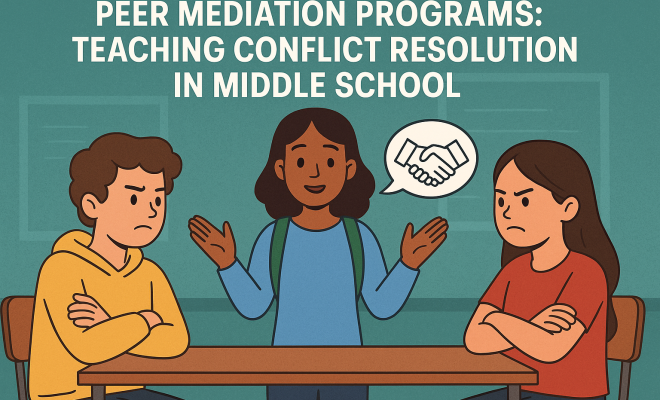
At their core, peer mediation programs are structured initiatives that train students to help their peers resolve conflicts through dialogue and negotiation. A typical peer mediation program involves training selected students, known as peer mediators, in conflict resolution skills, active listening, and effective communication. The mediators serve as neutral parties who facilitate discussions between students involved in disputes, aiming for a mutually satisfactory resolution.
The concept of peer mediation is rooted in restorative justice principles. Rather than focusing on punishment, the aim is to restore harmony and relationships among students. This approach is particularly vital in middle schools, where students are not only navigating academic pressures but also the complexities of social interactions.
The Importance of Conflict Resolution Skills
Conflict is an inevitable part of student life. According to the National Center for Educational Statistics, around 20% of students report being bullied, leading to various negative outcomes, including decreased academic performance and increased dropout rates. Conflict resolution skills are crucial as they help students manage disagreements and reduce the likelihood of escalated disputes.
Teaching these skills through peer mediation programs can have profound implications. Students learn to appreciate diverse perspectives, develop empathy, and create a shared understanding. These competencies are not just vital for school life; they are essential life skills that students carry into adulthood.
How Peer Mediation Programs Work
The implementation of peer mediation programs typically follows a structured process. Schools first identify a need for the program, often through surveys or reports of conflicts. Based on this assessment, they can set up a training schedule and select peer mediators from the student body.
Training usually covers:
- Understanding the mediation process
- Active listening techniques
- Effective communication and negotiation strategies
- How to maintain neutrality
Once trained, these mediators are available to assist peers in resolving conflicts. Students involved in disputes can voluntarily choose to engage in mediation, creating a safe space for dialogue. Mediators guide the conversation, help clarify issues, and encourage both parties to express their feelings and viewpoints. The goal is to reach a consensus, allowing the students to take ownership of the resolution.
Benefits of Peer Mediation Programs
Peer mediation programs offer a wide range of benefits for students, schools, and the broader community. Here are some of the most significant advantages:
- Reduction in Conflict: Schools that implement these programs often notice a decline in conflicts and disciplinary actions. A study by the University of Colorado Boulder found that peer mediation reduced behavioral incidents by 25% in schools.
- Enhanced Social Skills: Participating in mediation helps students develop critical social skills, including empathy, patience, and cooperation. They learn to navigate complex social situations, making them better equipped for future interactions.
- Empowerment: Students feel empowered when they are trusted to handle conflicts among peers. This empowerment boosts their confidence and reinforces positive behaviors.
- Creating a Positive School Culture: Schools that emphasize peer mediation foster a climate of respect and cooperation. This positive atmosphere can lead to overall better academic performance and student satisfaction.
Current Relevance of Peer Mediation Programs
In today’s educational context, where mental health concerns and social issues are increasingly prevalent, peer mediation programs are becoming more relevant than ever. The COVID-19 pandemic brought unique challenges, including increased isolation and anxiety among students. The need for effective conflict resolution strategies is paramount.
Research indicates that during the pandemic, instances of bullying and conflict increased, as students struggled to adapt to shifting social norms. Now, as schools strive to return to normalcy, incorporating peer mediation programs can help rebuild relationships and foster understanding among students. (See: CDC on peer mediation programs.)
Challenges in Implementing Peer Mediation Programs
While peer mediation programs boast numerous benefits, schools may face challenges during implementation. One common obstacle is resistance from faculty or parents who may question the effectiveness of peer-led conflict resolution. Educating stakeholders on the benefits and success stories of peer mediation is critical to overcoming these concerns.
Another challenge is ensuring that mediators are adequately trained and supported. Ongoing training and supervision can prevent mediators from becoming overwhelmed or feeling unsupported in their roles. Schools need to establish a robust support system for student mediators, including regular check-ins and access to adult mentors.
Successful Examples of Peer Mediation Programs
Several schools across the country have implemented successful peer mediation programs that serve as models for others. For example, the Peer Mediation Program at the University of Southern California has trained over 1,000 students since its inception, significantly reducing conflict on campus.
Similarly, the “Mediation Matters” program in a Chicago middle school reported a 30% decrease in disciplinary referrals after introducing peer mediation. These programs emphasize the importance of conflict resolution and demonstrate how student involvement can lead to positive outcomes.
Best Practices for Implementing Peer Mediation Programs
To maximize the effectiveness of peer mediation programs, schools should adhere to specific best practices. Here are some strategies to consider:
- Involve the School Community: Engage teachers, administrators, and parents in the planning process. Their support can significantly enhance program credibility and effectiveness.
- Tailor Training to Student Needs: Customize training sessions based on the specific challenges and dynamics of the student body. This allows mediators to address real issues they may encounter.
- Ensure Ongoing Support: Establish a mentoring system for peer mediators. Regular meetings and feedback sessions can help them refine their skills and maintain enthusiasm for the role.
- Monitor and Evaluate: Continuously assess the program’s effectiveness through surveys and feedback from participants. This data can guide improvements and adaptations over time.
Future Directions for Peer Mediation Programs
The landscape of education is continually evolving, and peer mediation programs must adapt to meet the changing needs of students. One potential direction is the incorporation of technology. Virtual mediation sessions may become more prevalent, allowing for greater accessibility and flexibility.
Furthermore, integration with social-emotional learning (SEL) curricula can strengthen the overall impact of peer mediation programs. By aligning conflict resolution training with SEL objectives, schools can create comprehensive programs that address emotional intelligence and interpersonal skills.
Peer Mediation Programs and Diverse Student Populations
Peer mediation programs also have the potential to address the needs of diverse student populations. In schools with varying cultures, languages, and backgrounds, it’s essential to ensure that mediation practices are inclusive and sensitive to different perspectives. Training mediators to recognize and appreciate cultural differences can help bridge gaps in understanding and promote a more harmonious school community.
For instance, in districts with a significant number of English Language Learners (ELLs), mediators can be trained to use simple language and visual aids, making the mediation process more accessible. Involving bilingual students as mediators can further enhance communication and understanding among peers who may have language barriers.
The Role of Faculty in Peer Mediation Programs
Teachers and staff play a crucial role in the success of peer mediation programs. Their involvement not only lends authority to the program but also ensures that the mediators receive the guidance and support necessary for their roles. Faculty can help identify potential mediators among the student body and assist in facilitating mediation sessions when needed.
Moreover, teachers can incorporate conflict resolution and mediation principles into their classrooms, creating an environment where students practice these skills regularly. This integration can lead to a school-wide culture of peace and understanding, reinforcing the objectives of peer mediation programs.
Statistics on the Effectiveness of Peer Mediation Programs
Research has shown that peer mediation programs can lead to significant improvements in school climate and student behavior. A study by the University of California reported that schools with peer mediation programs saw a 50% reduction in incidents of violence and harassment. Additionally, the National Association of School Psychologists found that schools with these programs experienced a 40% decrease in the number of students referred for disciplinary action.
Furthermore, a longitudinal study conducted by the University of Michigan revealed that students trained in mediation were 30% more likely to utilize conflict resolution strategies in their interactions, demonstrating the program’s lasting impact on student behavior. (See: NIJ on restorative justice practices.)
Frequently Asked Questions (FAQ)
What is the main goal of peer mediation programs?
The primary goal of peer mediation programs is to equip students with the skills necessary to resolve conflicts amicably and constructively while fostering a positive school culture.
Who can become a peer mediator?
Typically, students from various backgrounds are selected for mediation training based on their interpersonal skills, maturity, and willingness to help others. Schools often seek a diverse group of mediators to ensure representation and understanding of different student perspectives.
How does peer mediation differ from traditional disciplinary measures?
Unlike traditional disciplinary actions, which often focus on punishment, peer mediation emphasizes dialogue, understanding, and restoration of relationships. It aims to empower students to resolve their conflicts collaboratively rather than relying solely on authority figures.
Is peer mediation effective for all types of conflicts?
While peer mediation is effective for many types of conflicts, it may not be suitable for all situations, such as those involving severe bullying, violence, or criminal behavior. In such cases, it’s important to involve appropriate authorities or mental health professionals.
How can schools promote their peer mediation programs?
Schools can promote their peer mediation programs through student assemblies, flyers, newsletters, and social media. Sharing success stories and testimonials from students can also help raise awareness and encourage participation.
Building Empathy Through Peer Mediation
One of the most significant outcomes of peer mediation programs is the development of empathy among students. Empathy—the ability to understand and share the feelings of another—is essential not only for resolving conflicts but also for fostering a supportive school environment. By participating in mediation, students learn to listen actively and consider the emotions and perspectives of their peers.
For instance, during a mediation session, a student might hear a peer express frustration about a group project due to perceived unfairness in workload distribution. A trained mediator can guide the discussion to ensure both parties articulate their feelings and understand each other’s viewpoints. This not only helps resolve the immediate conflict but also instills a sense of empathy that students carry into future interactions.
The Economic Impact of Peer Mediation Programs
Investing in peer mediation programs can yield significant economic benefits for schools and communities. The costs associated with disciplinary actions, such as suspensions and expulsions, are high. A report from the Center for Responsive Schools noted that schools spend approximately $11,000 per student on disciplinary issues annually. By reducing conflicts through peer mediation, schools can potentially decrease these costs.
For example, implementing a successful peer mediation program can lead to fewer suspensions and expulsions, resulting in cost savings that can be redirected towards educational resources or extracurricular activities. The investment in training student mediators can also create a ripple effect, as those students may become future leaders and contributors to their communities, thus promoting a cycle of positive change.
Training and Development for Peer Mediators
Effective training is essential for the success of peer mediation programs. Training sessions should not only cover the mechanics of mediation but also delve into topics such as emotional intelligence, cultural competency, and ethical considerations. This comprehensive approach ensures that mediators are well-prepared to handle a variety of conflict scenarios.
Regular workshops and refreshers can keep mediators engaged and informed about new techniques and strategies. Schools can invite guest speakers or conflict resolution experts to provide insights and share best practices, enriching the learning experience for student mediators.
Leveraging Technology in Peer Mediation
In our increasingly digital world, technology can play a vital role in enhancing peer mediation programs. Online platforms can facilitate virtual mediation sessions, making it easier for students to access mediation services without the constraints of time and location.
Additionally, schools can develop apps or websites where students can submit requests for mediation or learn about conflict resolution techniques. These resources can empower students to take proactive steps towards resolving conflicts, even outside the school setting.
Community Involvement in Peer Mediation Programs
Engaging the community in peer mediation initiatives can amplify their effectiveness. Local organizations, businesses, and even parents can play a role by providing resources or mentorship to student mediators. For example, a local conflict resolution center might partner with a school to offer training sessions or workshops.
Community support can also enhance the sustainability of peer mediation programs by creating a network of advocates who understand the importance of conflict resolution in education. Events such as community forums or workshops can raise awareness about the program and encourage more students to participate.
Addressing Mental Health through Peer Mediation
As mental health awareness grows, peer mediation programs can serve as a preventive measure against mental health issues stemming from unresolved conflicts. By providing students with tools to manage disputes constructively, these programs can reduce stress, anxiety, and other negative emotional outcomes.
Incorporating mental health education within peer mediation training can further enhance the program’s impact. Mediators who understand mental health fundamentals can create a safe environment for peers to share their struggles and work through conflicts effectively.
The Lasting Impact of Peer Mediation Programs
As middle schools navigate the complexities of student interactions, peer mediation programs stand out as effective and essential tools for conflict resolution. Not only do they equip students with vital skills, but they also foster a culture of respect and understanding. The early lessons learned in these programs can have lasting effects, shaping how young people handle conflicts throughout their lives.
In a world where effective communication and empathy are more important than ever, investing in peer mediation programs is not just beneficial—it’s necessary. Schools have the opportunity to cultivate a generation of conflict-resolvers who can contribute positively to their communities and beyond.
“`
Trending Now
- How Social Pragmatics Role Play Can Revolutionize Middle School Learning
- 7 Reasons Students with ADHD Struggle with Pragmatic Language Skills
- this guide on understanding pragmatics challenges in english language learners: key insights for teachers
- this guide on 7 essential strategies to foster pragmatic language development in preschoolers
- the complete explanation
Frequently Asked Questions
What are peer mediation programs in schools?
Peer mediation programs are structured initiatives that train students to help their peers resolve conflicts through dialogue and negotiation. Selected students, known as peer mediators, facilitate discussions between students involved in disputes, aiming for a mutually satisfactory resolution.
How do peer mediation programs work?
Peer mediation programs involve training students in conflict resolution skills, active listening, and effective communication. Mediators act as neutral parties to guide discussions, helping conflicting students reach a resolution that works for both sides.
What are the benefits of peer mediation in middle schools?
Peer mediation programs foster an environment conducive to learning by teaching students essential conflict resolution skills. Benefits include reduced bullying, improved relationships, enhanced empathy, and a more harmonious school environment.
Why is conflict resolution important for students?
Conflict resolution skills are vital as they help students manage disagreements and reduce the likelihood of escalated disputes. Developing these skills can lead to better academic performance and improved social interactions among peers.
How do peer mediators help resolve conflicts?
Peer mediators help resolve conflicts by facilitating open communication between students. They encourage active listening, promote understanding of diverse perspectives, and guide the parties involved toward a mutually satisfactory outcome.
Have you experienced this yourself? We’d love to hear your story in the comments.