Lebanon: 12 Children Killed or Maimed Daily Amidst Truce
“`html
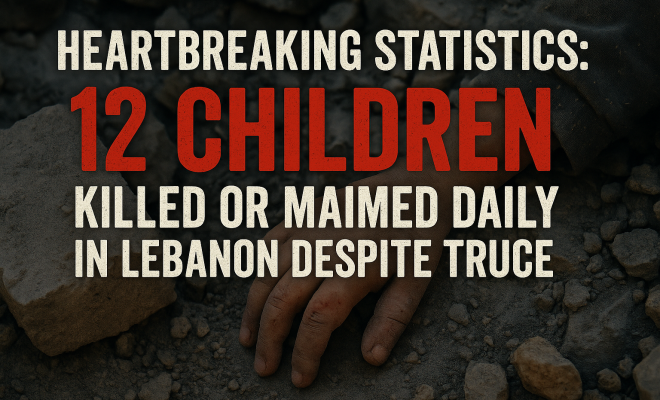
In a shocking report released by the United Nations, it was revealed that in Lebanon, an astonishing average of 12 children are killed or maimed daily, even in the wake of a supposed truce between Hezbollah and Israel. This grim statistic highlights the ongoing humanitarian crisis that continues to afflict the region, raising urgent questions about the effectiveness of ceasefires and the protection of vulnerable populations, particularly children. As the world looks on, it’s clear that the reality on the ground is far more troubling than the headlines suggest.
The Context of the Conflict
Lebanon has been embroiled in conflict for decades, with Hezbollah and Israel being key players in a long-standing power struggle. The tensions often escalate into violence, leading to devastating consequences for civilians. Various ceasefires have been brokered over the years, yet each has proved to be precarious and temporary, with violence frequently resuming shortly after.
The recent statistics from the UN report paint a stark picture: despite efforts to de-escalate violence, children bear the brunt of ongoing hostilities. The fact that 12 children are being killed or maimed daily is a profound indictment of the failure to protect the most vulnerable amidst complex socio-political turmoil.
The Human Cost of Conflict
Children represent the future of any nation, and the loss of life or injury to these young ones serves as a tragic reminder of the human cost of conflict. Each statistic in the UN report is not just a number; it represents a life forever altered—families torn apart, futures lost, and communities devastated. The psychological impact on surviving children can be profound, leading to long-term trauma and impairing their ability to thrive.
The numbers reflect a wider trend across conflict zones worldwide where children are disproportionately affected by violence. In Lebanon, the continuing casualties serve as a call to action for international organizations and governments to prioritize the protection of children in conflict zones.
International Reactions to the Crisis
The UN report has sparked outrage and condemnation from various international organizations, human rights activists, and concerned citizens around the globe. Many are calling for immediate intervention to protect children and civilians in Lebanon. UNICEF, for instance, has emphasized the need for all parties to uphold their obligations under international law to protect children.
Despite the outcry, the response from the international community often feels insufficient. The complexities of regional politics make it difficult to implement effective measures to protect civilians. However, the ongoing casualties among children could lead to renewed pressure on governments to act decisively in addressing the humanitarian crisis in Lebanon.
Challenges in Implementing Effective Ceasefires
Ceasefires often fail for various reasons, including mistrust between parties, lack of enforcement mechanisms, and the ongoing presence of armed groups. The Hezbollah-Israel truce, like many before it, was intended to reduce hostilities, yet it appears to have been ineffective in safeguarding children.
One of the significant challenges is the absence of a comprehensive peace agreement that addresses the root causes of the conflict. As long as unresolved grievances persist, ceasefires will likely remain fragile and prone to collapse, resulting in continued violence and suffering for innocent civilians.
Impact on Lebanese Society
The ongoing casualties among children are not just a statistic; they have wide-ranging implications for Lebanese society as a whole. Families are left grieving, and communities are fractured. The emotional toll is immense, and the psychological scars can last for generations.
Schools, traditionally places of learning and safety, are now battlegrounds for fear and trauma. As children witness violence, their ability to learn and develop becomes severely compromised. The long-term impact on Lebanon’s future workforce could be devastating, as an entire generation grows up amidst instability and fear. (See: Violence Prevention – CDC.)
Efforts for Humanitarian Aid and Support
Despite the dire situation, various humanitarian organizations are working tirelessly to provide support to affected children and their families. Organizations like Save the Children and UNICEF are on the ground, offering psychological support, medical care, and educational resources. These efforts are vital in alleviating some of the suffering experienced by the children of Lebanon.
However, the challenges of delivering aid in conflict zones are immense. Security concerns, bureaucratic obstacles, and funding shortages often hinder the effectiveness of these programs. For humanitarian efforts to succeed, there must be a concerted push from the international community to ensure safe passage for aid workers and resources.
Voices from the Ground
Listening to the voices of those affected by the conflict is essential in understanding the human impact of these statistics. Numerous reports from local NGOs highlight the heartbreaking stories of families who have lost children to violence. These stories personalize the statistics, giving faces and names to the children whose lives have been irrevocably altered.
Survivors recount tales of fear during airstrikes, losing friends in bombings, and the constant threat of violence. Such narratives serve as powerful reminders of the urgent need for action to protect children and civilians caught in the crossfire.
Looking Ahead: The Need for Sustainable Solutions
The situation in Lebanon presents a complex tapestry of challenges, but without sustainable solutions, the cycle of violence will continue. Dialogue between conflicting parties, mediation by international actors, and a commitment to addressing the underlying issues of the conflict are essential steps toward lasting peace.
Moreover, a renewed focus on the protection of children in armed conflict is critical. Strengthening legal frameworks and ensuring accountability for violations against children can help create a safer environment. The international community must hold all parties accountable for the protection of children, ensuring that their rights are upheld amidst violence.
The Role of Education in Healing
Education plays a pivotal role in rebuilding lives and communities affected by conflict. Providing safe learning environments for children not only aids in their academic growth but also offers a sense of normalcy and stability. Schools can serve as safe havens where children can learn, play, and heal from trauma.
Programs that focus on psychosocial support in educational settings can also help children cope with their experiences. Investing in education and support systems is not just a moral imperative; it is crucial for the long-term stability and recovery of Lebanon as a whole.
Understanding the Scope: Statistics and Trends
To fully grasp the magnitude of the humanitarian crisis affecting children in Lebanon, it’s essential to examine the statistics in detail. According to UNICEF, the number of children who have been directly injured or killed has increased by over 40% in the last three years alone. This staggering rise highlights the urgent need for humanitarian intervention and protection mechanisms.
In 2022, reports indicated that displacement rates reached an alarming high, with approximately 1 in 5 Lebanese children forced to flee their homes due to violence. The impact of this displacement is multifaceted, affecting not only their physical safety but also their access to education, healthcare, and emotional support.
Experts have pointed out that the prolonged exposure to violence results in a significant increase in mental health issues among children. A report by the Lebanese Ministry of Health noted that over 60% of children in affected regions exhibit symptoms of post-traumatic stress disorder (PTSD). This alarming statistic underscores the need for psychological support services to be integrated into humanitarian aid efforts.
Comparative Analysis: Lebanon vs. Other Conflict Zones
When examining Lebanon’s child casualty statistics, it can be helpful to compare them with other major conflict zones. For instance, countries like Syria and Yemen have also seen devastating effects on children due to prolonged conflict. According to Save the Children, in Syria, over 11,000 children have been killed since the beginning of the civil war in 2011. In Yemen, the situation is equally dire, with UNICEF reporting over 10,000 children killed or injured since the outbreak of conflict in 2015. (See: Adolescent Health – WHO.)
This comparative analysis emphasizes that while Lebanon is currently experiencing a significant crisis, it is one among many. Understanding these trends can help international organizations devise better strategies tailored to the specific needs of children in each conflict zone.
The Role of Local NGOs and Grassroots Movements
Local NGOs play a crucial role in addressing the immediate needs of children impacted by conflict. Organizations such as Lebanese Red Cross and Amel Association are on the front lines, providing emergency healthcare, food distribution, and psychosocial support. These organizations are often better equipped to navigate the complexities of the local environment and can respond more quickly than larger international entities.
Grassroots movements have also emerged, mobilizing communities to advocate for the rights and protection of children. These initiatives not only provide immediate relief but also foster a sense of solidarity among families affected by violence. Community-based support systems have proven effective in helping children process their trauma, providing them with a network of care and understanding.
FAQs Regarding Lebanon Children Casualties
What are the main causes of child casualties in Lebanon?
Child casualties in Lebanon are primarily caused by armed conflict, including airstrikes, shelling, and ground fighting. In addition, the presence of unexploded ordnance poses a significant risk to children who may encounter these dangerous remnants of war during their daily activities.
How does the international community respond to child casualties in conflict zones?
The international community, through organizations like UNICEF and Save the Children, aims to provide humanitarian aid, advocate for children’s rights, and push for ceasefire agreements. However, the effectiveness of these interventions can be hindered by political complexities and security concerns.
What is being done to support children affected by the conflict in Lebanon?
Numerous organizations are providing psychological support, medical care, and educational resources to children in affected areas. Programs focusing on trauma recovery and education are critical in helping children rebuild their lives.
What legal protections exist for children in armed conflict?
International laws, such as the Convention on the Rights of the Child and the Geneva Conventions, establish protections for children in armed conflict. These laws obligate parties to armed conflicts to take all feasible measures to ensure the protection of children.
How can individuals help children in Lebanon?
Individuals can help by donating to reputable organizations working on the ground, raising awareness about the crisis, and advocating for policy changes that prioritize the protection of children in conflict zones.
Additional Perspectives on Lebanon’s Child Casualties
The humanitarian situation in Lebanon regarding child casualties is further compounded by socioeconomic factors. With a significant portion of the population living below the poverty line, many families struggle to provide basic needs such as food, shelter, and healthcare, let alone security. The World Bank projects that nearly 50% of Lebanon’s population will be living in poverty, creating an environment where children are even more vulnerable to the effects of conflict.
The mental health impact on children is also staggering. A recent study indicated that over 70% of children in some conflict-affected areas experience severe anxiety and depression. This psychological toll is exacerbated by the lack of access to mental health services, as only a fraction of those affected receive any form of psychological support. Addressing these mental health challenges is crucial, as untreated trauma can lead to long-term developmental issues.
Efforts to Raise Awareness and Advocacy
Awareness campaigns are crucial in drawing attention to the plight of children in Lebanon. Various organizations and activists are working to amplify the voices of affected children and families through social media campaigns, public demonstrations, and art initiatives. By sharing powerful stories and images, they aim to capture the world’s attention and pressure governments to take action.
Documentaries and films that depict the lives of children affected by conflict are also vital to advocacy efforts. These visual narratives provide a more intimate look at the daily struggles faced by children, countering the often abstract nature of statistics. The emotional resonance of these stories can mobilize public support and encourage donations to humanitarian efforts.
The Future for Lebanon’s Children: Hope and Resilience
Despite the overwhelming challenges, there remains hope for the children of Lebanon. Resilience is a remarkable trait often found within communities affected by conflict. Local initiatives aimed at empowering children through educational programs, community support, and creative outlets are beginning to take root. Such initiatives offer a glimmer of hope for a brighter future.
Younger generations are stepping up, advocating for change and peace. There are numerous youth-led organizations that focus on peacebuilding and conflict resolution, showing that children and adolescents can be agents of change. These organizations not only empower youth but also provide a platform for dialogue and understanding among different factions.
The Importance of Global Partnerships in Aid Efforts
Global partnerships have become essential in tackling the humanitarian crisis in Lebanon. Collaborative efforts between international organizations, governments, and local NGOs can create more effective and sustainable solutions. For instance, joint financing initiatives can ensure that resources are allocated more efficiently to areas that need them most.
Moreover, partnerships provide a framework for knowledge-sharing, allowing local organizations to benefit from the experience and expertise of international counterparts. This exchange can lead to innovative approaches to humanitarian aid and child protection, ultimately resulting in better outcomes for children affected by conflict.
Conclusion: A Call to Action
The statistics surrounding Lebanon children casualties are not merely numbers; they represent a humanitarian crisis that demands urgent attention. As 12 children continue to die or be maimed daily, the international community must respond with unwavering commitment to protect the innocent. It is vital to foster dialogue, provide humanitarian aid, and ensure that children are prioritized in any peace negotiations.
Ultimately, the future of Lebanon rests on a collective effort to protect its children and build a society where they can thrive free from the specter of violence. As citizens of the world, we cannot turn a blind eye to the plight of these children. Their safety, well-being, and futures depend on the actions we take today.
“`
Trending Now
Frequently Asked Questions
How many children are killed or injured daily in Lebanon?
According to a recent UN report, an average of 12 children are killed or maimed daily in Lebanon, highlighting the severe impact of ongoing conflicts despite attempts at establishing a truce.
What causes the high number of child casualties in Lebanon?
The high number of child casualties in Lebanon is primarily due to the violent clashes between Hezbollah and Israel, which often escalate despite various ceasefire agreements, leaving children vulnerable to the ongoing hostilities.
What is the humanitarian situation for children in Lebanon?
The humanitarian situation for children in Lebanon is dire, with many facing death or severe injuries due to conflict. The psychological impact on surviving children is significant, leading to long-term trauma and challenges in their development.
Are ceasefires effective in protecting children in conflict zones?
Ceasefires in Lebanon have proven to be ineffective in protecting children, as violence often resumes shortly after agreements are made. The continued casualties of children underscore the failure to safeguard vulnerable populations in conflict zones.
What actions are being taken to protect children in Lebanon?
While various international organizations are calling for action to protect children in Lebanon, the ongoing violence and instability make effective measures challenging. The situation demands urgent attention to ensure the safety and well-being of children.
Have you experienced this yourself? We’d love to hear your story in the comments.