How Parallel Play Develops Social Skills in Toddlers

“`html
Understanding Parallel Play
Parallel play is one of the first forms of play that children engage in. At around 2 to 3 years of age, toddlers often play alongside one another rather than directly with each other. This type of play involves children playing in close proximity without significant interaction. While it may seem mundane from an adult’s perspective, it serves as an essential building block for socialization and emotional development.
The Stages of Play Development
Child development experts categorize play into several distinct stages. Understanding these stages provides insight into how parallel play fits into a broader framework of social skill development. The stages include:
- Solitary Play: This is the earliest form of play, where infants explore their environment independently.
- Parallel Play: As toddlers grow, they begin to play alongside peers without direct interaction. They might mimic one another’s actions, but each child is focused on their own play.
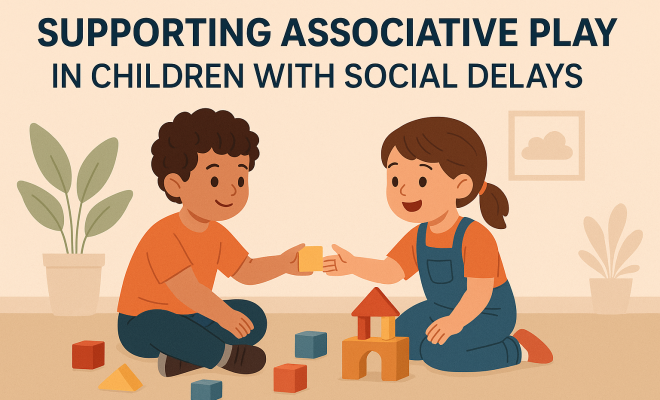
- Associative Play: Around age 3 to 4, children start to engage more with each other, sharing toys and communicating during play.
- Cooperative Play: By age 4 to 5, children typically engage in cooperative play, where they work together towards a common goal, such as building a fort or playing a game.
The Importance of Parallel Play in Early Development
Parallel play is crucial for several reasons. Firstly, it allows toddlers to experiment with social behaviors in a low-pressure setting. Without the need for direct interaction, children can observe each other, learn from their peers, and even engage in non-verbal communication. This form of play helps them build confidence in their social abilities.
Moreover, parallel play fosters an early understanding of sharing and cooperation. Even though children are primarily focused on their own activities, they are learning to navigate their environment while being aware of others around them. Through observation, they begin to understand how to take turns and the importance of considering others’ feelings and actions.
Social Skills Developed Through Parallel Play
Parallel play helps cultivate a range of social skills that are essential for healthy interpersonal relationships. Here are some key skills that develop during this stage:
- Observation: Children learn by watching others, picking up cues about how to interact with their peers.
- Empathy: By being in close proximity to other children, toddlers start to recognize emotions in their peers and begin to develop empathy.
- Communication Skills: Even during parallel play, toddlers often use verbal and non-verbal cues to communicate, which helps them learn about effective communication.
- Conflict Resolution: When conflicts arise during play, toddlers begin to learn how to navigate disagreements, which is a critical social skill.
The Role of Parents and Caregivers
Parents and caregivers play a vital role in facilitating parallel play. Creating a supportive environment encourages toddlers to engage in play with their peers. Here are some strategies for parents:
- Provide Opportunities: Arrange playdates or visit parks where your toddler has the chance to interact with others.
- Encourage Interaction: While toddlers may not seek out interaction, gently encourage them to engage with peers by introducing group activities.
- Model Social Behavior: Demonstrate sharing, taking turns, and positive communication, as toddlers are keen observers.
By implementing these strategies, parents can help their children make the most out of parallel play experiences.
Parallel Play Vs. Cooperative Play
While parallel play is essential, it differs significantly from cooperative play. In parallel play, children may be playing similar games in close proximity but not collaborating directly. In contrast, cooperative play involves shared goals and teamwork. Each type of play has its place in development, and both are crucial in their own right.
Understanding this distinction allows parents and educators to assess children’s social development accurately. It highlights the fact that just because children are not interacting directly doesn’t mean they are not developing important social skills.
When Parallel Play Becomes Concerning
While parallel play is a normal part of toddler development, some signs might indicate potential challenges in socialization. If a child consistently avoids interaction with peers, shows significant anxiety during playtime, or does not progress into associative or cooperative play, it may be time to consult with a child development expert or pediatrician.
Monitoring your child’s play behavior can provide insights into their socialization process and help identify any areas that might need additional support. (See: Positive Parenting for Infants.)
Expert Opinions on the Impact of Parallel Play
Experts in child development emphasize that parallel play is not just a phase to be skipped over. Dr. Susan Jones, a child psychologist, notes, “Parallel play is a critical stage where children learn to coexist with others. It’s their first step towards understanding group dynamics and eventually thriving in social settings.” This perspective reassures parents that even when their toddlers are seemingly playing alone, they are gaining vital skills for future interactions.
Additionally, Dr. Tom Lee, an early childhood educator, highlights that parallel play encourages creativity. “When children are allowed to explore their interests alongside peers, they often come up with imaginative ideas that they may not have conceived alone. This creativity can lead to more enriching cooperative play experiences later on.”
Encouraging Parallel Play at Home
Parents can foster a love for parallel play at home with simple activities. Here are a few ideas:
- Set Up Play Stations: Create different play areas with toys that your child enjoys. Encourage them to play alongside siblings or friends in these spaces.
- Art Activities: Provide art supplies for children to create side by side. Watching each other create art can spark conversations and collaborative projects later on.
- Outdoor Play: Take play outside, where children can engage in activities like sandbox play or riding bikes in proximity to peers.
These activities promote parallel play while also enhancing creativity and social skills.
The Current Relevance of Parallel Play in a Digital Age
In our rapidly digitizing world, children are increasingly exposed to screens at a young age. This shift raises questions about the impact of technology on social play. While screen time can offer educational benefits, it often limits opportunities for face-to-face interaction. Parents need to strike a balance by ensuring that their children have plenty of time for parallel play with peers.
Encouraging outdoor play and limiting screen time can help toddlers develop essential social skills amidst the distractions of digital entertainment. This balance is not just beneficial for socialization; it also promotes physical health and emotional well-being.
Parenting Tips for Fostering Social Skills Through Parallel Play
To effectively support your child’s parallel play, consider these additional parenting tips:
- Create a Play-Friendly Environment: Make your home a welcoming place for play. Designate areas for toys and activities, ensuring that they are safe and accessible.
- Be Present, But Not Overbearing: While it’s important to supervise playtime, give your child the space to engage in parallel play without your constant intervention. This allows them to explore their independence and social skills.
- Encourage Friendship: Help your child develop friendships by facilitating regular interactions with peers. The more comfortable they become with familiar faces, the more likely they will engage in parallel play.
- Introduce Group Games: Simple games that require minimal interaction can serve as a bridge from parallel play to associative play. Games like ‘Simon Says’ or group art projects can encourage a sense of community.
- Respect Individual Interests: Each child has their own interests. Allow your child to choose activities they enjoy, even if it means playing solo. This respects their creativity and autonomy.
Benefits of Parallel Play for Different Types of Children
Different children may benefit from parallel play in unique ways. Here are a few examples:
- Shy or Introverted Children: For children who are naturally shy, parallel play provides a less intimidating way to engage with peers. They can enjoy the company of others while feeling safe in their own space.
- Children with Developmental Delays: For toddlers with developmental delays or autism spectrum disorders, parallel play can serve as a gentle introduction to social skills. They can learn to observe social interactions without the pressure of immediate participation.
- Highly Active Children: Toddlers with high energy levels may thrive in parallel play settings where they can engage in physical activities alongside their peers without the need for structured games.
Statistical Insights into Parallel Play Development
Research provides valuable insights into the significance of parallel play in early childhood development. A study published in the Journal of Early Childhood Research found that children who engaged in more parallel play showed a notable increase in their ability to share and take turns by the age of 3. Specifically:
- Children who participated in group activities that fostered parallel play demonstrated a 25% higher likelihood of developing these essential social skills compared to those who played alone.
- Another study highlighted that toddlers engaged in parallel play were more likely to express empathy towards peers, with 60% of participants stating they felt a sense of connection to others during play.
Such statistics emphasize the importance of this type of play in laying the groundwork for future social interactions and emotional intelligence.
Common Myths About Parallel Play
There are several misconceptions surrounding parallel play that can lead to misunderstandings among parents and educators. Here are a few common myths debunked:
- Myth 1: Parallel Play Means a Child is Anti-Social: Some parents worry that if their child prefers parallel play, it indicates a lack of social skills. In reality, parallel play is a normal phase of development that leads to more complex interactions.
- Myth 2: Children Should Always Play Together: While cooperative play is valuable, it’s important to recognize that not all play needs to be interactive. Solo or parallel play has its own benefits and can foster individuality.
- Myth 3: Parallel Play Is Only for Younger Toddlers: Many children continue to engage in forms of parallel play well into preschool age. It’s a flexible form of play that can coexist with other types.
Frequently Asked Questions (FAQ) About Parallel Play
What age do children typically start parallel play?
Most children begin to engage in parallel play around 2 to 3 years of age. However, the exact timing can vary based on individual development. (See: Child Development and Learning.)
Is it normal for my child to prefer parallel play over more interactive forms?
Yes, it is completely normal for children to prefer parallel play at certain stages. This type of play is a healthy part of their social development.
How can I tell if my child is developing social skills through parallel play?
Look for signs such as increased interest in other children, attempts to mimic their actions, or spontaneous sharing of toys. These indicators suggest they are absorbing social cues during parallel play.
Can parallel play occur with older siblings?
Absolutely! Older siblings can provide excellent opportunities for parallel play, as they may engage in activities together while maintaining their independence.
What should I do if my child seems uninterested in playing with others?
If your child shows a consistent lack of interest in interacting with peers, consider arranging smaller playgroups or engaging them in structured activities that encourage interaction. If concerns persist, consulting a child development expert may be helpful.
Parallel Play and Cultural Perspectives
Different cultures may have varied perspectives on parallel play in child development. In some cultures, play is viewed as a communal activity where children learn social skills through guided interaction. In contrast, in other cultures, more emphasis is placed on individualism, allowing children to engage in parallel play as a pathway to independence.
For instance, in many Western cultures, parents often encourage children to share and collaborate from an early age, which may lead to a quicker transition from parallel play to cooperative play. Conversely, in cultures that prioritize individual expression, parallel play may be more accepted as a valid form of socialization, allowing children the space to develop their interests and skills at their own pace.
Understanding these cultural differences can help parents appreciate the diversity of play experiences and the various ways children learn to interact with others.
Encouraging Parallel Play with Structured Activities
Structured activities can play a significant role in promoting parallel play among toddlers. Here are a few ideas to consider:
- Building Blocks: Provide a variety of building blocks and invite children to create their own structures alongside each other. While they may not directly collaborate, the interaction can foster creativity and inspire them to explore ideas from one another.
- Cooking or Baking Together: Involve children in simple cooking or baking tasks where they can work together but focus on their own tasks. For example, while one child stirs a batter, another can decorate cookies.
- Gardening: Encourage children to plant flowers or vegetables in the yard. While they may work side by side, they can engage in parallel gardening tasks such as digging or watering.
These activities not only promote parallel play but also enhance cognitive and motor skills while instilling a sense of accomplishment.
Case Studies on Parallel Play Development
Several case studies highlight the positive impact of parallel play on child development. In one study conducted by the National Association for the Education of Young Children (NAEYC), researchers observed children in a preschool setting where parallel play was encouraged through various structured play stations.
The results showed that those engaged in parallel play demonstrated greater verbal communication skills and were more likely to partake in cooperative play later on. Notably, 70% of participants who engaged in consistent parallel play showed a marked improvement in negotiating skills, particularly when it came to sharing resources during cooperative activities.
Another case study focused on children with autism spectrum disorders, revealing that those who engaged in parallel play with typically developing peers showed significant improvements in social engagement. By observing their peers, these children began to imitate social cues and eventually transitioned to more interactive play.
These studies reinforce the idea that parallel play serves as a foundation for developing essential social skills and can benefit a wide range of children.
Tips for Educators to Promote Parallel Play
Educators can also play a vital role in fostering parallel play in early childhood settings. Here are some strategies for teachers:
- Design Open-Ended Play Areas: Create spaces with various materials and toys that encourage exploration and parallel play. For instance, a large sandbox can allow multiple children to dig and build while remaining focused on their individual projects.
- Facilitate Play Without Interference: Observe children during playtime but allow them the freedom to interact as they wish. Gentle guidance can be offered if children seem unsure about how to engage with one another.
- Incorporate Group Activities: Include games and activities that require minimal interaction but encourage parallel engagement, such as a treasure hunt where children look for items in the same area without direct teamwork.
These strategies not only support parallel play but also contribute to a rich learning environment where children can develop at their own pace.
Conclusion: Embracing Parallel Play
In the grand landscape of child development, parallel play emerges as a vital component that fosters social skills in toddlers. As children learn to coexist alongside others, they build a foundation for cooperation, empathy, and communication. By understanding the significance of parallel play, parents can create enriching environments that support their children’s journey toward becoming confident and socially adept individuals.
While it may seem simple, parallel play lays the groundwork for complex social interactions that will come in later stages of childhood. Embrace this unique form of play, for it is through these early experiences that the seeds of future friendships and social skills are sown.
“`
Trending Now
Frequently Asked Questions
What is parallel play in toddlers?
Parallel play is a stage of play where toddlers play alongside each other without direct interaction. Typically occurring between ages 2 to 3, children engage in their own activities while observing and mimicking one another, which helps in socialization and emotional development.
Why is parallel play important for social skills?
Parallel play is important because it allows toddlers to observe and learn social behaviors in a low-pressure environment. It helps them build confidence, understand sharing, and develop awareness of others, laying the groundwork for future social interactions.
What are the stages of play development?
The stages of play development include solitary play, parallel play, associative play, and cooperative play. Each stage reflects how children interact with their peers, progressing from independent play to working together towards common goals.
At what age does parallel play occur?
Parallel play typically occurs between the ages of 2 and 3 years. During this stage, toddlers engage with peers by playing alongside them rather than directly interacting, which is essential for their social development.
How does parallel play help toddlers learn about sharing?
While engaged in parallel play, toddlers learn about sharing and cooperation indirectly. Although they focus on their own activities, being aware of others' presence helps them understand the concept of sharing and the dynamics of group play.
Agree or disagree? Drop a comment and tell us what you think.