Supporting Associative Play in Children with Social Delays
“`html
Understanding Associative Play in Children
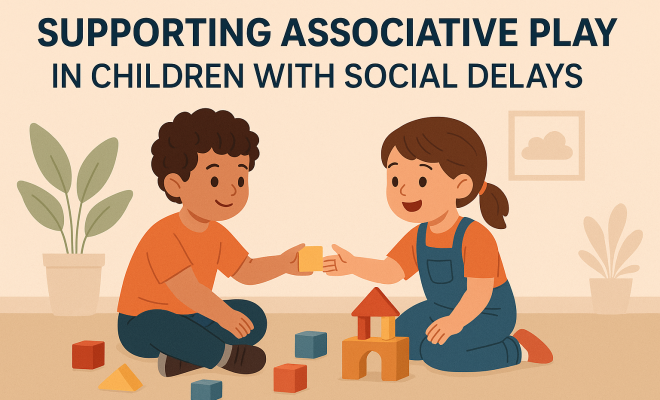
Associative play is a crucial stage in child development, falling between parallel play and cooperative play. During associative play, children engage in activities together, sharing toys and ideas, yet they do not organize their efforts towards a common goal. This type of play is essential not only for social development but also for cognitive and emotional growth.
For children, especially those with social delays, understanding this phase can be transformative. Associative play allows for interaction without the rigid structure of cooperative play, making it a more comfortable social setting for children who may struggle with communication or social cues.
Why Associative Play Matters for Children with Social Delays
Children with social delays often face challenges that can hinder their ability to engage effectively with peers. These challenges may stem from a range of conditions, including autism spectrum disorders (ASD), language delays, or other developmental disorders. Associative play offers a safe space for these children to build social skills without the pressure of extensive verbal interaction or complex game rules.
Research indicates that engaging in associative play can help children with social delays develop vital social skills, such as turn-taking, sharing, and empathy. These skills are foundational for future interpersonal relationships and can lead to improved outcomes in academic and social settings.
The Benefits of Associative Play
Associative play is not only beneficial for children with social delays but for all children. Engaging in this form of play promotes various developmental aspects:
- Social Interaction: Children learn to navigate their social environment by observing and mimicking each other’s behaviors.
- Emotional Regulation: Through play, children explore their feelings, learn to cope with frustration, and develop resilience.
- Language Skills: Associative play provides a platform for children to practice language skills in a relaxed setting, as they talk, share, and collaborate with peers.
- Creative Thinking: This type of play encourages imagination as children invent games and scenarios that require innovative thinking.
In essence, associative play lays the groundwork for children’s future interactions and relationships, regardless of their developmental status.
Identifying Signs of Social Delays
Recognizing social delays in children can be the first step toward providing the necessary support. Some common signs include:
- Difficulty making eye contact
- Limited verbal communication or delayed speech development
- Challenges in understanding social cues, such as facial expressions or tone of voice
- Preference for solitary play over interaction with peers
- Struggles with shared play activities
Identifying these signs early can help parents and caregivers seek interventions that foster social skills through associative play.
Creating Opportunities for Associative Play
Fostering associative play in children, particularly those with social delays, requires intentional efforts from parents, educators, and caregivers. Here are some strategies to create opportunities for associative play:
- Structured Playdates: Organize small, manageable playdates where two or three children can interact without feeling overwhelmed.
- Choice of Activities: Provide materials that encourage creativity, like blocks, art supplies, or cooperative board games that require minimal structure.
- Supervised Settings: Facilitate play in environments where caregivers can guide interactions, offering support and encouragement as needed.
- Modeling Behavior: Demonstrate appropriate play behaviors, such as sharing and taking turns, to help children understand the social dynamics involved.
By creating an environment conducive to associative play, caregivers can help children develop essential social skills in a pressure-free setting.
Utilizing Play Therapy Techniques
Play therapy is a powerful tool for supporting associative play in children with social delays. This therapeutic approach uses play as a means of communication, allowing children to express themselves in ways they might not be able to verbally. Play therapists are trained to facilitate interactions that promote social skills and emotional understanding. (See: CDC on autism and social skills.)
Incorporating elements of play therapy into everyday interactions can be beneficial. For instance, therapists might encourage children to engage in role-playing games that allow them to practice various social situations in a supportive environment. By using play therapy techniques, parents and caregivers can help children with social delays build confidence in their ability to engage with others.
The Role of Parents and Caregivers
Parents and caregivers play a pivotal role in supporting associative play in children with social delays. Here are some ways to get involved:
- Engagement: Actively participate in play with your child to model appropriate interactions and behaviors.
- Encouragement: Praise your child for efforts made during play, no matter how small, to build their confidence.
- Observation: Pay close attention to your child’s interactions with peers and provide gentle guidance when necessary.
- Social Stories: Use social stories or visual aids to help children understand and predict social situations.
By remaining engaged and supportive, parents can significantly influence their child’s ability to succeed in associative play and, by extension, in social situations.
Challenges in Promoting Associative Play
While fostering associative play has numerous benefits, challenges can arise. Children with social delays may experience frustration when attempting to engage with peers or struggle with communication barriers. It’s crucial to recognize these challenges and approach them with empathy and understanding.
Additionally, peer acceptance can be an issue. Children with social delays may find it difficult to connect with typically developing peers, leading to potential isolation. Educators and parents can work together to create inclusive environments that support all children in play, allowing for mutual understanding and respect.
Incorporating Technology to Support Play
In our increasingly digital world, technology can be harnessed to facilitate associative play. There are various apps and online platforms designed to support social skills development in children with delays. For example, interactive games that require collaboration can provide a non-threatening way for children to practice social interaction.
However, it’s essential to balance screen time with hands-on play. Technology should serve as a supplement, not a replacement, for direct social interaction. Caregivers should encourage children to switch between digital and physical forms of play to ensure a well-rounded developmental experience.
Measuring Progress in Social Skills Development
Tracking progress in associative play and overall social skills development is vital for determining the effectiveness of interventions. Caregivers can use various methods to measure improvements:
- Journals: Keeping a diary of social interactions can help identify patterns in behavior and progress.
- Feedback from Educators: Regular communication with teachers can provide insights into how a child interacts in a school setting.
- Self-Assessment: For older children, self-reflection on social interactions can foster awareness and understanding of their social skills.
Measuring progress not only helps in evaluating the effectiveness of strategies used but also builds a child’s self-esteem as they see their growth over time.
Comparing Associative Play with Other Play Types
To fully appreciate associative play, it’s helpful to compare it with other forms of play: parallel play and cooperative play. Each type serves distinct developmental functions:
Parallel Play
In parallel play, children play beside one another but do not interact. This form typically occurs in toddlers and is important for developing independent play skills. While parallel play can help children learn to enjoy the presence of peers, it lacks the interaction that associative play offers.
Cooperative Play
Cooperative play occurs when children work together towards a common goal. This type of play is more structured and can be more challenging for children with social delays, as it requires not only social skills but also verbal communication and agreement on rules. Associative play acts as a bridge, providing a less demanding environment where children can interact without the pressure of organizing a group effort.
Expert Perspectives on Associative Play
Experts in child development emphasize the importance of associative play in fostering social skills. Dr. Karen Smith, a child psychologist, states, “Associative play provides children with the opportunity to express themselves while learning to navigate social norms. It’s a natural way for them to develop empathy and understanding for others.” (See: NIH on developmental disorders treatment.)
Another expert, Dr. Michael Lee, emphasizes that “play is a child’s work.” He believes that through associative play, children learn the essential skills they need to collaborate and communicate effectively throughout their lives.
Creating a Supportive Environment for Associative Play
To facilitate associative play, it’s vital to create an environment that encourages open interaction. Here are some tips:
- Inclusive Spaces: Ensure that play areas are welcoming to all children and equipped with a variety of toys that can be used in multiple ways.
- Social Skills Groups: Consider enrolling children in social skills groups where they can practice associative play with peers under the guidance of a trained facilitator.
- Peer Mentoring: Older children or typically developing peers can be encouraged to interact with children with social delays in structured settings, promoting inclusion and understanding.
Such environments not only help children practice associative play but also foster a sense of belonging.
FAQs About Associative Play in Children
What age do children typically engage in associative play?
Associative play usually emerges around the ages of 3 to 4 years. Children begin to interact more with their peers during this stage, sharing toys and making simple connections without needing to collaborate on tasks.
How can I encourage my child to engage in associative play?
To encourage associative play, arrange small playdates, provide engaging toys, and actively participate in play. Modeling sharing and turn-taking can also help your child learn these skills in a low-pressure environment.
Is associative play important for all children?
Yes, associative play is beneficial for all children. It helps develop critical social skills, emotional regulation, and creativity. For children with social delays, it provides a supportive environment to practice these skills without the pressure of structured play.
How can teachers support associative play in the classroom?
Teachers can facilitate associative play by creating interactive play areas, providing diverse materials, and encouraging children to work together on projects. Observing and guiding interactions can also help children develop their play skills.
What resources are available for parents to support associative play?
Parents can access books, online resources, and local workshops focused on child development and play strategies. Many community centers also offer programs designed to improve social skills through play.
How can I use storytelling to enhance associative play?
Storytelling can be an excellent tool for enhancing associative play. Encourage children to recreate stories through play, allowing them to collaborate and share ideas. You can use props or puppets to make the storytelling interactive, thereby fostering imagination and joint activity.
Are there specific games that promote associative play?
Yes! Games like “Simon Says,” “Duck Duck Goose,” or simple group art projects promote associative play. These activities encourage children to participate together without needing complex rules, allowing them to bond and learn social norms organically.
Can associative play help with emotional development?
Absolutely! Associative play allows children to express their emotions and understand others’ feelings. By sharing toys and ideas, they learn about empathy, conflict resolution, and how to manage their emotions in a group setting.
Conclusion: Building a Foundation for Future Interactions
Supporting associative play in children with social delays is a vital investment in their long-term social and emotional development. By creating opportunities for associative play, utilizing therapeutic techniques, and engaging actively as caregivers, we can help these children build the skills they need to thrive. The journey may come with challenges, but the rewards of seeing a child confidently engage with peers are immeasurable. Through patience, understanding, and consistent support, we can unlock the potential within every child, paving the way for a brighter future.
Additional Insights on Associative Play
Understanding the broader implications of associative play can shed light on its importance. For instance, cognitive psychologists argue that play is a child’s natural way of exploring their environment. By engaging in associative play, children are not only socializing but also learning about the world around them—rules of interaction, problem-solving, and even physical coordination.
A study by the National Institute for Play highlights that children engaged in play show improved cognitive abilities. The act of sharing toys and negotiating roles in play fosters critical thinking skills, as children must communicate what they want and understand their peers’ desires. As they navigate through these interactions, they develop a deeper understanding of social structures, which is vital in later life.
Long-Term Impacts of Associative Play
The benefits of associative play extend beyond childhood. Research shows that children who engage in playful interactions with peers often develop better social competence as they grow. They are more likely to navigate the complexities of adult relationships, work environments, and community involvement effectively.
Moreover, associative play influences academic performance. Children who have cultivated social skills through play tend to perform better in cooperative learning activities in the classroom. They can work in teams, manage group dynamics, and contribute to a positive learning atmosphere, all of which are essential skills in today’s collaborative world.
Community Support for Associative Play Initiatives
Communities can play a significant role in promoting associative play. Local parks, schools, and community centers can offer programs designed to facilitate social interaction among children. Events like play fairs or community picnics can encourage children to engage in associative play outside structured environments, allowing them to develop relationships in a natural setting.
Additionally, training community workers on the importance of play can help create environments that nurture associative play. Workshops focused on social skills development through play can equip caregivers and educators with the tools they need to support children effectively.
“`
Trending Now
Frequently Asked Questions
What is associative play in child development?
Associative play is a crucial stage in child development where children engage in activities together, sharing toys and ideas without organizing towards a common goal. This type of play is essential for social, cognitive, and emotional development, particularly for children with social delays.
How does associative play benefit children with social delays?
For children with social delays, associative play provides a comfortable environment to interact with peers. It helps them develop vital social skills like turn-taking, sharing, and empathy, which are foundational for future relationships and can improve their academic and social outcomes.
What are the characteristics of associative play?
Associative play is characterized by children playing alongside each other, sharing materials and ideas, but not necessarily working towards a common goal. It allows for social interaction without the pressure of structured play, making it easier for children to engage comfortably.
Why is play important for children with developmental disorders?
Play is vital for children with developmental disorders as it fosters social interaction, emotional regulation, and language skills. Associative play, in particular, allows these children to practice social cues and interactions in a less pressured setting, aiding their overall development.
What skills do children learn through associative play?
Through associative play, children learn essential skills such as social interaction, emotional regulation, and language development. They observe and mimic behaviors, cope with frustration, and practice turn-taking and sharing, which are critical for building future interpersonal relationships.
What’s your take on this? Share your thoughts in the comments below — we read every one.