Attachment Theory & Emotional Intelligence in Children
“`html
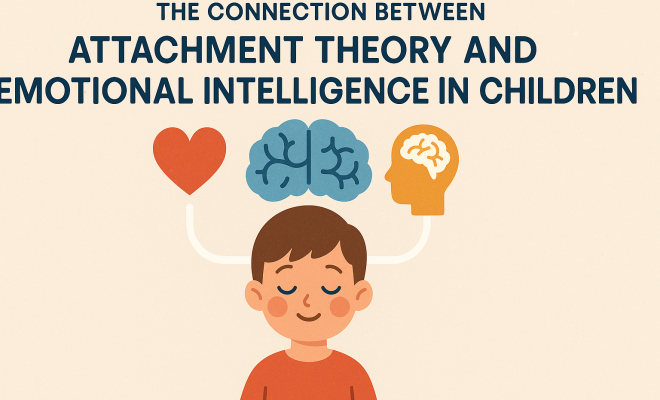
Understanding the interrelationship between attachment theory and emotional intelligence is crucial for parents, educators, and mental health professionals. At its core, attachment theory explains how the bonds formed between children and their primary caregivers influence emotional development, behavior, and interpersonal relationships. Emotional intelligence, on the other hand, is the ability to recognize, understand, and manage emotions in oneself and others.
The Foundations of Attachment Theory
Attachment theory was developed by psychologist John Bowlby in the mid-20th century. He proposed that children are born with an innate drive to form attachments, primarily with their caregivers. This bond is essential for survival, as it ensures that the child receives the necessary care and protection during vulnerable developmental stages. Bowlby identified several attachment styles—secure, anxious, avoidant, and disorganized—each with distinct characteristics that affect a child’s emotional and social development.
Secure attachment develops when a caregiver is responsive to a child’s needs, providing comfort and support. Children with this attachment style often exhibit healthy emotional responses and interpersonal skills as they grow. In contrast, anxious or avoidant attachments can lead to difficulties in emotional regulation and relationship-building.
The Role of Emotional Intelligence in Child Development
Emotional intelligence (EI) involves a range of skills, including the ability to perceive emotions, use emotions to facilitate thinking, understand emotions, and manage emotions effectively. For children, high emotional intelligence is linked to better social interactions, academic success, and overall mental health. Children with strong EI can navigate complex social situations and respond appropriately to emotional cues, fostering positive relationships with peers and adults alike.
Attachment Styles and Their Impact on Emotional Intelligence
The connection between attachment theory and emotional intelligence becomes evident when examining how different attachment styles influence the development of EI. Securely attached children generally exhibit higher emotional intelligence. They learn to express their emotions openly and can recognize emotional cues in others, which enhances their social relationships.
Conversely, children with anxious attachments may struggle with emotional regulation, leading to heightened anxiety or anger. These children might misinterpret social signals, affecting their ability to connect with peers. Meanwhile, those with avoidant attachment may suppress their emotions altogether, leading to difficulties in expressing feelings and forming meaningful relationships.
Research Supporting the Connection
Numerous studies have reinforced the link between attachment theory and emotional intelligence. For instance, research published in the Journal of Child Psychology and Psychiatry found that securely attached children tend to score higher on measures of emotional regulation and social competence compared to their insecurely attached peers.
Another pivotal study conducted by Waters et al. (2000) demonstrated that children classified as securely attached by the age of one showed more advanced social and emotional skills by the age of five. This longitudinal study highlighted how early attachment experiences shape later emotional intelligence and social adaptability.
Influence of Parenting Styles on Attachment and Emotional Intelligence
Parenting styles play a fundamental role in the development of a child’s attachment style and, consequently, their emotional intelligence. Authoritative parenting, characterized by warmth, responsiveness, and appropriate boundaries, tends to foster secure attachments. Parents who engage in open communication and actively model emotional skills help their children develop robust emotional intelligence. (See: Attachment theory overview.)
On the other hand, neglectful or overly authoritarian parenting can contribute to insecure attachments. Children raised in these environments may not receive the emotional validation needed to understand and manage their feelings. As a result, they may struggle with both emotional intelligence and forming healthy relationships throughout their lives.
Practical Strategies for Enhancing Emotional Intelligence through Attachment
If you’re looking to foster emotional intelligence in children, understanding attachment theory can guide your approach. Here are some concrete strategies:
- Encourage Open Communication: Create an environment where children feel safe expressing their emotions. Ask open-ended questions about how they feel in different situations.
- Model Emotional Regulation: Demonstrate healthy ways to cope with emotions. Share your own feelings and how you manage them, which can help children learn by example.
- Practice Empathy: Teach children to consider others’ feelings. Role-playing scenarios can be a fun and engaging way for kids to practice empathy and perspective-taking.
- Establish Routines: Consistent routines provide a sense of security, which can promote secure attachment and, subsequently, emotional intelligence.
The Importance of Early Intervention
Recognizing the critical window for fostering secure attachments and emotional intelligence is vital. Early intervention programs, particularly for at-risk children, can make a significant difference. These programs often include parent education on responsive caregiving and emotional coaching, aiming to enhance both attachment security and emotional intelligence from a young age.
For example, the Nurse-Family Partnership program has shown success in improving attachment security and emotional outcomes for children born to first-time, low-income mothers. By providing support and education, these interventions help create a strong foundation for emotional intelligence.
Current Relevance and Implications for Education
The implications of attachment theory and emotional intelligence extend into educational settings. Teachers and school counselors can play a pivotal role in recognizing and addressing attachment-related issues in their students. Understanding the emotional needs of children helps educators create supportive classrooms that foster emotional growth alongside academic learning.
Professional development for educators on attachment theory can empower them to identify signs of insecure attachments and provide appropriate support strategies. Schools that prioritize social-emotional learning (SEL) integrate lessons on emotional intelligence, further benefiting children’s overall development.
The Long-Term Impact of Attachment and Emotional Intelligence
The consequences of attachment styles and emotional intelligence often extend into adulthood, influencing personal relationships, career success, and overall mental well-being. Adults with secure attachments and high emotional intelligence are generally more resilient, have better interpersonal skills, and report higher levels of life satisfaction.
Conversely, those who struggle with attachment and emotional regulation may face challenges in their personal and professional lives. They may find it harder to maintain relationships, navigate workplace dynamics, or cope with stress. Thus, fostering secure attachments and emotional intelligence in childhood is not just beneficial for immediate social interactions; it sets the stage for healthier adult lives.
Implications for Mental Health
Attachment styles can significantly influence mental health outcomes throughout a person’s life. Research indicates that individuals with insecure attachment styles are at a higher risk for developing mental health issues such as anxiety, depression, and personality disorders. For instance, a study published in the Journal of Counseling Psychology found that individuals with anxious attachment were more likely to experience depressive symptoms and anxiety disorders than their securely attached counterparts.
On the flip side, secure attachment is often linked to better coping strategies and resilience. Adults who have a secure attachment style typically exhibit healthier emotional regulation, making them better equipped to handle stressors in life. Understanding this dynamic can help mental health professionals tailor their interventions to address attachment-related challenges in their clients. (See: Children's emotional health resources.)
Attachment Theory in Adult Relationships
As individuals transition into adulthood, the attachment styles developed in childhood can shape their romantic relationships and friendships. Securely attached adults tend to have healthier and more satisfying relationships, characterized by open communication and trust. In contrast, those with anxious or avoidant attachment styles may encounter challenges such as fear of abandonment or difficulty in intimacy.
For instance, anxious individuals might constantly seek reassurance from their partners while avoidants may withdraw emotionally when faced with conflict. Understanding these dynamics can be beneficial for couples seeking to improve their relationship satisfaction. Therapy that addresses attachment styles can help partners communicate more effectively and build a stronger emotional connection.
Exploring Attachment in Diverse Contexts
It’s essential to recognize that attachment theory is not limited to the parent-child relationship. It extends to various contexts, including friendships, romantic partnerships, and even workplace dynamics. Different cultures may also influence attachment styles and emotional intelligence, with some cultures emphasizing collectivism and interdependence over individualism.
In workplace settings, for example, secure attachments among colleagues can foster collaboration and a positive organizational climate. Emotional intelligence in the workplace can lead to better teamwork, improved leadership, and enhanced employee well-being. Employers who understand the importance of emotional intelligence and attachment can create environments that support employee development and satisfaction.
Common Myths About Attachment Theory and Emotional Intelligence
Despite the importance of understanding attachment theory and emotional intelligence, there are several common misconceptions surrounding these concepts. Here are a few myths debunked:
- Myth 1: Attachment styles are fixed for life. Many people believe that once an attachment style is established in childhood, it cannot change. In reality, attachment styles can evolve as individuals form new relationships and experiences, especially with therapeutic support.
- Myth 2: Only children need to understand emotional intelligence. Adults also benefit significantly from developing emotional intelligence. Understanding emotions and improving interpersonal skills can enhance personal and professional relationships at any age.
- Myth 3: Secure attachment guarantees a happy life. While secure attachment provides a strong foundation for emotional health, it doesn’t mean that individuals will never face challenges. Life circumstances and personal choices also play significant roles in overall happiness and well-being.
Frequently Asked Questions (FAQ)
What is the significance of attachment theory in emotional intelligence?
Attachment theory provides a framework for understanding how early relationships with caregivers shape an individual’s emotional development and ability to manage emotions. Secure attachments foster emotional intelligence, while insecure attachments can hinder its development.
Can emotional intelligence be developed in adults?
Yes, emotional intelligence can be enhanced at any age. Programs focusing on emotional awareness, regulation, and social skills can help adults improve their emotional intelligence, leading to better relationships and overall well-being.
How do parenting styles influence emotional intelligence?
Parenting styles greatly impact a child’s emotional development. Authoritative parenting, which combines warmth and structure, promotes secure attachments and, as a result, higher emotional intelligence. In contrast, authoritarian or neglectful parenting can lead to insecure attachments and lower emotional intelligence.
What role does culture play in attachment and emotional intelligence?
Culture can shape attachment styles and emotional intelligence by influencing caregiving practices and societal norms around emotions. For instance, cultures that value emotional expression may promote higher emotional intelligence, whereas those that prioritize emotional restraint may affect how individuals manage their emotions.
Is there a link between emotional intelligence and academic success?
Absolutely! Research indicates that students with high emotional intelligence often perform better academically. They tend to have better social skills, which can enhance collaboration and learning in school settings.
Can you measure attachment styles and emotional intelligence?
Yes, there are various assessment tools available, such as the Adult Attachment Interview (AAI) for attachment styles and the Emotional Quotient Inventory (EQ-i) for measuring emotional intelligence. These tools can provide insights into an individual’s emotional functioning and relational patterns.
How does emotional intelligence affect career success?
Emotional intelligence is increasingly recognized as a key factor in career success. Individuals with high EI are often better at teamwork, conflict resolution, and leadership, which can lead to greater job satisfaction and advancement opportunities.
What can educators do to support the development of emotional intelligence in students?
Educators can incorporate SEL programs into their curriculum, model emotional intelligence through their interactions, and create a classroom environment that encourages emotional expression and understanding. Training on attachment theory can also help teachers address students’ emotional needs more effectively.
Conclusion: The Path Forward
As we continue to explore the intricate connection between attachment theory and emotional intelligence, it becomes evident that nurturing secure attachments in childhood is crucial for developing emotional maturity. By prioritizing responsive caregiving, open communication, and emotional education, we can foster a generation of children equipped with the emotional tools they need to thrive in life.
Ultimately, understanding this relationship can guide parents, educators, and mental health professionals in their efforts to support children’s emotional development, creating a more empathetic and emotionally intelligent society.
“`
Trending Now
Frequently Asked Questions
What is the relationship between attachment theory and emotional intelligence?
Attachment theory explains how the bonds formed between children and their caregivers influence emotional development. Emotional intelligence is the ability to recognize and manage emotions. Together, they shape a child's ability to form healthy relationships and regulate their emotions, impacting overall social and emotional well-being.
How does attachment style affect emotional intelligence in children?
Children with secure attachment styles typically exhibit higher emotional intelligence, as they have responsive caregivers who model emotional regulation. Conversely, anxious or avoidant attachment styles can lead to difficulties in managing emotions, resulting in lower emotional intelligence and challenges in social interactions.
Why is attachment theory important for child development?
Attachment theory is crucial for child development because it highlights the importance of caregiver-child bonds. These bonds provide emotional security, which is essential for healthy emotional and social development, influencing how children interact with others and manage their emotions throughout life.
What are the different types of attachment styles?
The main attachment styles identified by John Bowlby are secure, anxious, avoidant, and disorganized. Each style reflects different caregiver interactions and significantly impacts a child's emotional regulation, social skills, and overall mental health as they grow.
How can parents foster emotional intelligence in their children?
Parents can foster emotional intelligence by being responsive to their children's emotional needs, modeling effective emotional regulation, and encouraging open communication about feelings. Creating a supportive environment helps children develop the skills needed to understand and manage their emotions effectively.
Agree or disagree? Drop a comment and tell us what you think.