Combat 35% Google Organic Traffic Drop by 2026: Strategies for Businesses

“`html
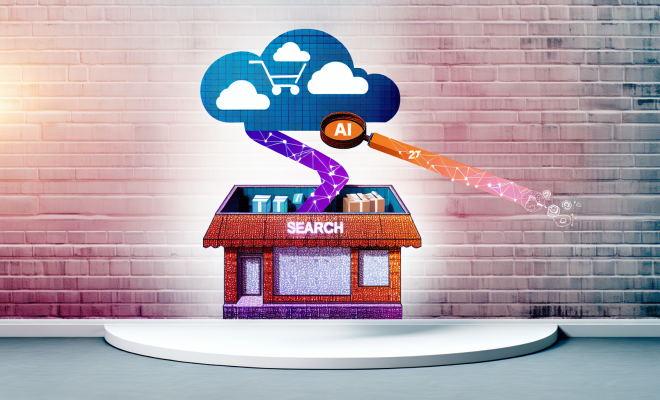
The digital landscape is evolving rapidly, and it’s no secret that businesses are feeling the pressure. Recent data shows a staggering 35% drop in Google organic traffic predicted for 2026. This drastic decline is primarily driven by the rise of AI summaries and the proliferation of zero-click searches, which provide users with quick answers directly on the search results page, often without the need to visit a website. This article delves into the implications of this trend and offers actionable strategies for businesses to reclaim lost traffic.
1. The Rise of AI Overviews
Artificial intelligence is not just a buzzword anymore; it’s reshaping how information is consumed online. AI-powered tools are becoming more adept at delivering concise summaries of content, effectively replacing the need for users to click through to a website for more information. This shift is particularly alarming for businesses that rely on organic traffic for revenue. As AI continues to improve, it’s likely that more users will opt to receive information through these AI overviews, inadvertently leading to a google organic traffic decrease.
For instance, search engines are increasingly featuring snippets and answers generated by AI at the top of search results, often rendering traditional web pages less visible. Businesses must recognize this trend as a signal to adapt their strategies. Ignoring these developments could mean losing out on the valuable traffic that once flowed freely to their pages.
2. The Impact of Zero-Click Searches
Another contributing factor to the anticipated decrease in Google organic traffic is the rise of zero-click searches. This phenomenon occurs when users find their answers directly on the search results page, eliminating the need to visit the source website. According to recent studies, nearly 50% of searches result in zero-click responses — a staggering statistic that highlights the urgency for businesses to reevaluate their online presence.
The implications are clear: if users are getting their information without ever visiting your site, then your visibility and potential revenue are at risk. Businesses must now be proactive in ensuring their content is featured in these zero-click responses. This might involve optimizing for featured snippets or providing high-quality, concise answers to common questions within their content.
3. Why Traditional SEO is Failing
The traditional approaches to SEO that many businesses have relied upon for years are becoming less effective in this new landscape. With the emergence of AI and zero-click searches, businesses are realizing that the strategies that once guaranteed visibility are no longer sufficient. The shift towards AI optimization means that companies need to pivot their SEO tactics to align with this new reality.
Instead of focusing solely on keywords and backlinks, companies must consider how to optimize content for AI-driven algorithms. This involves producing high-quality, informative content that is not only engaging but also likely to be selected by AI tools for summarization. The failure to adapt to these changes can lead to devastating losses in traffic, making it imperative for businesses to rethink their SEO strategies.
4. Strategies to Combat Google Organic Traffic Decrease
So, what can businesses do to combat this impending google organic traffic decrease? The solution lies in proactive content management. Regularly refreshing the top 20% of your website’s pages is vital for maintaining relevance and visibility. This means updating old content, adding new information, and ensuring that all resources are as helpful as possible.
Additionally, businesses should prioritize creating content that answers common queries in a comprehensive yet succinct manner. By doing so, they increase their chances of being featured in zero-click results and AI summaries. It’s a smart way to ensure your content does not just exist but thrives in this competitive landscape.
5. The Emotional Toll: Fear of Missing Out
The fear of missing out (FOMO) is becoming a significant concern for many businesses as they grapple with these changes. The emotional stress stemming from declining metrics can lead to panic, prompting business owners to search for immediate solutions. This reaction is understandable; after all, many companies rely on organic traffic as a primary revenue source.
However, it’s essential for business leaders to approach this situation with a level head. Focusing on strategic changes instead of reacting impulsively can lead to more sustainable results. Embracing the shift and understanding that adaptation is necessary can empower business owners to take control of their futures rather than succumbing to fear. (See: CDC Youth Risk Behavior Survey.)
6. Embracing AI-Specific Optimization
As traditional SEO practices begin to wane, the focus must shift to AI-specific optimization. This approach involves understanding how AI interprets and ranks content, which is key to achieving visibility in this new era. Businesses need to familiarize themselves with AI tools and consider how they can integrate these technologies into their marketing strategies.
Creating content that is easily digestible for AI systems—such as incorporating structured data, optimizing for voice search, and using clear formatting—will enhance the chances of being favored by search engines. Moreover, businesses should experiment with AI tools themselves to identify emerging trends and stay ahead of the competition.
7. Continuous Learning and Adaptation
In a world where change is constant, continuous learning becomes paramount. Business owners must stay informed about the latest trends in digital marketing and SEO. Attending industry conferences, participating in webinars, and following thought leaders in the field can provide valuable insights that can help businesses adapt their strategies effectively.
Moreover, leveraging analytics tools to monitor performance and understand user behavior will enable businesses to make data-driven decisions. This proactive approach can help identify which tactics are working and which need adjustment, ensuring that companies remain competitive even as the landscape shifts.
8. The Future of Google Organic Traffic
The future of Google organic traffic may seem daunting, but it’s not necessarily bleak. While a 35% drop is alarming, it also serves as a wake-up call for businesses to innovate and evolve. Demonstrating resilience in the face of change can lead to new opportunities and growth.
By embracing AI, optimizing content for evolving search behaviors, and focusing on user experience, businesses can adapt to the new digital landscape. The key to surviving this storm lies not only in understanding the changes but also in actively participating in the transformation of online search and information consumption.
9. Case Studies: Businesses That Adapted Successfully
To illustrate the effectiveness of adapting to the changing digital landscape, let’s look at a few case studies of businesses that successfully navigated this transition.
Case Study 1: HubSpot – HubSpot, a leader in inbound marketing, recognized the shift towards zero-click searches early on. They revamped their content strategy to include concise, actionable answers to common marketing questions. By optimizing for featured snippets, they not only maintained but grew their organic traffic despite industry shifts. Their focus on high-quality content that answered specific queries positioned them as an authority, securing their place in the ever-evolving landscape.
Case Study 2: Moz – Moz, a well-known SEO tool provider, faced challenges with organic traffic as search algorithms changed. They began focusing on educational content that was rich in value but brief enough for AI summarization. By leveraging data from their own tools, they optimized their articles to meet the needs of both users and AI, allowing them to regain lost traffic and improve user engagement metrics.
These examples showcase that with the right strategies and a willingness to adapt, businesses can not only survive but thrive in an environment where traditional SEO methods are becoming obsolete.
10. Expert Perspectives on the Future of SEO
Industry experts have varied opinions about the future of SEO in the wake of AI and zero-click searches. Here are a few insights from thought leaders in the field:
Rand Fishkin, Co-founder of Moz: “The landscape is changing, and those who cling to outdated SEO practices will find themselves irrelevant. Understanding user intent and providing value will be crucial as AI takes a more significant role.” (See: New AI tools in search engines.)
Danny Sullivan, Public Liaison for Google Search: “We aim to make information more accessible. If companies focus on delivering quality content that directly addresses user questions, they’ll still find success, even as search evolves.”
Aleyda Solis, International SEO Consultant: “Adapting to AI technologies and the new ways of searching is not just an option anymore; it’s a necessity. Companies need to embrace these changes or risk falling behind.”
11. Building a Community Around Your Brand
Creating a loyal community can serve as a buffer against traffic fluctuations. When users feel connected to a brand, they’re more likely to engage with the content and share it within their networks. This can help mitigate the impacts of falling organic traffic.
Here are a few strategies to build and nurture a community:
- Engage on Social Media: Consistently interact with followers, respond to comments, and share user-generated content.
- Host Webinars and Live Q&A Sessions: Provide value while directly addressing your audience’s concerns, fostering a sense of community.
- Encourage User Contributions: Allow users to share their experiences or insights related to your brand, creating a collaborative environment.
By fostering a strong community, businesses can create a loyal following that supports them through traffic fluctuations and industry changes.
12. FAQs About Google Organic Traffic Decrease
Q1: What causes a decrease in Google organic traffic?
A decrease in Google organic traffic can be attributed to several factors, including changes in search algorithms, increased competition, and the rise of zero-click searches, where users find answers directly in the search results without visiting a website.
Q2: How can I recover from a drop in organic traffic?
To recover from a drop in organic traffic, you should analyze your website analytics to identify affected pages, refresh and optimize content, and ensure your site is aligned with current SEO best practices, such as optimizing for featured snippets.
Q3: Is SEO still relevant?
Yes, SEO remains relevant; however, it is evolving. Businesses need to adapt their strategies to align with the latest trends, focusing on creating high-quality content that meets user intent and incorporates AI optimization strategies.
Q4: What role does user experience play in organic traffic?
User experience (UX) is critical in retaining visitors and reducing bounce rates, which can positively affect your organic rankings. A well-structured, user-friendly website encourages visitors to stay longer and explore more content.
Q5: Can social media help improve organic traffic?
Yes, social media can enhance organic traffic by increasing brand visibility and driving more users to your content. When users share your posts, it can help attract organic traffic from their networks, providing additional exposure.
13. Understanding User Intent
One of the most crucial elements of SEO today is understanding user intent. As search engines leverage AI, they’re focusing more on delivering results that match the intent behind a user’s query. This means that businesses need to rethink their content strategies to align with the types of queries users are making.
User intent can generally be categorized into three types:
- Informational: Users seeking knowledge or information about a topic (e.g., “What is a content management system?”).
- Navigational: Users looking for a specific website or page (e.g., “Facebook login”).
- Transactional: Users intending to make a purchase (e.g., “buy running shoes online”).
By creating content that addresses these intents clearly, you significantly enhance your chances of ranking higher in search results. It also allows for better engagement as users find exactly what they are looking for.
14. Utilizing Data Analytics
Data analytics is a powerful tool for understanding traffic trends and user behavior. By harnessing analytics tools such as Google Analytics, businesses can gain insights into how users interact with their content, which pages are performing well, and where traffic is dropping off. Key metrics to monitor include:
- Traffic Sources: Understand where your traffic is coming from to identify opportunities for growth.
- Bounce Rate: A high bounce rate may indicate that your content is not meeting user expectations.
- Session Duration: Longer sessions typically signify that users find your content engaging.
Using this data, businesses can make informed decisions about which areas of their website to improve and what content to prioritize.
15. Adapting to Changes in Search Algorithms
Search engines like Google frequently update their algorithms, which can drastically affect organic traffic. Staying informed about these changes is essential for maintaining visibility. Some tips to adapt include:
- Follow SEO News: Subscribe to SEO blogs and forums to stay updated on algorithm changes.
- Regularly Audit Your Site: Conduct audits to ensure your website complies with the latest SEO standards.
- Test and Iterate: Don’t be afraid to experiment with new strategies and analyze the results to see what works best.
By actively monitoring and adjusting to algorithm changes, businesses can minimize the impact of these fluctuations on their organic traffic.
Ultimately, those who can pivot and adapt will not only weather the storm but potentially emerge stronger. The challenge is significant, but with the right strategies in place, businesses can navigate this new terrain and reclaim their lost traffic in the years to come. digital landscape insights offers useful background here.
“`
Trending Now
Frequently Asked Questions
What is causing the predicted drop in Google organic traffic?
The predicted 35% drop in Google organic traffic by 2026 is primarily driven by the rise of AI summaries and zero-click searches. AI tools are providing concise answers directly on search results, reducing the need for users to click through to websites, which can significantly affect businesses reliant on organic traffic.
How do AI summaries affect website traffic?
AI summaries are reshaping online information consumption by delivering concise answers directly in search results. This reduces the likelihood that users will click through to websites for more information, leading to a decline in organic traffic for businesses that depend on traditional web visits.
What are zero-click searches?
Zero-click searches occur when users find the information they need directly on the search results page, without visiting a website. This trend is growing, with nearly 50% of searches resulting in zero-click responses, which significantly impacts website traffic and visibility.
What strategies can businesses use to combat traffic loss?
Businesses can adapt to the decline in Google organic traffic by optimizing for AI-generated content, enhancing their SEO strategies, and focusing on providing unique and valuable content that encourages users to engage with their websites instead of relying on summarized answers.
Why is it important for businesses to adapt to these trends?
Adapting to the trends of AI summaries and zero-click searches is crucial for businesses to reclaim lost traffic. Ignoring these changes could lead to diminished visibility and revenue, as more users turn to quick answers rather than visiting traditional websites for information.
What's your take on this? Share your thoughts in the comments below — we read every one.