Mastering Developmentally Appropriate Practice in Early Childhood
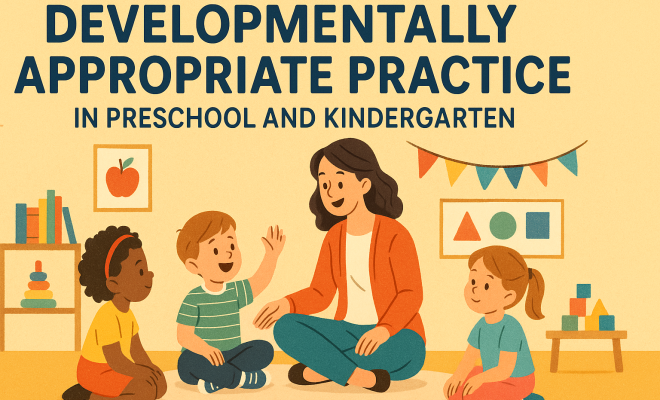
“`html
Understanding Developmentally Appropriate Practice
In the realm of early childhood education, the term developmentally appropriate practice (DAP) has gained significant traction among educators, parents, and policymakers alike. But what exactly does it mean? Rooted in a deep understanding of how children learn and grow, DAP refers to an educational approach that considers children’s age, individual needs, and cultural backgrounds to create a learning environment that is both effective and nurturing. This article aims to explore the intricate details of DAP in preschool and kindergarten settings, providing educators and parents with practical insights and strategies.
The Foundations of Developmentally Appropriate Practice
To comprehend DAP fully, we must first delve into its foundational principles. The National Association for the Education of Young Children (NAEYC) outlines three core considerations:
- Age appropriateness: Recognizing that children of different ages learn in different ways, activities should be tailored to fit their developmental stages.
- Individual appropriateness: Each child is unique, possessing their own strengths, interests, and challenges that require personalized attention.
- Cultural appropriateness: The experiences and backgrounds of children should be valued and reflected in the curriculum.
These principles guide educators in making informed decisions about curriculum, instruction, and assessment, ensuring that they foster an environment conducive to learning.
Historical Context: The Evolution of DAP
The concept of DAP did not emerge overnight. Its roots can be traced back to influential theorists such as Jean Piaget, Lev Vygotsky, and Maria Montessori. Each of these theorists contributed significantly to our understanding of child development and learning. For instance, Piaget emphasized the stages of cognitive development, while Vygotsky advocated for the role of social interaction in learning.
In the late 20th century, the NAEYC played a pivotal role in formalizing DAP as a standard for early childhood education. Their position statement, first published in 1986 and revised periodically, serves as a guiding document for educators across the United States. It emphasizes the importance of recognizing the developmental stages and the need for responsive teaching practices.
Key Components of Developmentally Appropriate Practice
When implementing DAP, several key components come into play. These components are essential for creating a rich learning environment that promotes engagement and curiosity among young learners.
Play-Based Learning
One of the most significant elements of DAP is the emphasis on play-based learning. Research shows that play is crucial for cognitive, social, and emotional development. Through play, children explore their environment, experiment with new ideas, and develop problem-solving skills.
Incorporating play into the curriculum doesn’t merely mean allowing free playtime. Educators can structure play activities that target specific learning objectives, such as STEM concepts, language development, or social skills. For example, a block-building activity can enhance mathematical understanding as children measure and compare their structures.
Guided Discovery
Another essential aspect of DAP is guided discovery, where educators provide opportunities for children to explore and inquire while offering support when necessary. This approach encourages children to ask questions and seek answers independently, fostering critical thinking and self-directed learning.
For instance, during a nature walk, teachers can pose open-ended questions about the environment, prompting children to observe, hypothesize, and discuss their findings. This method not only nurtures curiosity but reinforces the idea that learning is a collaborative process.
Real-Life Applications: Creating a DAP Classroom
Implementing DAP in preschool and kindergarten settings requires thoughtful planning and a deep understanding of children’s needs. Here are several practical strategies educators can use to create a developmentally appropriate classroom: (See: CDC on child development.)
Flexible Learning Spaces
Classroom environments should reflect the diverse needs of children. Flexible learning spaces allow for different types of activities, from quiet reading corners to active play areas. Incorporating various materials and resources caters to different learning styles and interests.
For example, an area designated for art can provide a range of materials like paint, clay, and recycled items for children to create freely, while a science corner with magnifying glasses and specimens encourages exploration and inquiry.
Observation and Assessment
Ongoing observation and assessment are critical components of DAP. Instead of relying solely on standardized tests, educators should utilize authentic assessments that capture children’s progress and development in real-time. Observations can inform instruction, guiding teachers in tailoring activities to meet individual learning needs.
For instance, if a teacher observes a child struggling with social interactions during group play, they can intervene by facilitating opportunities for cooperative play, helping build those crucial social skills.
The Role of Family and Community in DAP
Engaging families and communities is also vital for the success of developmentally appropriate practice. Strong partnerships between schools and families create a support system that enhances children’s learning experiences. Here’s how educators can foster these connections:
Building Trusting Relationships
Establishing trusting relationships with families is paramount. Teachers can begin by communicating openly with parents about their children’s progress and sharing insights about classroom activities. Regular updates can be done through newsletters, parent-teacher conferences, or digital platforms.
By inviting families into the classroom, whether through volunteering or attending special events, teachers can help families feel connected and valued, reinforcing the notion that education is a shared responsibility.
Cultural Relevance
Recognizing and incorporating the cultural backgrounds of children and their families into the curriculum strengthens DAP. Educators can include stories, traditions, and practices from diverse cultures, making learning relevant and inclusive.
For example, celebrating various cultural holidays throughout the year not only educates children about differences but also promotes respect and understanding among peers.
Current Relevance and Challenges of DAP
As society evolves, so too does the landscape of early childhood education. Today, educators face numerous challenges in implementing DAP effectively. High-stakes testing, standardized curricula, and increasing classroom sizes can undermine the principles of developmentally appropriate practice.
The Impact of Policy on DAP
Policies at both the state and federal levels significantly impact early childhood education. With a focus on accountability and measurable outcomes, educators may feel pressured to prioritize test preparation over play-based learning and exploration. This shift can hinder the essence of DAP, which relies on understanding children’s unique developmental trajectories.
Advocacy for policies that support DAP is crucial. Educators, parents, and community members must work together to promote practices that prioritize children’s developmental needs over rigid standards.
Professional Development for Educators
To successfully implement DAP, educators need ongoing professional development. Training programs should emphasize the importance of play, guided discovery, and culturally relevant teaching methods. Investing in educators’ knowledge and skills not only benefits children but enhances the overall quality of early childhood education.
Innovations in Developmentally Appropriate Practice
As education technology continues to evolve, there are new tools and resources that can support DAP in classrooms. Digital tools can provide interactive learning experiences, but it’s essential to integrate these technologies in a way that complements traditional play-based learning.
Integrating Technology with Play
For young children, technology should not replace hands-on experiences; instead, it should enhance them. For example, educational apps that allow children to solve puzzles or engage in storytelling can be integrated into a play-based environment. Educators can use tablets to document children’s play and learning, show parents what their children are working on, and guide further exploration based on children’s interests.
However, it’s vital to monitor screen time and ensure that digital experiences are developmentally appropriate and aligned with the principles of DAP. Maintaining a balance between digital and physical activities is key.
Examples of Developmentally Appropriate Practice in Action
To illustrate DAP in action, let’s look at some specific scenarios that highlight its components:
Scenario 1: The Three-Year-Old Classroom
In a class for three-year-olds, teachers set up various stations: a sensory table filled with sand and tools, a dramatic play area with costumes, and a block corner for building. Each station offers different types of engagement, allowing children to choose based on their interests. The educators circulate, asking questions that encourage exploration—“What happens when you pour sand on top of each other?” or “How many blocks do you think you need to reach the top of this tower?”
Scenario 2: Kindergarten Science Exploration
In a kindergarten classroom, the theme for the week is “Animals.” The teacher sets up a series of activities: a reading corner with books about various animals, a craft station for creating animal masks, and an outdoor exploration time. Children are encouraged to work in groups to research an animal of their choice and present findings to the class. This project fosters collaboration, creativity, and critical thinking—all key aspects of DAP.
Common Misconceptions About DAP
Despite the clear benefits of developmentally appropriate practice, several misconceptions often arise. Understanding these can help educators and parents align their expectations and practices more closely with DAP principles.
Myth 1: DAP Means No Structure
Some believe that DAP equates to a lack of structure in the classroom. In reality, it’s about finding the right balance. DAP encourages structure that is flexible enough to adapt to individual children’s needs and interests. Instead of rigid schedules, educators implement routines that provide security while allowing for exploration.
Myth 2: DAP is Only for Young Children
While DAP is often discussed in the context of preschool and kindergarten, its principles can be applied across all educational levels. Understanding how children learn and develop is crucial at every age, and educators of older students can adopt similar practices that respect developmental stages.
Frequently Asked Questions (FAQ)
What age group does DAP apply to?
Developmentally appropriate practice is primarily associated with early childhood education, particularly for children from birth to age 8. However, the principles can also inform practices in elementary education and beyond.
How can I advocate for DAP in my child’s school?
Parents can advocate for DAP by engaging with educators, attending school board meetings, and discussing the importance of play-based learning and individualized instruction. Creating a dialogue with teachers about your child’s needs can also help promote DAP principles.
Are there specific training programs for educators on DAP?
Yes, many institutions offer professional development programs focused on DAP. Educators should seek out workshops, online courses, and conferences that provide insights into implementing DAP in classrooms.
Can DAP be effectively implemented in large classrooms?
While larger classrooms can present challenges, DAP can still be implemented through careful planning, the use of cooperative learning strategies, and the establishment of learning centers that allow for differentiated instruction.
How does DAP support children’s emotional development?
Developmentally appropriate practice fosters emotional development by creating a safe and nurturing environment where children can express their feelings, build relationships, and learn social skills. Activities designed to promote cooperation and empathy, such as group projects or role-playing, are common in DAP settings.
What are some resources for educators to learn more about DAP?
Educators can explore a variety of resources to deepen their understanding of DAP. Books, academic journals, and the NAEYC website provide valuable information. Additionally, joining professional organizations and attending conferences can enhance their knowledge and networking opportunities.
Is DAP culturally relevant for all learners?
Yes, DAP emphasizes the importance of cultural relevance. Educators are encouraged to incorporate diverse perspectives and practices into their teaching, ensuring that all children see their identities reflected in the curriculum. This approach not only validates children’s backgrounds but also fosters inclusivity and respect for diversity.
The Future of Developmentally Appropriate Practice
The future of developmentally appropriate practice hinges on our collective commitment to advocating for children’s needs in educational settings. As we navigate the complexities of modern education, it’s essential to remember that children are not just miniature adults. They deserve an educational experience that respects their developmental stages and individual needs.
By integrating the principles of DAP into our approach to teaching, we can create enriching, supportive environments that empower young learners. It’s a vital investment in their future, one that pays dividends not just in academic achievement but in social and emotional well-being as well.
As we move forward, it’s crucial to keep advocating for policies that support DAP, ensuring that all educators have the resources and training they need to implement these practices effectively. With the right support, we can foster a generation of learners who are not only knowledgeable but also capable of critical thinking, empathy, and collaboration.
In the end, fostering a love for learning and a sense of belonging in our youngest learners will shape the teachers, leaders, and changemakers of tomorrow.
“`
Trending Now
Frequently Asked Questions
What is developmentally appropriate practice in early childhood education?
Developmentally appropriate practice (DAP) refers to an educational approach that considers children's age, individual needs, and cultural backgrounds. It aims to create effective and nurturing learning environments tailored to the developmental stages of children in preschool and kindergarten.
What are the core principles of developmentally appropriate practice?
The core principles of DAP include age appropriateness, individual appropriateness, and cultural appropriateness. These principles guide educators in tailoring activities and curricula to meet the unique needs and backgrounds of each child, fostering a supportive learning environment.
Who are the key theorists behind developmentally appropriate practice?
Key theorists behind DAP include Jean Piaget, Lev Vygotsky, and Maria Montessori. Their contributions to understanding child development and learning have shaped the principles of DAP, emphasizing cognitive stages, social interaction, and individualized learning.
Why is cultural appropriateness important in early childhood education?
Cultural appropriateness is crucial in early childhood education because it values and reflects the diverse experiences and backgrounds of children. Incorporating cultural elements into the curriculum helps foster a sense of belonging and enhances children's learning experiences.
How can educators implement developmentally appropriate practice?
Educators can implement DAP by assessing each child's developmental stage, interests, and cultural background. They should tailor activities, instruction, and assessments to meet individual needs, ensuring a supportive and engaging learning environment in preschool and kindergarten settings.
What’s your take on this? Share your thoughts in the comments below — we read every one.