The Brutal Truth: 70% of Parents Are Trapped in Back-to-School Debt – Here’s How to Escape
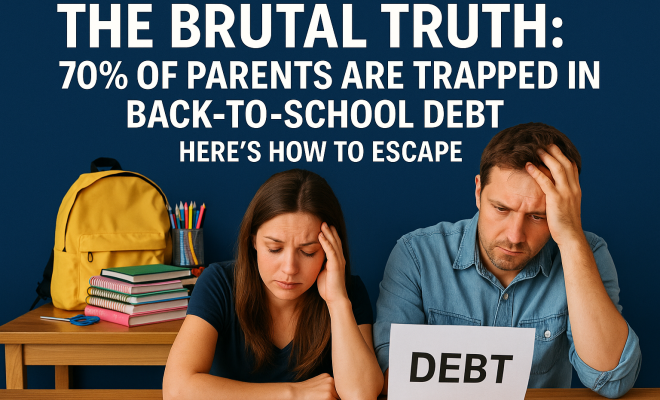
Ah, back-to-school season. For many of us, it conjures images of crisp new notebooks, shiny pencils, and the exciting buzz of a fresh start. But for a growing number of parents, myself included, it’s become less about excitement and more about a looming sense of dread. There’s a quiet crisis unfolding, one where the pressure to provide for our kids is pushing families deep into debt, creating what Beyond Finance, in a recent survey published August 5, 2026, has aptly dubbed the “Back-to-School Parent Trap.”
As an educator and a parent, I’ve seen firsthand how much parents want their children to succeed and feel included. This isn’t just about buying school supplies anymore; it’s about trying to keep up with the Joneses, or perhaps more accurately, trying to keep our kids from feeling left out. The survey paints a stark picture: a staggering 70% of parents feel compelled to match other families’ spending on school items. And what’s the cost of this perceived necessity? Nearly 40% expect to incur debt just to make ends meet. It’s a heartbreaking statistic that highlights the intense financial and emotional pressure weighing on parents today. We’re talking about real people, real families, making sacrifices that can have long-term financial consequences, all in the name of ensuring their child feels a sense of belonging. That’s why I want to share some practical back-to-school budgeting tips for parents, especially those struggling with debt, to help navigate this challenging time without falling further behind.
The emotional toll is just as profound. The survey found that 74% of parents feel like failures if they can’t afford everything their child desires. Think about that for a moment. Failing as a parent, simply because you can’t buy the ‘right’ brand of backpack or the latest gadget. It’s no wonder that 58% of parents find back-to-school shopping more stressful than the holidays! Dr. Erika Rasure, Chief Financial Wellness Advisor at Beyond Finance, hit the nail on the head when she noted that parents are trying to provide confidence and belonging, often at the expense of their financial future. This isn’t sustainable, and it certainly isn’t healthy for our families. We need to find ways to break free from this cycle, to equip our kids for success without sacrificing our financial stability. Let’s dig into some actionable strategies.
1. Create a Realistic Back-to-School Budget and Stick to It
The very first, most fundamental step in tackling any financial challenge is to know exactly what you’re up against. For back-to-school season, this means creating a detailed, line-by-line budget. Don’t just guesstimate; sit down with a pen and paper, or a spreadsheet, and list every single item your child will genuinely need. This includes the usual suspects like notebooks, pens, and binders, but also think about clothes, shoes, backpacks, lunchboxes, and any specific items required for classes like art supplies or calculators. What about extracurricular activity fees? Sports equipment? Transportation costs?
Once you have your comprehensive list, research the typical costs for each item. Check prices online, look at store flyers, and compare. This upfront work might seem tedious, but it’s invaluable. It gives you a clear picture of the total anticipated expense. Then, and this is crucial, compare that total to what you can realistically afford without dipping into savings or, worse, taking on new debt. If there’s a gap – and let’s be honest, for many parents, there will be – it’s time to make some tough but necessary decisions. This budget isn’t just a number; it’s your roadmap to avoiding the ‘parent trap’ and reducing financial stress. These back-to-school budgeting tips for parents are all about planning ahead.
Don’t be afraid to involve your children in this process, especially older ones. Explain the family’s financial situation in an age-appropriate way. This isn’t about shaming them or making them feel guilty; it’s about teaching them financial literacy and the value of a dollar. When they understand the constraints, they might be more willing to compromise on brand names or the latest trends. Maybe they’ll choose two essentials instead of one ‘cool’ item. This shared understanding can transform the budgeting process from a solitary burden into a collaborative family effort, fostering responsibility and empathy.
2. Take Stock and Reuse What You Can
Before you even think about hitting the stores, conduct a thorough inventory of what you already have. This simple step can save you a surprising amount of money. Go through last year’s backpack – are there still perfectly good pens, pencils, or erasers lurking at the bottom? What about that half-used notebook? Many school supplies, especially items like rulers, scissors, pencil cases, and even some binders, are perfectly reusable year after year if they’re still in good condition. Don’t fall into the trap of buying everything new just because it’s ‘back-to-school season.’
The same goes for clothing and shoes. Kids grow, of course, but often coats, sweaters, or even some pairs of pants can last more than one season, especially if they were bought a little big or if your child had a growth spurt early in the previous year. Check their closets. Do they still fit into last year’s gym shoes? Is their winter coat still in good shape? This isn’t about being stingy; it’s about being smart and resourceful. By maximizing what you already own, you significantly reduce your shopping list and, consequently, your overall expenses. This is one of the most effective back-to-school budgeting tips for parents that can be implemented immediately. (See: CDC on youth health behaviors.)
Even things like lunchboxes and water bottles can often be reused. Give them a good scrub, and they’re usually perfectly fine for another year. This mindful approach not only saves money but also teaches children about sustainability and reducing waste, which are valuable lessons in themselves. By taking stock, you’re not just budgeting; you’re cultivating a more conscious consumption habit within your family.
3. Prioritize Needs Over Wants (and Explain Why)
This is perhaps the toughest pill to swallow, both for parents and kids, especially given the survey’s finding that 70% of parents feel pressured to match others’ spending. The reality is, our children don’t need the designer backpack or the latest smartphone to get a good education. They need functional, reliable tools. A plain, sturdy backpack will carry books just as well as one with a popular character or brand name. Generic pens write just as effectively as expensive ones. The core principle here is to distinguish between what is essential for learning and what is a ‘want’ driven by peer pressure or advertising. For more context, see California Teachers' Stunning Win.
Have an open and honest conversation with your children about this distinction. Explain that while you understand they might want certain items, the family’s priority is to ensure they have all the necessary supplies for their studies and that financial responsibility is important. Frame it positively: “We’re going to make sure you have everything you need to do great in school, and we’ll look for the best value for those items.” This conversation can be challenging, particularly with teenagers, but it’s vital. When children understand the ‘why’ behind the choices, they’re often more accepting.
Sometimes, a compromise can be reached. Maybe they can choose one ‘want’ item that fits within a very strict budget, or perhaps they can earn money for it through chores. The goal isn’t to deprive them but to teach them financial boundaries and the value of delayed gratification. Remember, your primary role is to equip them for success, not to keep up with an ever-escalating standard set by others. These back-to-school budgeting tips for parents are about empowering you to make smart choices, not just easy ones.
4. Shop Smart: Sales, Discounts, and Secondhand Options
Once you know what you need, it’s time to become a savvy shopper. Don’t wait until the last minute, when prices are often at their peak and selection is limited. Start looking for sales early. Many stores begin their back-to-school promotions weeks, sometimes even months, before school actually starts. Keep an eye out for ‘loss leader’ items – those super cheap pencils or crayons designed to get you in the door. Stock up on these essentials when they’re at their lowest prices, even if it means buying a few extra for next year.
Beyond traditional retail, explore secondhand options. For clothing, especially for younger children who outgrow things quickly, consignment stores, thrift shops, and online marketplaces like Facebook Marketplace or local parent groups can be goldmines. You can often find gently used, high-quality clothes at a fraction of the original price. The same goes for sports equipment or musical instruments; these items can be incredibly expensive new, but often have a robust secondhand market.
Don’t forget about dollar stores or discount retailers for basic supplies like glue sticks, construction paper, or art supplies. While quality can vary, for many non-critical items, they offer significant savings. And always, always compare prices. Use apps or browser extensions that help you find the best deals across different retailers. Every dollar saved on a pencil case is a dollar that doesn’t contribute to debt. This comprehensive approach to shopping is one of the most effective back-to-school budgeting tips for parents.
5. Leverage Community Resources and Support Programs
It’s crucial to remember that you are not alone in this struggle. The fact that nearly 40% of parents expect to incur debt, with 15% resorting to personal or payday loans, speaks volumes about the widespread financial pressure. Many communities understand this challenge and have established programs to help families. Don’t let pride prevent you from exploring these resources; they exist precisely for situations like yours.
Check with your child’s school district first. Many schools offer assistance programs for families in need, providing free or low-cost school supplies, backpacks, or even vouchers for clothing. Local charities, non-profit organizations, and religious institutions often run back-to-school drives or supply giveaways. Organizations like the Salvation Army, United Way, or smaller, local community centers are excellent places to start. A quick search online for “back-to-school assistance [your city/county]” can yield a wealth of information.
Additionally, look into government assistance programs if you qualify. These might not be direct back-to-school programs but can free up funds in your overall budget. Remember, these programs are designed to support families and ensure all children have an equal opportunity to succeed. Utilizing them is a smart, responsible move, not a sign of failure. It’s about being resourceful and taking advantage of every available avenue to lighten your financial load. These back-to-school budgeting tips for parents are about leveraging all available options. (See: Associated Press news on family finances.)
6. Avoid High-Interest Debt at All Costs
This is perhaps the most critical piece of advice, especially given the alarming statistics from the Beyond Finance survey: 15% of parents resorting to personal or payday loans, and 8% admitting to gambling to cover costs. High-interest debt is a vicious cycle that can quickly spiral out of control, making an already stressful situation catastrophic. Payday loans, in particular, come with exorbitant interest rates that can trap you in a never-ending loop of payments, often making you pay back several times the original amount borrowed. For more context, see Unlocking California's Teacher Grant Bonanza.
Credit cards, while seemingly convenient, can also become problematic if balances aren’t paid off promptly. Carrying a balance month after month means you’re paying interest on those back-to-school purchases long after your child has outgrown the items. Before you even consider taking on new debt, exhaust all other options: revisit your budget, look for cheaper alternatives, and explore community resources. If you absolutely must borrow, look for low-interest options from reputable lenders, but only as a last resort and with a clear plan for repayment.
The emotional burden of debt is immense, contributing to the 74% of parents who feel like failures. Protecting your financial future, and by extension, your peace of mind, is paramount. Sometimes, saying “no” to a brand-name item now is a far better choice than saying “yes” and then struggling with debt for months or even years. Your long-term financial health is more important than any fleeting trend. These back-to-school budgeting tips for parents are a shield against financial hardship.
7. Teach Financial Literacy and Resilience to Your Kids
Here’s a perspective shift: instead of viewing back-to-school budgeting as a burden, see it as a powerful opportunity to teach your children invaluable life skills. The survey highlights that parents feel like failures if they can’t afford everything. But what if we redefined success? True success, in my book, isn’t about buying the most expensive items; it’s about raising financially literate, resilient, and grateful individuals. This is one of the most impactful back-to-school budgeting tips for parents, as it benefits both generations.
Involve your children in the budgeting process. Show them the numbers, explain trade-offs, and let them participate in making choices. If they want a more expensive item, discuss how they could contribute or earn money for it. This isn’t just about money; it’s about teaching them cause and effect, the value of hard work, and the importance of making wise financial decisions. These are lessons that will serve them far beyond the school year.
Teach them that true belonging and confidence come from within, not from external possessions. Explain that while it’s natural to want what others have, comparing ourselves to others’ spending habits can be a trap. Emphasize their unique strengths, talents, and the love and support they receive at home. By modeling responsible financial behavior and fostering these values, you’re giving them a far more valuable gift than any designer backpack could ever be. You’re giving them the tools for a secure future and the wisdom to avoid the very ‘parent trap’ that so many families are falling into.
8. Consider a ‘No New Clothes’ or ‘Minimal New Supplies’ Challenge
Sometimes, a drastic measure can be an incredibly effective way to reset habits and save money. If you’re really feeling the pinch, consider implementing a ‘no new clothes’ or ‘minimal new supplies’ challenge for the back-to-school season. This doesn’t mean your kids go without; it means you rely heavily on existing inventory, hand-me-downs, and the most essential replacements. For more context, see California's Education Budget Revolution. (See: New York Times on education and parenting.)
For clothes, this might involve a thorough closet clean-out to rediscover perfectly good items that have been forgotten or can be creatively styled in new ways. Look at swapping clothes with friends or family whose children are slightly older or younger. For supplies, it means truly only buying what is absolutely necessary and cannot be reused. This challenge forces a level of creativity and resourcefulness that can be surprisingly rewarding, and it teaches kids that they don’t always need the latest and greatest to be well-equipped. It’s an excellent way to implement back-to-school budgeting tips for parents under severe pressure.
Frame this as an exciting challenge for the family, perhaps with a reward if you meet your savings goal. It can be a powerful way to bond over a shared objective and prove to yourselves that you can be financially disciplined. The money saved could be put towards a family experience later in the year, reinforcing that experiences often hold more value than material possessions.
9. Plan for Future Back-to-School Expenses Year-Round
One of the biggest reasons back-to-school shopping feels so overwhelming is that it often comes as a large, unexpected lump sum. To combat this, one of the most strategic back-to-school budgeting tips for parents is to start saving for it throughout the year. As soon as one school year ends, or even earlier, begin setting aside a small amount each month specifically for the next year’s supplies and clothing.
Even putting away $20 or $30 a month into a dedicated savings account can accumulate to a significant amount by the time August rolls around. This way, you’re not scrambling to find hundreds of dollars all at once, which is often when high-interest debt becomes tempting. This proactive approach removes much of the stress and pressure, transforming back-to-school season from a financial crisis into a manageable expense.
Think of it like saving for Christmas or a vacation. By spreading the cost over 12 months, you soften the blow and maintain better control over your overall finances. This long-term planning is a hallmark of good financial health and helps to break the cycle of feeling trapped by seasonal expenses. It’s a game-changer for reducing stress and ensuring your children have what they need without jeopardizing your family’s financial stability.
The ‘Back-to-School Parent Trap’ is a very real, very painful reality for far too many families. The pressure to conform, the fear of our children feeling left out, and the emotional toll of perceived failure are immense. But it doesn’t have to define your family’s financial future. By implementing these back-to-school budgeting tips for parents, focusing on realistic planning, smart shopping, and open communication with your children, you can navigate this season with confidence and avoid the burden of unnecessary debt. Remember, your primary goal is to provide a solid foundation for your children’s education and well-being, and that includes their financial security in the long run. Let’s work together to redefine success, one smart financial decision at a time.
Trending Now
Frequently Asked Questions
What percentage of parents are in back-to-school debt?
According to a survey by Beyond Finance, 70% of parents report feeling compelled to spend on back-to-school items, leading nearly 40% to expect they will incur debt during this season.
Why do parents feel pressured to spend on back-to-school items?
Parents often feel the pressure to match the spending of other families to ensure their children feel included and successful, which can lead to significant financial strain and emotional stress.
How can parents budget for back-to-school expenses?
To effectively budget for back-to-school expenses, parents should prioritize essential items, create a spending plan, and explore discounts or second-hand options to avoid incurring debt.
What are the emotional effects of back-to-school spending on parents?
The emotional toll is significant; 74% of parents feel like failures if they can't afford desired items for their children, and many find back-to-school shopping more stressful than holiday shopping.
What steps can parents take to avoid back-to-school debt?
Parents can avoid back-to-school debt by setting a realistic budget, focusing on essential supplies, and seeking out sales or community resources to alleviate financial pressure.
Agree or disagree? Drop a comment and tell us what you think.