Goodness of Fit: Tailor Parenting to Your Child’s Temperament
“`html
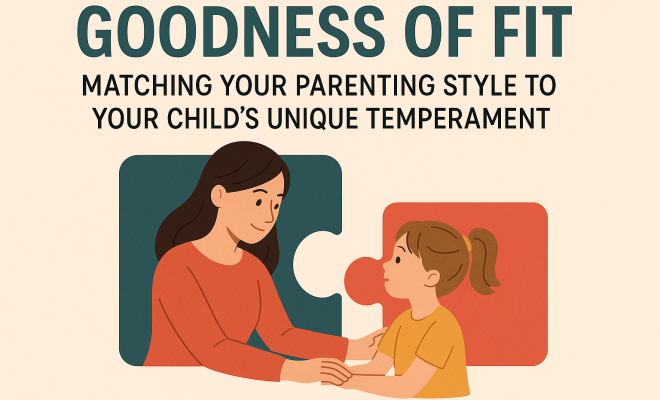
When it comes to parenting, one size certainly doesn’t fit all. Every child is unique, and understanding their temperament can be the key to fostering a supportive and nurturing environment. This idea, often referred to as the ‘goodness of fit,’ emphasizes the importance of aligning your parenting styles and child temperament for the best outcomes. But what does this really mean? Let’s dive deep into this topic to explore how you can enhance your parenting approach by recognizing and adapting to your child’s individual needs.
Understanding Child Temperament
Temperament refers to the innate traits that influence how a child thinks, behaves, and reacts to their environment. These traits are often apparent from a very young age and can significantly impact a child’s interactions with the world around them. Generally, psychologists categorize temperament into several dimensions, which include:
- Activity Level: This dimension gauges how active or calm a child is. High-energy children may be constantly on the move, while low-energy children tend to be more relaxed.
- Emotional Reactivity: Some children may respond to situations with intense emotions, while others display more subdued reactions.
- Adaptability: This dimension refers to how easily a child adjusts to new situations or changes in routine.
- Persistence: Persistent children will keep trying to achieve a goal despite obstacles, while others may give up more easily.
- Sensitivity: Sensitivity can refer to both emotional and sensory responses, determining how intensely a child reacts to stimuli.
Understanding these characteristics is crucial for parents. It allows them to tailor their parenting strategies to better fit the child’s temperament, ultimately leading to a more harmonious family dynamic.
Exploring Parenting Styles
Parenting styles can be broadly categorized into four distinct types: authoritative, authoritarian, permissive, and neglectful. Each style has its own approach to discipline, communication, and emotional support, and they can have profoundly different effects on child development:
- Authoritative: This style is characterized by warmth, responsiveness, and clear boundaries. Authoritative parents are supportive yet firm, promoting independence while also providing guidance.
- Authoritarian: Authoritarian parenting is rigid and demanding, emphasizing obedience and discipline over emotional support. This often leads to a less open line of communication between parents and children.
- Permissive: Permissive parents are lenient and indulgent, focusing on their child’s desires rather than enforcing rules. While this can foster a sense of freedom, it may lead to issues with authority and responsibility.
- Neglectful: Neglectful parenting is characterized by a lack of responsiveness to a child’s needs. This can result in emotional and developmental challenges for the child.
Recognizing your parenting style is the first step in understanding how it interacts with your child’s temperament. Different combinations can yield vastly different outcomes in child development.
The Goodness of Fit Concept
The ‘goodness of fit’ concept emerges from the interaction between parenting styles and child temperament. It posits that for a child to thrive, their temperament needs to align with their parents’ approach. For instance, a highly active child may struggle under an authoritarian style that emphasizes strict rules and limited physical activity. Conversely, a child with a more passive temperament might benefit from an authoritative style that encourages exploration without overwhelming them.
This alignment isn’t just about finding a compatible parenting style; it also means adapting your approach as your child grows and their temperament evolves. As children develop, they may exhibit different traits, which can require a shift in your parenting strategy to maintain that goodness of fit.
Real-Life Examples of Goodness of Fit
To illustrate how goodness of fit works in practice, let’s consider a few real-life scenarios:
1. The Energetic Child
Imagine you have a child who is constantly on the move, eager to explore and engage with the world. If your parenting style leans toward authoritarian—emphasizing strict rules and limited freedom—this could create tension. Instead, adopting an authoritative style that encourages physical activity and exploration while setting clear boundaries can help fulfill their need for movement and your need for structure.
2. The Sensitive Child
Now, consider a sensitive child who easily gets overwhelmed by loud noises and chaotic environments. If your parenting style is permissive, allowing for too much stimulation without boundaries, it might lead to anxiety or distress for the child. A more authoritative approach, providing a safe space while gently introducing new experiences, can create a more balanced environment. (See: CDC on child temperament and parenting.)
3. The Easygoing Child
On the other hand, suppose you have an easygoing child who rarely throws tantrums and adapts well to change. A neglectful parenting style might not have immediate negative effects, but over time, the child might feel unsupported or unchallenged. An authoritative style that encourages independence while providing guidance can help nurture their potential.
Assessing Your Child’s Temperament
Understanding your child’s temperament is essential to applying the goodness of fit concept effectively. Consider using tools like temperament questionnaires, observational assessments, or even feedback from teachers and caregivers to gain insights into your child’s personality. Make a note of their reactions in various situations, how they cope with change, and their social interactions. This understanding will empower you to adjust your parenting style accordingly.
Adjusting Parenting Styles for Optimal Fit
Once you have a clearer picture of your child’s temperament, the next step involves taking a hard look at your own parenting style. Do you lean more toward authoritarian, or are you more permissive? Recognizing your tendencies can help you make necessary adjustments. Here are some actionable steps:
- Communicate Openly: Foster open dialogue with your child about their feelings and experiences. This can help you gauge whether your parenting style is resonating positively with them.
- Be Flexible: Flexibility is key. If your child is struggling, be willing to adapt your approach and try different strategies to find what works best.
- Set Boundaries, but Allow Freedom: Striking a balance between flexibility and structure can help create a safe yet explorative environment for your child.
- Encourage Independence: Allow your child opportunities to make decisions and learn from their choices. This is especially important for children with strong personalities.
By making small adjustments in your parenting style, you can better cater to your child’s unique temperament, ultimately leading to enhanced emotional and psychological development.
The Role of Culture in Parenting Styles and Child Temperament
Culture plays a significant role in shaping both parenting styles and child temperament. Different cultures have varying expectations for behavior, emotional expression, and parenting techniques. Understanding these cultural influences can help parents find a better fit between their approach and their child’s innate characteristics.
For instance, some cultures may value strict discipline and conformity, while others might encourage independence and self-expression. As a parent, it’s essential to consider how cultural values interact with your child’s temperament. This understanding can lead to a richer, more nuanced approach to parenting that respects both your child’s individuality and cultural background.
Benefits of Achieving Goodness of Fit
When parents successfully match their parenting styles with their child’s temperament, the benefits are manifold:
- Improved Emotional Well-Being: Children who feel understood and supported are more likely to exhibit emotional resilience and stability.
- Better Social Skills: A child who is nurtured appropriately is more likely to develop strong interpersonal skills, enhancing their relationships with peers.
- Higher Academic Achievement: When children are raised in an environment that respects their temperament, they often perform better academically.
- Stronger Parent-Child Relationships: Tailoring your parenting style to suit your child’s needs can foster a deeper bond and greater trust.
These benefits highlight why it’s essential to put effort into understanding the interplay between parenting styles and child temperament.
Current Relevance and Future Directions
In today’s world, where parenting resources abound, understanding the goodness of fit between parenting styles and child temperament is more relevant than ever. Families are navigating the complexities of modern life, facing challenges such as technology use, changing educational landscapes, and the pressures of societal expectations.
As research continues to shed light on the intricate relationship between parenting and child development, it becomes crucial for parents to stay informed. Engaging with parenting groups, attending workshops, and reading literature on child development can help parents cultivate an adaptable approach to their child’s unique needs.
The concept of goodness of fit encourages ongoing learning and adaptation. No parent is perfect, and no child fits into a predetermined box. By embracing a willingness to learn and adapt, you set the stage for a nurturing environment that can significantly enhance your child’s development. (See: Adolescent development and temperament.)
Frequently Asked Questions
What is the ‘goodness of fit’ in parenting?
The ‘goodness of fit’ concept is a parenting philosophy that emphasizes the alignment between parenting styles and a child’s temperament. It suggests that for a child to thrive, their innate traits should harmonize with how parents choose to parent. This approach helps optimize a child’s emotional and behavioral development.
How can I determine my child’s temperament?
To assess your child’s temperament, observe their behaviors and reactions in various situations. You can also use temperament questionnaires available in parenting books or online. Feedback from teachers or caregivers can provide additional insights into how your child interacts in different environments.
Can parenting styles change over time?
Yes, parenting styles can and often should evolve as children grow and their needs change. A style that works well for a toddler may not be suitable for a teenager. It’s crucial for parents to remain flexible and willing to adjust their approach in response to their child’s developmental stages and temperament shifts.
Are there specific parenting styles that work better for certain temperaments?
Yes, certain parenting styles tend to be more effective with specific temperaments. For example, an energetic child might thrive under an authoritative style that provides structure and encouragement for exploration. On the other hand, a sensitive child may benefit more from a nurturing, supportive environment that challenges but does not overwhelm them.
How can I balance my parenting style with my partner’s style?
It’s vital to communicate openly with your partner about your parenting philosophies and strategies. Discuss your child’s temperament and how each of your styles can complement or conflict with one another. Finding a middle ground that respects both partners’ beliefs while considering the child’s needs can lead to a more cohesive parenting approach.
What if I feel my parenting style is not working?
If you feel your parenting style isn’t resonating with your child, it’s important to take a step back and evaluate your approach. Open communication with your child can provide insights into what may not be working. Additionally, seeking advice from parenting resources, counselors, or support groups can help you explore alternative strategies that may better suit your child’s temperament.
How do parenting styles affect children’s behavior and personality development?
Parenting styles can significantly influence a child’s behavior and personality development. For example, children raised in authoritative households often display high self-esteem, better social skills, and academic success. On the other hand, children from authoritarian backgrounds may struggle with anxiety, lower self-esteem, and rebellion against strict norms. Recognizing the effects of your parenting style can guide you toward more effective strategies that align with your child’s inherent temperament.
What can I do if my child’s temperament clashes with my parenting style?
If you find that your child’s temperament clashes with your parenting style, it’s essential to reevaluate your approach. Consider seeking advice from professionals, such as child psychologists or family therapists, who can offer tailored strategies. Additionally, being open to feedback from your child can help you understand their needs better and facilitate a more productive parenting approach.
Strategies for Different Parenting Styles and Temperament Combinations
Understanding the combination of your parenting style and your child’s temperament can lead to more effective parenting strategies. Here are some tailored approaches based on specific combinations:
1. Authoritative Parenting with an Energetic Child
With an energetic child, maintaining structure while allowing for physical activity is key. Create a routine that includes regular exercise and exploratory play. Encourage your child to channel their energy into constructive activities, such as sports or dance, while reinforcing boundaries that ensure safety.
2. Authoritarian Parenting with a Sensitive Child
If you’re practicing an authoritarian style and have a sensitive child, it’s crucial to soften your approach. Implement rules but ensure they are accompanied by emotional support. Help your child navigate their feelings and provide a space for them to express themselves without fear of punishment.
3. Permissive Parenting with a Persistent Child
A persistent child may benefit from more structure. While being permissive, set clear expectations and encourage your child to work toward their goals. Help them understand the importance of following through on commitments while allowing them the freedom to explore their interests.
4. Neglectful Parenting with an Easygoing Child
For an easygoing child, it’s important to engage more actively in their life. Even if they seem self-sufficient, neglectful parenting can lead to feelings of unimportance. Show interest in their activities, offer guidance, and ensure they have the support they need to thrive.
The Importance of Self-Care for Parents
As you navigate the complexities of aligning your parenting style with your child’s temperament, don’t forget the importance of self-care. Parenting can be demanding, and taking care of your own emotional and physical well-being is crucial for modeling healthy behaviors and maintaining a nurturing environment for your child.
Prioritize time for yourself, whether that means engaging in hobbies, exercising, or simply taking a moment to breathe. When you’re at your best, you’re better equipped to respond to your child’s needs and adapt your parenting style as required.
Conclusion: Embrace the Journey of Parenting
Parenting is as much a journey of self-discovery as it is about nurturing your child’s growth. By understanding the importance of matching your parenting styles and child temperament, you can create a supportive and enriching environment for your child. It’s not just about sticking to one method; it’s about finding what works best for your unique family dynamic. So, keep your heart open, your mind flexible, and your approach adaptive. The rewards of achieving goodness of fit can lead to a lifetime of positive outcomes for both you and your child.
“`
Trending Now
Frequently Asked Questions
What is the goodness of fit in parenting?
The goodness of fit in parenting refers to the alignment between a parent's parenting style and a child's unique temperament. Understanding this concept helps parents tailor their approaches to meet their child's individual needs, fostering a supportive environment that promotes optimal development and emotional well-being.
How can I understand my child's temperament?
To understand your child's temperament, observe their behaviors and reactions in various situations. Key dimensions include activity level, emotional reactivity, adaptability, persistence, and sensitivity. Recognizing these traits helps you adapt your parenting style to better support your child's individual personality.
What are the different parenting styles?
The four primary parenting styles are authoritative, authoritarian, permissive, and neglectful. Each style has distinct characteristics and impacts a child's development differently. Understanding these styles can help you identify your approach and how it aligns with your child's temperament for more effective parenting.
Why is aligning parenting style with temperament important?
Aligning your parenting style with your child's temperament is crucial because it leads to a more harmonious family dynamic. When parents adapt their strategies to fit their child's unique traits, it enhances communication, reduces conflicts, and fosters emotional security, ultimately supporting the child's overall development.
How can I adapt my parenting style to my child's needs?
To adapt your parenting style to your child's needs, first identify their temperament traits, such as activity level and emotional reactivity. Use this understanding to modify your approach, whether by providing more structure for a sensitive child or encouraging independence for a persistent one, ensuring a better fit.
What’s your take on this? Share your thoughts in the comments below — we read every one.