The Connection Between Self-Esteem and Academic Performance
“`html
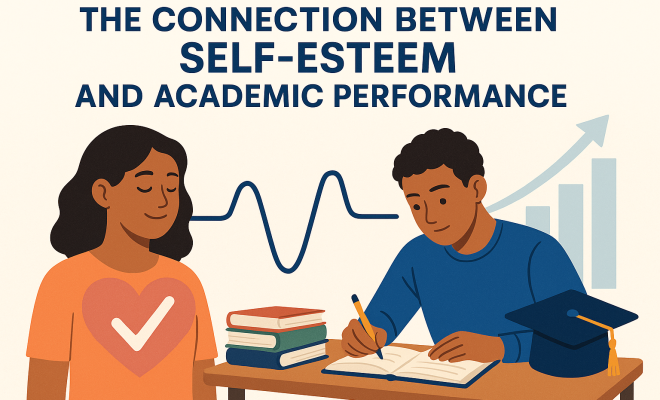
When students step into the classroom, they bring with them more than just textbooks and supplies; they carry their self-perceptions, their beliefs about their worth, and their overall self-esteem. The connection between self-esteem and academic performance is profound, influencing not just grades but also motivation, engagement, and the overall educational experience. Understanding this relationship can be crucial for educators, parents, and students alike.
The Basics of Self-Esteem
Self-esteem refers to the subjective evaluation of one’s own worth. It’s shaped by a variety of factors, including personal experiences, social interactions, and external validation. According to psychologist Nathaniel Branden, self-esteem is composed of two key components: self-efficacy, or the belief in one’s ability to succeed, and self-respect, or the acceptance of oneself as deserving of happiness and success. When students possess healthy self-esteem, they tend to approach challenges with confidence rather than dread.
How Self-Esteem Impacts Learning
Research consistently shows that self-esteem plays a significant role in academic performance. Students with high self-esteem are more likely to engage actively in their learning, take risks in their studies, and persevere through challenges. One study published in the journal Educational Psychology found a strong correlation between self-esteem levels and academic success among students. Those who believed in their abilities performed better academically than their peers with lower self-esteem.
Conversely, low self-esteem can lead to a fear of failure, which may hinder a student’s willingness to participate in class or tackle challenging assignments. This avoidance can create a feedback loop: poor performance leads to lower self-esteem, which in turn leads to even poorer performance. Understanding and addressing this cycle is critical for educators seeking to promote a healthy learning environment.
Factors Influencing Self-Esteem in Students
Several factors can shape a student’s self-esteem, including:
- Family Background: A supportive family environment can bolster self-esteem, while criticism and neglect can have the opposite effect.
- Peer Relationships: Positive friendships can enhance self-worth, whereas bullying or social exclusion can damage it.
- Academic Experiences: Successes and failures in school can play a significant role in shaping a student’s self-image.
- Teacher Interaction: Encouragement from teachers can foster a sense of competence, while negative feedback can damage self-esteem.
Recognizing these influences can help educators and parents create a more nurturing environment for students. For instance, understanding the impact of peer relationships can lead to initiatives aimed at building a more inclusive school culture.
The Role of Academic Achievement in Building Self-Esteem
It’s a common observation that academic achievements can boost self-esteem. When students earn good grades, receive praise, or achieve personal academic goals, they often feel a surge of self-worth. However, the relationship between self-esteem and academic performance isn’t purely one-directional. Higher academic performance can enhance self-esteem, but increased self-esteem can also lead to better academic outcomes.
In a longitudinal study conducted over several years, researchers found that students with higher self-esteem were more likely to set challenging goals and commit to achieving them. This proactive approach led to a cycle of improvement, where better grades further enhanced their self-esteem. It highlights the importance of fostering both self-esteem and academic competence as they can mutually reinforce each other.
Strategies to Enhance Self-Esteem in Educational Settings
Given the pivotal role of self-esteem in academic performance, it’s essential to implement strategies that can help boost self-esteem among students:
- Encouraging Positive Self-Talk: Teach students the importance of positive affirmations. Reminding them to replace negative thoughts with constructive ones can foster a healthier self-image.
- Setting Achievable Goals: Help students set realistic goals that are challenging yet attainable. Achieving these goals can provide a significant boost to their self-esteem.
- Providing Constructive Feedback: Focus on growth and effort rather than just results. Highlighting the learning process can motivate students and reinforce their self-worth.
- Creating a Supportive Classroom Environment: Foster a culture of respect and encouragement where students can express themselves without fear of judgment.
Implementing these strategies can help build a foundation of self-esteem that supports academic achievement.
Understanding the Impacts of Low Self-Esteem
Low self-esteem among students can manifest in various ways, leading to detrimental effects on their academic performance. Students who struggle with self-worth may exhibit signs of: (See: self-esteem and academic performance study.)
- Low motivation and disengagement from schoolwork.
- Avoidance of challenging tasks, leading to missed learning opportunities.
- Increased anxiety or stress related to performance.
- Behavioral issues, including disruptive conduct or withdrawal.
Addressing low self-esteem early on is vital to help students overcome barriers to learning. Early intervention programs that focus on building self-esteem can lead to improved academic outcomes and overall well-being.
Current Relevance: Self-Esteem in the Age of Technology
In today’s digital age, self-esteem issues have taken on new dimensions. Social media platforms can exacerbate feelings of inadequacy among students, as they often compare themselves to idealized representations of others. A survey conducted by the Pew Research Center indicated that 54% of teenagers experience anxiety related to social media, which can negatively impact their self-esteem.
Educational institutions are beginning to recognize this challenge. Many are implementing programs designed to promote digital literacy and emotional well-being. These initiatives help students navigate the complexities of social media while fostering a positive self-image. Schools are also encouraging mindfulness practices to mitigate anxiety and promote resilience in the face of societal pressures.
Expert Perspectives on Self-Esteem and Academic Performance
Educational psychologists emphasize the significance of addressing self-esteem within the academic framework. Dr. Carol Dweck, a leading researcher in the field of psychology, advocates for a growth mindset—a belief that abilities can be developed through dedication and hard work. This perspective is essential in shaping self-esteem, as it encourages students to view challenges as opportunities rather than threats.
Dr. Dweck’s research indicates that students who believe in the ability to grow and improve are more likely to take risks and embrace challenges, leading to enhanced academic performance. Educators can play a crucial role in instilling this belief, thus fostering a healthier relationship with self-esteem and academic success.
Long-Term Effects of Self-Esteem on Future Success
It’s important to consider how self-esteem impacts not only academic performance during school years but also future success in life. Studies indicate that individuals with higher self-esteem tend to have better job prospects, higher salaries, and greater career satisfaction. The link between self-esteem and long-term outcomes provides a compelling reason for educators and parents to prioritize self-esteem development in students.
A research project conducted by the University of California found that children with high self-esteem were more likely to pursue higher education and to display resilience in the face of career setbacks. This suggests that cultivating self-esteem in educational settings not only aids in immediate academic performance but also equips students with the tools they need for future challenges in the workforce.
Cross-Cultural Perspectives on Self-Esteem and Academic Performance
Self-esteem does not manifest the same way across different cultures. For instance, some cultures may emphasize collectivism, which can affect how self-esteem is viewed and developed. In collectivist societies, success and self-worth may be more closely tied to group achievements rather than individual accomplishments. Conversely, in individualistic cultures, personal achievements are often celebrated, which can lead to higher self-esteem in academic contexts.
A study published in the Journal of Cross-Cultural Psychology compared self-esteem levels among students in various countries. The findings revealed that students from cultures that prioritize group harmony tended to have lower self-esteem when facing academic challenges, as failure could be seen as a negative reflection on the group. Understanding these cultural differences is essential for educators to develop appropriate strategies that resonate with students from diverse backgrounds.
Building Self-Esteem Through Extracurricular Activities
Extracurricular activities can play a vital role in enhancing self-esteem among students. Participation in sports, clubs, and arts can provide students with opportunities to discover their strengths and interests outside of the traditional academic setting. Success in these areas can translate into improved self-esteem, which then positively impacts academic performance.
A study by the National Federation of State High School Associations highlighted that students involved in extracurricular activities have a 20% higher likelihood of reporting high self-esteem compared to their peers who do not participate. These activities create a sense of belonging and foster skills that contribute to academic success, such as teamwork, leadership, and time management.
Practical Tips for Parents to Boost Self-Esteem
Parents play a critical role in shaping their children’s self-esteem. Here are some practical tips to help boost self-esteem at home:
- Encourage Open Communication: Create a safe space where children feel comfortable expressing their thoughts and feelings. Listen actively and validate their emotions.
- Celebrate Efforts, Not Just Outcomes: Recognize the hard work and effort your child puts into their studies, even if the results aren’t perfect. This cultivates a growth mindset.
- Model Healthy Self-Esteem: Be a role model by demonstrating positive self-talk and self-acceptance. Children often emulate their parents’ behaviors and attitudes.
- Promote Independence: Allow children to make choices and solve problems on their own, which can foster a sense of competence and control over their lives.
By actively engaging in these practices, parents can play an integral part in nurturing their child’s self-esteem, ultimately supporting their academic journey.
FAQ: Understanding Self-Esteem and Academic Performance
What is self-esteem?
Self-esteem is the subjective evaluation of one’s worth and abilities. It encompasses how individuals view themselves, their confidence levels, and their overall sense of self-respect.
How does self-esteem affect academic performance?
High self-esteem can lead to increased motivation, engagement, and resilience in students, positively influencing their academic performance. Conversely, low self-esteem can result in fear of failure and disengagement from learning.
Can low self-esteem be improved?
Yes, low self-esteem can be improved through various strategies, including positive reinforcement, setting achievable goals, and providing constructive feedback. Interventions and support from educators and parents can significantly aid in this process.
What role do teachers play in building student self-esteem?
Teachers are crucial in fostering a positive classroom environment that encourages student participation and growth. By providing consistent feedback, recognizing accomplishments, and promoting a growth mindset, teachers can help enhance students’ self-esteem.
Are there specific programs focused on improving self-esteem in schools?
Yes, many schools implement programs that focus on social-emotional learning (SEL), which addresses self-esteem along with other important life skills. These programs often include activities that promote self-awareness, self-regulation, and social skills.
Building Self-Esteem through Resilience Training
Resilience training is another effective method to enhance self-esteem among students. This approach teaches students how to cope with setbacks and challenges, which is crucial in academic environments. Research from the American Psychological Association indicates that students who undergo resilience training demonstrate improved academic performance and better self-esteem.
Resilience training often includes techniques such as problem-solving skills, stress management, and emotional regulation. By equipping students with these tools, educators can help them develop a more robust sense of self-worth, empowering them to navigate academic and personal challenges with confidence.
The Link Between Self-Esteem and Mental Health
There’s an undeniable connection between self-esteem and mental health. Students with low self-esteem may experience higher levels of anxiety, depression, and stress. According to the World Health Organization, mental health issues can significantly hinder academic performance and overall well-being. Therefore, addressing self-esteem is not just about improving grades; it’s also about fostering healthy mental states.
Research has shown that interventions aimed at improving self-esteem can lead to reductions in symptoms of anxiety and depression. Schools that incorporate mental health awareness and self-esteem-building activities create a more supportive environment that benefits both emotional and academic outcomes.
The Role of Parental Involvement in Building Self-Esteem
Parental involvement is a crucial factor in shaping a child’s self-esteem. Studies show that children whose parents actively participate in their education tend to have higher self-esteem. This involvement can take many forms, such as attending school events, helping with homework, or simply engaging in regular conversations about school and social life.
Moreover, parents can reinforce positive self-esteem by showing interest in their children’s academic progress, celebrating their achievements, and providing emotional support during challenging times. Creating a balance where children feel supported yet independent allows them to develop a healthy self-image.
Real-Life Examples of Self-Esteem Interventions
Several schools have successfully implemented programs specifically designed to boost self-esteem and, consequently, academic performance. For instance, a public high school in Los Angeles introduced a mentorship program where older students guide younger ones. The program focuses on building relationships and fostering a sense of belonging, which has led to increased self-esteem among participants.
Another successful initiative comes from a school in Chicago that integrates art therapy into its curriculum. Students engage in artistic projects that allow them to express their emotions and build confidence. Feedback from this program indicates that students involved not only improved in their creative skills but also reported higher self-esteem and better academic performance.
Future Trends in Self-Esteem Research
The ongoing exploration of self-esteem and academic performance continues to evolve. Emerging research is focusing on the impact of neurodiversity on self-esteem, recognizing that students with learning disabilities or different cognitive styles may experience unique challenges in developing self-worth.
Additionally, the influence of technology on self-esteem is a growing area of interest. Researchers are looking into how digital tools and online learning environments can be designed to promote self-esteem and engagement, especially in students who may struggle in traditional classroom settings.
Conclusion: Building a Brighter Future Through Self-Esteem
The intricate connection between self-esteem and academic performance holds valuable insights for educators, parents, and students alike. Investing time and resources into nurturing students’ self-worth can lead to a ripple effect, impacting their academic achievements and overall life satisfaction. By implementing targeted strategies and fostering supportive environments, we can help students develop the resilience and confidence necessary for success in the classroom and beyond. As we move forward, let’s prioritize self-esteem as a fundamental component of educational success, ensuring that every student has the tools to thrive.
“`
Trending Now
- How to Differentiate Instruction Without Relying on Learning Styles
- Why Developmentally Appropriate Practice Matters for Long-Term Success
- Bloom’s Taxonomy in Elementary School: Age-Appropriate Applications
- this guide on socratic seminar vs. traditional discussion: key differences
- Bloom’s Taxonomy Question Stems for Every…
Frequently Asked Questions
How does self-esteem affect academic performance?
Self-esteem significantly influences academic performance by affecting motivation, engagement, and resilience in students. Those with high self-esteem are more likely to participate actively in learning, take risks, and persevere through challenges, leading to better academic outcomes.
What are the signs of low self-esteem in students?
Signs of low self-esteem in students may include avoidance of challenges, fear of failure, reluctance to participate in class, and a negative self-image. These behaviors can result in a cycle of poor performance and further decreased self-esteem.
Can improving self-esteem boost academic success?
Yes, improving self-esteem can boost academic success. By fostering a positive self-image and belief in one's abilities, students are more likely to engage in their studies, take on challenges, and ultimately achieve higher grades.
What role do educators play in building students' self-esteem?
Educators play a crucial role in building students' self-esteem by creating a supportive learning environment, providing constructive feedback, and encouraging risk-taking in their studies. This helps students develop confidence and a positive self-perception.
What factors influence a student's self-esteem?
A student's self-esteem is influenced by various factors, including personal experiences, social interactions, family support, and external validation. Positive reinforcement and encouragement from peers and educators can significantly enhance self-esteem.
Agree or disagree? Drop a comment and tell us what you think.