Emotional Regulation Activities for Elementary School Classrooms
“`html
In today’s educational landscape, the focus on emotional well-being is growing stronger. Recognizing that children’s emotional health is crucial for their learning and social development, educators are increasingly incorporating emotional regulation activities into their classrooms. These activities help students identify, understand, and manage their emotions, ultimately creating a more conducive learning environment.
Understanding Emotional Regulation
Before diving into specific activities, it’s essential to grasp what emotional regulation entails. Emotional regulation refers to the processes by which individuals control their emotional experiences and expressions. For elementary school students, this involves recognizing their feelings, understanding what triggers them, and learning how to respond appropriately in different situations.
Children often experience intense emotions, and without the skills to manage these feelings, they may react in ways that disrupt their learning or that of their peers. Educators can play a pivotal role in teaching these skills, making emotional regulation an integral part of the curriculum.
The Importance of Emotional Regulation in Schools
Why is emotional regulation so vital in the classroom? First, children with strong emotional regulation skills tend to perform better academically. According to a study published in the journal School Psychology International, students who can effectively manage their emotions are more engaged in learning and less likely to exhibit disruptive behaviors.
Moreover, emotional regulation contributes to social-emotional learning (SEL), which focuses on developing the skills necessary for understanding oneself and managing relationships with others. In the long run, these skills prepare students for challenges in both their personal lives and future careers.
Key Emotional Regulation Activities for Elementary Classrooms
Now that we understand the importance of emotional regulation, let’s explore effective activities that can be implemented in elementary school classrooms.
1. Emotion Check-Ins
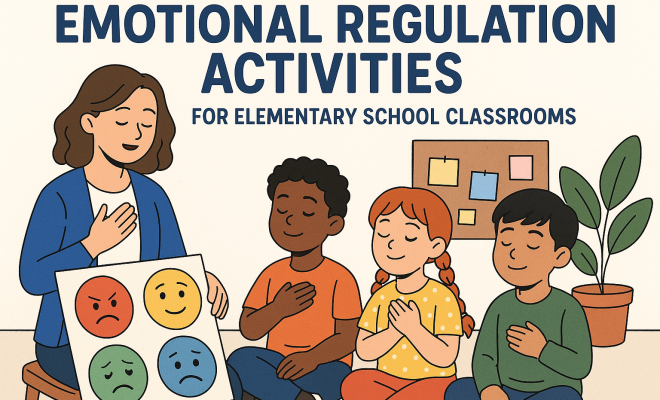
Start each day or class period with a brief emotion check-in. Have students express how they’re feeling using a simple system, such as a color-coded chart or emoji faces. For instance, green might indicate happiness, yellow for anxiety, and red for anger. This activity fosters a sense of community and allows students to recognize their emotions without judgment.
2. Calm-Down Corners
Designate a space in the classroom known as the “calm-down corner.” This area should be equipped with calming tools like stress balls, coloring sheets, or noise-canceling headphones. When students feel overwhelmed, they can take time in this space to regroup and practice self-soothing techniques. This not only helps them manage their emotions but also teaches them the importance of self-care.
3. Guided Imagery
Guided imagery is a relaxation technique that uses visualization to calm the mind. Educators can lead students through short sessions where they imagine a peaceful scene, such as a beach or forest. This practice not only reduces anxiety but enhances focus, making it an excellent start or transition during lessons.
4. Role-Playing Scenarios
Role-playing can be a fun and interactive way to discuss emotions. Create scenarios that might trigger various feelings, such as losing a game or having a disagreement with a friend. Students can take turns acting out these scenarios, discussing their feelings, and exploring possible responses to manage those emotions effectively. This activity promotes empathy and enhances social skills.
5. Journaling
Encouraging students to keep an emotional journal can be a powerful tool for self-reflection. Provide prompts that guide them to express their feelings about daily events, what makes them happy, or how they handle frustration. Regular journaling helps students articulate their emotions and develop a deeper understanding of themselves.
Integrating Emotional Regulation Activities into the Curriculum
Incorporating emotional regulation activities into the school day doesn’t have to be complicated. Here are some strategies for seamless integration:
1. Cross-Curricular Connections
Link emotional regulation activities with other subjects. For example, while teaching a lesson on storytelling in language arts, discuss the emotions of characters. Ask students to identify how the characters might feel and why. This not only reinforces reading comprehension but also enhances emotional intelligence. (See: Emotional health and learning.)
2. Daily Routines
Make emotional regulation a part of the daily routine. Incorporate a few minutes each morning or after lunch for activities like breathing exercises or mindfulness practices. Consistency helps students internalize these strategies, making them more likely to employ them independently when challenges arise.
3. Collaborative Projects
Use group work to foster emotional regulation. Assign projects that require teamwork, promoting discussions around roles, responsibilities, and emotions related to group dynamics. Encourage students to express their feelings when faced with challenges within the group, facilitating problem-solving and emotional expression.
Benefits of Teaching Emotional Regulation
The benefits of implementing emotional regulation activities are far-reaching, positively impacting students’ academic performance, social interactions, and overall well-being.
1. Enhanced Academic Performance
Students who can regulate their emotions are better equipped to focus and engage in lessons. Research shows that when students feel emotionally secure, they are more likely to participate actively in class, leading to improved learning outcomes. Schools that have integrated SEL programs often report higher test scores and better attendance.
2. Improved Social Interactions
Emotional regulation fosters better relationships among students. When children understand their emotions and can express them appropriately, they are less likely to engage in conflicts. This enhancement of interpersonal skills promotes a positive classroom culture, reducing instances of bullying and increasing collaboration.
3. Long-Term Life Skills
By teaching students how to manage their emotions effectively, educators equip them with lifelong skills. As adults, these individuals will face various emotional challenges, whether in personal relationships or workplace settings. The strategies learned in elementary school can lay a strong foundation for healthy emotional management throughout life.
Addressing Challenges in Implementation
While the benefits of emotional regulation activities are clear, implementing them in the classroom can come with challenges. It’s essential to address these potential obstacles proactively.
1. Time Constraints
One common challenge is finding time in the curriculum to incorporate these activities. To overcome this, educators can integrate emotional regulation into existing lessons or transitions. Short, 5-10 minute activities can easily fit into schedules without disrupting academic goals.
2. Resistance from Students
Some students may initially resist emotional regulation activities, viewing them as unnecessary or uninteresting. Educators can combat this by explaining the benefits clearly and making activities engaging. Using games, art, and technology can help capture students’ interest and make emotional learning enjoyable.
3. Lack of Training
Educators may feel ill-equipped to teach emotional regulation skills if they haven’t received proper training. Providing professional development opportunities focused on SEL and emotional regulation can empower teachers to feel confident in their ability to facilitate these activities effectively.
Engaging Families in Emotional Regulation
Involving families in emotional regulation efforts can reinforce the skills learned at school. Here are some ways to engage families:
1. Family Workshops
Hosting workshops that teach parents about emotional regulation strategies can create a supportive home environment. Parents can learn activities to do with their children, reinforcing the skills practiced in school and encouraging consistent emotional management at home.
2. Communication Tools
Sending home resources, such as newsletters or websites, can help parents understand the importance of emotional regulation. Providing tips and activities to practice at home can strengthen the home-school connection and ensure that emotional learning extends beyond the classroom.
3. Open Dialogue
Encouraging an open dialogue about emotions between teachers and families can foster a supportive community around emotional well-being. Regular check-ins with parents about their child’s emotional progress can help them feel included and invested in their child’s emotional education.
Current Relevance and Future Directions
As we navigate a world that increasingly acknowledges the importance of mental health, the relevance of emotional regulation activities in elementary education cannot be overstated. The COVID-19 pandemic highlighted the need for emotional support in schools, as many students faced unprecedented levels of anxiety and disruption.
Moving forward, schools are likely to continue prioritizing emotional health as part of a holistic educational approach. Educators will play a crucial role in shaping emotionally resilient individuals who can thrive in a complex and often challenging world. (See: Managing children's emotions.)
Final Thoughts
Incorporating emotional regulation activities into elementary classrooms brings numerous benefits, setting the stage for healthier emotional development and improved academic performance. By fostering an environment where students feel safe to express and manage their emotions, we prepare them not just for academic success but for life beyond the classroom. As we continue to understand and embrace the importance of emotional well-being, the future of education looks more promising for both students and educators alike.
Exploring Different Types of Emotional Regulation Activities
Emotional regulation activities can vary widely in their approach and effectiveness, catering to different learning styles and ages. Let’s dive into various types of activities that educators can utilize in the classroom to enhance emotional skills.
1. Mindfulness Activities
Mindfulness practices, such as meditation and focusing on the present moment, help students develop self-awareness and emotional clarity. Simple practices such as deep breathing exercises or mindful walking can promote relaxation and emotional grounding. For instance, during a busy school day, taking just five minutes to sit quietly and breathe deeply can refresh students’ minds and help them manage stress effectively.
2. Storytelling and Literature
Using books and stories to discuss emotions can be a powerful tool. Teachers can select age-appropriate literature that features characters experiencing various emotions. Discussion questions can be posed to help students connect personally with the characters, asking them how they might feel in similar situations or what they would do differently. This not only fosters empathy but also helps students practice articulating their own feelings.
3. Visual Art Activities
Creative expression through art can serve as an excellent emotional regulation activity. Allowing students to draw, paint, or create collages depicting their emotions can provide a healthy outlet for expression. Art can facilitate conversations about feelings and can be particularly effective for students who may struggle with verbalizing their emotions. Art therapy techniques, even in simple classroom settings, can effectively unlock students’ emotional responses.
4. Games and Interactive Activities
Interactive games geared towards emotional intelligence can be both fun and informative. Games like ‘Feelings Charades,’ where students act out different emotions without words, can help them recognize and understand emotional expressions in themselves and others. This playful learning environment encourages students to explore emotions in a safe and supportive setting.
5. Physical Movement
Physical activity can directly impact emotional well-being. Integrating movement breaks throughout the day, such as dancing, stretching, or yoga, can help students release pent-up energy and improve their mood. For example, a quick dance party for a couple of minutes can lift spirits and refocus attention. Schools could consider implementing programs that encourage regular physical activity as part of their emotional regulation curriculum.
Statistics on Emotional Regulation and Academic Success
The connection between emotional regulation activities and academic success is backed by research. According to a report by the Collaborative for Academic, Social, and Emotional Learning (CASEL), schools that integrate SEL programming see significant improvements in multiple areas:
- Improved academic performance by 11 percentile points, according to an analysis of 213 studies.
- Reduction in conduct problems by 25%, indicating fewer behavioral issues among students who engage in SEL.
- Increased positive attitudes towards school and learning, with students reporting higher levels of engagement and motivation.
These statistics highlight the importance of emotional regulation not just as an isolated activity, but as a crucial element of comprehensive educational success.
Expert Perspectives on Emotional Regulation in Schools
Insights from experts underline the value of emotional regulation activities. Dr. Linda Darling-Hammond, a prominent education researcher, emphasizes that integrating emotional learning into the school curriculum is essential for fostering a supportive learning environment. She states, “Students learn best when they feel safe and emotionally supported. Emotional regulation gives them tools to navigate their feelings, which directly impacts their capacity to learn.”
Another expert, Dr. Daniel Goleman, author of “Emotional Intelligence,” stresses the connection between emotional skills and academic success. “Emotions influence our ability to learn and interact with others. Educators who prioritize emotional regulation are not just teaching students to manage feelings; they’re essentially providing them with the foundation for lifelong success.”
Frequently Asked Questions about Emotional Regulation Activities
1. What age group can benefit from emotional regulation activities?
Emotional regulation activities can be beneficial for children of all ages, starting as early as preschool. Tailoring activities to be age-appropriate ensures that the emotional development skills taught are relevant and relatable to the students.
2. How can teachers assess the emotional regulation skills of their students?
Teachers can employ various assessment methods, such as observation during interactions, checklists, and self-reporting tools where students can express their feelings or reflect on their emotional responses. Regular discussions and check-ins can also help gauge students’ emotional understanding.
3. Can emotional regulation activities be done at home?
Absolutely! Many emotional regulation activities can be adapted for home use. Parents can encourage emotional check-ins, journaling, or mindfulness practices during family time, reinforcing what students learn in school.
4. How can emotional regulation activities help with bullying?
Teaching emotional regulation can help students develop empathy and recognize their own emotions and those of others, reducing instances of bullying. When students learn to express their feelings appropriately and understand the impact of their actions, they are more likely to foster a supportive and inclusive environment.
5. What resources are available for teachers to implement emotional regulation activities?
Numerous resources are available, including books focused on emotional intelligence, online SEL programs, and teacher training workshops. Websites like CASEL provide guidelines for implementing SEL effectively in classrooms. Teachers can also collaborate with school psychologists or counselors for additional support and resources.
Additional Emotional Regulation Strategies for Teachers
In addition to the activities already discussed, teachers can utilize several strategies to further reinforce emotional regulation within the classroom.
1. Teacher Modeling
Teachers can model emotional regulation by sharing their own feelings and how they cope with them. For example, if a teacher feels overwhelmed, they might express this to the class and explain how they take a moment to breathe or step outside for fresh air. This demonstrates that it’s normal to experience a range of emotions and that managing them is a valuable skill.
2. The Feelings Wheel
Introduce students to the feelings wheel, a visual tool that helps them identify and articulate their emotions more effectively. It categorizes feelings and can be a useful reference for students who struggle to express what they’re experiencing. Teachers can encourage students to use it during discussions or as part of a journaling prompt.
3. Peer Support Systems
Creating a buddy system or peer support groups allows students to share their feelings with one another. By relying on their peers for emotional support, students can feel less isolated in their struggles. This promotes a sense of community and belonging, essential components of emotional health.
4. Technology Integration
Utilizing apps and online platforms that focus on mindfulness and emotional regulation can enhance students’ engagement. Many programs offer interactive activities, guided meditation, and resources tailored to children’s needs. Incorporating technology in a balanced way can provide additional support for emotional learning.
Conclusion
Integrating emotional regulation activities into elementary classrooms is not just an educational trend; it’s a necessity. As we consider the broader implications of emotional well-being on academic and social success, it’s clear that these activities can profoundly impact students’ lives. By equipping children with the skills to understand and regulate their emotions, we’re setting them up for future success in every aspect of life. The journey toward emotional intelligence begins in the classroom, and as educators, we have the incredible opportunity to guide our students every step of the way.
“`
Trending Now
- our breakdown of how to differentiate instruction without relying on learning styles
- this guide on why developmentally appropriate practice matters for long-term success
- our breakdown of bloom’s taxonomy in elementary school: age-appropriate applications
- Socratic Seminar vs. Traditional Discussion: Key…
- Bloom’s Taxonomy Question Stems for Every Level
Frequently Asked Questions
What are emotional regulation activities for children?
Emotional regulation activities for children are exercises designed to help students recognize, understand, and manage their emotions. These activities can include mindfulness practices, role-playing scenarios, or art activities that encourage self-expression and emotional awareness.
Why is emotional regulation important in schools?
Emotional regulation is crucial in schools because it helps students manage their emotions, leading to better academic performance and reduced disruptive behaviors. It also fosters social-emotional learning, preparing students for personal and professional challenges.
How can teachers promote emotional regulation in the classroom?
Teachers can promote emotional regulation by incorporating activities that teach students to identify their feelings, understand triggers, and respond appropriately. This can be achieved through structured lessons, open discussions about emotions, and engaging activities that encourage self-reflection.
What are some examples of emotional regulation strategies for kids?
Examples of emotional regulation strategies for kids include deep breathing exercises, journaling feelings, using feeling charts, and practicing positive self-talk. These techniques help children develop skills to manage their emotions effectively.
How does emotional regulation affect academic performance?
Emotional regulation positively affects academic performance by enabling students to stay focused, engage in learning, and interact well with peers. Students who manage their emotions effectively are less likely to exhibit disruptive behaviors, leading to a better learning environment.
Agree or disagree? Drop a comment and tell us what you think.