How Executive Function Affects Emotional Regulation in Children
“`html
Understanding Executive Function
Executive function is a set of cognitive processes that are essential for controlling thoughts, emotions, and actions. It encompasses skills such as working memory, cognitive flexibility, and inhibitory control. These skills enable children to plan, focus attention, remember instructions, and juggle multiple tasks successfully. But why is executive function so crucial for emotional regulation in children?
The Link Between Executive Function and Emotional Regulation
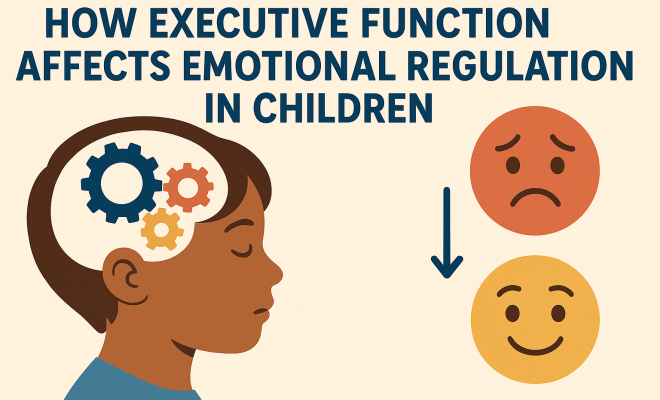
Emotional regulation refers to the ability to manage and respond to emotional experiences in a healthy way. Children who exhibit strong emotional regulation can express their feelings appropriately, handle stress, and cope with challenges. The interplay between executive function and emotional regulation is profound; children with well-developed executive function skills are better equipped to navigate their emotional experiences.
For instance, when a child feels angry or frustrated, their executive function skills help them pause and reflect before reacting impulsively. Without these skills, a child may struggle to manage their emotions, leading to outbursts or withdrawal. This connection is foundational for developing resilience and emotional intelligence.
The Role of Working Memory
Working memory, a key component of executive function, plays a vital role in emotional regulation. It allows children to hold onto information temporarily and use it to guide their actions. Imagine a child who must remember the steps to calm themselves down when they become upset. If their working memory is strong, they can recall those strategies and implement them effectively.
Research indicates that children with better working memory tend to have more advanced emotional regulation skills. They can reflect on past experiences, assess the current situation, and utilize coping strategies. This capacity is particularly important in stressful or novel environments, such as during a school presentation or a competitive sports event.
The Importance of Inhibitory Control
Inhibitory control refers to the ability to suppress impulsive responses. This skill is crucial for emotional regulation, as it enables children to pause and think before they act on their feelings. For example, if a child is teased at school, a strong inhibitory control allows them to refrain from lashing out in anger.
Studies have shown that children who struggle with inhibitory control often exhibit more significant emotional dysregulation. They may react impulsively to minor frustrations, leading to conflicts with peers and authority figures. By developing inhibitory control, children learn to weigh their emotional responses and choose their actions wisely, fostering healthier interactions and emotional stability.
Cognitive Flexibility and Emotional Adaptability
Cognitive flexibility, another vital aspect of executive function, is the ability to adapt thinking and behavior in response to changing circumstances. This skill is essential for emotional regulation, as it helps children shift their perspectives and cope with disappointment or change.
For instance, when a child faces unexpected challenges, such as a change in plans or an unsatisfactory outcome, cognitive flexibility allows them to adjust their expectations and find alternate solutions. Children who struggle with rigidity in their thinking may find it challenging to accept changes, leading to increased frustration and emotional turmoil.
Practical Insights for Parents and Educators
Understanding the connection between executive function and emotional regulation can significantly impact how parents and educators support children. Here are some practical insights:
- Encourage Problem-Solving Skills: Offer opportunities for children to learn problem-solving techniques. Engaging in activities like puzzles, games, or collaborative tasks can enhance their cognitive flexibility and working memory.
- Model Emotional Regulation: Children learn by observing adults. When parents demonstrate healthy emotional regulation strategies, children are more likely to adopt those behaviors themselves.
- Teach Coping Strategies: Equip children with specific coping strategies to manage strong emotions. Techniques like deep breathing, counting to ten, or visualizing a calming place can be beneficial.
- Provide Structure and Routine: Consistent routines help children feel secure and can improve their executive function skills. Predictability allows them to plan and anticipate, reducing anxiety and enhancing emotional regulation.
- Encourage Mindfulness Practices: Mindfulness can enhance emotional regulation by promoting self-awareness and reducing impulsivity. Simple mindfulness exercises, such as focused breathing, can be integrated into daily routines.
Current Relevance and Research
The relevance of understanding executive function and emotional regulation in children has gained increased attention in recent years. Educational systems and mental health professionals are recognizing the importance of integrating these concepts into curricula and therapeutic practices. (See: CDC on executive function and children.)
Current research is exploring how executive function training programs can enhance emotional regulation skills. These programs focus on improving working memory, inhibitory control, and cognitive flexibility through targeted exercises. Early findings suggest that such interventions can lead to significant improvements in children’s emotional responses and overall well-being.
Challenges and Considerations
While the connection between executive function and emotional regulation is clear, there are challenges to consider. Each child is unique, and variations in development can affect their executive function skills. Factors such as genetics, environment, and previous experiences can play a role in how these skills manifest.
Additionally, children with specific learning disabilities, ADHD, or emotional disorders may face heightened challenges in developing executive function and emotional regulation. Tailored approaches that consider individual differences and needs are essential for effective support.
Building a Supportive Environment
Creating a nurturing and supportive environment for children is crucial in fostering both executive function and emotional regulation. Teachers, parents, and caregivers can work collaboratively to create spaces where children feel safe to express their emotions while also learning to manage them.
Encouraging open dialogue about emotions can normalize discussions about feelings, helping children articulate their experiences and understand that it’s okay to feel upset or angry. By fostering a climate of emotional safety, children may be more willing to explore their feelings and learn effective regulation strategies.
Exploring Executive Function Across Developmental Stages
Understanding how executive function develops across various stages of childhood can provide insights into how best to support emotional regulation. Research indicates that executive function skills typically emerge during early childhood and continue to evolve through adolescence. In preschool years, children begin developing basic self-control and working memory skills. Interventions during this time can have lasting effects.
As children transition to elementary school, they encounter more complex social dynamics and academic demands. This is when the role of cognitive flexibility becomes crucial. Children need to adapt to new social situations and respond to peer interactions in a way that fosters positive relationships. For instance, a child might need to navigate friendships where they are required to compromise or adjust their behavior based on varying social cues.
High school marks a pivotal period where executive functions are put to the test with increased responsibilities. The ability to prioritize tasks, manage time effectively, and handle academic stress becomes essential. In this stage, emotional regulation is intertwined with self-esteem and identity formation. For example, teens often experience overwhelming emotions related to peer pressure and academic performance, making strong executive function skills even more critical.
Statistics on Executive Function and Emotional Regulation
Understanding the impact of executive function on emotional regulation is backed by various statistics. For instance, a study conducted by the American Psychological Association revealed that children with robust executive function skills are 30% more likely to exhibit healthy emotional responses in challenging situations compared to their peers with weaker executive function. Additionally, research published in the Journal of Abnormal Child Psychology found that nearly 40% of children diagnosed with ADHD face significant challenges in emotional regulation, linking it directly to their executive function deficits.
Another revealing statistic comes from a longitudinal study by the National Institute of Health, which tracked children’s emotional regulation from preschool through adolescence. The findings indicated that those who received early interventions focused on enhancing their executive function had a 50% reduction in emotional dysregulation occurrences over time compared to those who did not receive such support.
Expert Perspectives on Supporting Executive Function
Experts in child psychology emphasize the importance of focusing on executive function skills as a pathway to better emotional regulation. Dr. Adele Diamond, a leading researcher in this field, asserts that “developing executive function is not merely about improving cognitive skills; it’s about enabling children to become more competent in navigating their emotional worlds.” Dr. Diamond suggests engaging children in activities that challenge their cognitive skills while also addressing their emotional needs.
Another expert, Dr. Stephanie Carlson, highlights the role of play in enhancing executive function. She explains that “playful learning allows children to practice self-regulation and cognitive flexibility in a safe environment.” By integrating play into educational settings, children can naturally develop their executive function skills, which can translate into improved emotional regulation.
Common Myths About Executive Function and Emotional Regulation
While understanding the link between executive function and emotional regulation is crucial, there are several myths that can cloud perceptions and hinder effective strategies: (See: NIH resources on executive function.)
- Myth 1: Executive function is solely an innate ability: Many believe that executive function skills are fixed and cannot be improved. In reality, these skills can be developed through targeted interventions and practice.
- Myth 2: Emotional regulation is solely about controlling emotions: Some people think that emotional regulation means suppressing feelings. However, it’s about understanding, expressing, and managing emotions effectively.
- Myth 3: Only older children need executive function skills: There is a misconception that executive function is only important in adolescence. In fact, developing these skills early on can lead to significant long-term benefits.
FAQs About Executive Function and Emotional Regulation
What are the main components of executive function?
The main components of executive function include working memory, inhibitory control, and cognitive flexibility. These skills work together to help children manage their thoughts, emotions, and actions effectively.
How can I improve my child’s executive function skills?
You can improve your child’s executive function skills by engaging them in activities that require problem-solving, promoting mindfulness practices, establishing routines, and modeling healthy emotional responses.
What are some signs of weak executive function in children?
Signs of weak executive function may include difficulty following instructions, trouble managing emotions, impulsive behavior, and challenges in organizing tasks and responsibilities.
Can executive function training be effective for all children?
While executive function training can benefit many children, its effectiveness may vary based on individual needs, including any underlying conditions such as ADHD or learning disabilities. Tailored approaches are often the most successful.
How does emotional regulation impact academic performance?
Children who can regulate their emotions tend to perform better academically. They are more likely to stay focused, participate in class, and handle the pressures of school more effectively.
Strategies for Enhancing Executive Function Skills
Building executive function skills in children doesn’t have to be complicated. Here are some actionable strategies that parents and educators can implement:
- Games and Activities: Engage children in games that require strategic thinking and memory, such as chess, card games, or memory games. These activities can improve working memory and cognitive flexibility.
- Physical Activity: Regular physical exercise has been shown to enhance executive function skills. Activities like team sports, dance, or even simple outdoor play can improve focus and self-control.
- Social Interaction: Encourage playdates and group activities. Interacting with peers helps children practice emotional regulation and develop their inhibitory control in social settings.
- Goal Setting: Teach children how to set achievable goals and break tasks into smaller steps. This can bolster their planning skills and enhance their ability to focus on long-term objectives.
- Routine and Consistency: Create a consistent daily routine that includes time for homework, chores, and leisure activities. This structure helps children feel secure and manage their time effectively.
The Impact of Technology on Executive Function
In today’s digital age, technology can both positively and negatively influence children’s executive function skills. While educational games and apps designed to develop cognitive skills can be beneficial, excessive screen time can lead to difficulties in attention and emotional regulation.
Research shows that children who spend too much time on screens may struggle with impulsivity and emotional regulation. The instant gratification associated with digital devices can hinder a child’s ability to exercise patience and self-control. It’s important for parents to monitor screen time and encourage activities that promote active engagement and face-to-face social interactions.
Long-Term Benefits of Strong Executive Function
The benefits of developing strong executive function skills extend far beyond childhood. Children who cultivate these abilities are more likely to experience success in various areas, including:
- Academic Success: Students with better executive function skills tend to achieve higher grades and perform better on standardized tests due to their ability to focus, plan, and manage their time effectively.
- Career Readiness: As individuals transition into adulthood, strong executive function skills become critical in the workplace. Skills like problem-solving, adaptability, and emotional regulation are highly valued by employers.
- Healthy Relationships: Adults with strong emotional regulation skills are more likely to maintain positive relationships. They can navigate conflicts and communicate effectively, leading to healthier interpersonal dynamics.
- Mental Health Resilience: Research has shown that individuals with strong executive function skills are less likely to experience anxiety and depression. They have better coping mechanisms to manage stressors throughout their lives.
Integrating Executive Function Training in Schools
Schools play a critical role in fostering executive function skills among children. Integrating specific training programs focused on developing these abilities into the curriculum can enhance students’ emotional regulation.
One approach is the implementation of social-emotional learning (SEL) programs that teach children how to recognize and manage their emotions while also developing their executive function skills. Evidence shows that schools utilizing SEL frameworks see improvements in students’ ability to handle stress, which positively impacts their overall academic performance.
Additionally, training teachers to incorporate executive function strategies into their daily lessons can create a supportive learning environment. Teachers can model emotional regulation techniques and provide opportunities for students to practice these skills in real-life situations.
Statistics on Technology and Executive Function
Recent studies highlight the complex relationship between technology use and executive function. A 2022 study from the Journal of Abnormal Child Psychology found that children who spent more than two hours on screens daily were 25% more likely to exhibit signs of executive function deficits. Meanwhile, a survey by the Pew Research Center suggested that educational apps can improve working memory by up to 15% when used in moderation. Finding balance is key.
Expert Recommendations for Parents
Experts recommend that parents take an active role in their children’s technology use. Dr. David Walsh, a prominent psychologist, suggests setting boundaries around screen time and encouraging families to engage in shared activities that promote executive function development. He says, “The key is not to eliminate technology altogether but to find a healthy balance.”
Furthermore, experts suggest that parents engage in conversations about emotional experiences with their children, helping them to articulate their feelings and develop better emotional regulation skills.
Important Takeaways for Caregivers and Educators
Ultimately, supporting children’s executive function and emotional regulation requires a multifaceted approach. Here are some key takeaways:
- Be Proactive: Early intervention is crucial. Introducing strategies that promote executive function as early as preschool can have lasting effects.
- Work Collaboratively: Parents, teachers, and caregivers should communicate regularly to ensure that children receive consistent messaging and support across different environments.
- Celebrate Progress: Acknowledge and celebrate children’s efforts and achievements in developing executive function skills. Recognition can motivate them to continue improving.
- Stay Informed: Keep abreast of the latest research and strategies related to executive function and emotional regulation. Understanding new findings can help refine approaches to support children effectively.
Final Thoughts: Cultivating Future Generations
As society becomes more aware of the significance of executive function in emotional regulation, we have an opportunity to empower the next generation. The skills children acquire in managing their emotions and thoughts will not only impact their immediate interactions but will also shape their long-term mental health and resilience.
By prioritizing the development of executive function skills and emotional regulation strategies, we can equip children for success in a complex and often challenging world. The investments made in nurturing these abilities today will undoubtedly pay dividends in the future, creating emotionally intelligent, adaptive, and resilient individuals.
“`
Trending Now
Frequently Asked Questions
What is executive function in children?
Executive function refers to a set of cognitive processes that help children control their thoughts, emotions, and actions. Key skills include working memory, cognitive flexibility, and inhibitory control, which are essential for planning, focusing attention, and managing multiple tasks effectively.
How does executive function relate to emotional regulation?
Executive function is crucial for emotional regulation as it helps children manage and respond to their emotions appropriately. Strong executive function skills allow children to pause and reflect before reacting to emotional experiences, which can prevent impulsive outbursts and promote resilience.
What role does working memory play in emotional regulation?
Working memory is a key component of executive function that enables children to hold and manipulate information temporarily. This skill is essential for recalling strategies to self-soothe during emotional distress, allowing them to implement effective coping mechanisms in challenging situations.
Why is emotional regulation important for children?
Emotional regulation is vital for children as it helps them express feelings appropriately, handle stress, and cope with challenges. Developing strong emotional regulation skills contributes to overall emotional intelligence and resilience, enabling children to navigate their experiences more effectively.
How can parents help improve their child's executive function?
Parents can support the development of their child's executive function by engaging them in activities that require planning, problem-solving, and memory use. Encouraging routines, providing clear instructions, and practicing mindfulness techniques can also enhance these cognitive skills, leading to better emotional regulation.
Agree or disagree? Drop a comment and tell us what you think.