High School Transcript: Components & Importance for 2024
“`html
In the journey through high school, students accumulate a wealth of academic experiences and achievements. This journey is encapsulated in a crucial document: the high school transcript. Understanding the high school transcript components is essential for students, parents, and educators alike, as this document plays a vital role in college admissions, scholarship considerations, and future career opportunities.
What is a High School Transcript?
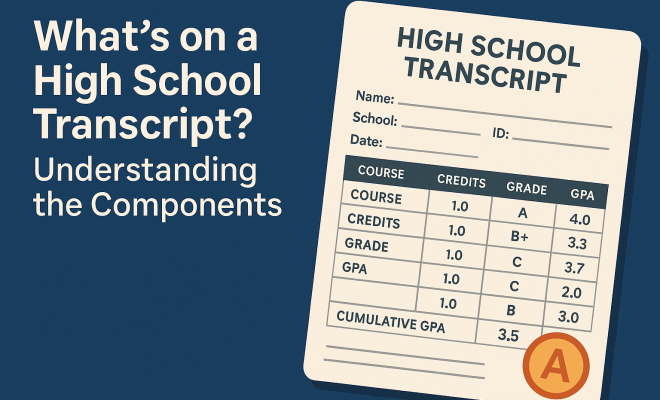
A high school transcript is an official record of a student’s academic history. It serves as a summary of all the courses a student has taken during their high school years, along with their respective grades and credits earned. Transcripts also typically include standardized test scores, GPA (Grade Point Average), and sometimes behavioral records or attendance. Essentially, it’s a snapshot of a student’s academic life, and understanding its components is key to leveraging it effectively.
Core Components of a High School Transcript
When examining a high school transcript, several components stand out. Each section contributes to a comprehensive view of a student’s academic progress and achievements. Here’s what you can typically expect:
- Personal Information: This includes the student’s name, date of birth, and student ID number. Some transcripts may also include the school’s name and address.
- Course History: A detailed list of courses taken throughout high school, often organized by year, semesters, or terms. This section outlines the subject matter, levels (such as honors or AP courses), and other pertinent details.
- Grades: This section reflects the grades earned in each course. Grades can be presented in letter format (A, B, C, etc.) or as numerical scores, depending on the school’s grading system.
- Credits Earned: Each course typically has a credit value, and this portion shows the total credits earned towards graduation requirements.
- Grade Point Average (GPA): A critical metric, the GPA is often calculated on a 4.0 scale. This average reflects a student’s overall academic performance and is crucial for college admissions.
- Standardized Test Scores: Many transcripts include scores from tests such as the SAT, ACT, or state assessments, which are significant for college admissions.
- Graduation Status: Transcripts will indicate whether a student has graduated or is still in progress towards completing their high school education.
- Extracurricular Activities: Some transcripts also list extracurricular activities, clubs, or sports, showcasing a student’s involvement outside of academics.
- Attendance Records: While not always included, some transcripts may mention attendance patterns, which can provide insight into a student’s commitment and reliability.
The Importance of Course History
The course history section of a high school transcript is one of its most critical components. Admissions committees at colleges and universities meticulously review this section to assess the rigor of a student’s coursework. For example, a student who has pursued advanced placement (AP) or International Baccalaureate (IB) courses signals a willingness to embrace challenging material.
Colleges look for a well-rounded course load that includes core subjects such as mathematics, science, language arts, and social studies. Additionally, a balanced distribution of electives — such as foreign languages, arts, or vocational courses — can enhance a student’s transcript, showcasing diverse interests and capabilities.
Understanding Grades and GPA
Grades provide insight into how well a student has performed in their coursework. Each grade contributes to the cumulative GPA, which is a critical factor in college admissions. A high GPA is often associated with strong academic performance; however, admissions officers also consider the context of the GPA, such as the difficulty of the courses taken.
For example, a student with a GPA of 3.5 in honors classes may be viewed more favorably than a student with a GPA of 4.0 in standard classes. This is why it’s crucial to not only aim for high grades but to challenge oneself academically. Colleges appreciate students who push their boundaries and strive for excellence.
The Role of Standardized Test Scores
Standardized test scores, often included in high school transcripts, provide another layer of assessment for colleges. While opinions on the fairness and effectiveness of these tests vary, they remain a common metric used in admissions decisions. High scores on the SAT or ACT can strengthen a college application, signaling academic preparedness.
It’s important for students to prepare adequately for these tests, as they can significantly influence admissions outcomes. Many high schools offer resources, tutoring, and practice tests to help students achieve their best scores.
Graduation and Beyond: What Does Your Transcript Say?
Ultimately, a high school transcript is not just a record of academic achievements; it serves as a reflection of a student’s overall dedication and personal growth. Colleges view transcripts as part of a larger narrative about a student’s high school experience. This narrative includes not just grades and courses, but also how students have engaged with their education, their perseverance through challenges, and their ability to balance various commitments. (See: Understanding high school transcripts.)
For students considering their next steps post-graduation, understanding how to craft a strong transcript is crucial. Each component plays a role in shaping perceptions and opportunities. Students should proactively seek out ways to bolster their transcripts, whether through advanced coursework, extracurricular activities, or community service.
Practical Tips for Students
With a clear understanding of high school transcript components, students can take actionable steps to enhance their academic records. Here are some practical strategies:
- Choose Courses Wisely: Select a mix of challenging courses while maintaining a manageable workload. Striking the right balance can help maintain a strong GPA.
- Engage in Extracurricular Activities: Participate in clubs, sports, or volunteer work. These experiences not only enrich your transcript but also develop skills and interests.
- Prepare for Standardized Tests: Use available resources to prepare for tests, and consider retaking them if initial scores do not reflect your abilities.
- Seek Help When Needed: Don’t hesitate to ask for academic support from teachers or tutors. Taking initiative can demonstrate commitment to improvement.
- Regularly Review Your Transcript: Keep track of your academic progress and ensure all information is accurate. Address any discrepancies with school administration promptly.
Current Relevance: The Changing Landscape of College Admissions
In recent years, the college admissions landscape has been changing. With some institutions becoming test-optional, the emphasis on high school transcript components has only intensified. Colleges are looking for well-rounded applicants who demonstrate not just academic success but also personal character and leadership qualities.
This shift means that students must take a more holistic approach to building their high school experiences. Maintaining a strong GPA and taking challenging courses remain important, but the story told through involvement in community service or leadership roles can be equally vital. Students should be aware of this evolving dynamic and adjust their strategies accordingly.
Understanding Your Rights: Access to Transcripts
Students and parents should also be aware of their rights regarding high school transcripts. Under the Family Educational Rights and Privacy Act (FERPA), students have the right to access their educational records, including transcripts. This law protects the confidentiality of student records and grants students the ability to review and request corrections if necessary.
If there are inaccuracies or discrepancies in a transcript, students should reach out to their school’s administration. Ensuring that all components of the transcript accurately reflect academic performance is crucial for future opportunities.
The Future of High School Transcripts
As we move forward, the high school transcript may continue to evolve. With the rise of technology, digital transcripts are becoming more common, allowing for easier access and sharing. Additionally, some schools are starting to incorporate skills and competencies into transcripts, moving beyond traditional grades.
Students should stay informed about these changes and consider how they can adapt to and benefit from them. Being proactive about your education will not only enhance your transcript but also prepare you for whatever comes next in your academic and career journey.
High School Transcript Components: A Closer Look
Understanding the details of each component of a high school transcript can give students and parents insight into how best to prepare for college admissions. Here’s a deeper breakdown of key components:
Personal Information
The personal information section, albeit simple, is crucial. It serves as the unique identifier for students. Accuracy in this section is vital, as any discrepancies can cause complications in the admissions process. Students should ensure that their name is listed correctly, reflecting any legal name changes to avoid issues during college applications.
Course History: Importance of Course Selection
A student’s course history not only reflects their academic journey but also conveys their educational priorities. For instance, a student interested in engineering should ideally have a strong background in mathematics and sciences. Admissions committees look for these trends to assess whether a student is pursuing their interests seriously.
Statistics show that students who take a rigorous course load (including honors, AP, or IB courses) generally have a higher likelihood of success in college. According to the College Board, students who take AP courses are more likely to complete a college degree than those who do not.
Grades and GPA: The Weight of Performance
Grades are a direct representation of a student’s work ethic, understanding of the material, and resilience in overcoming challenges. It’s helpful to understand that not all grading systems are created equal. For example, some schools may use weighted GPAs, which give extra points for honors or AP courses.
The competition is fierce, and colleges often implement a holistic review of applications. A student’s GPA is just one part of the equation. Essays, recommendations, and interviews also play significant roles. Therefore, students should focus not only on grades but also on developing their personal stories and articulating their experiences effectively.
The Influence of Standardized Tests
Although some colleges have adopted test-optional policies, standardized test scores can still play a significant role in the admissions process for many institutions. Understanding how these scores fit into the broader context of a transcript is vital. A high SAT or ACT score can sometimes compensate for a lower GPA or less rigorous course load.
Statistics show that students who prepare for standardized tests often score significantly higher than their peers who do not utilize available resources. For instance, students with access to test prep courses can see score increases averaging 100 points on the SAT.
Extracurricular Activities and Their Impact
Extracurricular activities showcase a student’s commitments outside of academics. Colleges appreciate applicants who demonstrate leadership, teamwork, and dedication. Participation in clubs, sports, or community service not only enriches a student’s transcript but also provides talking points for college essays and interviews.
Data from the National Association for College Admission Counseling suggests that around 80% of colleges consider extracurricular involvement as a significant factor in the admissions process. This indicates a clear advantage for students who actively engage outside of the classroom.
Frequently Asked Questions (FAQ)
What happens if there’s an error on my transcript?
If you notice any errors on your transcript, it’s important to address them immediately. Contact your school’s administration or guidance counselor to discuss the discrepancy. They can guide you through the process of correcting the error.
Can I see my transcript before it’s sent to colleges?
Yes, you can request a copy of your transcript from your school. It’s a good practice to review it for accuracy before it is submitted to any colleges. This way, you can ensure that everything is correct and up-to-date.
How do colleges use my transcript during the admissions process?
Colleges use your transcript to assess your academic readiness for college-level work. They evaluate your GPA, course rigor, and overall performance throughout high school to make decisions regarding admissions. Your transcript provides a comprehensive picture of your academic journey.
Are there different types of transcripts?
Yes, there are typically two types of transcripts: official and unofficial. An official transcript is usually sent directly from the school to the college or organization and is usually sealed. An unofficial transcript can be printed by the student or accessed online and is often used for personal reference or practice.
How important are senior year grades?
Senior year grades are crucial and can impact your college admission decisions, especially if you are applying early. Maintaining strong performance in your final year can demonstrate consistency and commitment to your studies.
Do all colleges require transcripts?
Most colleges will require transcripts as part of the admission process. However, some alternative pathways, such as certain vocational programs or institutions with less traditional admissions criteria, may not require them. It’s essential to check the specific requirements of each college you’re considering.
What should I do if I want to improve my GPA?
If you’re looking to improve your GPA, focus on your current classes and consider retaking courses in which you earned lower grades if your school allows it. Also, prioritize time management and study skills to help you stay on top of assignments and exams. Seeking help from teachers or tutors can also provide the support you need to succeed.
How can I effectively showcase my extracurricular activities in my college applications?
When highlighting extracurricular activities, focus on quality over quantity. Choose a few activities that truly reflect your interests and achievements. Describe your role, the impact you made, and any leadership positions you held. This concise narrative will help admissions committees understand your commitments and contributions beyond academics.
Final Thoughts on High School Transcripts
Understanding the high school transcript components is more than just knowing what’s on the page. It’s about utilizing this critical document to create opportunities for your future and navigating the educational landscape with confidence. As students embark on their academic journeys, they should keep in mind that each element of their transcript tells a part of their unique story. By being proactive and engaged in their education, students can ensure their transcripts reflect their best selves.
“`
Trending Now
Frequently Asked Questions
What is included in a high school transcript?
A high school transcript includes personal information, a course history detailing the subjects and levels taken, grades earned in each course, credits earned towards graduation, and the Grade Point Average (GPA). Some transcripts may also feature standardized test scores and attendance records.
How do colleges use high school transcripts?
Colleges use high school transcripts to assess a student's academic performance and readiness for higher education. They review the courses taken, grades received, GPA, and overall academic rigor to determine admission eligibility and scholarship opportunities.
Why is a high school transcript important?
A high school transcript is important as it provides a comprehensive record of a student's academic achievements and progress. It plays a crucial role in college admissions, scholarship applications, and can impact future career opportunities.
What does GPA stand for on a high school transcript?
GPA stands for Grade Point Average, which is a critical metric on a high school transcript. It represents the average of a student's grades on a standardized scale, typically on a 4.0 scale, and reflects their overall academic performance.
Can high school transcripts include behavioral records?
Yes, some high school transcripts may include behavioral records or attendance information. However, this varies by school and is not a standard component of all transcripts. The primary focus remains on academic performance and achievements.
What did we miss? Let us know in the comments and join the conversation.