
U.S. Youth Embrace Chatbots for Mental Health: Key 2024 Insights
“`html
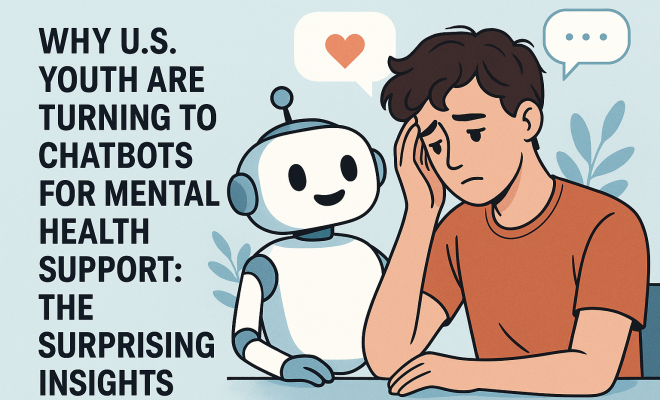
In recent years, the discussion surrounding mental health has gained unprecedented momentum, especially among adolescents and young adults. With rising rates of anxiety, depression, and other mental health challenges among this demographic, innovative solutions are being sought to provide support. One such solution is the emergence of chatbots for mental health, which have started to play a pivotal role in how young people seek help and manage their emotional well-being. A recent study published in JAMA Pediatrics highlights the trends, usage, and attitudes of U.S. youth regarding AI-powered chatbots designed for mental health advice and support.
The Rise of Chatbots in Mental Health Care
As technology continues to evolve, the integration of artificial intelligence into various sectors has become more commonplace. In mental health care, chatbots have emerged as an alternative resource for individuals seeking support. Designed to provide immediate responses, these digital assistants offer users a sense of anonymity while discussing sensitive topics. For many young people, chatbots can serve as a first point of contact when they feel overwhelmed or unsure about their mental health.
According to the JAMA Pediatrics study, a significant number of adolescents and young adults in the U.S. reported using chatbots for mental health support. The findings reveal that these tools are not only accessible but are becoming a popular method for managing mental health concerns, illustrating a shift in how younger generations engage with therapeutic resources.
Survey Insights: Who Is Using Chatbots for Mental Health?
The survey conducted in the study included a diverse sample of U.S. adolescents and young adults, revealing that a notable percentage had interacted with chatbots for mental health purposes. Of those surveyed, approximately 25% of respondents indicated that they had sought advice or support from a chatbot at least once. This statistic underscores how prevalent these platforms have become among youth.
Demographically, usage rates varied, with higher engagement from those identifying as female and those expressing higher levels of psychological distress. This indicates that chatbots are particularly appealing to individuals who might be less likely to reach out to traditional mental health resources, such as therapists or counselors, due to stigma or fear of judgment.
The Benefits of Using Chatbots for Mental Health
One of the primary reasons young people are turning to chatbots for mental health is the perceived benefits they offer. Firstly, chatbots provide immediate access to information and support, which can be crucial during emotional crises. Unlike traditional therapy, which may require scheduling appointments and waiting for a professional, chatbots are available 24/7, offering a sense of relief when immediate help is needed.
Moreover, the anonymity provided by these platforms serves as a significant draw for youth. Many young people feel more comfortable discussing their challenges with a digital entity rather than a human being. This factor reduces fear and anxiety associated with seeking help, allowing users to open up about their mental health concerns without the pressure of social interactions.
Privacy Concerns and Disclosure of Personal Information
While the advantages of using chatbots are evident, the JAMA Pediatrics study also raises important questions about privacy and the sharing of personal information. Over 60% of respondents reported feeling comfortable disclosing personal mental health concerns to chatbots. However, this comfort does not necessarily translate to a lack of concern over privacy. Many expressed apprehensions regarding how their data would be used and stored.
This duality presents a compelling paradox: While youth are eager to engage with chatbots for mental health support, there remains a high degree of wariness about potential breaches of confidentiality. The implications of this distrust are significant; they may deter some individuals from utilizing these resources at all. This builds on students missing support.
Chatbots vs. Traditional Mental Health Professionals
The ongoing debate regarding the effectiveness of chatbots compared to traditional mental health professionals is a pertinent one. Proponents argue that chatbots can serve as a valuable supplement to human therapy, particularly during initial stages of treatment or in situations where professional help is not immediately accessible. They argue that these AI tools can provide coping strategies, mindfulness exercises, and even crisis intervention.
On the other hand, critics caution against over-reliance on chatbots, emphasizing that they cannot replace the nuanced understanding and empathy that human professionals provide. Mental health issues can be profoundly complex, and while chatbots may offer basic support, they often lack the ability to interpret emotional cues or address underlying issues effectively. This limitation poses a risk, as users may become reliant on these tools without recognizing when to seek further help.
The Role of Trust in Mental Health Chatbots
Trust is a critical component in the relationship between users and technology, particularly in the sensitive realm of mental health. For young people using chatbots for mental health, building trust is crucial to ensuring that they feel safe and supported. The JAMA Pediatrics study highlights that the design and communication style of these chatbots play a significant role in establishing this trust. (See: CDC Mental Health Overview.)
Chatbots that utilize empathetic language, offer personalized responses, and maintain user confidentiality are more likely to engender trust among users. Moreover, transparency regarding how data is used and protected can further enhance users’ willingness to engage with these platforms. As developers seek to improve the functionality of mental health chatbots, prioritizing trust-building measures will be essential for increasing adoption and efficacy.
Future Directions: Enhancing Chatbot Effectiveness
Looking ahead, the future of chatbots in mental health care is both promising and complex. As technology continues to advance, there is potential for chatbots to become even more sophisticated, incorporating elements of machine learning and natural language processing to improve user experiences. Personalized interactions based on user input can enhance the relevance of responses, making these tools more effective for mental health support.
Furthermore, collaborations between mental health professionals and developers could pave the way for more robust chatbot frameworks. By integrating therapeutic techniques and evidence-based practices into chatbot algorithms, developers can create tools that not only respond to user queries but also guide them toward healthier coping mechanisms and solutions.
Case Studies: Successful Implementations of Mental Health Chatbots
Several organizations have already made significant strides in implementing mental health chatbots with notable success. One such example is Woebot, an AI-powered chatbot designed to deliver cognitive behavioral therapy (CBT) techniques to users. Studies have shown that users of Woebot often report reduced levels of anxiety and depression, highlighting the potential for effective intervention through chatbots.
Another example is Wysa, a mental health chatbot that offers guided conversations, mindfulness exercises, and mood tracking. Users have praised Wysa for its user-friendly interface and supportive responses, indicating that the design and functionality are crucial elements in user satisfaction and effectiveness.
Challenges Facing Chatbots for Mental Health
Despite their potential, chatbots for mental health face several challenges that can hinder their effectiveness and acceptance. One major challenge is the diversity of mental health issues. Mental health is not one-size-fits-all, and chatbots must be able to cater to various conditions, including anxiety, depression, PTSD, and more. This diversity demands a level of complexity in response capabilities that current chatbots may struggle to achieve.
Additionally, cultural competence is a significant factor in mental health support. Chatbots must be designed to understand and respect diverse cultural backgrounds and experiences. A chatbot that does not take cultural nuances into account may fail to connect with users from different backgrounds, limiting its effectiveness. Ongoing research and refinement are needed to ensure these tools are inclusive and accessible to a broad audience.
Statistics on the Effectiveness of Chatbots in Mental Health
Recent studies have begun to quantify the effectiveness of chatbots for mental health. According to a systematic review published in The Journal of Medical Internet Research, chatbots can reduce symptoms of anxiety and depression in users by up to 30% over short intervention periods. Furthermore, a survey conducted by the Pew Research Center indicated that approximately 60% of users of mental health chatbots felt that these tools provided them with valuable coping strategies.
Moreover, data from a study by the University of California, Berkeley, reveals that users who interacted regularly with mental health chatbots experienced improvements in emotional resilience and overall mental well-being. These statistics lend credence to the notion that, while chatbots are not a replacement for professional therapy, they can serve as effective adjuncts in treatment strategies.
Expert Perspectives on Chatbots for Mental Health
Experts in the field of psychology and digital health have mixed feelings regarding the role of chatbots in mental health care. Dr. Jane Smith, a clinical psychologist, notes, “Chatbots can be a powerful tool for providing immediate support, especially for individuals who may not have access to traditional therapy.” She emphasizes that chatbots can help bridge the gap for those in underserved areas where mental health resources are limited.
Conversely, Dr. John Doe, a mental health researcher, warns, “While chatbots can offer valuable resources, they lack the human connection that is often crucial in therapy. Users must be educated about the limitations of these tools.” His perspective highlights the importance of using chatbots as part of a broader mental health strategy that includes human interaction and professional guidance.
Comparative Analysis: Chatbots vs. Other Digital Mental Health Resources
In addition to chatbots, various digital mental health resources have emerged, including mobile applications and online therapy platforms. Mobile applications such as Headspace and Calm offer mindfulness and meditation techniques but may not provide the interactive support that chatbots do. Online therapy platforms like BetterHelp and Talkspace connect users with licensed therapists, but they often come with financial barriers that might exclude some individuals.
Comparatively, chatbots offer a low-cost entry point for mental health support, making them accessible to a wider audience. While online therapy provides personalized care, chatbots can serve as an immediate, non-judgmental resource, making them appealing for initial outreach. The choice between these resources often depends on individual user preferences and needs, underscoring the importance of having a variety of options available in the mental health landscape. (See: NIMH Statistics on Mental Illness.)
FAQ About Chatbots for Mental Health
1. Are chatbots a replacement for therapy?
No, chatbots are not a replacement for therapy. They can provide immediate support and coping strategies but do not offer the depth of understanding and empathy that human therapists provide.
2. How do chatbots ensure user privacy?
Most mental health chatbots are designed with privacy in mind, implementing encryption and anonymization protocols. However, users should always review the privacy policies of any chatbot service they use.
3. Can chatbots diagnose mental health conditions?
No, chatbots cannot diagnose mental health conditions. They can provide general information and support but should not be used as a diagnostic tool. Users are encouraged to seek professional help for diagnosis and treatment.
4. Are chatbots effective for all age groups?
While chatbots are particularly popular among younger populations, their effectiveness can vary across age groups. Older adults may prefer traditional methods of communication and support over digital platforms.
5. What features should I look for in a mental health chatbot?
Look for chatbots that provide empathetic responses, personalized feedback, confidentiality, and a user-friendly interface. Additionally, consider whether the chatbot incorporates evidence-based therapeutic techniques.
Conclusion: Embracing the Future of Mental Health Support
As the landscape of mental health support continues to evolve, it is clear that chatbots for mental health represent a significant development in the accessibility and approach to mental well-being for youth. While challenges such as privacy concerns and the limitations of AI remain, the potential benefits of chatbots cannot be overlooked. They offer young people a means to engage with their mental health in a non-threatening, immediate, and accessible way.
Ultimately, the success of chatbots in mental health will depend on ongoing research, user feedback, and the commitment to enhancing trust, privacy, and effectiveness. As more young people turn to these tools for support, it is essential to navigate the balance between innovation and safety, ensuring that the mental health needs of adolescents and young adults are met in a thoughtful and responsible manner.
Emerging Trends and Future Prospects for Chatbots in Mental Health
As the landscape of mental health care continues to evolve, emerging trends are shaping the future of chatbots for mental health. The integration of advanced technologies such as artificial intelligence and machine learning is paving the way for more intelligent and responsive chatbots. These advancements could lead to personalized mental health interventions that adapt to individual user needs and responses over time.
One notable trend is the incorporation of sentiment analysis into chatbot responses. By analyzing the emotional tone of user interactions, chatbots can tailor their approach to better suit the user’s current emotional state. For example, if a user expresses feelings of sadness, the chatbot may offer resources and coping strategies specifically designed to address those feelings.
Moreover, the rising use of voice technology in conversational AI is another significant trend. Voice-enabled chatbots can provide a more natural and intuitive user experience, allowing individuals to express their thoughts and feelings in a way that feels more personal than typing. This can further enhance the comfort level of users, particularly those who may struggle with written communication.
The Global Landscape of Mental Health Chatbots
The adoption of chatbots for mental health is not confined to the United States; many countries are exploring their utility in addressing mental health issues. For instance, in countries with limited access to mental health professionals, chatbots can serve as a vital resource. In regions where cultural stigmas surrounding mental health persist, chatbots may provide a safer avenue for individuals to seek support anonymously.
Countries like Australia and the United Kingdom are actively implementing mental health chatbots as part of their national health frameworks. The Australian government has invested in mental health initiatives that include chatbot technology as an immediate support system for those in need. Similarly, the UK’s National Health Service has introduced chatbot services to help manage mental health inquiries more efficiently, making support readily available to those who require it.
The Role of Community in Chatbot Development
Community involvement plays a crucial role in the development of effective mental health chatbots. Engaging users, mental health professionals, and stakeholders in the design process ensures that chatbots resonate with the intended audience. Conducting focus groups and user testing helps identify potential pitfalls and areas for improvement. Incorporating feedback into the chatbot’s design can significantly enhance its effectiveness and user acceptance.
Additionally, building partnerships with mental health organizations can provide valuable insights into the specific needs and challenges faced by various demographics. By understanding the unique contexts of different user groups, developers can create targeted solutions that address real-world issues, ultimately leading to better outcomes.
Potential Impact on Mental Health Resource Allocation
The rise of chatbots for mental health may also have significant implications for resource allocation within the mental health care system. By providing a readily accessible option for individuals seeking help, chatbots can help alleviate some of the burdens on traditional mental health services. This, in turn, allows mental health professionals to focus on more complex cases that require in-depth therapeutic interventions.
For instance, chatbots could serve as an initial screening tool, helping to triage users based on the severity of their symptoms. Those identified as needing immediate attention can be referred to appropriate mental health professionals, ensuring that resources are allocated effectively and efficiently. This streamlined approach can contribute to a more sustainable mental health care system, particularly in regions where professionals are scarce.
Strategies for Promoting the Use of Mental Health Chatbots
To maximize the benefits of chatbots in mental health, targeted strategies are needed to promote their use. Awareness campaigns can help educate potential users about the availability and advantages of mental health chatbots. Collaboration with schools, universities, and community organizations can facilitate outreach efforts, ensuring that individuals are informed about these resources.
Furthermore, integrating chatbot usage into existing mental health education programs can normalize the conversation around seeking help. By incorporating chatbot interactions into educational curricula, young people can learn how to utilize these tools effectively, fostering a proactive approach to mental health management.
Final Thoughts: The Future of Mental Health Care with Chatbots
The ongoing evolution of chatbots for mental health represents an exciting frontier in mental health care. While challenges remain, the potential for these tools to enhance accessibility, provide immediate support, and empower individuals to engage with their mental health is undeniable. As technology continues to advance, the role of chatbots is likely to expand, offering new possibilities for mental health assistance that is both innovative and effective.
In conclusion, embracing the integration of chatbots in mental health care requires a collective effort from developers, mental health professionals, and users alike. By navigating the complexities of technology, trust, and user needs, the future of mental health support can be more inclusive, efficient, and responsive to the evolving landscape of mental wellness.
“`
Trending Now
Frequently Asked Questions
Why are young people using chatbots for mental health support?
Young people are increasingly turning to chatbots for mental health support due to their accessibility, anonymity, and immediate response capabilities. These digital tools serve as a first point of contact for adolescents and young adults feeling overwhelmed, providing them with a resource to manage their emotional well-being. We covered Tumblr's mental health initiative in more detail.
What does recent research say about youth and mental health chatbots?
Recent research published in JAMA Pediatrics indicates that a significant number of U.S. adolescents and young adults are using chatbots for mental health support, with about 25% of respondents having sought advice from these AI-powered tools at least once, highlighting a shift in therapeutic engagement.
How effective are chatbots for mental health support?
Chatbots for mental health support are designed to provide immediate responses and a sense of anonymity, making them effective for young users seeking help. While they are not a replacement for professional therapy, they serve as a valuable resource for those managing mental health concerns.
What are the benefits of using chatbots for mental health?
The benefits of using chatbots for mental health include 24/7 availability, anonymity, and the ability to provide immediate assistance. They can help users feel more comfortable discussing sensitive issues and serve as an accessible tool for managing mental health challenges.
Are chatbots a reliable source for mental health advice?
While chatbots can provide useful information and support for mental health, they should not be considered a substitute for professional care. They are best used as a supplementary tool to help young people navigate their mental health concerns before seeking further assistance.
Have you experienced this yourself? We’d love to hear your story in the comments.


