Nimbus RAT: Exploiting Collaboration Tools for Cyber Attacks
“`html
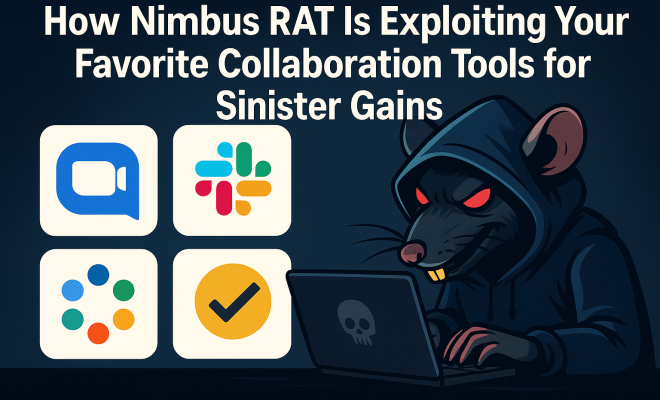
In a landscape where remote work and digital collaboration are the norms, the increasing sophistication of cyber threats poses a significant challenge to organizations worldwide. One of the latest threats that has emerged is the Nimbus RAT, a Java-based remote access trojan (RAT) that is being exploited by threat actors to wreak havoc through widely trusted platforms such as Microsoft Teams and Google Drive. This article delves into the alarming tactics employed by these attackers, the implications for businesses, and what can be done to mitigate such risks.
The Rise of Nimbus RAT
The Nimbus RAT has gained notoriety in recent months due to its effective use in credential-stealing and remote-access campaigns. This malware exploits the trust that organizations place in common collaboration tools, turning everyday applications into potential backdoors for cybercriminals. The use of social engineering and voice phishing—or vishing—by these attackers allows them to manipulate employees into unwittingly facilitating breaches.
As the reliance on digital communication tools grows, so too does the need to recognize and counteract the strategies that make these attacks possible. The implications of a successful breach using Nimbus RAT can be devastating, ranging from compromised sensitive data to extensive financial losses.
Understanding the Attack Vector
At the core of the Nimbus RAT campaign is the exploitation of familiar and trusted applications. Attackers utilize social engineering tactics to lure victims into downloading malicious files hosted on platforms such as Google Drive. By disguising these files as legitimate documents or updates, they can trick users into executing the malware.
Moreover, the integration of Microsoft Teams into the attack vector is particularly concerning. As millions of users engage in daily communication through Teams, the platform’s inherent trustworthiness becomes a double-edged sword. Users are often less suspicious of links sent through a platform they use regularly, making them prime targets for phishing attacks.
Social Engineering: The Backbone of the Attack
Social engineering remains the primary tactic employed by those behind the Nimbus RAT campaign. Cybercriminals leverage various strategies to manipulate their targets, including impersonating trusted colleagues or using urgent language to incite fear. For instance, an attacker may craft a message that appears to be from IT support, urging an employee to download an update to avoid potential system failures.
This manipulation becomes even more potent when combined with vishing tactics. As attackers flood victims with calls, often from numbers that seem legitimate, they can more effectively pressure individuals into executing harmful downloads. The seamless combination of email phishing and vishing results in a heightened risk of successful cyber intrusion.
The Role of Microsoft Teams and Google Drive
Both Microsoft Teams and Google Drive are widely used tools that facilitate collaboration among teams. Their popularity is a double-edged sword; while they enhance productivity, they also create an environment where attackers can thrive. By embedding malicious links within seemingly innocuous messages, threat actors use these platforms to propagate the Nimbus RAT stealthily.
Interestingly, the usage of file-sharing platforms like Google Drive allows attackers to host their malware files outside of corporate networks, complicating detection and prevention efforts. This method also aids in bypassing traditional security measures, as the files may not trigger alarms when analyzed by security software.
Identifying Signs of Attack
Organizations need to stay vigilant and look for signs indicating a potential attack involving the Nimbus RAT. One alarming indicator is a sudden spike in email activity—specifically, an influx of 20 or more emails per minute from various external senders. This may suggest that an ongoing mailbox-flooding phase is in effect, a tactic often employed to overwhelm security defenses.
Another sign to watch for is the presence of unexpected calls or messages from colleagues requesting urgent action regarding file downloads or system updates. These requests should be scrutinized, especially if they come without prior context or verification. (See: CDC on cybersecurity threats.)
Defensive Strategies Against Nimbus RAT
To effectively defend against the potential threats posed by the Nimbus RAT, organizations should adopt a comprehensive cybersecurity strategy. Here are several actionable steps that can be taken:
- Employee Training: Regularly educate employees on recognizing phishing attempts and social engineering tactics. Conduct drills to simulate attacks and improve response times.
- Multi-Factor Authentication (MFA): Implement MFA across all platforms to add an additional layer of security. This can significantly reduce the risk of unauthorized access.
- Email Filtering and Monitoring: Utilize advanced email filtering solutions to identify and block suspicious emails. Regularly monitor email logs for unusual activity.
- Endpoint Protection: Invest in robust endpoint protection solutions capable of detecting and mitigating malware threats, including RATs like Nimbus.
- Incident Response Plan: Develop and maintain a clear incident response plan to address any breaches promptly. This should include communication protocols and steps for containment and remediation.
Real-World Implications of Nimbus RAT Attacks
The implications of falling victim to a Nimbus RAT attack can be severe. Organizations may experience not only financial losses but also damage to their reputation and client trust. The fallout from a data breach can lead to legal liabilities, especially if sensitive customer information is compromised.
Moreover, the business disruption caused by responding to a cyber incident can have long-lasting effects. Employees may face downtime as systems are taken offline for investigation and remediation. This, in turn, can impact productivity and revenue.
Comparative Analysis: Nimbus RAT vs. Other RATs
The Nimbus RAT is not the only remote access trojan in circulation, but its unique exploitation of trusted collaboration tools makes it particularly dangerous. Compared to other RATs, Nimbus exhibits advanced capabilities in credential theft and persistence. For instance, while other RATs may rely heavily on traditional phishing emails, Nimbus leverages platforms that many employees consider safe.
Furthermore, the Java-based nature of Nimbus allows it to be cross-platform, meaning it can affect both Windows and Mac operating systems. This versatility increases its potential attack surface, making it a notable concern for IT security teams.
Expert Perspectives on Mitigating Risks
Experts in cybersecurity emphasize the importance of proactive measures in mitigating risks associated with tools like Nimbus RAT. Jason Smith, a cybersecurity analyst, suggests that “the key to thwarting these types of attacks lies in continuous education and awareness. Employees must be empowered to recognize threats and understand that even trusted platforms can be exploited.”
Additionally, Karen Lee, a cybersecurity consultant, advocates for the adoption of a layered security approach. “Investing in multiple security solutions that can detect anomalies and block threats on various levels is crucial in combating sophisticated cyber threats like Nimbus RAT,” she states.
Common Misconceptions about Nimbus RAT
Many organizations still harbor misconceptions regarding the Nimbus RAT and similar malware, which can lead to inadequate preparedness. One common belief is that only high-profile companies are targeted. However, this is a dangerous misunderstanding; small to medium enterprises (SMEs) are often seen as low-hanging fruit, making them prime targets for such attacks.
Another misconception is that traditional antivirus solutions alone are sufficient for protection. While these tools play a critical role, they often fail to detect new and sophisticated threats like Nimbus RAT. Organizations must implement multi-layered security strategies, including behavior-based detection systems, to safeguard against evolving malware.
Statistics on Cyber Attacks Related to Nimbus RAT
Recent studies indicate a staggering rise in remote access trojan incidents, with RAT-related attacks increasing by over 50% in 2022 alone. Specifically, attacks utilizing variants like the Nimbus RAT accounted for nearly 20% of all malware incidents reported by cybersecurity firms. Furthermore, a survey conducted among IT professionals revealed that more than 70% of organizations experienced at least one RAT-related breach in the past year.
In addition, a report from Cybersecurity & Infrastructure Security Agency (CISA) noted that the financial impact of such breaches can exceed $1 million when factoring in recovery costs, legal fees, and lost business opportunities. These statistics highlight the urgency for organizations to prioritize their cybersecurity measures and respond proactively to potential threats.
Future Trends in Cybersecurity and RATs
As cyber threats evolve, so too must the strategies for combating them. Experts predict that the future of cybersecurity will see a greater emphasis on AI-driven security solutions. These systems can analyze vast amounts of data and detect anomalies that could signify a RAT infection, such as unusual network traffic patterns associated with the Nimbus RAT. (See: New York Times on remote work cybersecurity.)
Moreover, with the rise of remote work, collaboration platforms like Microsoft Teams and Google Drive will continue to be exploited by cybercriminals. Organizations will need to adopt a zero-trust approach, continuously verifying the identity and security posture of users and devices before granting access to sensitive information.
Frequently Asked Questions (FAQ)
What is Nimbus RAT?
Nimbus RAT is a Java-based remote access trojan that enables cybercriminals to gain unauthorized access to a victim’s system, often through social engineering tactics and trusted collaboration tools such as Microsoft Teams and Google Drive.
How does Nimbus RAT spread?
Nimbus RAT spreads primarily through phishing emails and malicious links disguised as legitimate documents shared via popular platforms. Attackers exploit the trust users have in these applications, making it easier to deceive victims into downloading the malware.
What are the signs of a Nimbus RAT infection?
Signs of a Nimbus RAT infection may include unusual system behavior, sudden spikes in network activity, unauthorized file access, and unexpected requests for sensitive information from colleagues.
Can traditional antivirus software detect Nimbus RAT?
While traditional antivirus software can provide some level of protection, it often fails to catch sophisticated threats like Nimbus RAT. Organizations should consider implementing advanced security solutions that include behavioral detection and multi-layered defenses.
How can organizations protect themselves from Nimbus RAT?
Organizations can protect themselves by training employees to recognize phishing attempts, implementing multi-factor authentication, utilizing advanced email filtering, investing in endpoint protection, and developing a comprehensive incident response plan.
Conclusion: Staying Ahead of Cybercriminals
The emergence of the Nimbus RAT underscores the need for organizations to reassess their cybersecurity strategies in a rapidly evolving threat landscape. By understanding how attackers exploit familiar tools and implementing comprehensive defenses, businesses can better protect themselves from being the next victim of a cyber attack.
Empowering employees with knowledge, investing in robust security measures, and maintaining vigilance are essential steps toward safeguarding sensitive information and maintaining operational integrity. As cyber threats continue to evolve, proactive measures and a culture of security will be paramount in combating the sophisticated tactics employed by threat actors.
The Evolution of RATs: Past to Present
Remote Access Trojans (RATs) have been around for many years, evolving in complexity and sophistication. Initially, RATs were rudimentary, often relying on simple methods such as email attachments and basic scripts. However, with the rise in internet use and the increasing connectivity of devices, attackers have adapted their strategies, leading to the emergence of advanced RATs like the Nimbus RAT.
Over the years, RATs have transitioned from basic spying tools to highly versatile malware capable of stealing credentials, taking screenshots, recording keystrokes, and even controlling webcams. With the introduction of machine learning and AI into the toolkit of cybercriminals, RATs like Nimbus have become more difficult to detect and defend against. Understanding this evolution is critical for organizations aiming to fortify their defenses against contemporary cyber threats. (See: ScienceDirect on cyber threats.)
Case Studies of Nimbus RAT Attacks
Analyzing real-world incidents of Nimbus RAT attacks can provide valuable insights into the methods employed by cybercriminals and the subsequent impact on organizations. For instance, a prominent tech company recently reported a data breach where attackers used Nimbus RAT to siphon sensitive employee data, including personal identification information and corporate secrets. The attackers initiated the breach by sending phishing emails disguised as critical software updates, leading several employees to unwittingly install the malware.
This incident resulted in not only significant financial losses—estimated at over $2 million in recovery costs—but also a profound impact on the company’s reputation. Clients expressed concerns over data security, leading to a decline in business and trust. Such case studies highlight the urgent need for organizations to take proactive measures against threats like Nimbus RAT.
Building a Cybersecurity Culture Within Organizations
Creating a robust cybersecurity culture is essential for defending against threats like the Nimbus RAT. Organizations should focus on the following strategies to foster this culture:
- Regular Training Sessions: Conducting regular training sessions and workshops can help employees stay informed about current threats and best practices for online safety.
- Encouragement of Open Communication: Employees should feel comfortable reporting suspicious activities without fear of repercussions. Creating an open environment can lead to quicker identification and mitigation of potential threats.
- Incentives for Cybersecurity Practices: Offering incentives for employees who follow cybersecurity best practices can motivate others to adopt safer behaviors.
- Leadership Involvement: Cybersecurity initiatives should be supported and advocated by higher management to emphasize their importance company-wide.
By embedding cybersecurity into the organizational culture, businesses can significantly reduce their vulnerability to malware like Nimbus RAT.
The Role of Government and Regulatory Bodies
Government and regulatory bodies play a crucial role in establishing cybersecurity standards and frameworks that can help organizations defend against threats like the Nimbus RAT. Initiatives such as the NIST Cybersecurity Framework provide guidelines for organizations to develop their cybersecurity strategies and improve their resilience against potential threats. Additionally, regulatory requirements like GDPR highlight the importance of protecting personal data, further motivating organizations to enhance their cybersecurity measures.
Collaboration between the public and private sectors can help in sharing threat intelligence and best practices, ultimately leading to stronger defenses against cybercriminal activities. Governments can also support research and development in cybersecurity technologies, helping to create innovative solutions to counter emerging threats.
Preparing for the Future: The Role of AI in Cyber Defense
As cyber threats become more sophisticated, artificial intelligence (AI) presents a promising avenue for enhancing cybersecurity defenses against RATs like Nimbus. AI-driven threat detection systems can analyze vast amounts of data in real-time, identifying patterns and anomalies that could suggest a potential malware infection. For instance, machine learning algorithms can be trained to recognize indicators of compromise associated with Nimbus RAT, allowing for quicker identification and response to threats.
Moreover, AI can aid in automating routine security tasks, freeing up human analysts to focus on more complex issues. This can improve overall efficiency in cybersecurity operations and enable organizations to stay ahead of cybercriminal tactics. As AI technology continues to advance, its integration into cybersecurity strategies will likely become a critical component in the fight against malware such as Nimbus RAT.
“`
Trending Now
Frequently Asked Questions
What is Nimbus RAT and how does it work?
Nimbus RAT is a Java-based remote access trojan that exploits trusted collaboration tools like Microsoft Teams and Google Drive. It uses social engineering tactics to trick users into downloading malicious files, allowing attackers to gain unauthorized access to sensitive information.
How does Nimbus RAT exploit collaboration tools?
Nimbus RAT exploits collaboration tools by disguising malicious files as legitimate documents. Attackers manipulate victims through social engineering techniques, such as vishing, to encourage them to execute the malware, turning trusted platforms into backdoors for cybercriminals.
What are the risks associated with Nimbus RAT attacks?
The risks of Nimbus RAT attacks include compromised sensitive data, financial losses, and extensive damage to an organization’s reputation. The malware's ability to exploit trusted platforms makes it particularly dangerous in a remote work environment.
What can businesses do to protect against Nimbus RAT?
To protect against Nimbus RAT, businesses should implement robust security measures, such as employee training on recognizing phishing attempts, utilizing advanced threat detection systems, and regularly updating software and security protocols to mitigate risks.
Why is social engineering important in Nimbus RAT attacks?
Social engineering is crucial in Nimbus RAT attacks as it allows attackers to manipulate victims into taking actions that compromise security. By building trust and creating a sense of urgency, attackers can trick users into downloading malware, making these tactics highly effective.
Have you experienced this yourself? We’d love to hear your story in the comments.