College Mental Health Crisis: 87% Need Help, Can’t Get It
“`html
The landscape of college student mental health has evolved significantly in recent years, especially given the increasing awareness surrounding mental health issues. A recent survey of 500 college students has highlighted a troubling reality: access to mental health resources is critically limited, leaving many students without the support they desperately need. This article will explore the survey findings, delve into the broader implications for college campuses, and offer actionable advice for students navigating these challenges.
Understanding the Survey Findings
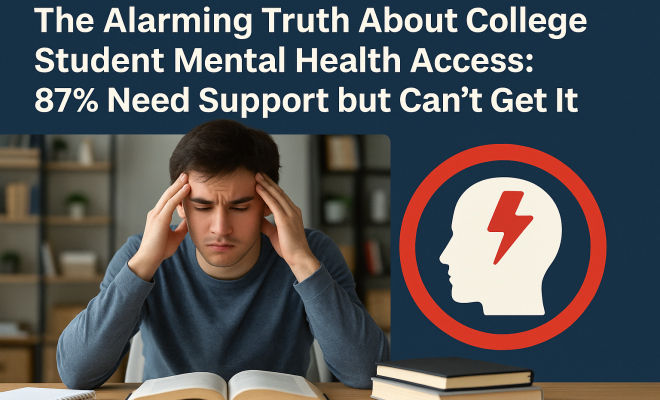
The survey revealed that a staggering 87% of college students reported needing mental health support at some point during their studies. This raises a crucial question: if the demand for mental health services is so high, why are so many students unable to access the care they require?
One of the most alarming statistics from the survey is that 1 in 2 students indicated they had skipped care due to excessively long wait times. This is particularly concerning in light of the ongoing mental health crisis among college students, where timely access to care can make a significant difference in outcomes.
Barriers to Accessing Mental Health Support
While wait times are a significant barrier, the survey indicated that other challenges are even more prevalent. For instance, 48% of respondents cited work schedules or other responsibilities as primary factors preventing them from seeking help. This suggests that many students are balancing academic demands with part-time jobs or other obligations, leaving little room for prioritizing mental health. This builds on 24/7 mental health support.
Additionally, 45% of students reported cost as a major obstacle to seeking mental health care. This highlights a critical gap in the accessibility of affordable mental health services on campuses. Many students may feel that they cannot afford therapy or counseling sessions, leading to unmet needs and worsening mental health conditions.
The Regional Disparities in Mental Health Access
The survey also revealed significant regional disparities in mental health access. For example, California emerged as a leader in student mental health search activity, with an impressive 776.0 searches per 100,000 residents. This high level of engagement indicates a pressing need for mental health resources in the state, as well as a growing awareness of the importance of mental well-being among students.
In contrast, other states may not exhibit the same level of interest or awareness, highlighting a potential imbalance in mental health resource allocation. As students in various regions face different challenges, it is crucial for colleges and universities to tailor their mental health services to meet the unique needs of their student populations.
The Impact of Campus Strain and Resource Shortages
The current state of college student mental health access is troubling, particularly as many campuses are experiencing strain on their mental health services. The increasing number of students seeking support is not being matched by a corresponding increase in available resources. This disparity leads to longer wait times, higher caseloads for counselors, and ultimately, a decrease in the quality of care provided.
Furthermore, staffing shortages in mental health services exacerbate these issues. Many institutions are unable to hire enough qualified mental health professionals to meet the growing demand. As a result, students may find themselves facing not only long wait times but also the risk of receiving inadequate support when they finally do access services. (See: CDC on college student mental health.)
Broader Implications for College Campuses
The challenges surrounding college student mental health access are not just individual issues; they have broader implications for campus environments as well. High demand for mental health services can contribute to increased stress for both students and faculty, ultimately impacting academic performance and overall campus culture.
Additionally, the mental health of students is linked to retention rates. When students do not feel supported, they are more likely to leave their programs or drop out entirely. This not only affects individual futures but also the financial stability and reputation of the institutions themselves. Colleges and universities must prioritize addressing mental health concerns to foster a healthier and more supportive learning environment.
Recommendations for Students Seeking Help
Given the significant barriers to accessing mental health care, it is essential for students to be proactive in seeking support. Here are a few actionable steps students can take:
- Utilize Campus Resources: Most colleges offer free or low-cost counseling services. Familiarize yourself with the resources available on campus and do not hesitate to reach out for help.
- Schedule Appointments Early: If you anticipate needing support, try to schedule appointments as early as possible. This can help mitigate the impact of long wait times.
- Explore Online Options: Consider teletherapy or online counseling services, which can often be more accessible and flexible than in-person appointments.
- Connect with Peers: Engage in discussions about mental health with friends or classmates. They may provide support or recommendations for navigating the mental health landscape on campus.
Advocating for Change on Campus
Students can also play a vital role in advocating for improved mental health resources on their campuses. Here are some ways to get involved:
- Form Student Organizations: Create or join organizations focused on mental health awareness and advocacy. These groups can facilitate discussions and push for changes to mental health policies.
- Engage with Administration: Reach out to campus administration to discuss the need for increased resources, staffing, and support services. Sharing personal experiences can help illustrate the importance of this issue.
- Promote Awareness Campaigns: Work on awareness campaigns that educate fellow students about mental health services and the importance of seeking help.
Future Trends in College Student Mental Health
As colleges and universities continue to grapple with the challenges of mental health access, there are promising trends emerging that could improve the situation. One such trend is the increasing integration of mental health support into academic programs. This holistic approach recognizes that mental well-being is crucial for academic success and seeks to embed mental health resources within the fabric of student life.
Moreover, advancements in technology are paving the way for more accessible mental health resources. Online platforms and apps are being developed to provide students with 24/7 access to mental health tools, support groups, and crisis resources, breaking down geographical barriers and meeting students where they are.
The Role of Faculty and Staff in Supporting Student Mental Health
Faculty and staff play a crucial role in the mental health landscape of college campuses. Their awareness and understanding of mental health issues can significantly impact students’ experiences. Faculty members can help reduce stigma around mental health by openly discussing its importance in academic settings and showing empathy towards students facing challenges.
Furthermore, training faculty and staff in mental health first aid can equip them with the skills to identify and assist students in distress. By fostering an environment where students feel safe to disclose their struggles, colleges can create a supportive atmosphere that prioritizes mental well-being. For example, faculty members can incorporate mental well-being into their syllabi, emphasizing the importance of self-care strategies and promoting campus mental health resources during class discussions.
Comparative Analysis: Mental Health Services in Different Countries
When examining college student mental health, it’s insightful to compare how different countries approach mental health services on campuses. For instance, in the United Kingdom, universities are increasingly implementing mental health training for all staff and are funding initiatives aimed at reducing student stress. A study found that 65% of UK universities have invested in mental health training for academic staff, recognizing their role in student support. (See: NIMH statistics on mental illness.)
In contrast, some countries, such as Japan, face significant stigma surrounding mental illness, which affects students’ willingness to seek help. Japanese universities are beginning to address these issues by integrating mental health education in orientation sessions for new students, aiming to normalize discussions about mental health early in their academic journeys.
Such international comparisons not only highlight disparities in resource allocation and cultural attitudes toward mental health but also present opportunities for learning from each other. By adopting best practices from around the world, colleges can enhance their mental health services and better support their students.
Statistics and Research on College Student Mental Health
Recent studies have revealed alarming trends in college student mental health. A report from the American College Health Association found that 61% of college students felt overwhelming anxiety in the past year, a significant increase from previous years. Additionally, the same report indicated that 40% of students felt so depressed that it was difficult for them to function.
Moreover, the National College Health Assessment noted that 13% of students seriously considered suicide in the past year, underscoring the urgent need for accessible mental health support. These statistics shed light on the gravity of the mental health crisis within college populations and make a compelling case for increased prioritization of mental health resources by universities.
Frequently Asked Questions (FAQ)
What are common mental health issues faced by college students?
Common mental health issues among college students include anxiety disorders, depression, stress, eating disorders, and substance abuse. These conditions can be exacerbated by academic pressures, social challenges, and financial concerns.
How can students recognize if they need help with mental health?
Students should look for signs such as persistent sadness, overwhelming anxiety, changes in sleep or appetite, difficulty concentrating, withdrawal from social activities, and feelings of hopelessness. If these symptoms interfere with daily life or academic performance, it may be time to seek help.
What should I do if I can’t access mental health services on campus?
If campus resources are limited, students can explore off-campus options such as community mental health services, local therapists, or online counseling platforms. It is important to reach out to trusted friends or family for support during this time as well.
How can I support a friend who is struggling with mental health issues?
Supporting a friend involves actively listening, being non-judgmental, and encouraging them to seek professional help. You can also offer to accompany them to appointments or engage in activities that promote well-being together.
Are there any resources specifically for minority students facing mental health challenges?
Yes, many colleges provide resources specifically for minority students, recognizing the unique challenges they may face. These can include culturally sensitive counseling services, peer support groups, and initiatives aimed at addressing the stigma around mental health within specific communities. (impact of AI and TikTok)
Strategies for Universities to Enhance Mental Health Services
To effectively address the critical gaps in mental health services for college students, universities must adopt comprehensive strategies designed to enhance accessibility and effectiveness. Here are several actionable strategies that institutions can implement:
- Increase Funding for Mental Health Services: Allocating a higher budget specifically for mental health resources can help institutions hire more qualified professionals, expand existing services, and develop new programs aimed at student well-being.
- Develop Peer Support Programs: Peer-led initiatives can create a community of support. Training students to offer support can help reduce the stigma surrounding mental health and encourage others to seek help.
- Implement Mental Health Literacy Programs: Educating students about mental health, coping strategies, and available resources can empower them to take charge of their well-being.
- Create Safe Spaces on Campus: Designating areas dedicated to mental wellness can promote relaxation and mindfulness, providing students with a space to decompress amidst their busy schedules.
- Offer Workshops and Events: Regularly scheduled workshops focused on stress management, resilience building, and self-care strategies can equip students with tools to navigate mental health challenges effectively.
The Importance of Research in Understanding College Student Mental Health
Ongoing research into college student mental health is essential for several reasons. Firstly, it helps identify trends and shifts in mental health needs, enabling universities to adapt their services accordingly. For instance, studies have shown that students are increasingly experiencing anxiety related to academic pressure, social media influence, and global events such as pandemics.
Moreover, research can highlight the effectiveness of various interventions, such as counseling styles or program formats. For example, a meta-analysis of online therapy effectiveness indicates that it can be as effective as traditional face-to-face therapy for many students, particularly in alleviating symptoms of anxiety and depression.
Finally, research can play a pivotal role in funding decisions and policy-making. By presenting data that emphasizes the importance of mental health resources, advocates can better argue for necessary changes and enhancements at the administrative level.
Conclusion: Bridging the Gap in College Student Mental Health
The data from the recent survey underscores a critical gap in mental health access for college students. With a significant percentage of students needing support but facing barriers ranging from long wait times to financial constraints, it is imperative that colleges and universities prioritize mental health resources. By fostering awareness, advocating for change, and utilizing available support services, students can take active steps toward improving their mental well-being. The challenges are substantial, but with concerted efforts from both students and institutions, there is hope for a more supportive mental health landscape on college campuses.
“`
Trending Now
What’s your take on this? Share your thoughts in the comments below — we read every one.