Conscious Discipline: A Brain-Based Alternative to Traditional Behavior Manageme
“`html
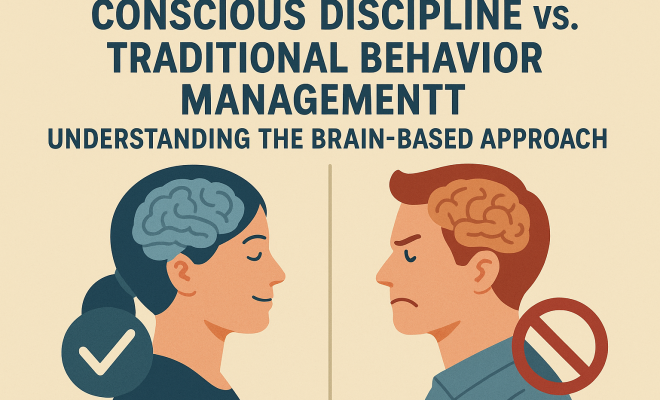
In recent years, educators and caregivers have been exploring new methods to manage behavior in classrooms and at home. One approach that stands out is conscious discipline, a brain-based, trauma-informed approach that focuses on social-emotional learning and self-regulation. Unlike traditional behavior management systems that often rely on rewards and punishments, conscious discipline aims to foster an environment where children learn to understand and manage their emotions. Let’s dive into the key differences and benefits of conscious discipline compared to traditional behavior management.
1. Understanding Traditional Behavior Management
Traditional behavior management techniques often rely on external motivators such as rewards or consequences to shape behavior. These methods can create a system where students are compliant primarily to avoid punishment or to earn praise. While these techniques may yield immediate results, they often fall short in the long term by failing to address the root causes of misbehavior.
For instance, traditional systems may utilize a point system, where students earn points for good behavior and lose points for disruptive actions. While this can create a structured environment, it doesn’t teach children how to manage their emotions or develop empathy. Instead, it fosters an external locus of control, where children depend on outside forces to dictate their behavior rather than cultivating self-regulation.
2. The Foundation of Conscious Discipline
Conscious discipline was developed by Dr. Becky Bailey in the 1990s and is grounded in the understanding of brain development and how it relates to emotional regulation. Dr. Bailey emphasizes the importance of social-emotional learning and provides tools for both educators and students to create a safe and nurturing environment. This approach promotes the idea that discipline is not merely about punishment but about teaching children to manage their emotions, develop empathy, and build positive relationships.
Unlike traditional behavior management, conscious discipline focuses on the brain’s response to stress and trauma. It recognizes that students come to school with different backgrounds and experiences that can affect their behavior. By integrating principles from neuroscience, conscious discipline equips educators with strategies to respond to students’ emotional needs rather than react to their behaviors.
3. Key Components of Conscious Discipline
Conscious discipline revolves around several core components that differentiate it from traditional approaches. These include:
- Safety: Creating a safe environment is paramount. When students feel safe, they are more likely to engage and learn. This safety is not just physical but emotional as well.
- Connection: Building strong relationships is essential. Conscious discipline encourages educators to connect with students on a personal level, helping to foster trust and respect.
- Problem-Solving: Instead of reacting to misbehavior with punitive measures, conscious discipline encourages students to reflect on their actions and consider healthier alternatives.
- Emotional Regulation: Teaching students how to recognize and manage their emotions is a cornerstone of conscious discipline. This involves understanding triggers and employing self-regulation techniques.
4. The Role of Brain Science
The effectiveness of conscious discipline is largely due to its foundation in neuroscience. Understanding how the brain processes stress and emotions is crucial for developing effective strategies for behavior management. For instance, when a child experiences stress, the brain’s fight-or-flight response is triggered, often leading to impulsive or disruptive behavior.
Conscious discipline addresses this by teaching educators to recognize when students are in a state of distress. Strategies such as mindfulness, breathing exercises, and calming techniques can help students regain control of their emotions. By providing tools to manage stress, students can learn to refocus and re-engage with their learning, ultimately enhancing their academic success.
5. Building Emotional Vocabulary
One of the unique aspects of conscious discipline is its emphasis on developing an emotional vocabulary. Students are taught to articulate their feelings and identify emotional states. This goes beyond simply labeling emotions; it allows students to understand what triggers these feelings and how to cope with them.
By using language to express emotions, students not only improve their communication skills but also cultivate empathy towards others. This practice can transform the classroom atmosphere, making it more collaborative and supportive, as students learn to recognize and respect each other’s feelings.
6. Long-Term Benefits of Conscious Discipline
While conscious discipline requires an investment of time and effort, the long-term benefits are undeniable. Research has shown that classrooms implementing conscious discipline see reductions in disruptive behaviors, improved academic performance, and enhanced social skills. Students become more engaged learners who take ownership of their actions.
Additionally, the skills learned through conscious discipline extend beyond the classroom. As students learn to manage their emotions and reactions, they carry these skills into their homes and communities. This creates a ripple effect, as emotionally intelligent students grow into empathetic adults who contribute positively to society. (See: CDC on mental health in youth.)
7. Practical Strategies for Implementation
Implementing conscious discipline in a classroom or home setting involves several practical strategies. Here are some actionable tips:
- Model Emotional Regulation: As an adult, demonstrate how you manage your emotions. Share your feelings and coping strategies with students.
- Create a Safe Space: Designate an area in the classroom where students can go to calm down when overwhelmed. This could include stress-relief tools like fidget toys, calming visuals, or sensory objects.
- Use Daily Check-Ins: Start each day with a brief emotional check-in. This allows students to express how they’re feeling and helps identify any issues that may arise during the day.
8. Challenges and Misconceptions
Despite its many benefits, conscious discipline is not without challenges. Some educators may feel skeptical about moving away from traditional behavior management systems, fearing a loss of control in the classroom. Others might believe that this approach does not address serious behavioral issues effectively.
In reality, conscious discipline does not mean there are no consequences for actions; rather, it shifts the focus from punitive measures to teaching and understanding. It’s important to clarify that implementing conscious discipline does not happen overnight. It requires ongoing professional development and commitment from educators, as well as support from parents and the community.
9. Current Relevance and Future Directions
As our understanding of child development and emotional intelligence continues to evolve, conscious discipline remains a relevant and impactful approach in education today. With increasing awareness of trauma-informed care and the need for emotional support in schools, more districts are adopting this approach to create nurturing environments for students.
The future of education is moving towards more holistic methods of teaching that prioritize mental health alongside academic achievement. As educators embrace practices like conscious discipline, we can expect a more empathetic generation capable of navigating the complexities of today’s world.
In conclusion, conscious discipline is not just an alternative to traditional behavior management; it’s a comprehensive, research-based approach to teaching emotional intelligence and self-regulation. By understanding the brain’s role in behavior, promoting emotional vocabulary, and fostering connections, we can create environments where all students thrive.
10. Expanding on Emotional Regulation Techniques
Emotional regulation is a critical skill that children need to learn, and conscious discipline offers a variety of techniques. One popular method is the “breathing techniques” approach, where kids are taught different breathing exercises that help them calm down during stressful situations.
For example, the “4-7-8 breathing” technique encourages students to inhale for four counts, hold their breath for seven counts, and exhale for eight counts. This method not only calms the mind but also engages the body in a physiological response that can reduce anxiety and promote focus. Educators can incorporate this simple practice into daily routines, turning it into a powerful tool for emotional regulation.
11. Success Stories of Conscious Discipline
Many schools that have adopted conscious discipline report remarkable transformations in their student populations. A notable example is a school in Ohio that faced significant behavioral issues. After implementing conscious discipline, they noticed a 50% reduction in office referrals over the course of a single school year. Teachers reported improved relationships with students and higher levels of engagement in the classroom.
Similarly, a district in California integrated conscious discipline across various grade levels and saw improvements not only in student behavior but also in academic outcomes. The approach led to a more positive school climate and fostered a sense of community among students and staff. These success stories highlight that when educators commit to creating safe and supportive environments, they can profoundly impact student behavior and learning.
12. Research and Data Supporting Conscious Discipline
Numerous studies have backed the effectiveness of conscious discipline. Research published in the journal “Emotional and Behavioral Disorders in Children and Youth” found that schools that implemented conscious discipline reported significant decreases in student misbehavior and disciplinary actions. The study noted that when teachers utilized conscious discipline strategies, students exhibited increased self-control and improved relationships with peers.
Another study by the University of Virginia indicated that schools practicing conscious discipline saw a marked improvement in students’ emotional intelligence, which correlated with higher academic performance. These findings underscore the importance of integrating social-emotional learning into educational practices and confirm the viability of conscious discipline as a means to enhance student outcomes.
13. Expert Perspectives on Conscious Discipline
Experts in the field of education and psychology often emphasize the transformative potential of conscious discipline. Dr. Dan Siegel, a renowned psychiatrist and author, advocates for approaches that integrate emotional intelligence into learning environments. He states, “When children feel safe, seen, and soothed, they are more able to engage in the learning process.” This aligns with the principles of conscious discipline, reinforcing the idea that emotional well-being is foundational to academic success. (See: NIH on behavior management treatments.)
Dr. Bailey, the creator of conscious discipline, has spoken extensively about the necessity of addressing the emotional needs of children. She argues that “discipline is about teaching, not punishing.” This perspective resonates with many educators today who are seeking effective, compassionate ways to support their students.
14. Comparisons to Other Approaches
When considering behavior management strategies, conscious discipline is often compared to other approaches like Positive Behavioral Interventions and Supports (PBIS) and social-emotional learning (SEL) programs. While PBIS focuses on reinforcing positive behaviors through systems of support, conscious discipline delves deeper into emotional regulation and interpersonal relationships.
In contrast, traditional SEL programs might emphasize skills without fully integrating emotional regulation strategies. Conscious discipline uniquely blends these elements, making it a holistic solution that addresses both emotional and behavioral aspects of learning.
15. FAQs about Conscious Discipline
What age groups can benefit from conscious discipline?
Conscious discipline is adaptable for various age groups, from preschoolers to high school students. The core principles remain the same, but strategies can be tailored to fit developmental stages.
How can parents support conscious discipline at home?
Parents can reinforce conscious discipline by using similar emotional vocabulary at home, modeling emotional regulation, and encouraging open discussions about feelings. Creating a calm and safe environment is essential for practicing these techniques.
Is conscious discipline effective in addressing serious behavioral issues?
Yes, while conscious discipline focuses on teaching and understanding emotions, it also provides tools to address serious behavioral issues. It encourages proactive problem-solving, and when applied consistently, it can lead to significant improvements in behavior.
What resources are available for educators interested in conscious discipline?
There are various resources available, including books by Dr. Becky Bailey, online training courses, and workshops that provide educators with the necessary skills to implement conscious discipline effectively.
How long does it take to see results from conscious discipline?
Results can vary, but many educators report noticeable changes within a few months of consistent implementation. Long-term benefits, such as improved relationships and emotional intelligence, continue to develop over time.
Can conscious discipline be integrated with other teaching methods?
Absolutely! Conscious discipline can complement and enhance other teaching methods, creating a more comprehensive approach to education that prioritizes both academic and emotional growth.
16. Final Thoughts on the Journey of Implementation
Implementing conscious discipline is a journey that requires dedication and collaboration among educators, students, and families. By fostering an environment of safety, connection, and emotional understanding, we can pave the way for a more empathetic and emotionally intelligent generation. As we continue to learn and grow in our approaches to education, conscious discipline stands out as a beacon of hope for creating inclusive, supportive, and thriving learning communities.
17. Conscious Discipline and Trauma-Informed Care
Understanding trauma is essential to implementing conscious discipline effectively. Many students come from backgrounds that include adverse childhood experiences, which can significantly influence their behavior and emotional responses. Trauma-informed care acknowledges these experiences and seeks to create an environment where students feel safe and supported.
In conscious discipline, the trauma-informed lens allows educators to recognize behaviors as responses to past experiences rather than mere disruptions. For instance, a child who frequently acts out may be responding to feelings of insecurity or fear, rather than simply seeking attention. By addressing the trauma behind the behavior, educators can help students find healthier ways to cope and learn.
18. Integrating Mindfulness Practices
Mindfulness is a key component of conscious discipline and provides additional tools for emotional regulation. Techniques such as guided imagery, body scans, and mindful listening can help students develop a greater awareness of their emotions and reactions. Educators can build mindfulness practices into their daily routines, such as starting each day with a short meditation or incorporating mindful moments throughout lessons.
Research shows that mindfulness can improve focus, reduce stress, and foster emotional resilience. By teaching students mindfulness techniques, educators empower them to navigate challenges more effectively and enhance their overall well-being.
19. Conscious Discipline in Diverse Classrooms
Diversity in the classroom can present unique challenges, particularly when it comes to behavior management. Conscious discipline offers a framework that is sensitive to the varied backgrounds, cultures, and experiences of students. By acknowledging and valuing these differences, educators can create an inclusive environment that respects individual perspectives.
For example, incorporating stories or activities that reflect the diverse experiences of students can help foster a sense of belonging. Furthermore, conscious discipline encourages educators to adapt their approaches to meet the needs of each student, ensuring that all voices are heard and valued.
20. Creating a School-Wide Culture of Conscious Discipline
While conscious discipline can be implemented in individual classrooms, its impact is significantly magnified when adopted school-wide. A unified approach encourages consistency and reinforces the principles of emotional safety and connection throughout the entire school community. This can involve training all staff members, including teachers, support staff, and administrators, to understand and practice conscious discipline principles.
Regular professional development opportunities can also help maintain momentum and deepen understanding. Additionally, engaging families in the process and providing them with resources can further strengthen the school’s efforts to foster a supportive learning environment.
21. Evaluating the Impact of Conscious Discipline
As with any educational approach, it’s crucial to evaluate the impact of conscious discipline on student behavior and learning outcomes. Schools can use a variety of assessment tools, including surveys, observational data, and academic performance metrics, to measure changes over time. Collaborating with researchers or local universities can also enhance evaluation efforts and provide insights into best practices.
By continuously assessing the effectiveness of conscious discipline, educators can refine their strategies and ensure they are meeting the emotional and academic needs of their students.
“`
Trending Now
Frequently Asked Questions
What is conscious discipline?
Conscious discipline is a brain-based, trauma-informed approach developed by Dr. Becky Bailey that focuses on social-emotional learning and self-regulation. It aims to create a nurturing environment where children learn to understand and manage their emotions rather than relying on external rewards and punishments.
How does traditional behavior management work?
Traditional behavior management relies on external motivators, such as rewards and consequences, to shape behavior. While these methods can produce immediate compliance, they often fail to address the underlying causes of misbehavior and do not promote long-term emotional regulation or empathy.
What are the key differences between conscious discipline and traditional behavior management?
The key differences lie in their approaches: conscious discipline focuses on teaching emotional management and self-regulation, while traditional behavior management uses rewards and punishments. Conscious discipline fosters intrinsic motivation, whereas traditional methods often create dependence on external validation.
What are the benefits of using conscious discipline in education?
The benefits of conscious discipline include fostering a safe and supportive learning environment, promoting emotional intelligence, enhancing self-regulation skills, and ultimately leading to more positive behavior outcomes. It encourages children to understand their emotions rather than just comply with rules.
Who developed conscious discipline and when?
Conscious discipline was developed by Dr. Becky Bailey in the 1990s. It is based on the understanding of brain development and emphasizes the significance of social-emotional learning in fostering a nurturing environment for children.
What did we miss? Let us know in the comments and join the conversation.