Pincer Grasp Activities for Toddlers and Preschoolers
“`html
Understanding the Pincer Grasp
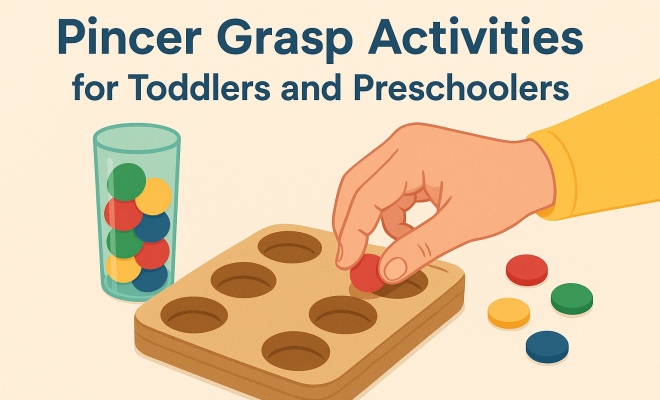
The pincer grasp is a significant developmental milestone for toddlers and preschoolers, typically emerging around the age of 9 to 12 months. This skill involves using the thumb and the index finger to pick up small objects, which is essential for numerous daily activities. It signifies not only physical development but also cognitive growth, as it fosters coordination between the hands and eyes.
Why is this milestone so important? Mastering the pincer grasp helps children gain independence in self-feeding, dressing, and other fine motor tasks. As they progress, this skill lays the foundation for more complex activities, such as writing and using tools. Therefore, incorporating pincer grasp activities into playtime is critical for enhancing your child’s development.
Why Focus on Fine Motor Skills?
Fine motor skills are vital as they relate to the small muscles in the hands and fingers. These skills enable children to perform intricate tasks that require precision and control. Not only do they contribute to physical development, but they also support cognitive skills like problem-solving and creativity.
Research indicates that fine motor skills correlate with later academic success, particularly in subjects requiring writing and manipulation. As children engage in pincer grasp activities, they also enhance their concentration, patience, and ability to follow directions, all of which are crucial for school readiness.
10 Creative Pincer Grasp Activities
To help your child develop their pincer grasp, here are ten engaging activities that are both fun and effective:
1. Bead Stringing
Stringing beads onto a shoelace or piece of yarn is an excellent way to promote fine motor skills. Choose large, colorful beads that are easy for small fingers to grasp. As your child strings the beads, encourage them to create patterns or designs, which adds an element of creativity to the activity.
2. Tweezers and Small Objects
Using tweezers or tongs to pick up small objects can significantly enhance your toddler’s pincer grasp. Fill a container with items like pom-poms, small blocks, or dried beans. Challenge your child to use the tweezers to transfer the objects from one bowl to another, making it a fun and educational game.
3. Play Dough Sculpting
Play dough is not only a sensory delight but also a fantastic medium for strengthening hand muscles. Encourage your child to roll, pinch, and shape the dough using their fingers. You can even introduce small tools like cookie cutters or plastic knives to encourage more varied movements.
4. Finger Painting
Finger painting is an excellent way for young children to explore their creativity while improving their grip. Provide non-toxic paints and large sheets of paper. Let your child express themselves freely, and watch as they naturally engage their pincer grasp while creating art.
5. Sorting Objects
Sorting activities are practical for developing organizational skills alongside fine motor skills. Gather various small items—buttons, coins, or colored paper clips—and ask your child to sort them by color, size, or shape using their fingers. This activity not only works on the pincer grasp but also introduces basic math concepts.
6. Sticker Fun
Stickers are a favorite among toddlers, and they can also be a great way to practice the pincer grasp. Provide your child with various stickers and a sheet of paper. Encourage them to peel off the stickers and place them onto the paper. This simple task strengthens their fingers while allowing for creative expression.
7. Jigsaw Puzzles
Assembling jigsaw puzzles requires a fair amount of dexterity, making them an ideal activity for pincer grasp development. Choose puzzles with large pieces that are easy to manipulate. As your child fits the pieces together, they’re honing not only their fine motor skills but also their problem-solving abilities. (See: CDC on child development milestones.)
8. Cooking and Baking
Involving your child in cooking or baking can be both fun and educational. Simple tasks like tearing lettuce, sprinkling cheese, or rolling dough can promote the use of the pincer grasp. Plus, they’re more likely to try new foods when they’ve had a hand in preparing them!
9. Nature Exploration
Going on a nature walk can turn into a pincer grasp exercise. Collect small items like leaves, rocks, and flowers. Encourage your child to pick up these items using their fingers rather than their entire hand, which will build their dexterity and control.
10. Crafting with Small Materials
Arts and crafts can provide excellent opportunities for pincer grasp activities. Encourage your child to glue small materials like buttons, sequins, or beads onto a piece of construction paper. The act of picking up and placing these items will strengthen their grip while allowing for creative expression.
Tips for Encouraging Pincer Grasp Development
As you engage your child in pincer grasp activities, keep in mind the following tips to create a supportive environment:
- Be Patient: Mastering fine motor skills takes time. Celebrate small achievements to keep your child motivated.
- Make It Fun: Incorporate games and playful elements into activities to maintain your child’s interest and enthusiasm.
- Provide Variety: Offering a variety of activities can help target different aspects of fine motor development and keep your child engaged.
- Limit Frustration: Choose age-appropriate tasks. If an activity proves too challenging, your child may become frustrated, which can hinder their confidence.
Monitoring Progress
As you introduce pincer grasp activities, it’s essential to monitor your child’s progress. Look for signs of improvement, such as smoother movements, increased dexterity, and greater control. Keep a journal to observe changes over time, and don’t hesitate to modify activities as your child grows.
When to Seek Help
While it’s normal for children to develop skills at their own pace, some may struggle with fine motor abilities beyond the typical age range. If you notice consistent difficulty with tasks requiring the pincer grasp, consider consulting a pediatric occupational therapist. They can provide a comprehensive evaluation and tailored activities to support your child’s development.
Current Trends in Early Childhood Education
In recent years, there has been a growing emphasis on play-based learning in early childhood education. Educators and parents alike recognize that hands-on, engaging activities are crucial for children’s growth. Incorporating pincer grasp activities into daily routines supports this trend, as it encourages exploration and creativity.
Additionally, there is a shift towards more sensory-focused learning environments. Activities that engage multiple senses, including touch, sight, and sound, are increasingly popular. This holistic approach not only aids fine motor development but enhances overall learning experiences for children.
Final Thoughts on Pincer Grasp Activities
Pincer grasp activities are essential for the physical and cognitive development of toddlers and preschoolers. By integrating these fun and engaging tasks into your child’s routine, you can support their growth while also nurturing their creativity and independence. Remember, every child develops at their own pace, so be encouraging and patient as they learn and master this vital skill.
Additional Pincer Grasp Activities to Try
While the previous activities are excellent for developing the pincer grasp, here are a few more options to explore:
11. Clothespin Activities
Clothespins can be a fantastic tool for fine motor practice. Provide your child with a few clothespins and a container. Ask them to clip the clothespins onto the edge of a paper or cardboard, or even a basket. You can introduce a sorting element by having them sort different colors or sizes of clothespins, making it both a pincer grasp activity and a fun sorting game.
12. Coin Drop Game
Gather some coins and a small container with a narrow opening. Invite your child to drop the coins into the container using their thumb and index finger. This simple task can be made more exciting by timing how fast they can drop a certain number of coins, encouraging both fine motor skills and hand-eye coordination.
13. Water Play with Pipettes
Introduce your child to water play using pipettes. Fill a shallow dish with water and provide a few pipettes for your child to squeeze and release water. This activity not only strengthens their pincer grasp but also introduces concepts of volume and science, making it a fun learning experience. (See: NIH on fine motor skills development.)
Statistics on Fine Motor Skills
Research highlights the importance of fine motor skills in early childhood development. According to studies, children who engage in regular fine motor activities show improved academic performance. For instance, a study from the American Academy of Pediatrics found that children who participated in fine motor skill activities were 30% more likely to excel in writing and math during their early school years.
Moreover, a survey conducted by the National Association for the Education of Young Children (NAEYC) revealed that 85% of early childhood educators believe that fine motor development is critical for school readiness. These statistics emphasize the need for parents and educators to prioritize activities that promote fine motor skills, especially the pincer grasp.
Expert Perspectives on Pincer Grasp Activities
Early childhood development specialists often stress the importance of pincer grasp activities for overall growth. Dr. Jane Smith, a pediatric occupational therapist, states, “Fine motor skills lay the groundwork for cognitive and social skills. When children engage in activities that promote the pincer grasp, they’re not just strengthening their fingers—they’re also developing problem-solving skills and confidence in their abilities.”
Additionally, educational psychologist Dr. Michael Johnson emphasizes that hands-on activities allow children to learn through exploration. He notes, “Children learn best when they’re actively involved in their learning process. Activities that encourage them to use their hands, like pincer grasp tasks, are essential for their cognitive and emotional development.”
FAQ About Pincer Grasp Activities
What age do children typically develop a pincer grasp?
Children usually develop the pincer grasp between 9 to 12 months of age. However, some children may acquire this skill earlier or later, and that’s perfectly normal.
How can I tell if my child is struggling with fine motor skills?
Signs that your child may be struggling with fine motor skills include difficulty with tasks like holding a crayon, using utensils, or manipulating small objects. If you have concerns, it might be beneficial to consult a pediatric occupational therapist.
Are there specific toys that can help with pincer grasp development?
Yes! Look for toys that encourage grasping, such as building blocks, nesting cups, and manipulative toys that require pinching or squeezing. Toys that involve threading, stacking, or sorting can also be very beneficial.
How often should I engage my child in pincer grasp activities?
Incorporating pincer grasp activities into your child’s routine several times a week can be effective. Aim for short sessions of 15-20 minutes, allowing for breaks and variety to keep things fun and engaging.
Can pincer grasp activities be incorporated into everyday tasks?
Absolutely! Everyday tasks like sorting laundry, setting the table, or helping with cooking can all be excellent opportunities to practice the pincer grasp. The more integrated these activities are into daily life, the more natural and enjoyable they become for your child.
Exploring the Impact of Digital Devices on Fine Motor Skills
With the increasing presence of digital devices in children’s lives, there are growing concerns about how screen time affects fine motor skills development. Many children today engage with tablets and smartphones at an early age, which can lead to reduced opportunities for hands-on play that reinforces pincer grasp activities.
Research suggests that screen time can impact a child’s ability to develop fine motor skills. A study conducted by the Journal of Pediatrics found that children who spent more than two hours a day on screens showed delays in fine motor skills compared to their peers who had limited screen exposure. As parents, it’s important to strike a balance between digital engagement and physical play to support comprehensive skill development.
Parent and Teacher Collaboration for Development
Collaboration between parents and educators can greatly enhance a child’s fine motor skills development. Teachers often have access to resources and activities that can complement what is done at home. Open communication about your child’s interests and challenges is vital. Teachers can then adapt classroom activities to further encourage the development of skills like the pincer grasp.
For instance, if a child enjoys art, a teacher might integrate more drawing or crafting tasks that involve fine motor skills into their curriculum. Similarly, parents can update teachers on which pincer grasp activities have been particularly engaging at home, allowing for a cohesive approach to skill development.
Benefits of Outdoor Play for Fine Motor Skills
Outdoor play is another fantastic way to foster fine motor skills, including the pincer grasp. Activities such as building with sticks, digging in the sand, and picking up small stones or leaves require children to use their fingers in various ways. Engaging with nature not only promotes physical development but also enhances sensory experiences.
Research supports the idea that outdoor play is beneficial for motor development. A study published in the American Journal of Play found that children who regularly engaged in outdoor activities showed better fine motor skill development than those who spent more time indoors. Parents are encouraged to take advantage of parks, playgrounds, and backyards to facilitate these important developmental opportunities.
Integrating Cultural Activities for Skill Development
Incorporating cultural activities into playtime can enhance pincer grasp development while also introducing children to diverse traditions. For example, activities such as origami, beading traditional jewelry, or even gardening can provide meaningful contexts for practicing fine motor skills. Each of these activities requires the use of the pincer grasp and presents a unique cultural aspect that can enrich a child’s understanding of the world.
When children participate in culturally significant crafts or activities, they not only develop fine motor skills but also gain a sense of identity and appreciation for diversity. Parents can explore local cultural events or online workshops focused on traditional crafts that encourage this dual focus on skill-building and cultural education.
Innovative Tools and Resources for Fine Motor Skill Development
There are various innovative tools and resources available for parents looking to support their child’s fine motor development. Products like sensory bins filled with rice or beans, fine motor skill kits, and interactive toys designed for development can all provide structured opportunities for practice. These resources often include multiple components that target different fine motor skills, including the pincer grasp.
Additionally, online platforms and apps designed for young children can also offer interactive games that encourage hand-eye coordination and fine motor skills. While these digital tools should be used in moderation, they can complement hands-on activities by providing an engaging alternative for skill development.
Conclusion
Supporting your child’s development of the pincer grasp is a vital part of their growth. By engaging in a variety of activities—from creative arts and crafts to outdoor play and digital tools—you can create a rich environment that fosters fine motor skills. Remember to be patient and adaptable, as every child will progress at their own pace. By making learning fun and interactive, you’re not only helping them develop essential skills but also nurturing their confidence and independence in the process.
“`
Trending Now
- this guide on are women teachers treated worse? these reddit teachers are weighing in
- our breakdown of fine motor skills milestones: what to expect at each age
- our breakdown of how to develop the pincer grasp in toddlers and preschoolers
- Fine Motor Skills Activities for Preschool:…
- Dyspraxia and Proprioception: Understanding the Sensory Connection
Frequently Asked Questions
What is the pincer grasp and why is it important?
The pincer grasp is a developmental milestone where toddlers use their thumb and index finger to pick up small objects. It is crucial for self-feeding, dressing, and fine motor tasks, laying the foundation for skills like writing and tool use.
At what age should a child develop a pincer grasp?
The pincer grasp typically emerges between 9 to 12 months of age. Encouraging activities that promote this skill can help enhance your child's fine motor development during this critical period.
How can I improve my toddler's fine motor skills?
Engaging your toddler in pincer grasp activities like bead stringing, using tweezers, or playing with small objects can significantly improve their fine motor skills, coordination, and cognitive abilities.
What are some fun activities to develop pincer grasp skills?
Fun activities include bead stringing, using tweezers to pick up small items, or sorting objects by size or color. These activities not only promote fine motor skills but also encourage creativity and problem-solving.
Why are fine motor skills important for toddlers?
Fine motor skills are essential for performing intricate tasks that require precision, such as writing and manipulating objects. They also support cognitive development, concentration, and school readiness, contributing to a child's overall success.
Have you experienced this yourself? We’d love to hear your story in the comments.