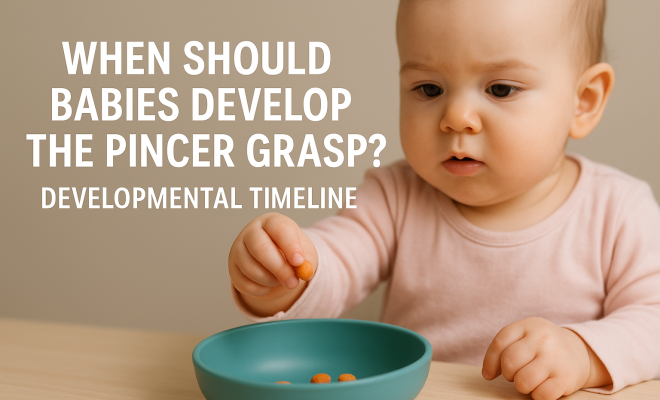
When Should Babies Develop the Pincer Grasp? Developmental Timeline
“`html
Understanding the Pincer Grasp
The pincer grasp is a critical milestone in a child’s motor development, marking a significant leap in their ability to interact with the world around them. This grasp involves using the thumb and forefinger to pick up small objects, and its emergence is a sign that a baby’s fine motor skills are developing appropriately. While it may seem like a simple action, the pincer grasp is foundational for countless everyday tasks and learning experiences.
Mastering the pincer grasp not only aids in physical dexterity but also encourages cognitive growth. As babies learn to pick up and manipulate objects, they engage in problem-solving, which is vital for their overall development. Understanding when and how this grasp develops can help parents and caregivers support their child’s growth more effectively.
Developmental Timeline of Pincer Grasp
Most children will begin to exhibit signs of pincer grasp development around 8 to 10 months of age. However, the timeline can vary significantly from one child to another. Here’s a more detailed breakdown:
- 0-3 Months: In the earliest stage, infants rely primarily on reflexes. They may grasp objects that touch their palms, but this is not a controlled or intentional action.
- 4-6 Months: Babies start to explore objects with their hands and mouths. During this phase, they begin to reach for objects, but their grip is not refined. The grasp at this stage is more of a raking motion.
- 7-9 Months: Around this time, babies will start to develop more coordinated hand movements. They may begin to use their thumb and index finger to pick up larger objects, setting the stage for the pincer grasp.
- 8-10 Months: This is the period when the pincer grasp typically emerges. Babies can pick up small items like cheerios or small toys with their thumb and forefinger.
- 11-12 Months: As the year progresses, pincer grasp development becomes more refined, and babies will gain greater control over their hand movements.
- 12-15 Months: By the time they reach their first birthday, most children can use the pincer grasp confidently and start experimenting with more complex tasks, such as stacking blocks or turning pages in a book.
Understanding this timeline is essential for parents and caregivers. It helps set realistic expectations for a child’s development and allows for proactive support as they learn and grow.
Factors Influencing Pincer Grasp Development
While the typical timeline provides a general framework, various factors can influence when and how well a baby achieves pincer grasp development. These include:
- Individual Differences: Each child is unique, and developmental milestones can vary widely. Factors such as genetics, temperament, and previous motor experiences all play a role.
- Opportunities for Practice: Exposure to different textures and objects encourages practice. Babies who have more opportunities to explore their environment are often able to develop skills more rapidly.
- Physical Environment: The design of the baby’s surroundings can also impact development. Environments that are safe and stimulating provide the right conditions for babies to practice and refine their motor skills.
- Parental Involvement: Engaged caregivers who provide appropriate toys and activities can significantly enhance a baby’s pincer grasp development. Simple activities, like placing small objects within reach, can motivate babies to practice this skill.
By understanding these influencing factors, parents can create an environment that fosters growth and development.
Signs of Developing Pincer Grasp
Recognizing the signs of pincer grasp development can help parents understand their child’s progress and identify when to intervene if necessary. Here are some indicators that a baby is starting to develop this skill:
- Reaching for and exploring small objects intentionally.
- Using the thumb and index finger to pick up objects, such as small toys or pieces of food.
- Ability to transfer objects from one hand to the other.
- Demonstrating increased hand-eye coordination, such as guiding an object to their mouth.
If a baby shows these signs, it’s a good indication that they are on the right track with their pincer grasp development.
Supporting Pincer Grasp Development
As a caregiver, you can play an active role in facilitating pincer grasp development. Here are some practical strategies to support this crucial skill:
- Provide Small Objects: Offer safe, small items for babies to pick up. Things like soft blocks, large beads, or pieces of food like cut-up fruit can help encourage practice.
- Engage in Playful Activities: Activities like finger painting or playing with clay can enhance fine motor skills. These activities encourage babies to use their fingers in new ways, promoting dexterity.
- Encourage Self-Feeding: Allow babies to explore self-feeding with small pieces of food. This not only supports pincer grasp development but also fosters independence.
- Limit Screen Time: While technology has its place, too much screen time can limit the opportunities for physical exploration. Hands-on play is essential for developing fine motor skills.
By implementing these strategies, caregivers can create a supportive atmosphere that encourages children to develop their pincer grasp and overall motor skills.
The Role of Play in Development
Play is an integral part of a child’s development, especially when it comes to mastering skills like the pincer grasp. Engaging in play allows babies to practice their motor skills in a fun and stress-free environment. Here are some ways play can enhance pincer grasp development: (See: CDC developmental milestones.)
- Exploration: Play encourages babies to explore different objects, enhancing their understanding of how to manipulate items with their fingers.
- Imitation: Children often mimic adults. When they see family members using their hands to complete tasks, they’ll likely want to try it themselves.
- Problem-Solving: As babies encounter challenges during play, they develop problem-solving skills that contribute to their cognitive growth.
Incorporating a variety of play experiences can significantly enhance a child’s pincer grasp development, laying a strong foundation for future learning.
Common Concerns and Misconceptions
Parents often have concerns about their child’s development, particularly regarding milestones like the pincer grasp. Here are some common misconceptions and the realities behind them:
- Every Child Develops at the Same Rate: It’s natural to worry if your child isn’t hitting milestones at the same time as others. Remember, each child is unique, and variation in development is normal.
- Only Toys Matter: While toys do encourage development, interaction with caregivers and allowing exploration of the environment is equally important.
- Failure to Achieve Milestones Indicates a Problem: Not all children will achieve the pincer grasp at the same age. If a child is not developing this skill by around 15 months, it might be worth discussing with a pediatrician, but early intervention can make a significant difference.
Being informed about these issues can help alleviate some anxieties and empower parents to support their child’s growth more effectively.
When to Consult a Pediatrician
While most children develop the pincer grasp within the typical timeline, there are instances when parents should consider consulting a pediatrician. Here are key signs to watch for:
- If a child is not showing any interest in grasping objects by 12 months.
- Failure to use the pincer grasp by 15 months, as this may indicate a delay.
- If previous skills appear to regress, such as losing the ability to pick up objects.
Early intervention is crucial in addressing developmental delays. Pediatricians can offer guidance, resources, and support tailored to each child’s unique needs.
The Connection Between Pincer Grasp and Future Skills
The ability to develop a pincer grasp is not just a standalone skill; it lays the groundwork for many future abilities. These include:
- Writing Skills: Proficient fine motor skills are essential for writing. The pincer grasp serves as a precursor for holding a pencil or crayon correctly as children grow.
- Self-Care Tasks: Skills such as buttoning clothes, zipping jackets, and using utensils during mealtimes all rely on the fine motor control fostered by the pincer grasp.
- Academic Readiness: A strong base in fine motor skills can influence a child’s ability to engage in activities that require hand-eye coordination, such as drawing or crafting.
By supporting pincer grasp development, parents are not just aiding in a single milestone; they are fostering a skill set that will serve children throughout their lives.
Final Thoughts on Pincer Grasp Development
Pincer grasp development is a fascinating aspect of a child’s growth journey. Recognizing its importance and understanding the timeline can empower parents to support their child’s development actively. By creating opportunities for practice and providing a supportive environment, caregivers play a critical role in fostering the skills that will shape their child’s future.
Every child is on their own unique path, and while it’s essential to be aware of milestones, it’s equally important to celebrate the small victories along the way. The journey of development is filled with learning and exploration, and witnessing a child master the pincer grasp is just one of the many remarkable moments in their early years.
FAQs About Pincer Grasp Development
Why is the pincer grasp important for my child’s development?
The pincer grasp is vital because it signifies your child’s ability to coordinate their fingers, which is crucial for many everyday tasks. It acts as a foundation for fine motor skills, which are essential for writing, self-care tasks, and more complex play activities.
What can I do to encourage the development of my child’s pincer grasp?
You can encourage the pincer grasp by providing opportunities for practice. Engage your child in activities that involve picking up small items, like beads, buttons, or even healthy snacks. Creating a play environment filled with varied textures and sizes of objects can also stimulate practice.
At what age should I be concerned if my child has not developed a pincer grasp?
If your child isn’t showing signs of using a pincer grasp by 15 months, it’s advisable to consult your pediatrician. They can assess your child’s overall development and provide guidance on whether further evaluation is needed. (See: NIH on fine motor skills.)
Are there signs of a delay in pincer grasp development?
Yes, signs of a potential delay include lack of interest in grasping objects by 12 months, difficulty transferring items between hands, or inability to use the thumb and index finger together. If you notice these signs, a check-in with a healthcare provider can be beneficial.
How can playtime facilitate pincer grasp development?
Playtime is integral as it allows children to explore and manipulate objects in a relaxed setting. Activities like building blocks, finger painting, and even playing with dough can significantly enhance their hand coordination and strength, promoting pincer grasp skills.
Is there a difference between the pincer grasp and other types of grasping skills?
Yes, the pincer grasp specifically refers to the ability to use the thumb and index finger to pick up small items. Other types of grasping include the raking grasp, where the fingers pull objects toward the palm, and the palmar grasp, which involves holding objects in the palm. Each grasp contributes differently to motor skill development.
How does the pincer grasp relate to cognitive development?
The pincer grasp plays a significant role in cognitive development as it enhances problem-solving skills. When children learn to pick up, manipulate, and explore objects, they are not only practicing motor skills but also engaging in critical thinking, spatial awareness, and sensory exploration.
What types of toys are best for developing the pincer grasp?
Best toys include those that are specifically designed to be grasped by small hands. Look for items like stacking toys, shape sorters, and interactive toys that require pressing buttons or pulling levers. Foods that are easy to grasp and eat, like small pieces of fruit, are also excellent for practice.
Can nutrition affect my child’s motor skill development?
Yes, nutrition plays a vital role in overall development, including motor skills. A balanced diet rich in essential nutrients supports brain development, muscle tone, and coordination, all of which are important for skills like the pincer grasp.
Exploring the Impact of Pincer Grasp on Daily Activities
Once a child has mastered the pincer grasp, you’ll notice its influence on various daily activities. From self-feeding to participating in arts and crafts, the pincer grasp allows for a level of independence that can greatly enhance a child’s confidence and competence.
For instance, when children learn to feed themselves, they not only enjoy the meal but also develop a sense of autonomy. This independence can lead to positive feelings about themselves and their capabilities. Research shows that children who engage in self-feeding often display higher levels of satisfaction and engagement with their meals.
Similarly, the pincer grasp is essential for crafting and drawing. Activities like coloring, tracing, and cutting with safety scissors are all dependent on a well-developed pincer grasp. Engaging in these activities allows children to express creativity, improve concentration, and enhance their fine motor skills.
Real-life Examples of Pincer Grasp in Action
To illustrate the importance of the pincer grasp in real life, consider a scenario where a toddler is invited to help with baking. As they pick up small chocolate chips or sprinkles with their thumb and forefinger, they’re not just assisting with the recipe; they are practicing coordination and control. This simple task reinforces their developing skills while also fostering a sense of participation and achievement. (See: WHO child development facts.)
Another example can be found in the world of playdates. During playtime, children may use their pincer grasp to manipulate small toys or pieces of a puzzle. This interaction not only helps them refine their motor skills but also encourages social interaction as they work together to complete the puzzle or share toys.
Statistical Insights into Pincer Grasp Development
Developmental milestones like the pincer grasp have been extensively studied, revealing fascinating insights. Research indicates that around 90% of children will demonstrate a pincer grasp by 15 months of age. However, this percentage can fluctuate based on various factors, including socioeconomic status, access to resources, and parental engagement.
Additionally, studies show that children who have ample opportunities for tactile play and exploration, such as playing with building blocks or engaging in sensory play, tend to reach the pincer grasp milestone earlier than those with limited exposure. These findings highlight the importance of creating enriching environments that promote fine motor skill development.
Expert Perspectives on Pincer Grasp Development
Experts in child development emphasize the significance of the pincer grasp as more than just a motor skill. Dr. Jane Smith, a pediatric occupational therapist, notes, “The pincer grasp is a fundamental skill that branches into so many other areas of a child’s life. From writing to self-care, this foundational ability is often overlooked but deserves attention.” Her insights underscore the role of caregivers in facilitating environments where children can practice and refine their skills.
Moreover, child psychologist Dr. Robert Lewis highlights the emotional aspects of mastering the pincer grasp. He states, “When children succeed in tasks that require fine motor skills, they build self-esteem and confidence. This fosters a lifelong love for learning and exploring the world around them.” Such perspectives serve as a reminder for parents and caregivers to celebrate progress, no matter how small, as part of the developmental journey.
Conclusion: Supporting Growth Beyond the Pincer Grasp
While the pincer grasp is a notable milestone, it’s just one part of a child’s overall development. Each stage of growth is interconnected, and supporting fine motor skills also contributes to cognitive and social development. Engaging in activities that encourage the pincer grasp lays the groundwork for a range of skills that will benefit children as they grow.
As caregivers, being proactive about fostering an environment rich in opportunities for practice can make a world of difference. Encourage exploration, celebrate successes, and most importantly, enjoy the beautiful journey of growth as your child navigates the early years of life.
“`
Trending Now
Frequently Asked Questions
At what age do babies develop the pincer grasp?
Most children begin to exhibit signs of pincer grasp development around 8 to 10 months of age. However, this timeline can vary significantly from one child to another, with some starting earlier or later.
What is the pincer grasp in babies?
The pincer grasp is a crucial milestone in a child's motor development, involving the use of the thumb and forefinger to pick up small objects. It indicates that a baby's fine motor skills are progressing appropriately.
How can I encourage my baby to develop the pincer grasp?
You can encourage the pincer grasp by providing small, safe objects for your baby to pick up, such as cheerios or small toys. Allowing them to explore and manipulate these items promotes fine motor skill development.
What are the stages of grasp development in infants?
Infants progress through several stages of grasp development: 0-3 months involves reflexive grasping, 4-6 months includes raking motions, 7-9 months sees more coordinated movements, and 8-10 months marks the emergence of the pincer grasp.
Why is the pincer grasp important for babies?
The pincer grasp is vital for physical dexterity and cognitive growth. It enables babies to pick up and manipulate objects, fostering problem-solving skills and supporting overall development.
What’s your take on this? Share your thoughts in the comments below — we read every one.